
Jordan
How Rainwater Harvesting Is Transforming Sweet Pepper Production in Jordan
Investing in the Future
There are new sounds coming from the centre these days.
Refugee Health Response
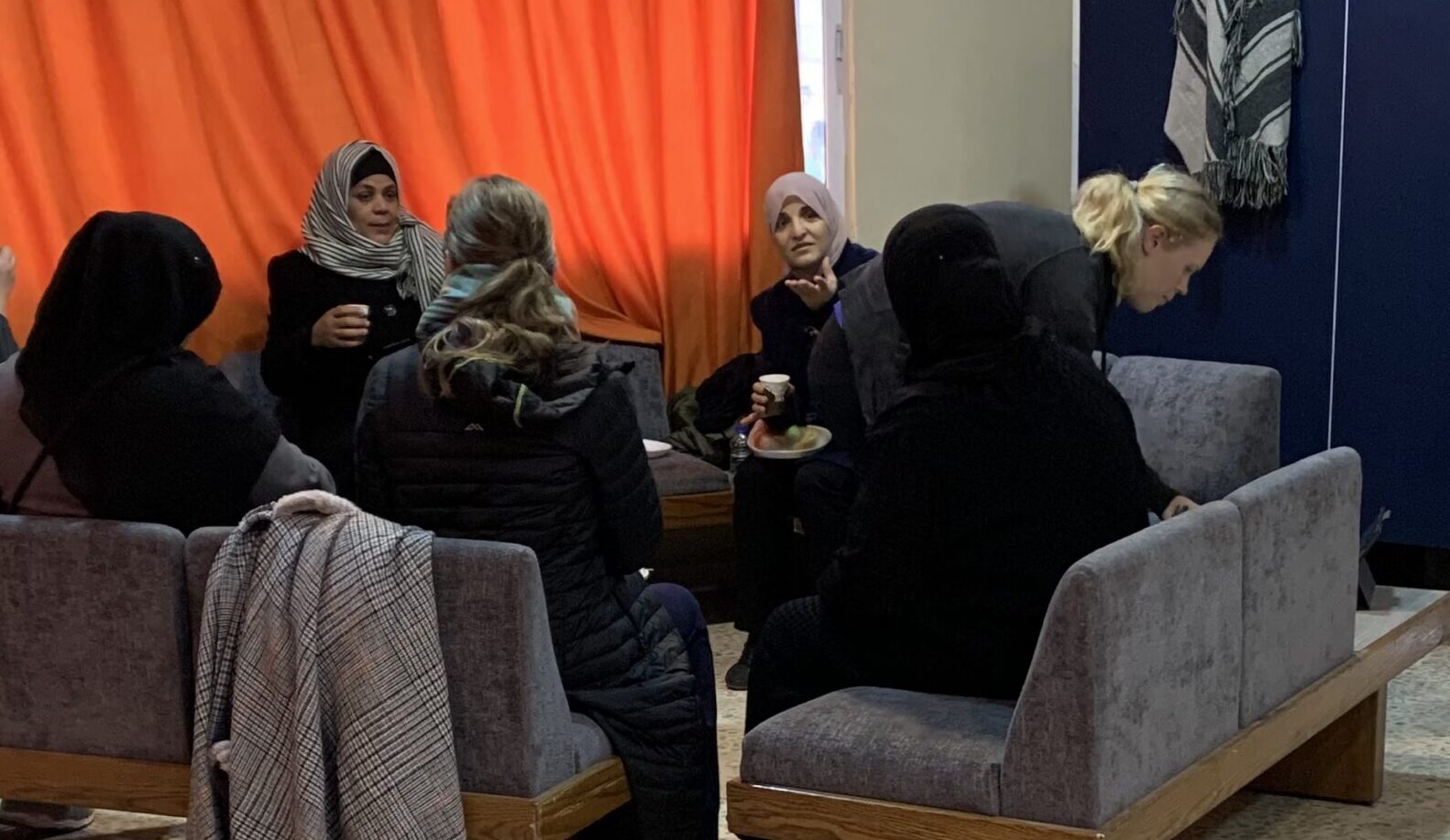
In our Community Health Project in Jordan, we are seeing lives transformed through health screening and education. We work in partnership with local organizations, medical professionals,
Change Impacts Relationships and Community
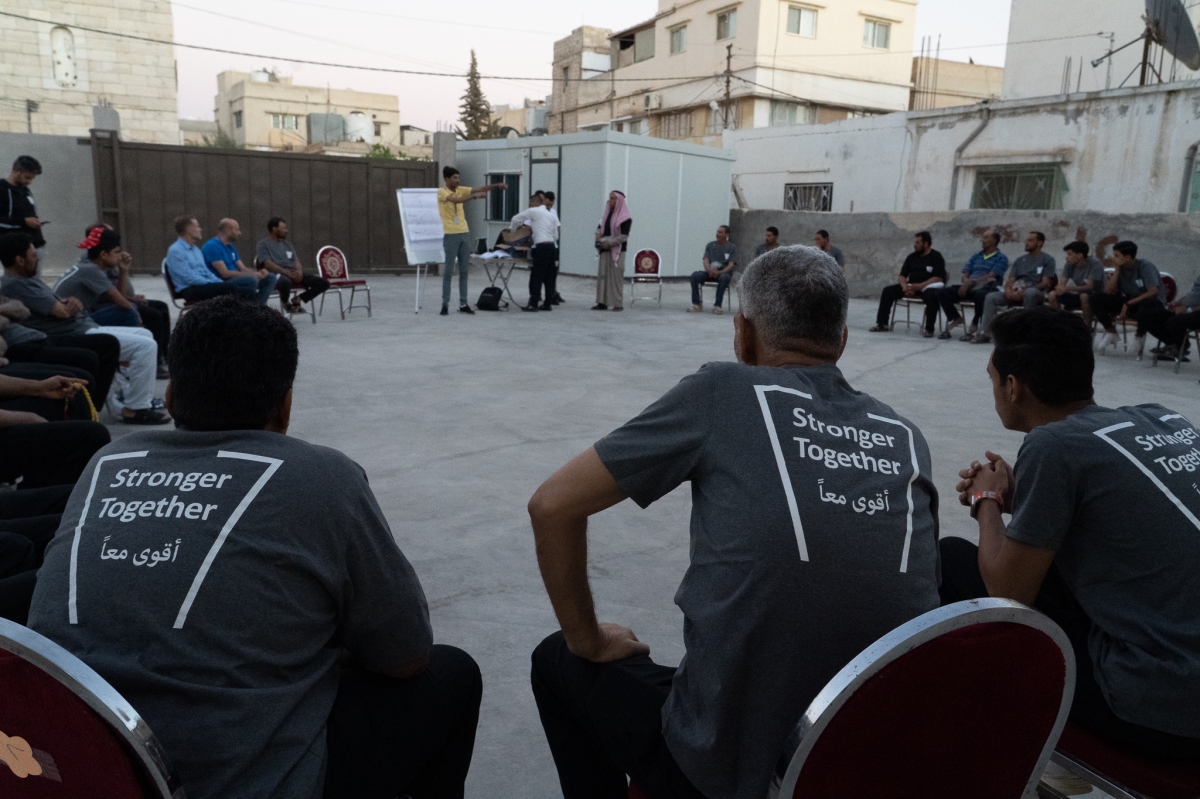
This man speaks of the dynamic relational and inner life that develops when participants move through Keystone’s 3-to-6-month training.
Farming in the Jordan Valley
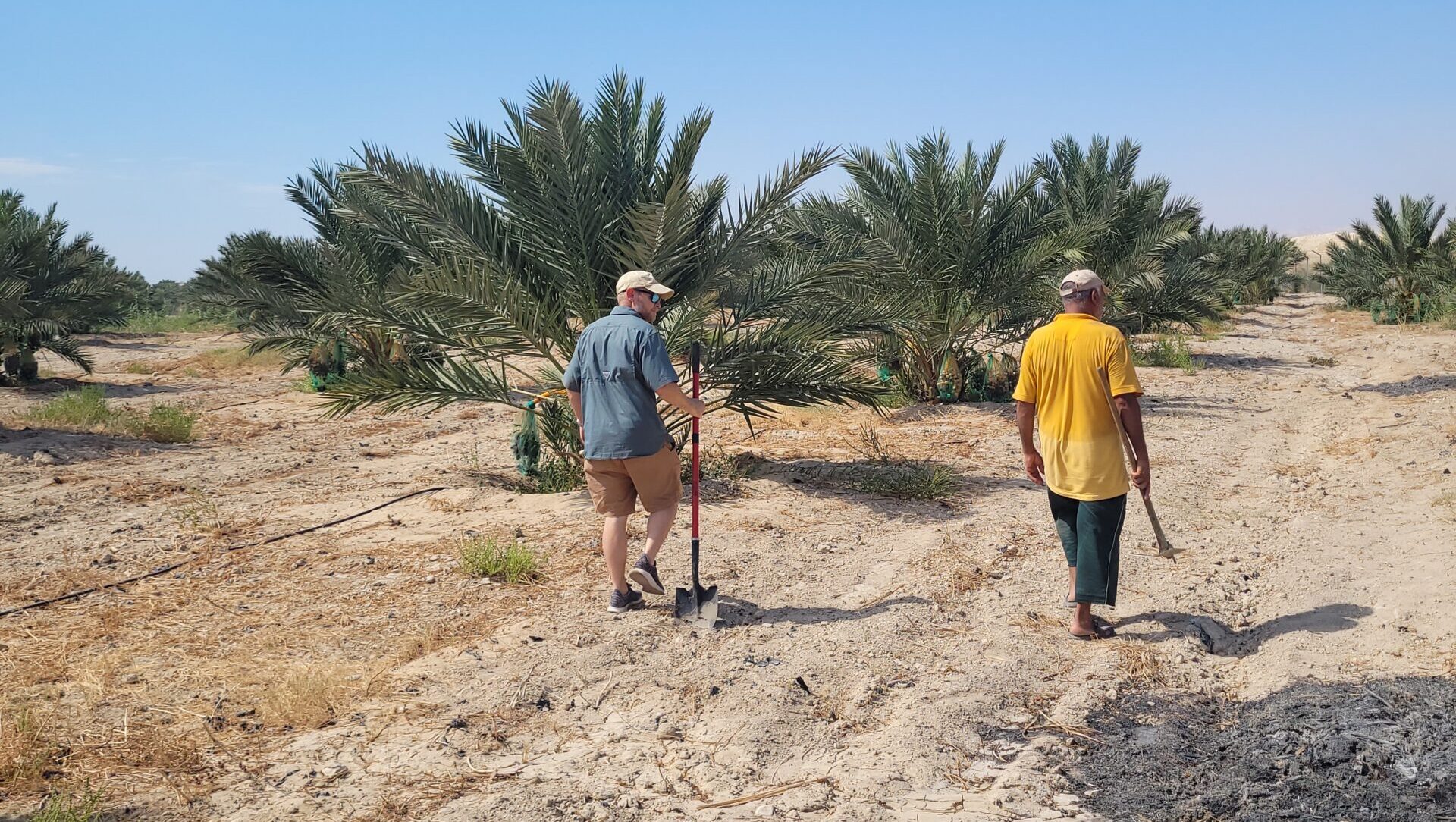
The biggest challenges facing agriculture today are climate change, soil degradation or excessive salinity in the soil, water scarcity, pests and diseases, and the need to ensure food security for a growing population.
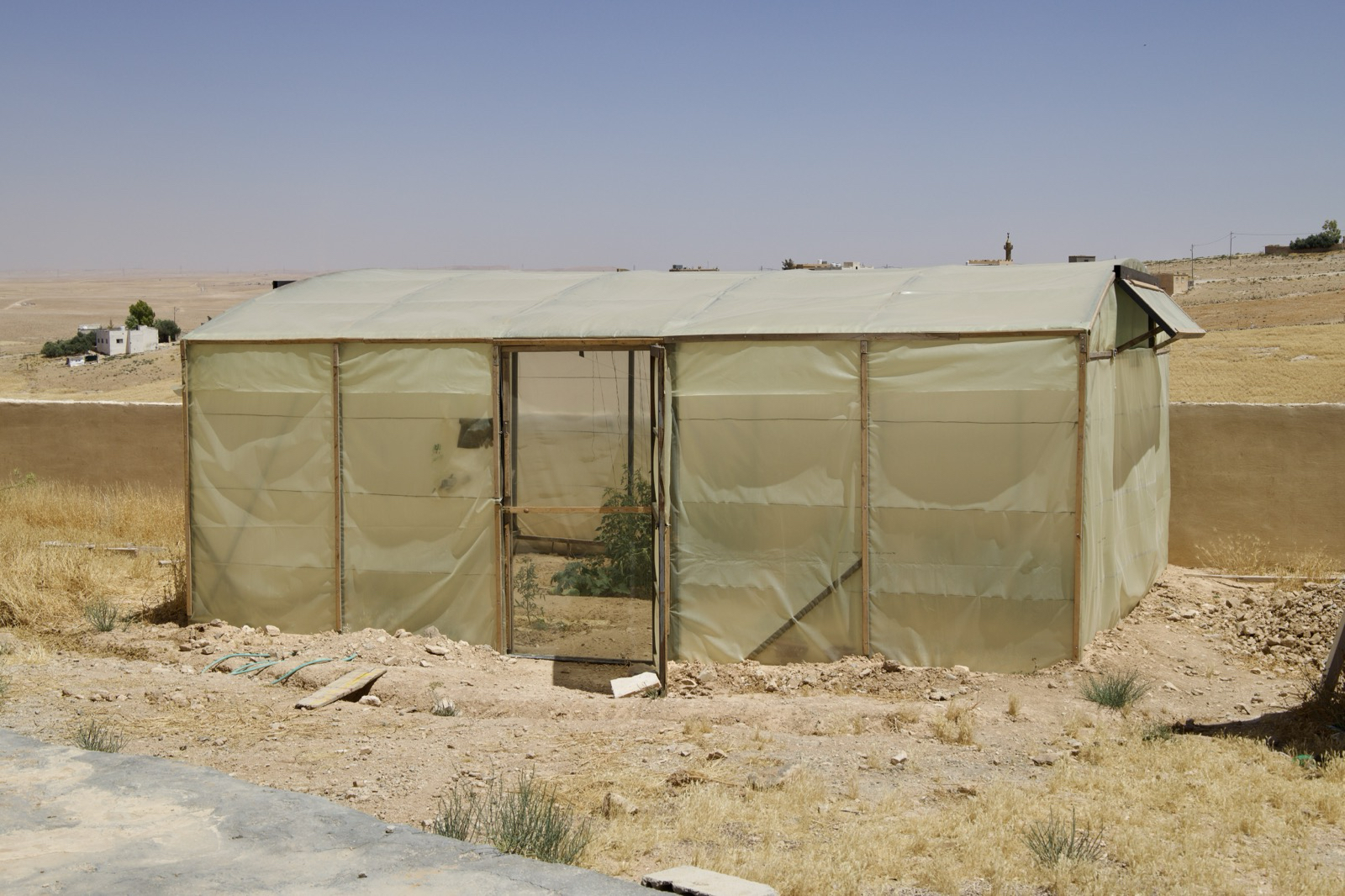
The Right Conditions for Growth
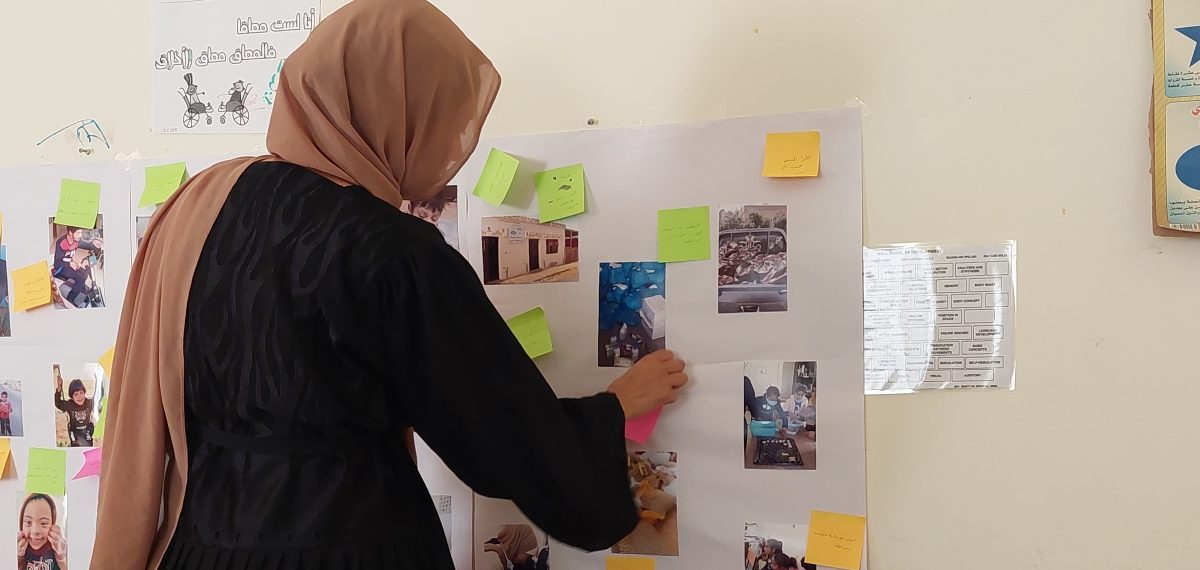
When we consider each child who comes to the centre, each local staff member who dedicates their time to weekly sessions, and even the wider community through the lens of inclusion for people with disabilities,
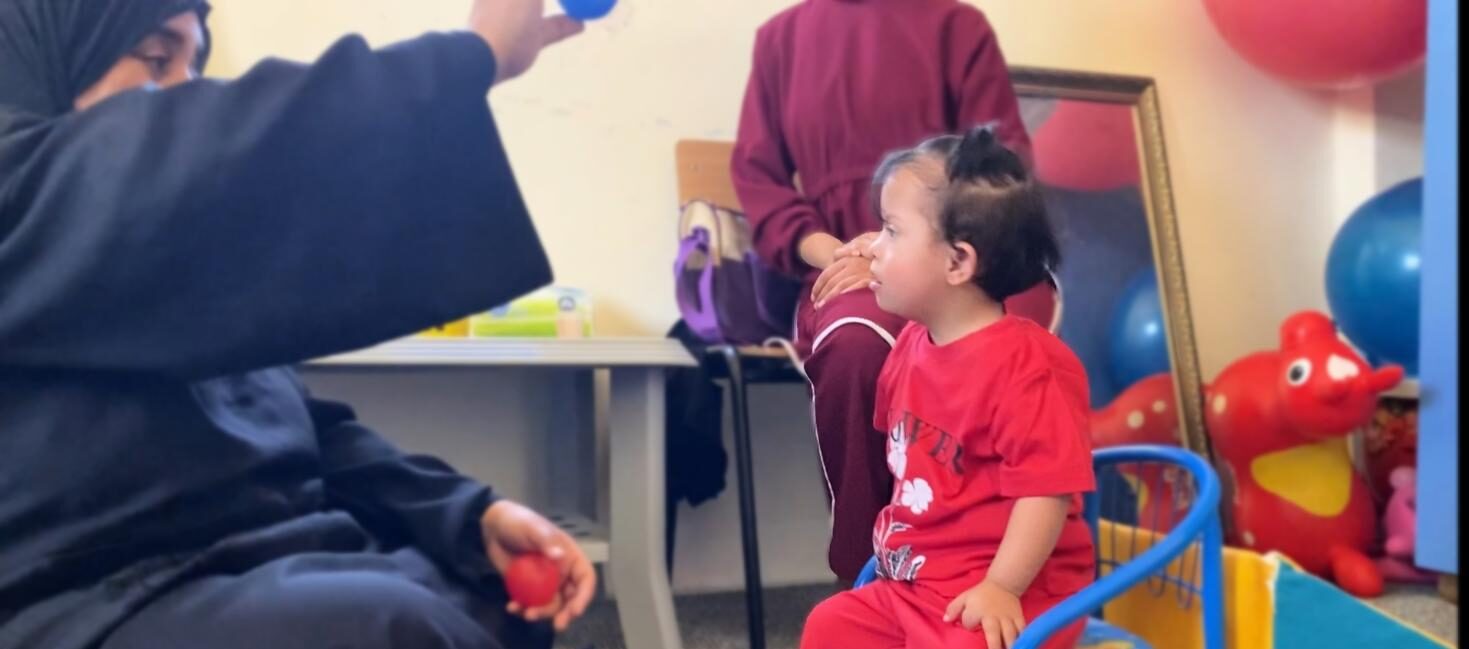
Each Child is Valuable
“I’ve learnt from you that each child is created by God and valuable, and I want to do my best to love and raise her like you would” she said
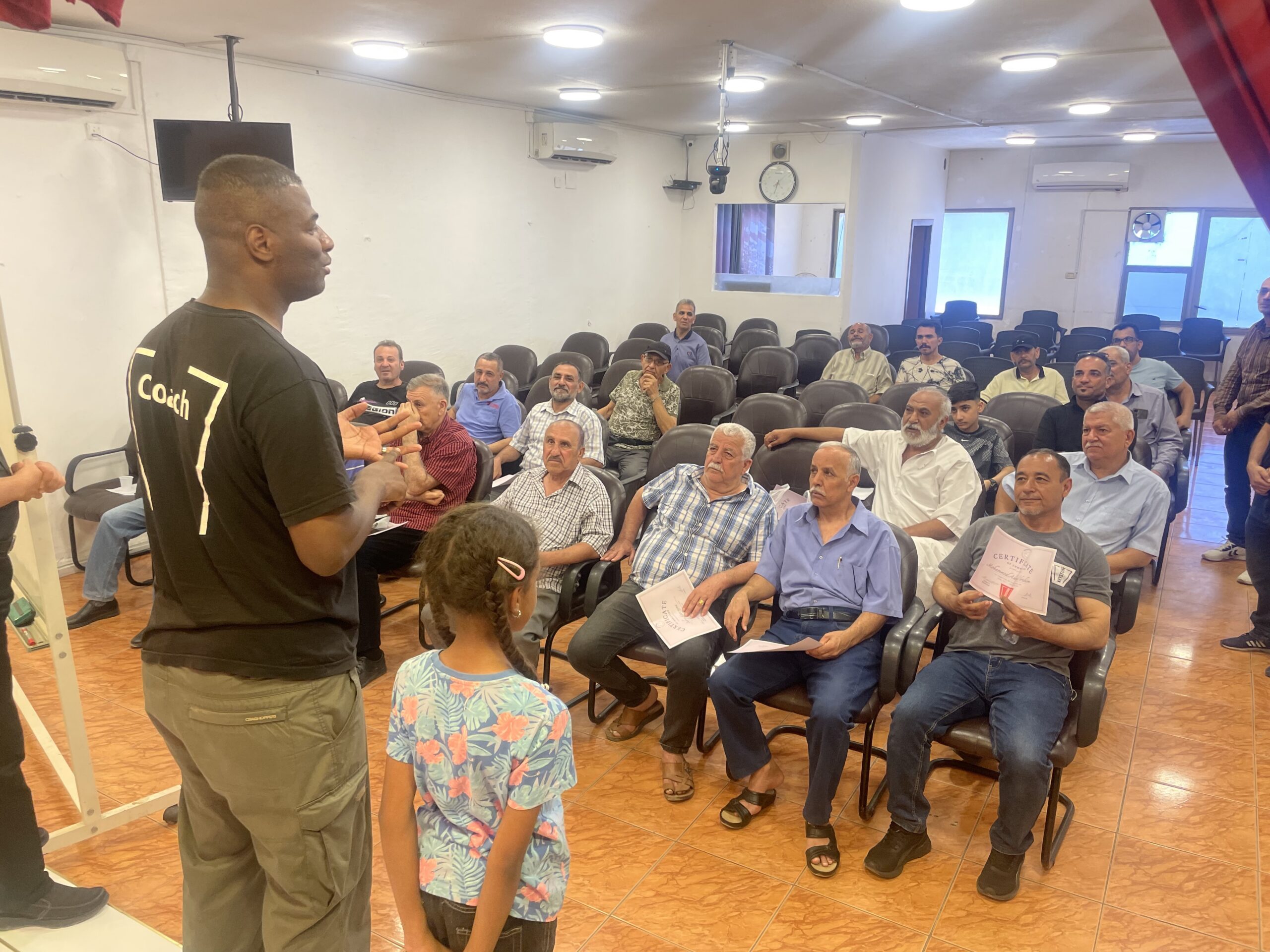
Contributing to the Community
Many unemployed men end up spending a lot of time at home doing nothing. Feeling isolated, they often have too much coffee and tobacco, too little exercise,
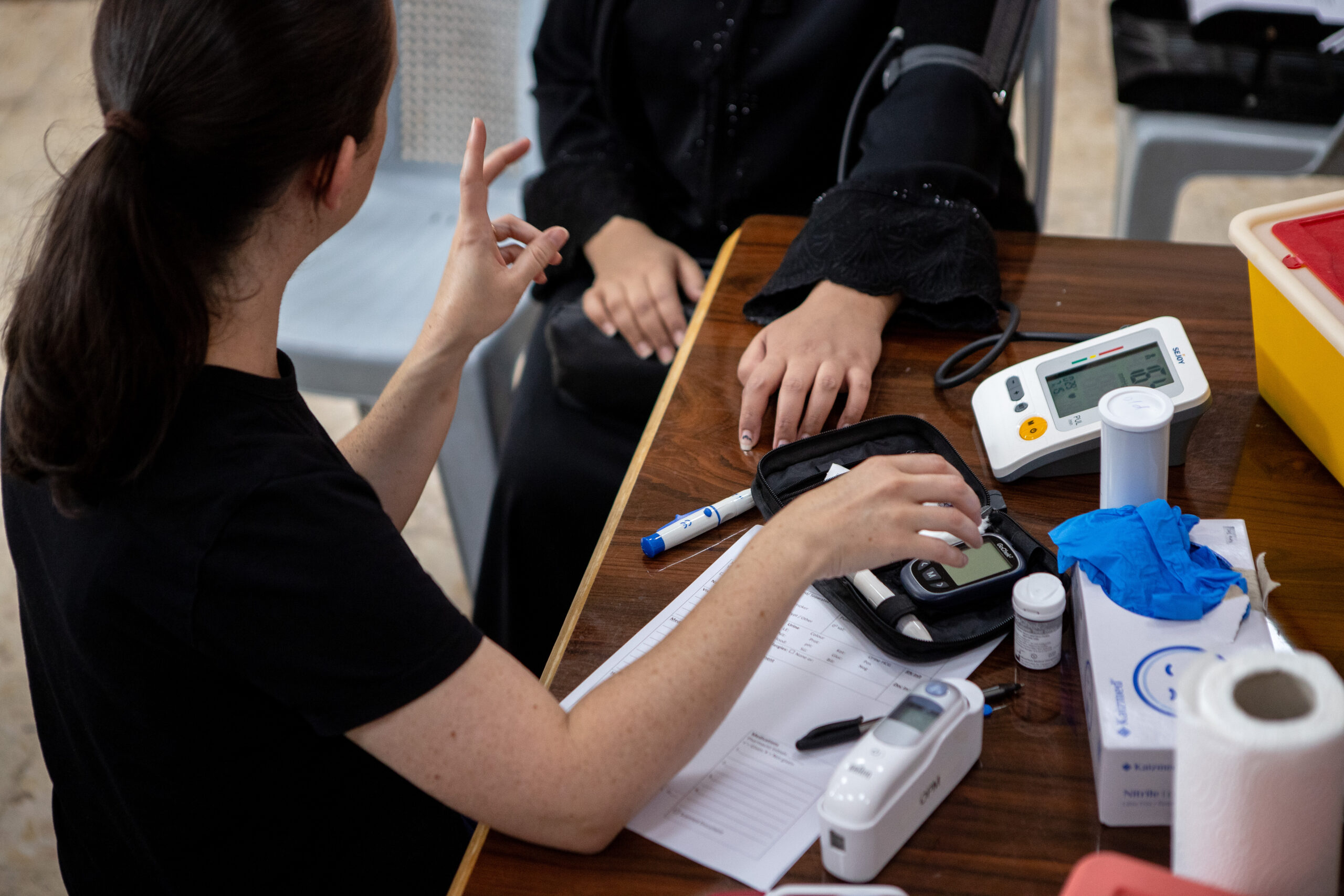
An Exercise Programme For Women
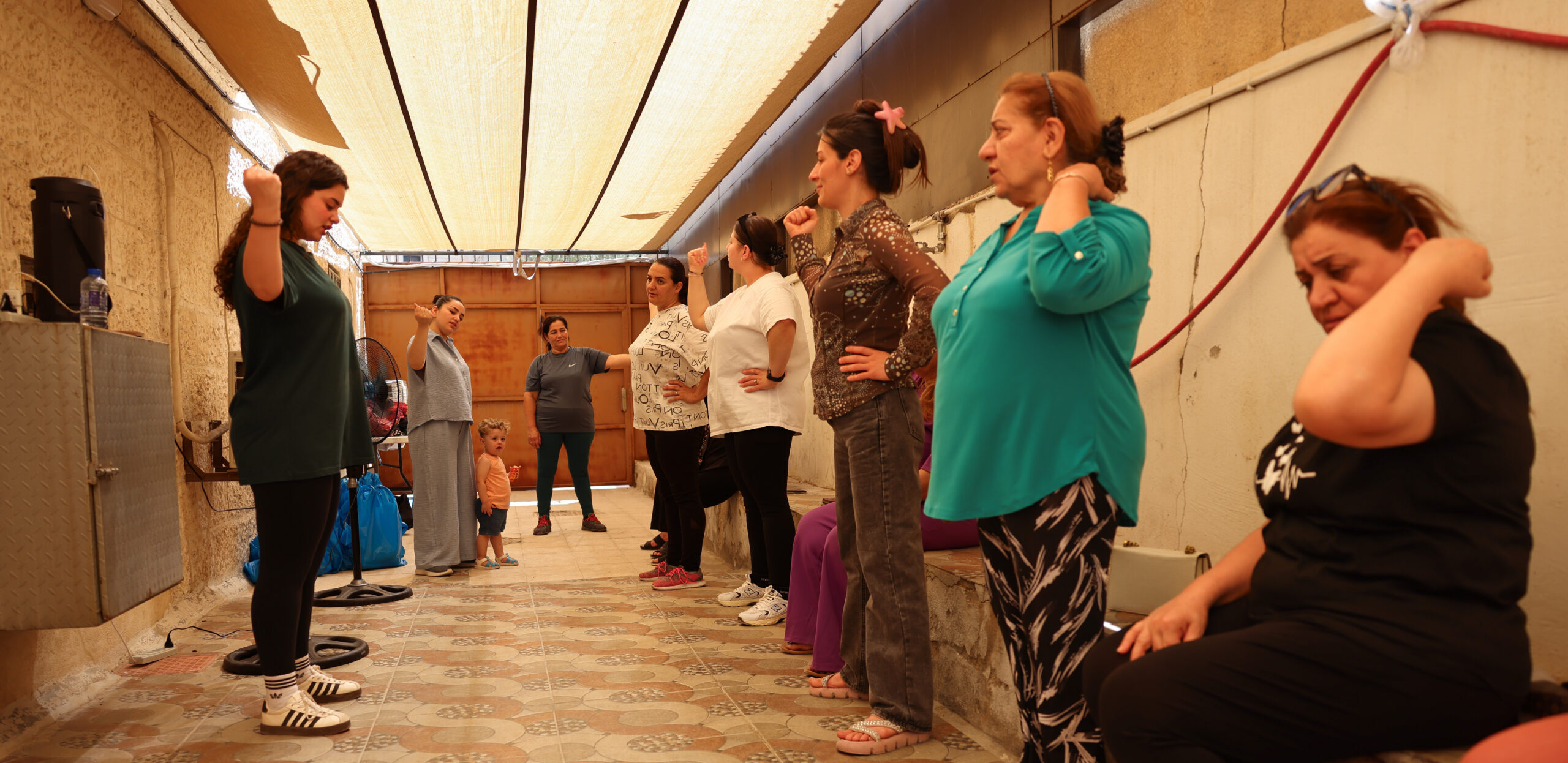
At the end of 2024, we ran a six week exercise program for Jordanian and Syrian women in Zarqa. The women who attended hadn’t had any connection with Operation Mercy in the past.
Sing Hello
“Fahid, it is your turn to sing!” Our volunteers encourage and then, with a little bit of prompting, Fahid begins to sing for us.
A New Keystone Chapter
Two years ago, a man named Muhannad, an Iraqi refugee, joined one of our Keystone men’s groups in Jordan. We visited him at home several times and came to know his family,
Nutritional Diversity: From Farm to Table
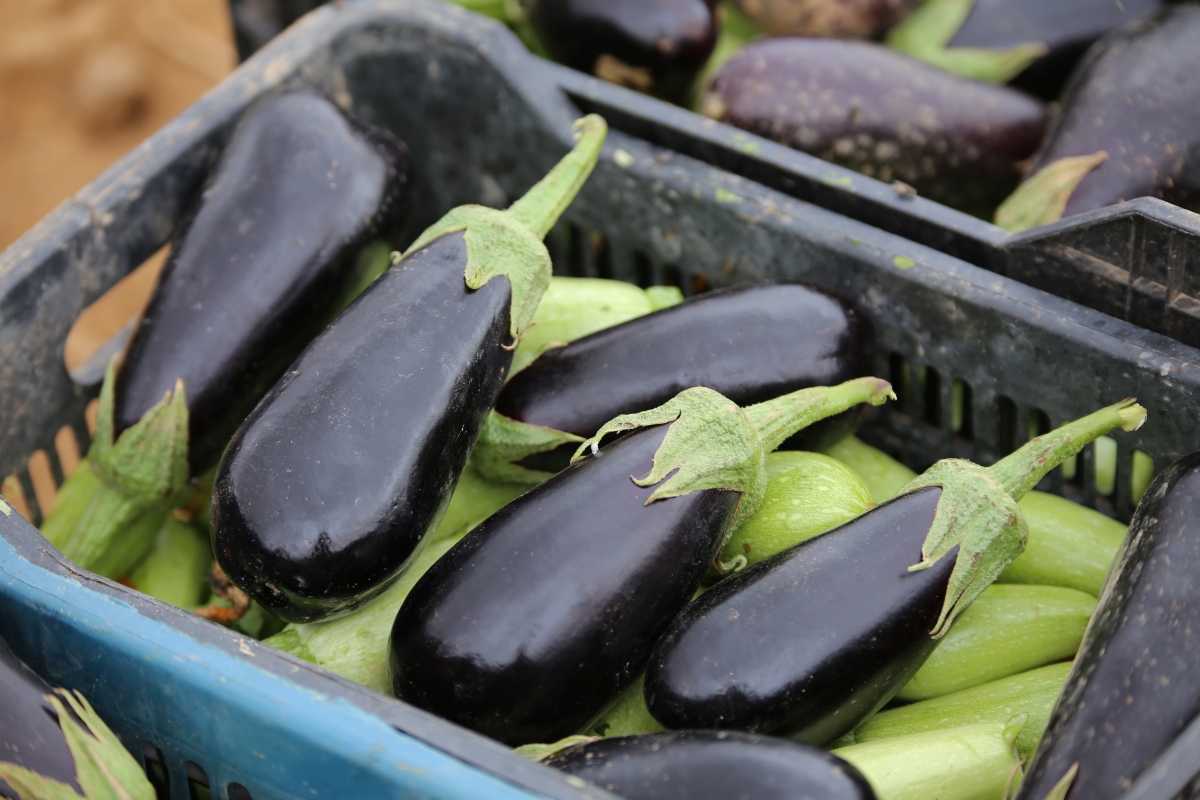
There must be zucchini, eggplant, cauliflower, corn, cabbage, and peppers.
A Savings Group Success Story
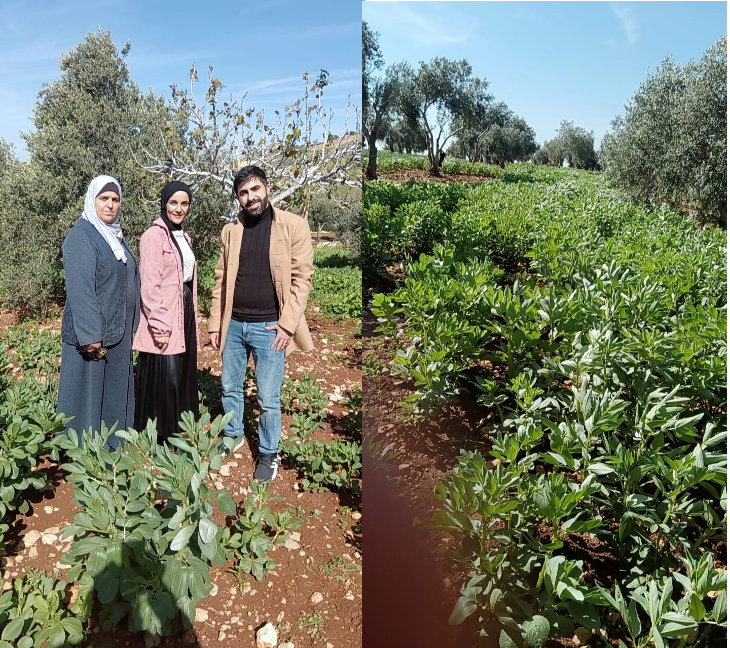
My name is Ghada, and I am a member of the Artery of Hope Savings Group.
Today, I would like to share a success story—an idea that started with the savings group and grew into a project to cultivate more than 60 dunams of land.
Schooling Requires Cooperation
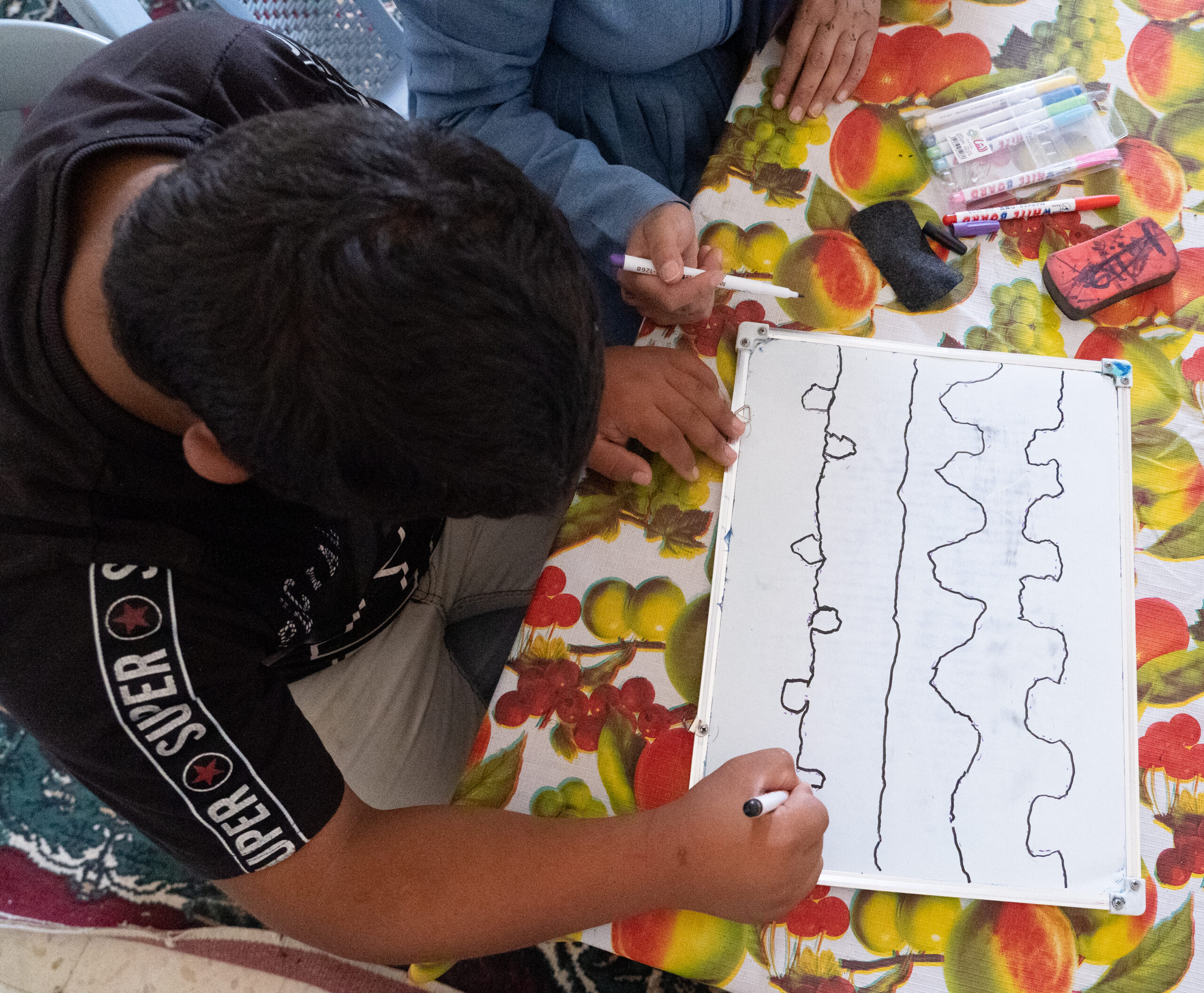
Adnan loves school. His mother smiles with pride and says to the Operation Mercy team, “Every day he wants to go to school.” Naturally gifted with a friendly and bold personality,
Incorporating Technology with Traditional Farming Practices
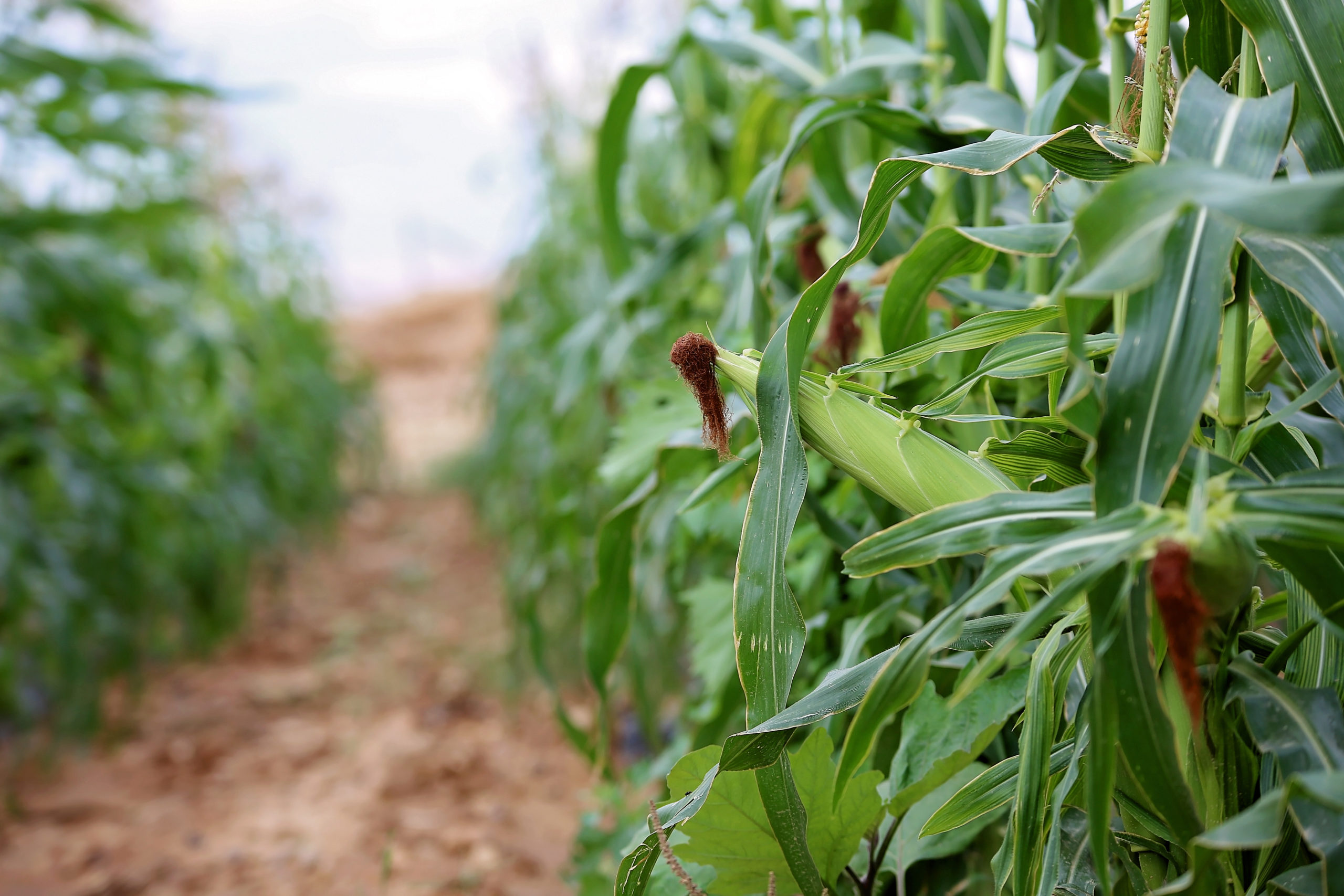
A new generation of younger farmers, having access to the internet, are considering how to incorporate technology with traditional farming practices.
Colours of Hope
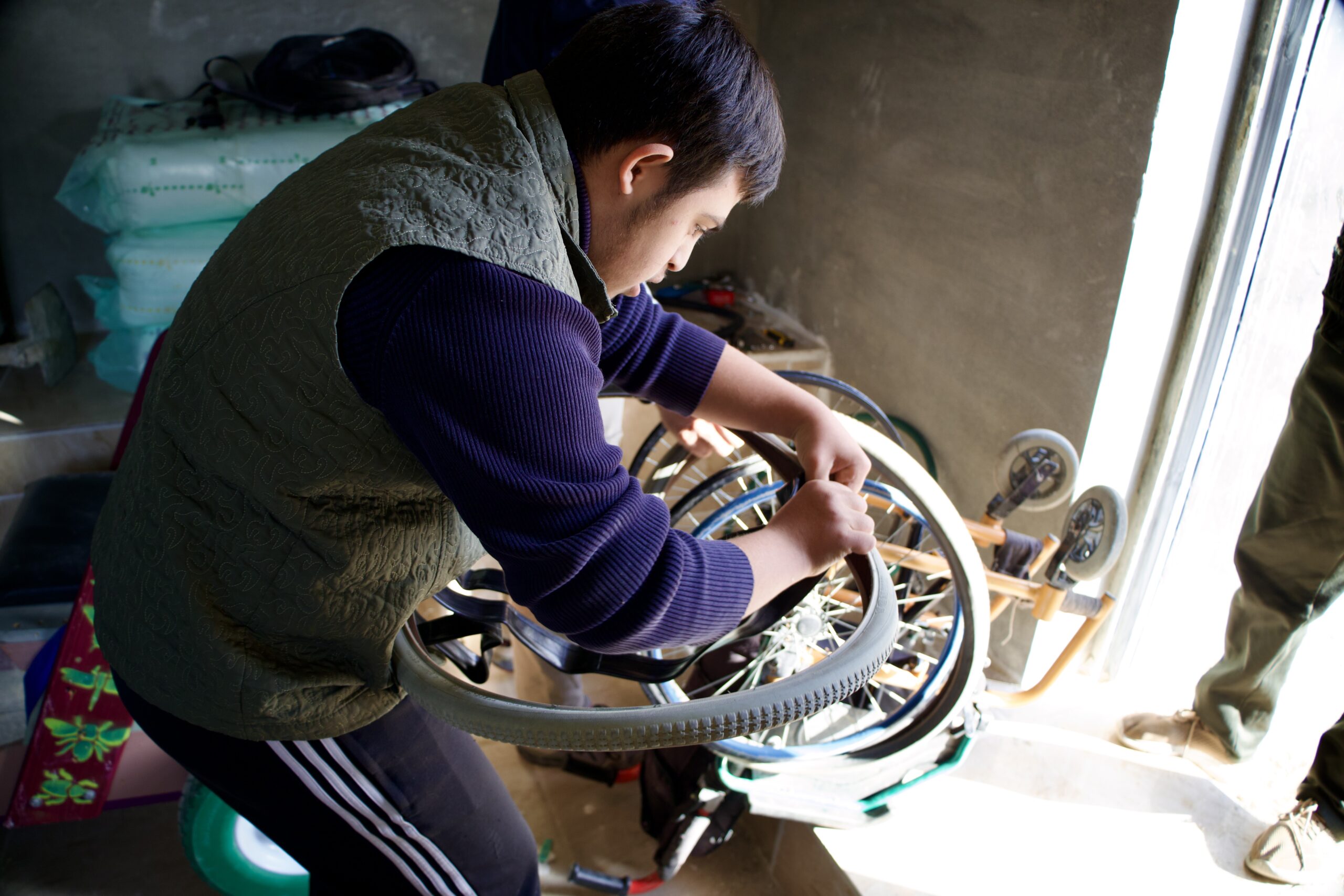
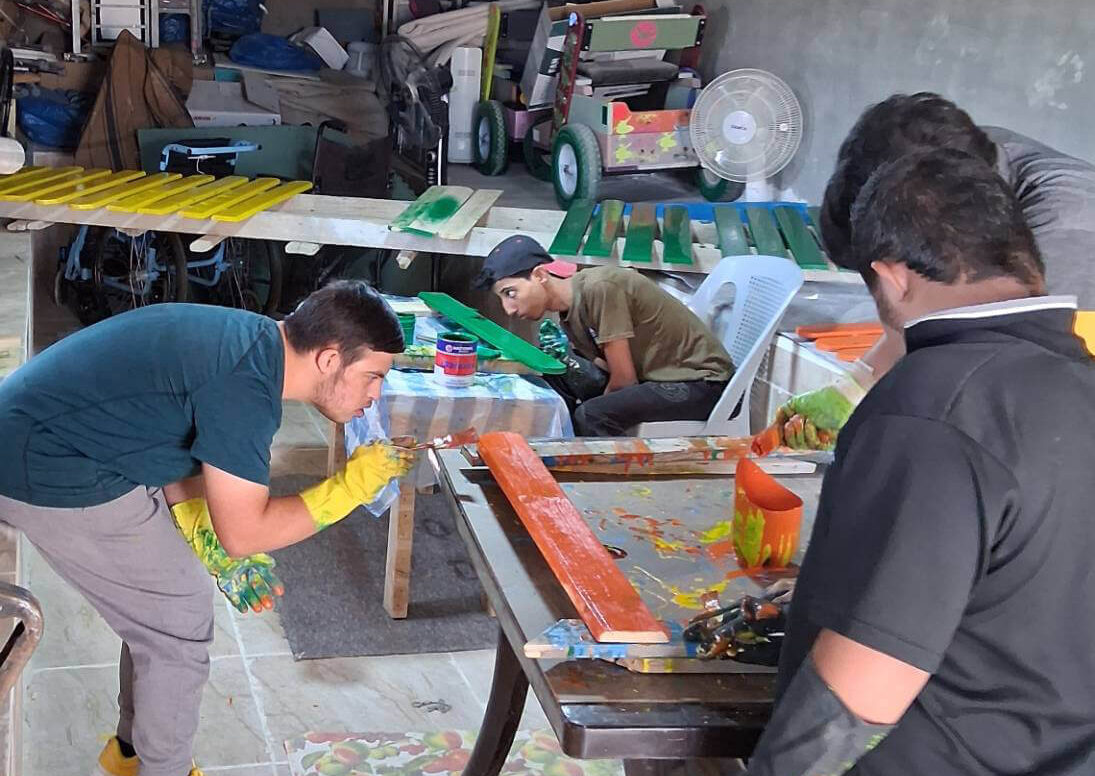
A new initiative started at the beginning of the year with the aim of training a group of teenage boys with disabilities in practical skills. By learning to repair wheelchairs,
Professional and Interpersonal Development
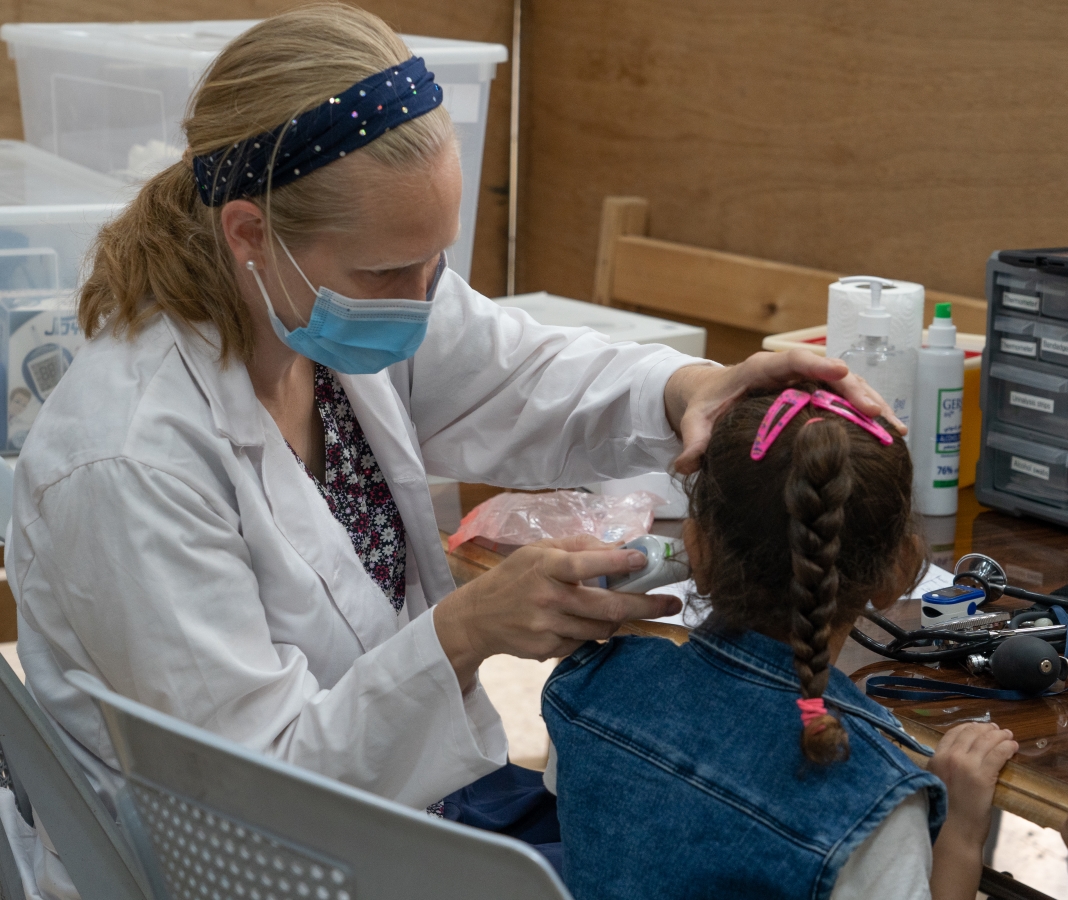
“The people here stood with me,” says Om Waleed*, recounting her young daughter’s need for surgery. “Even though my family is all the way in Syria,
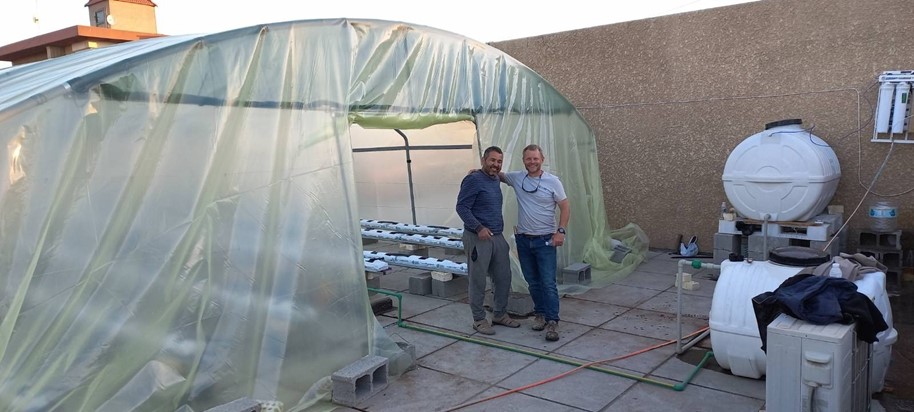
Innovation and creativity are key!
Innovation and creative marketing are a key (and necessary) component of young farmers in Jordan
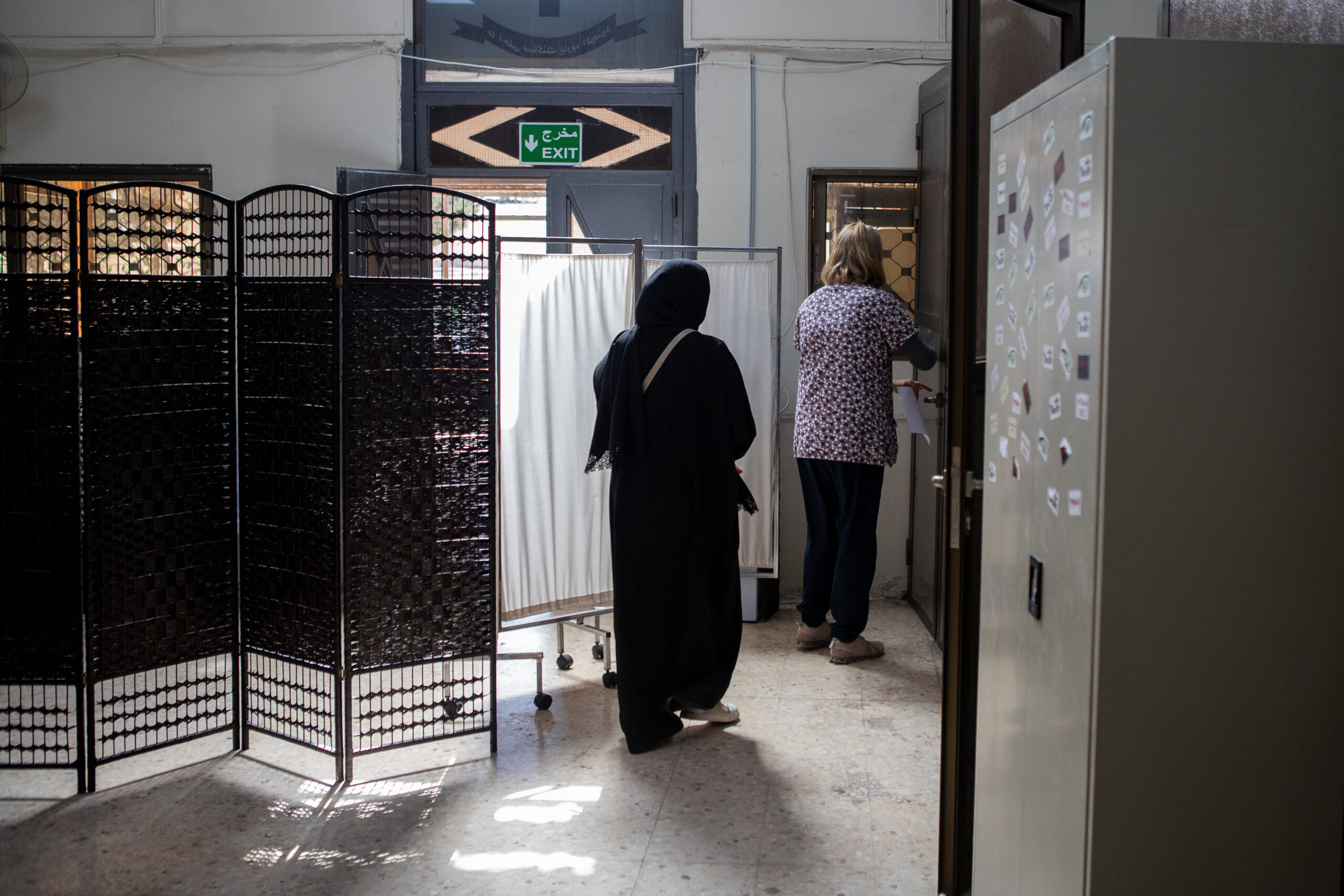
Community Health Advocates’ Training
Izzy was one of seven young women who completed our 6 month CHA pilot program. We selected women who had few opportunities in life. Some hadn’t finished school.
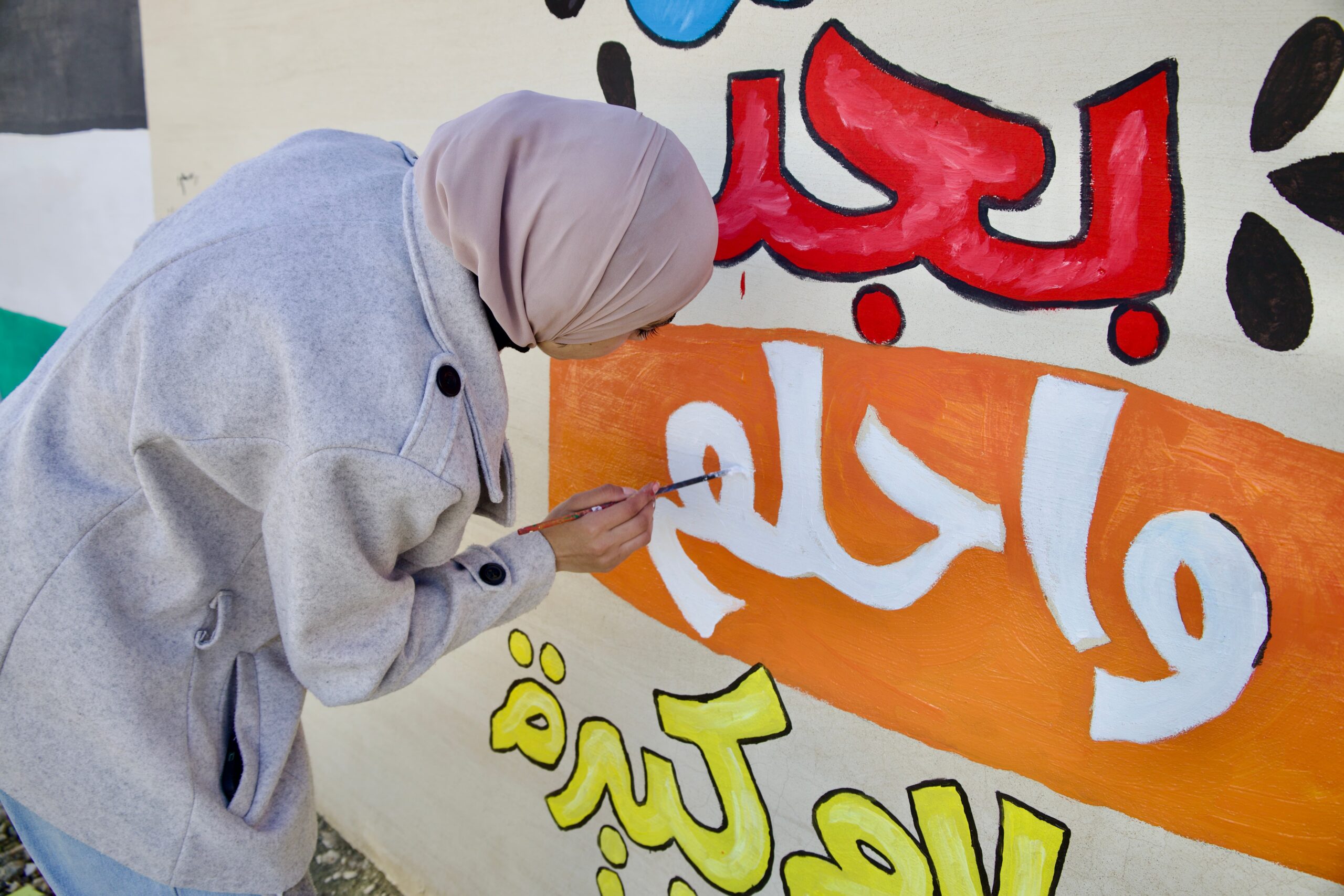
Nurturing a Talent
Every child who comes to the Community Based Rehabilitation (CBR) center in Jordan brings their own unique gifts, personality, and life to our work. As much as we want to grow their potential in areas where they experience challenges,
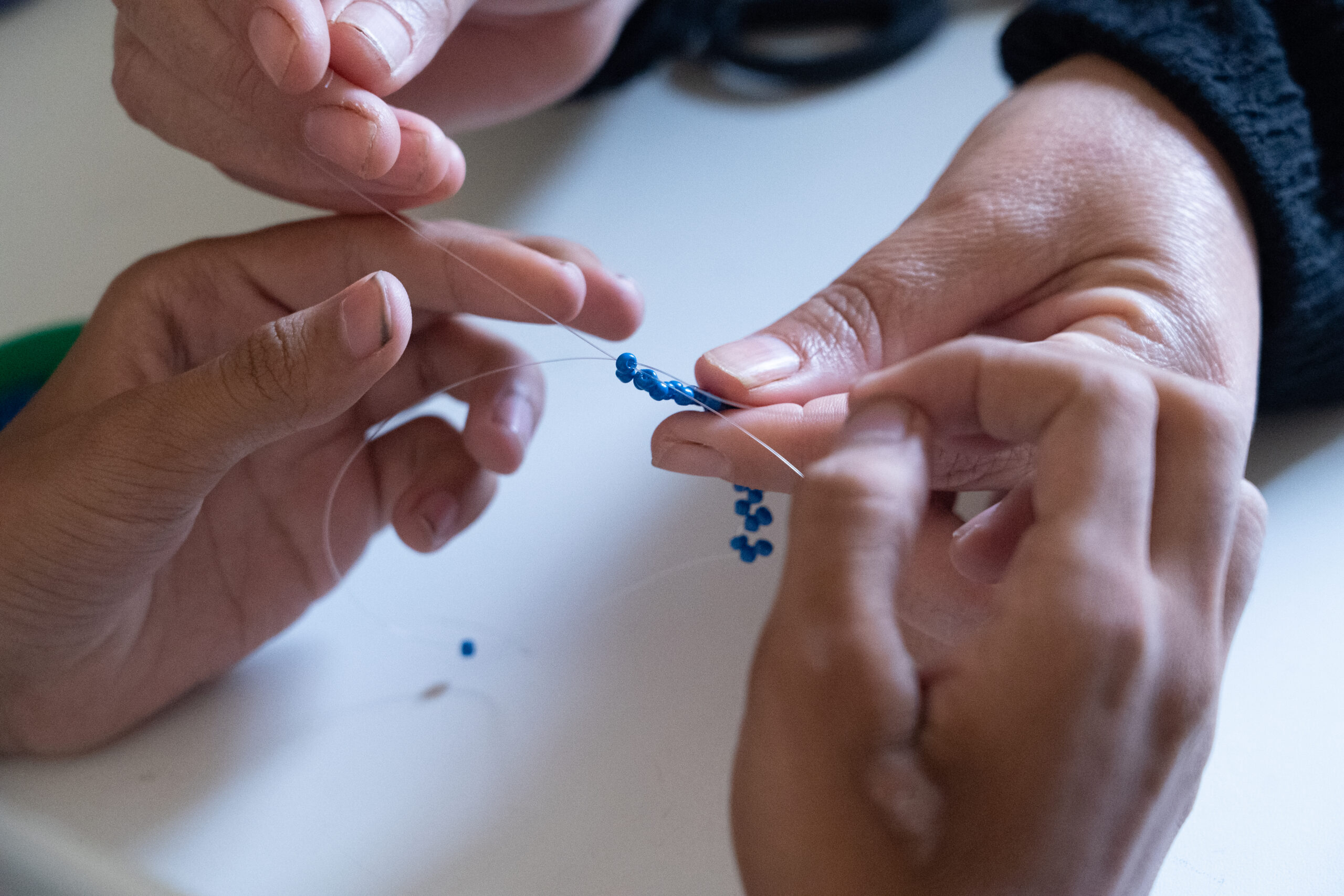
“Will we finally move now?”
“Will we finally move now?” The smile on Rania’s face was unmistakable. A combination of elation, joy, and anticipation was reflected in her expression as she entered the room and,