
Jordan
Two years ago, a man named Muhannad, an Iraqi refugee, joined one of our Keystone men’s groups in Jordan. We visited him at home several times and came to know his family, including his wife, Niam, and their daughter, Malak. We stayed in touch with them, and earlier this year Muhannad sadly passed away from cancer.
One of our partner organizations that hosts Keystone groups expressed interest in starting a women’s Keystone group and suggested inviting Niam and Malak to lead it. Remarkably, on the very day we called them to discuss the idea, Malak—who is graduating from high school—had been praying for God to show her a sign about what she should do after finishing school. She eagerly embraced the opportunity to be part of the project.
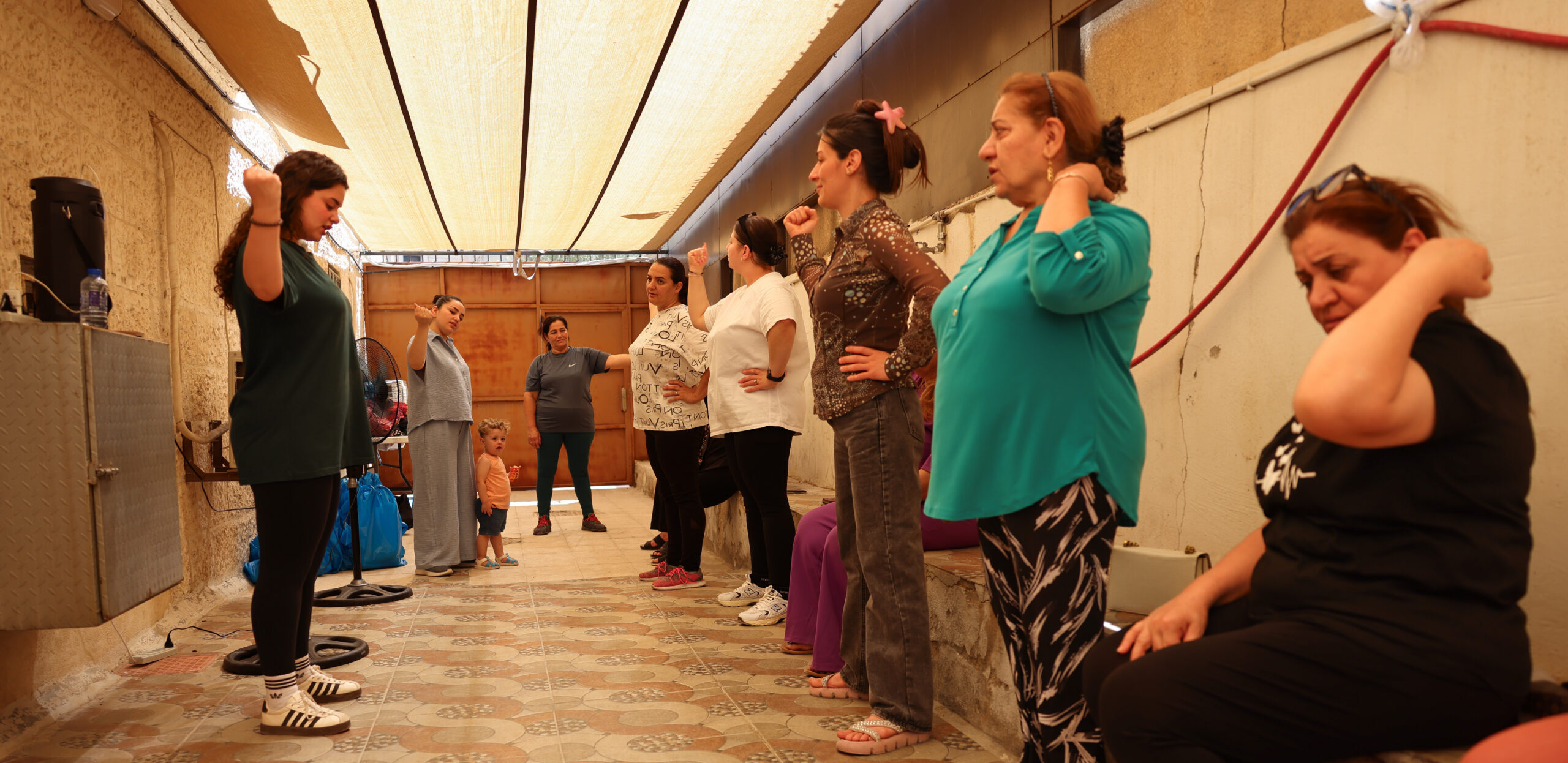
It has been a joy to witness her enthusiasm and energy as she leads the women’s group in exercise and participates in the Focused Group Discussions. Malak is growing in confidence and leadership skills, and she is now exploring online university programs to continue her journey of development.
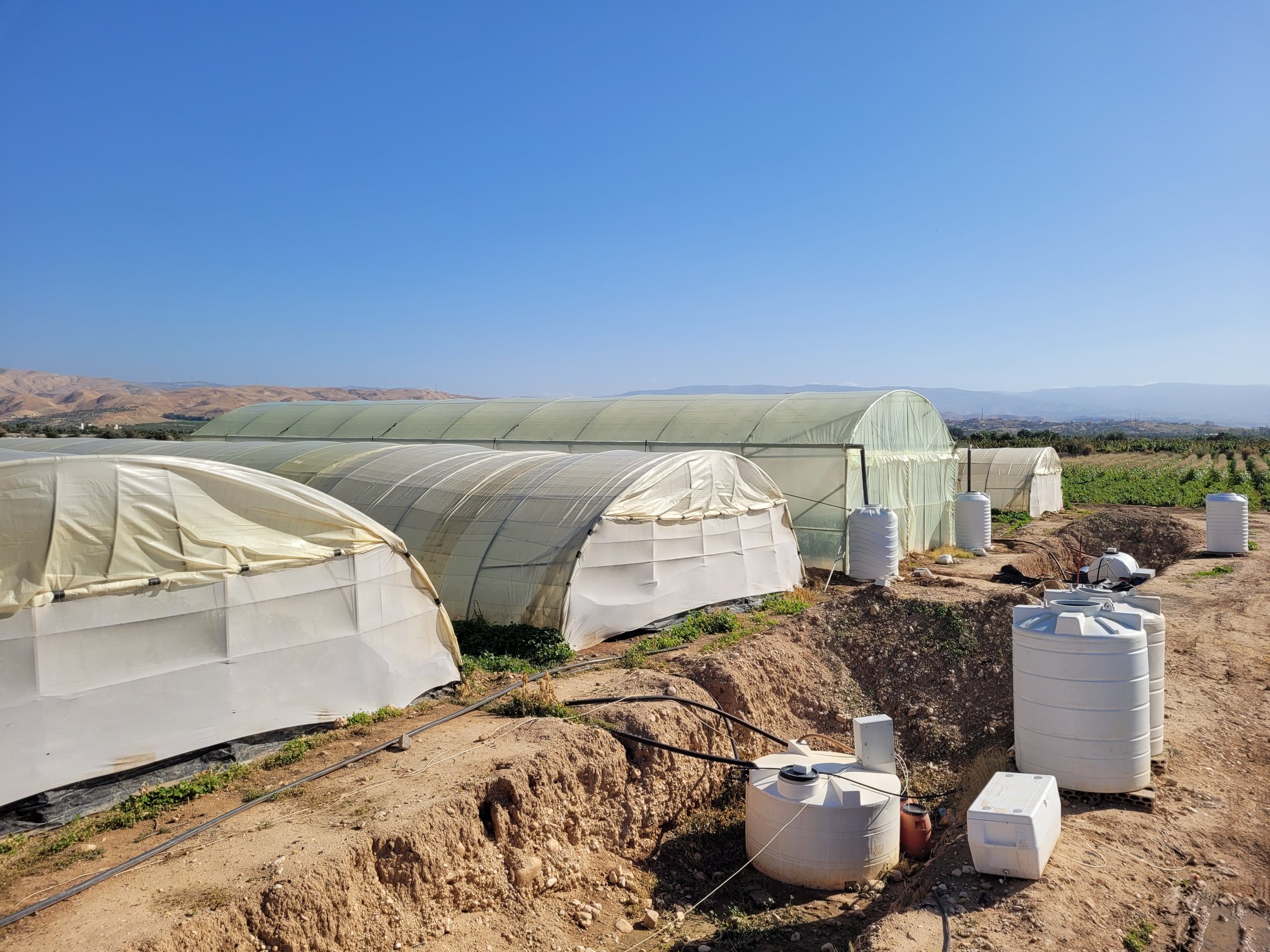
Innovation in the Jordan Valley
Through our Agricultural Cooperation for Development (AC4D) project in Jordan, the introduction of a new type of greenhouse to the Jordan Valley is proving effective in yielding more peppers per unit of water and producing food significantly faster than traditional greenhouses.
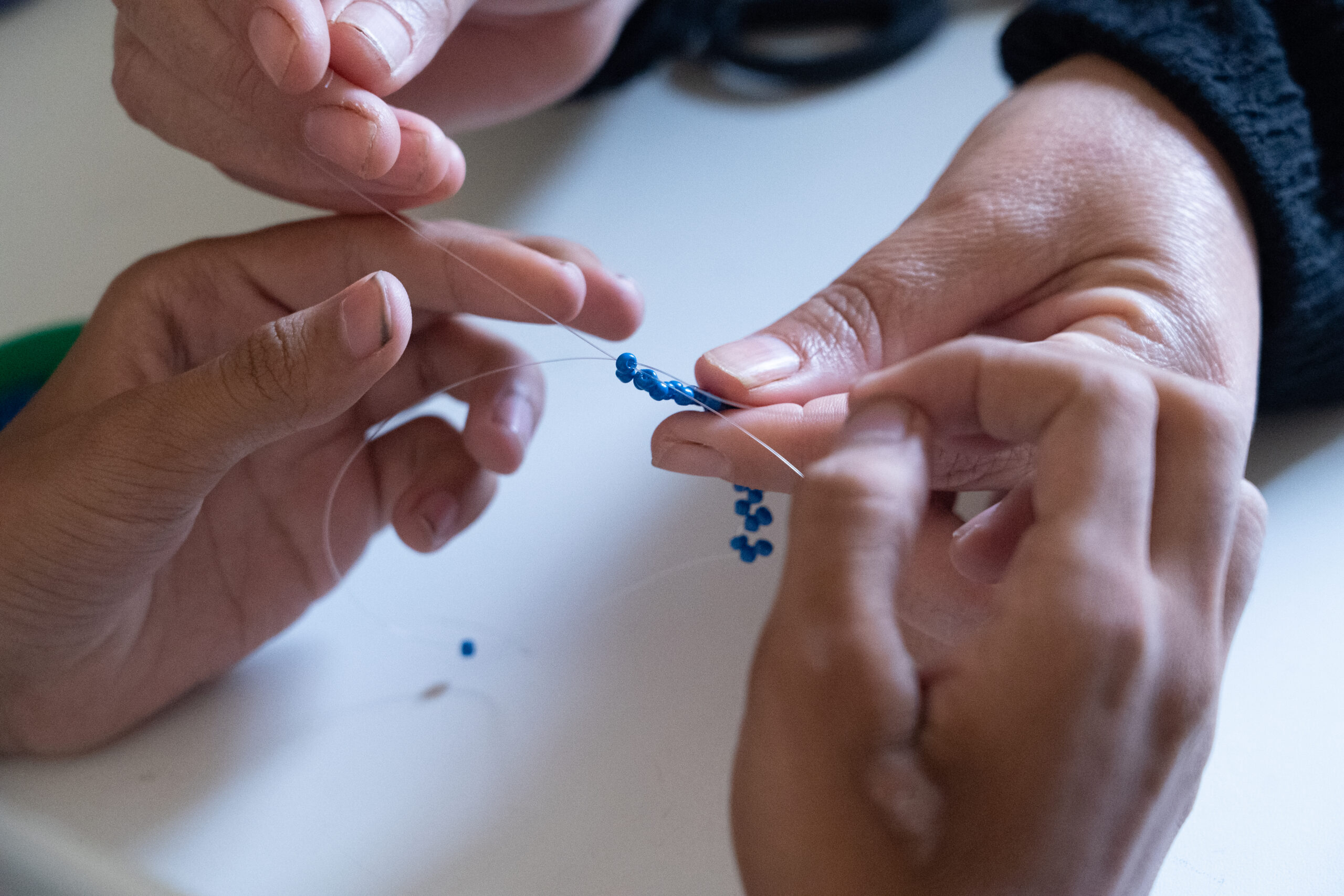
“Will we finally move now?”
“Will we finally move now?” The smile on Rania’s face was unmistakable. A combination of elation, joy, and anticipation was reflected in her expression as she entered the room and,
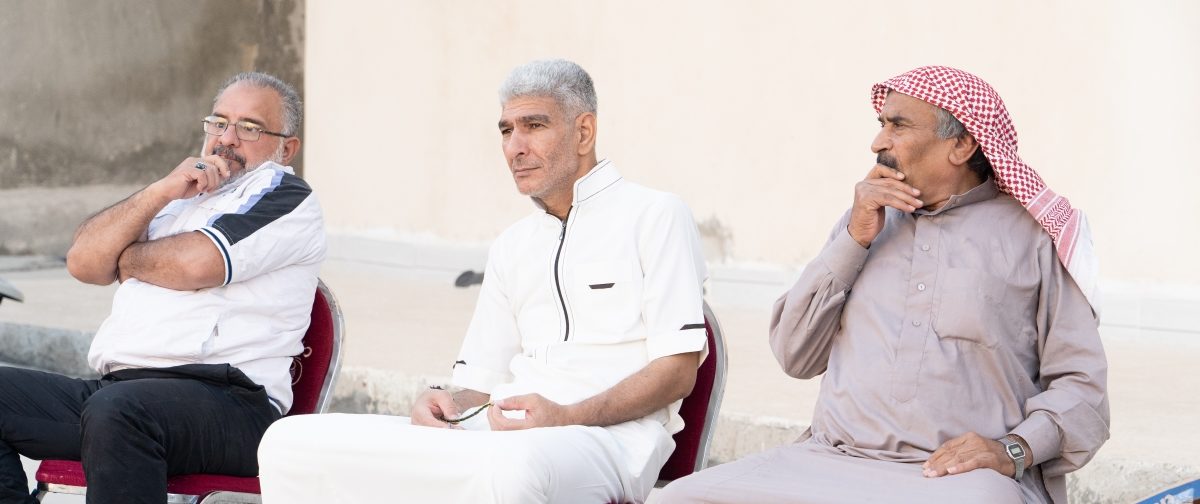
A Flower and a Dinar
Ahmed holds dear the opportunity he has to illustrate to the participants their worth in the eyes of their Creator.
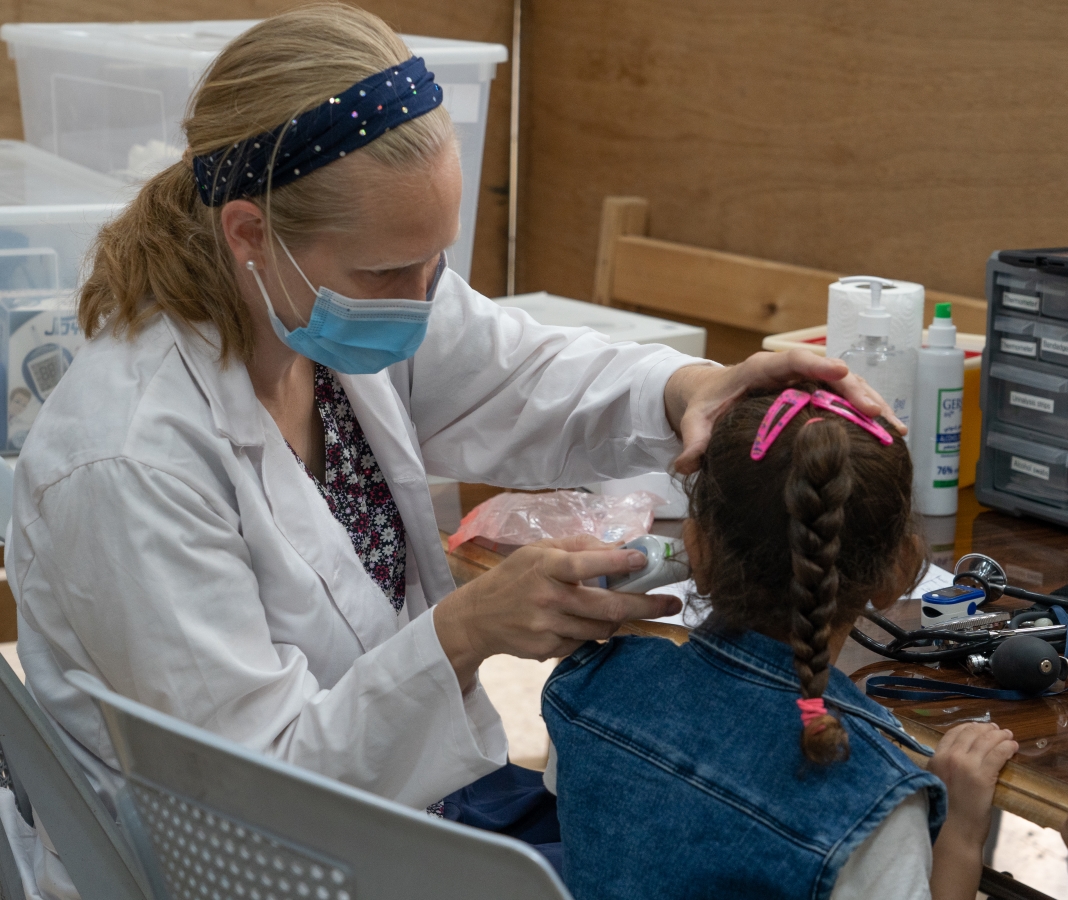
Professional and Interpersonal Development
“The people here stood with me,” says Om Waleed*, recounting her young daughter’s need for surgery. “Even though my family is all the way in Syria,
A Savings Group Success Story
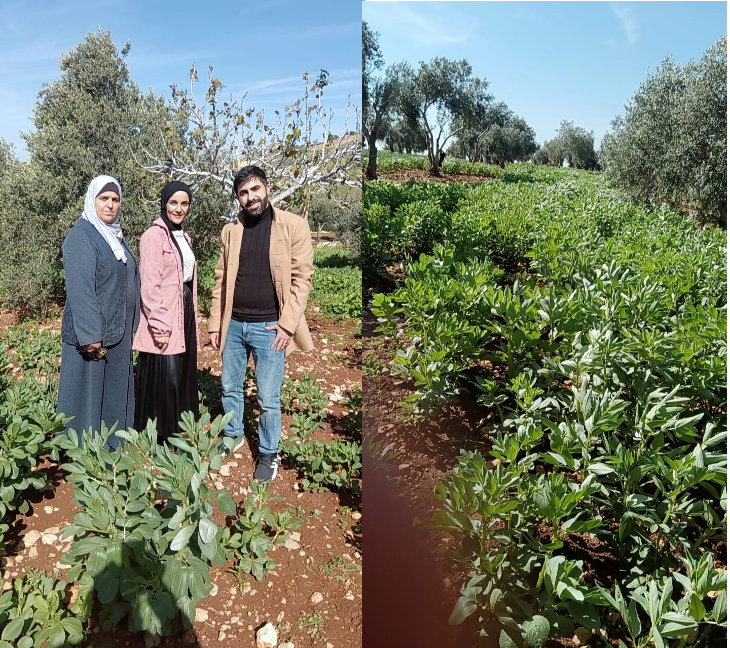
My name is Ghada, and I am a member of the Artery of Hope Savings Group.
Today, I would like to share a success story—an idea that started with the savings group and grew into a project to cultivate more than 60 dunams of land.
Surgery For Sarah
The kidney surgery was life saving for Sarah! She is now an active and smiley 1 year old, adored by her older siblings.
Farming in the Jordan Valley
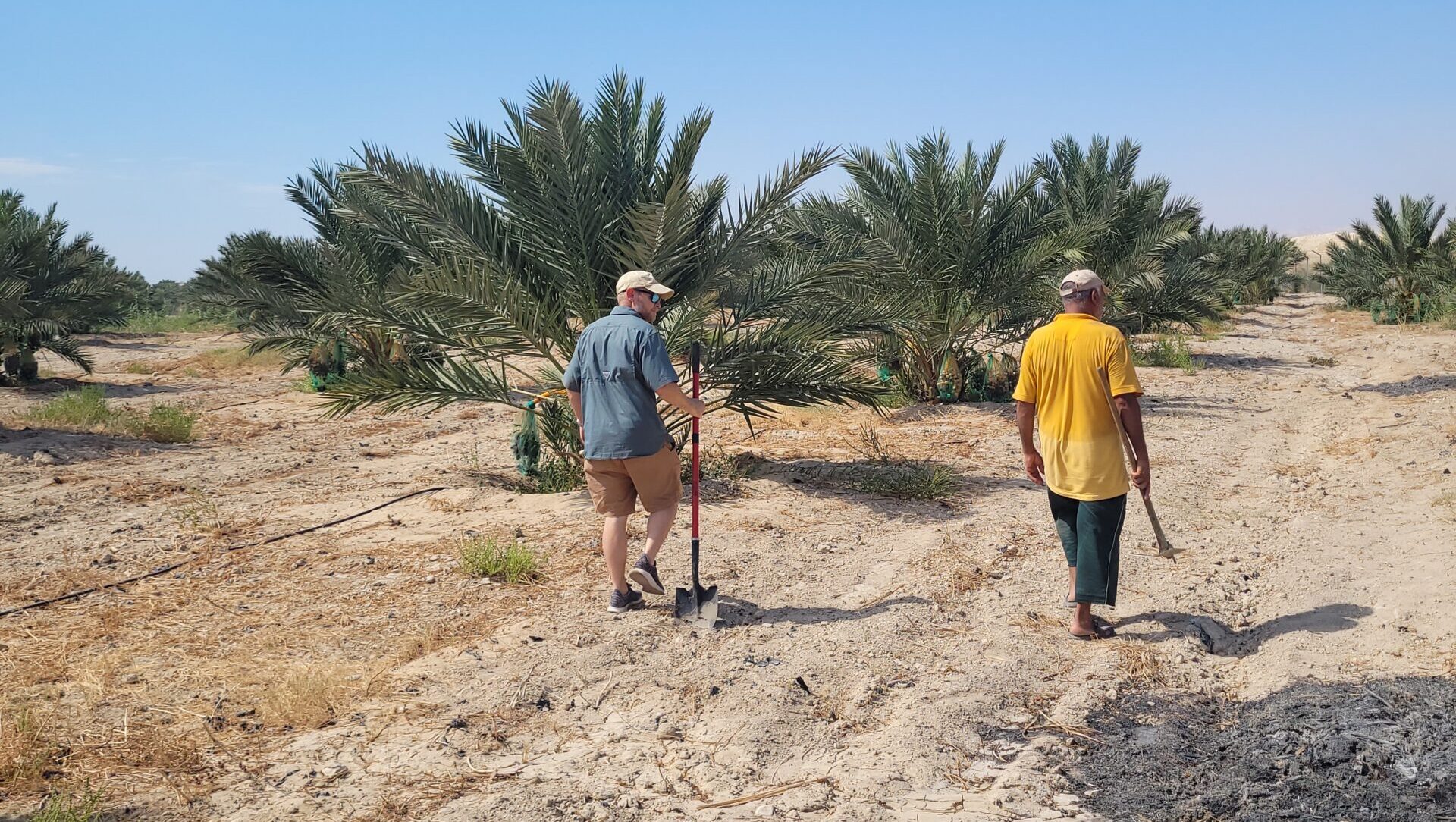
The biggest challenges facing agriculture today are climate change, soil degradation or excessive salinity in the soil, water scarcity, pests and diseases, and the need to ensure food security for a growing population.
A New Keystone Chapter
Two years ago, a man named Muhannad, an Iraqi refugee, joined one of our Keystone men’s groups in Jordan. We visited him at home several times and came to know his family,
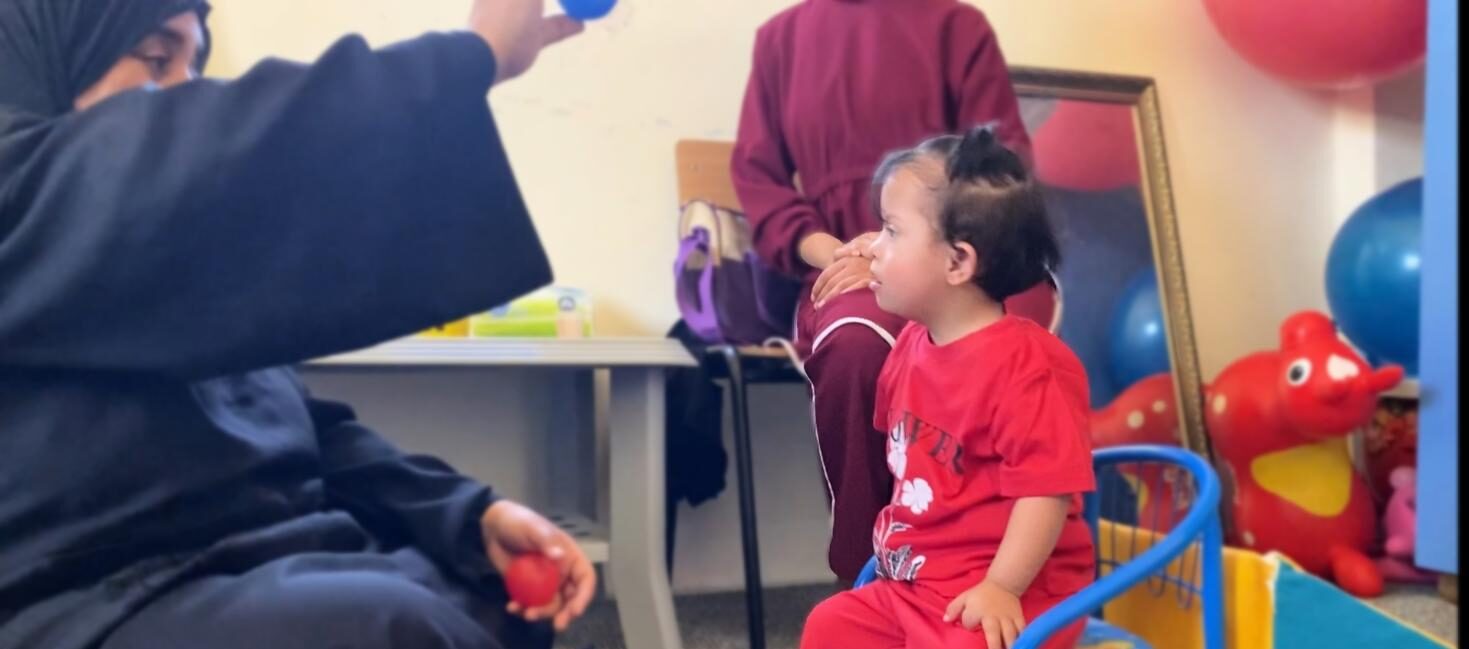
Each Child is Valuable
“I’ve learnt from you that each child is created by God and valuable, and I want to do my best to love and raise her like you would” she said
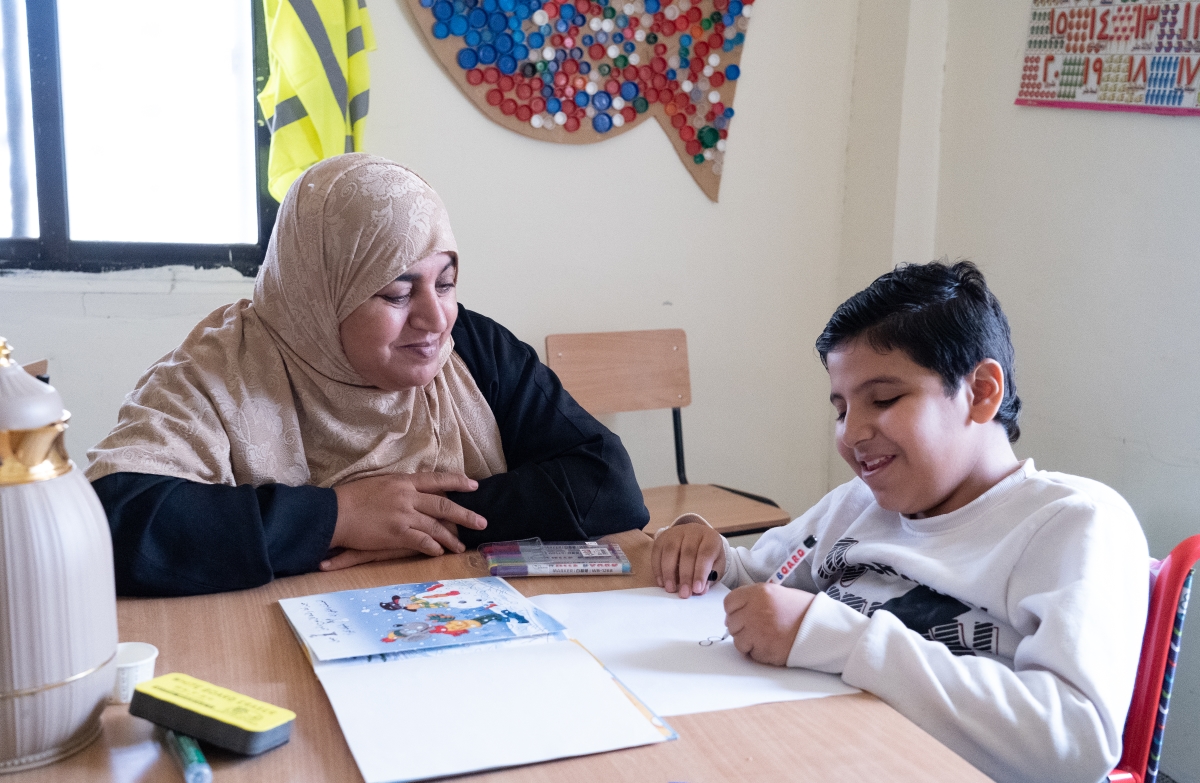
New Horizons
The view of the horizon from the CBR window is changing. As new life sprouts up and lurches forward around the CBR Center and throughout the villages,
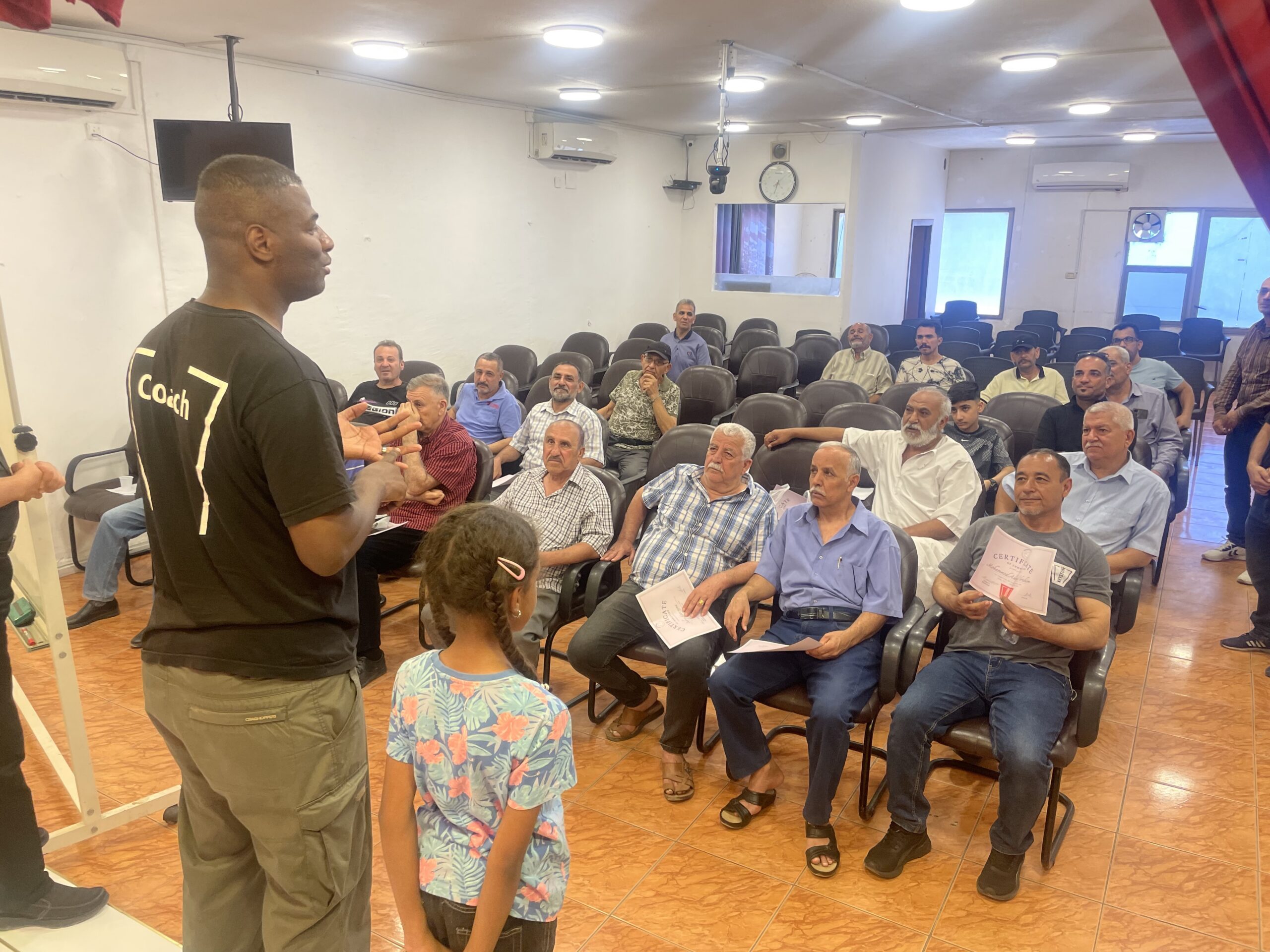
Contributing to the Community
Many unemployed men end up spending a lot of time at home doing nothing. Feeling isolated, they often have too much coffee and tobacco, too little exercise,
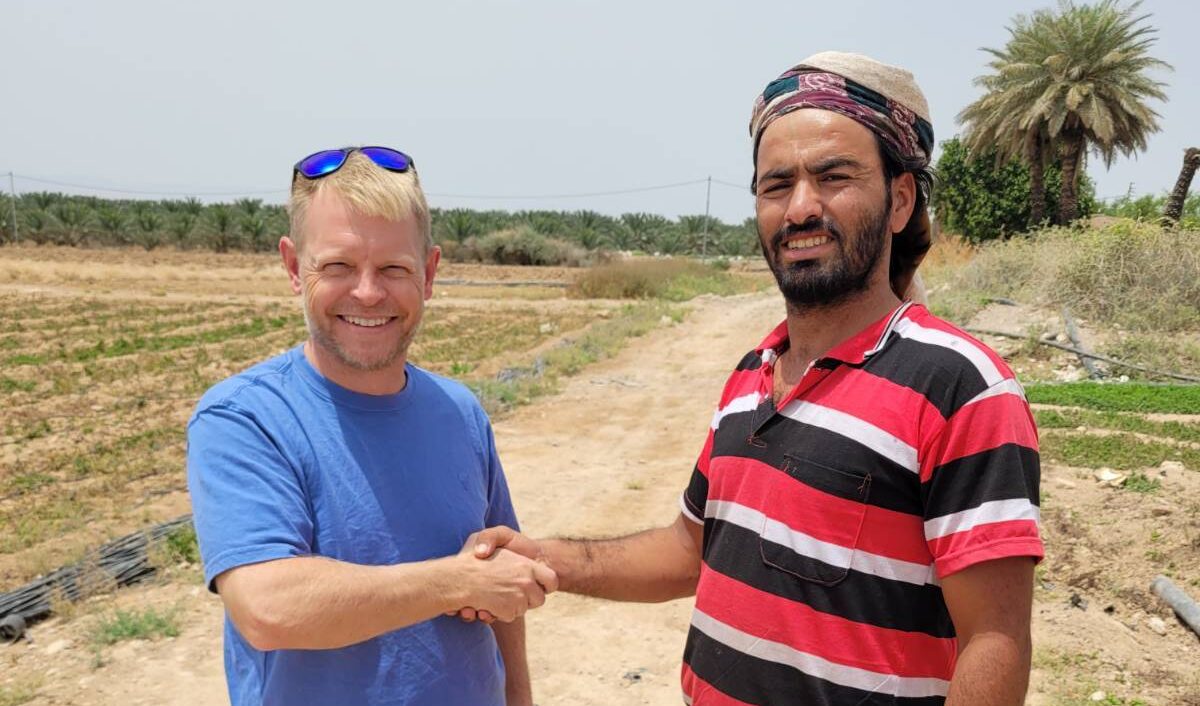
Visits to Farms
Our Agricultural Cooperation for Development (AC4D) project in Jordan is working within communities to support farmers with immediately adoptable and cost-effective technologies to aid in to management of the most pressing issues in smallholder agriculture in the Middle East.
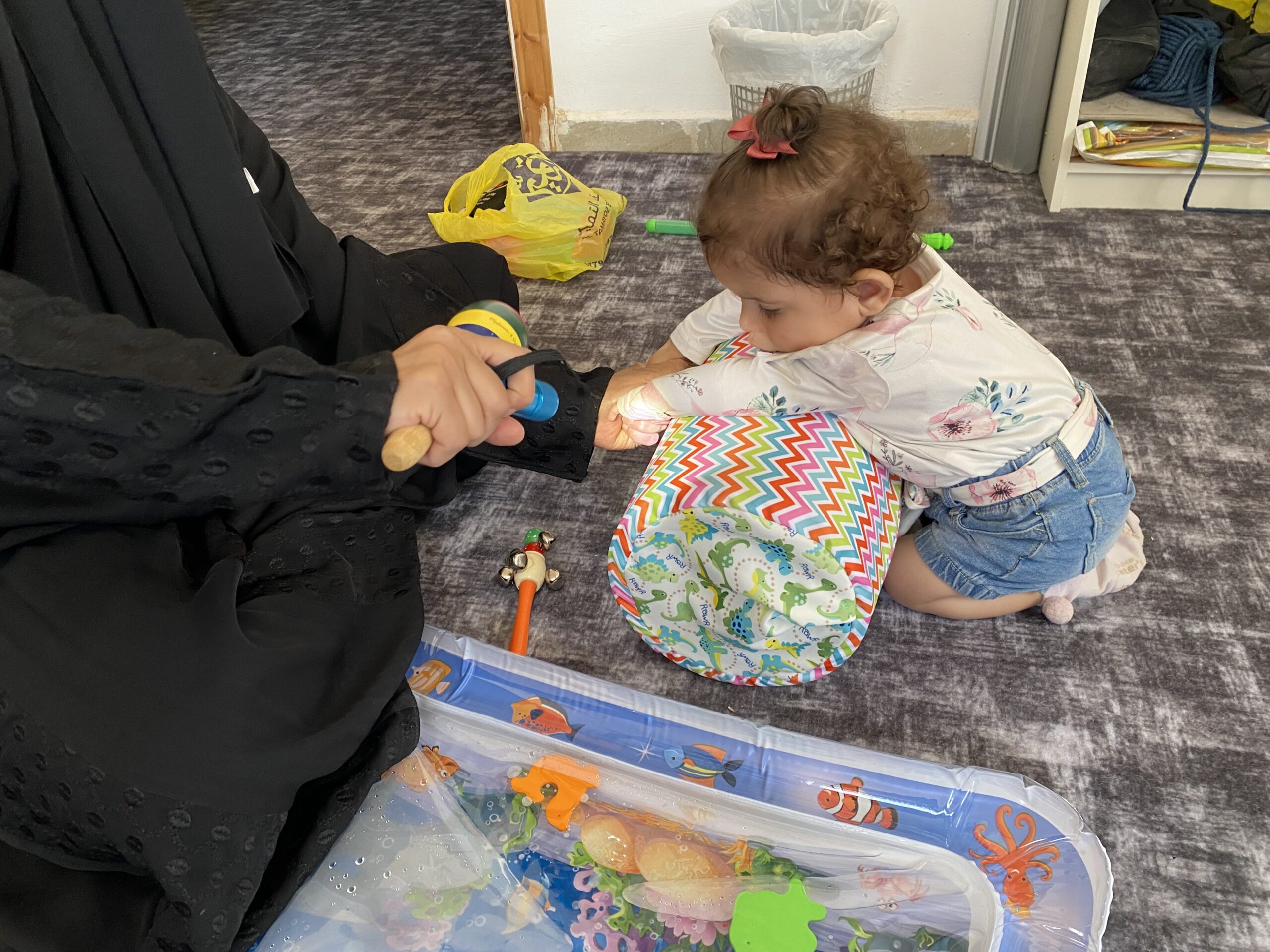
Small Journeys
“Will my daughter ever stand?”
“Will my son learn to talk?”
“Will he be able to go to school?”
“Will others notice that she is different?”
These are the kinds of questions mothers ask when they discover their child has a disability.
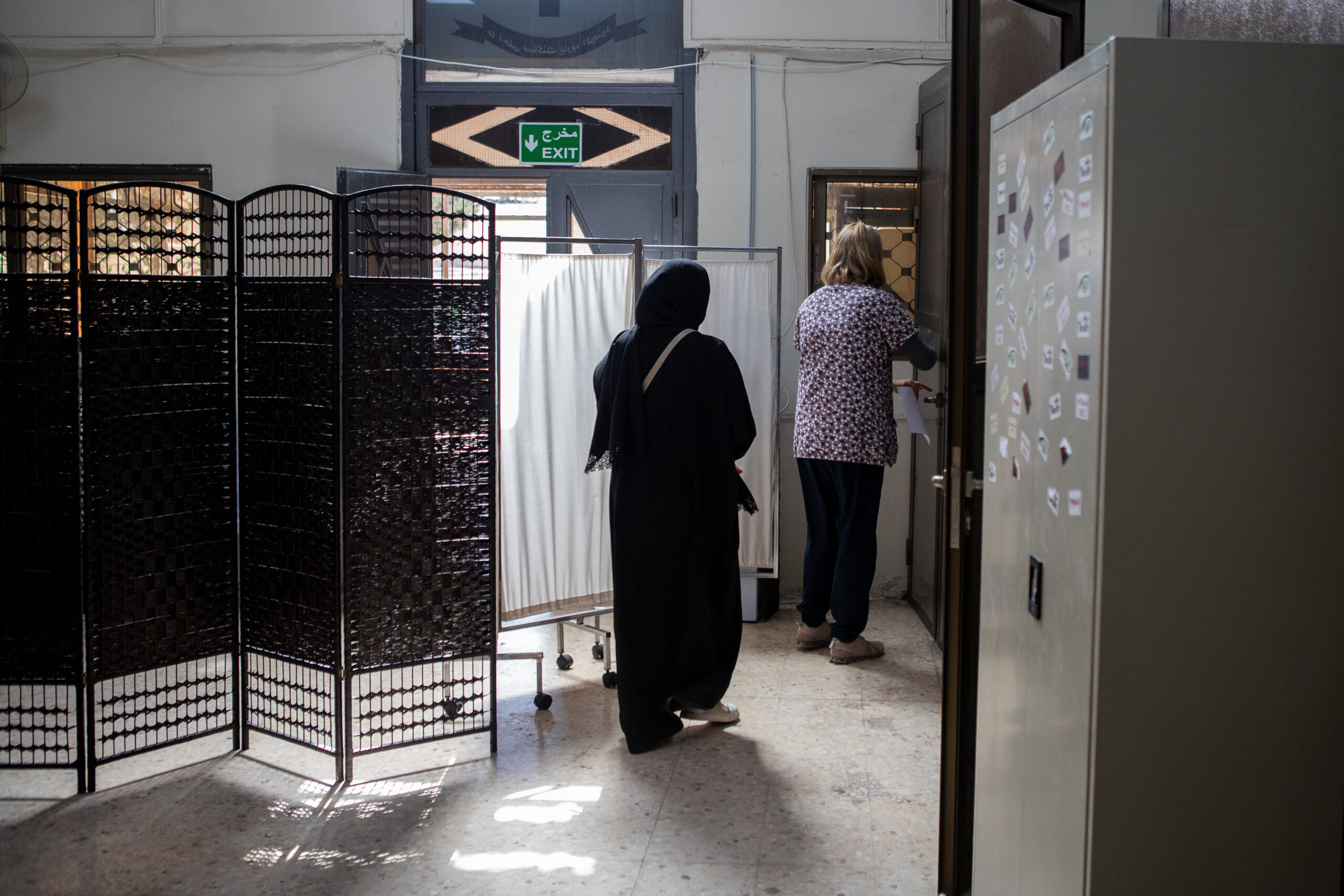
Community Health Advocates’ Training
Izzy was one of seven young women who completed our 6 month CHA pilot program. We selected women who had few opportunities in life. Some hadn’t finished school.
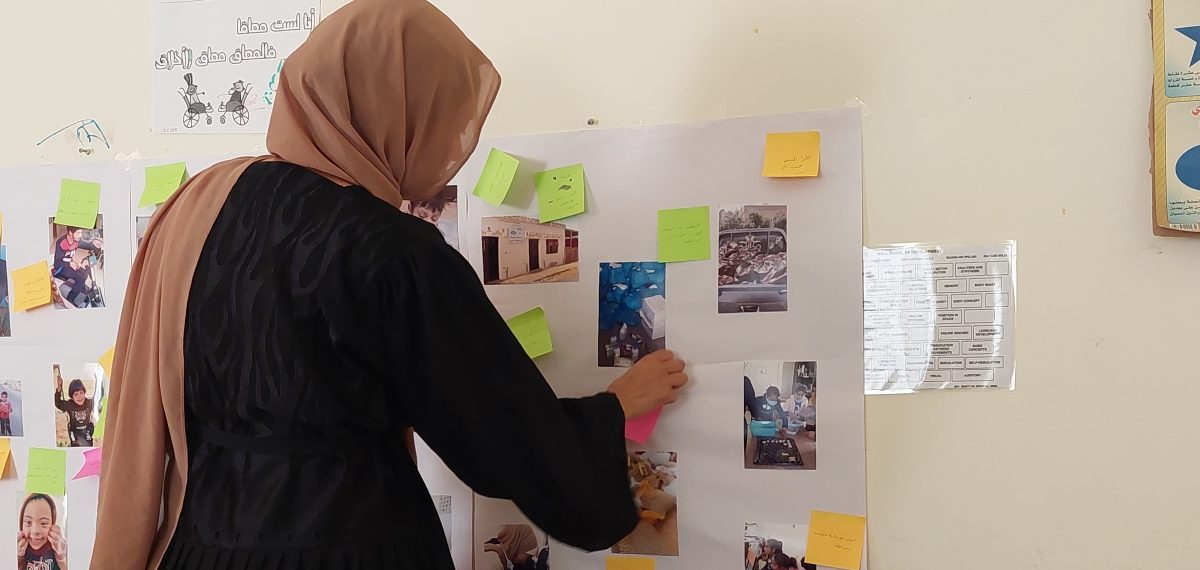
Sing Hello
“Fahid, it is your turn to sing!” Our volunteers encourage and then, with a little bit of prompting, Fahid begins to sing for us.
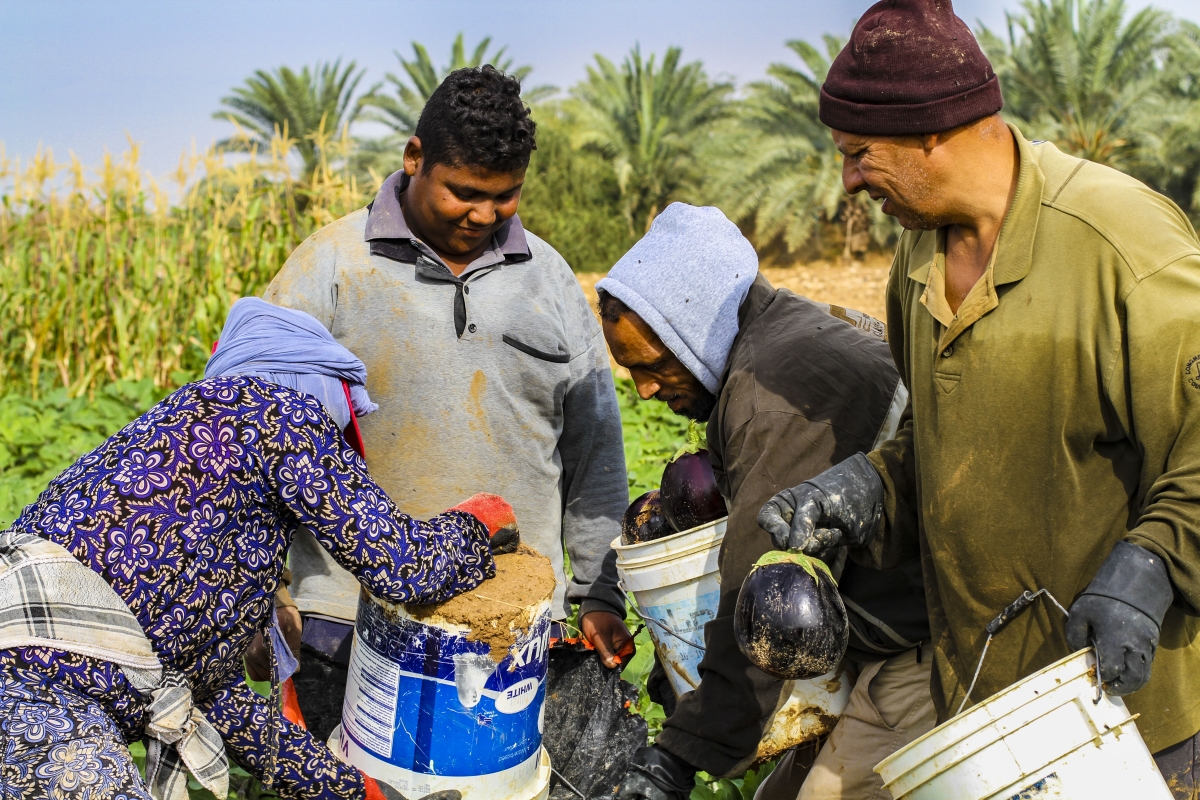
From Desert Diesel Tank to Fertile Market Garden
10 years into the Syrian conflict, people remain resilient for their children’s sake, and they still hope to go home even if they can’t imagine how that will work out.
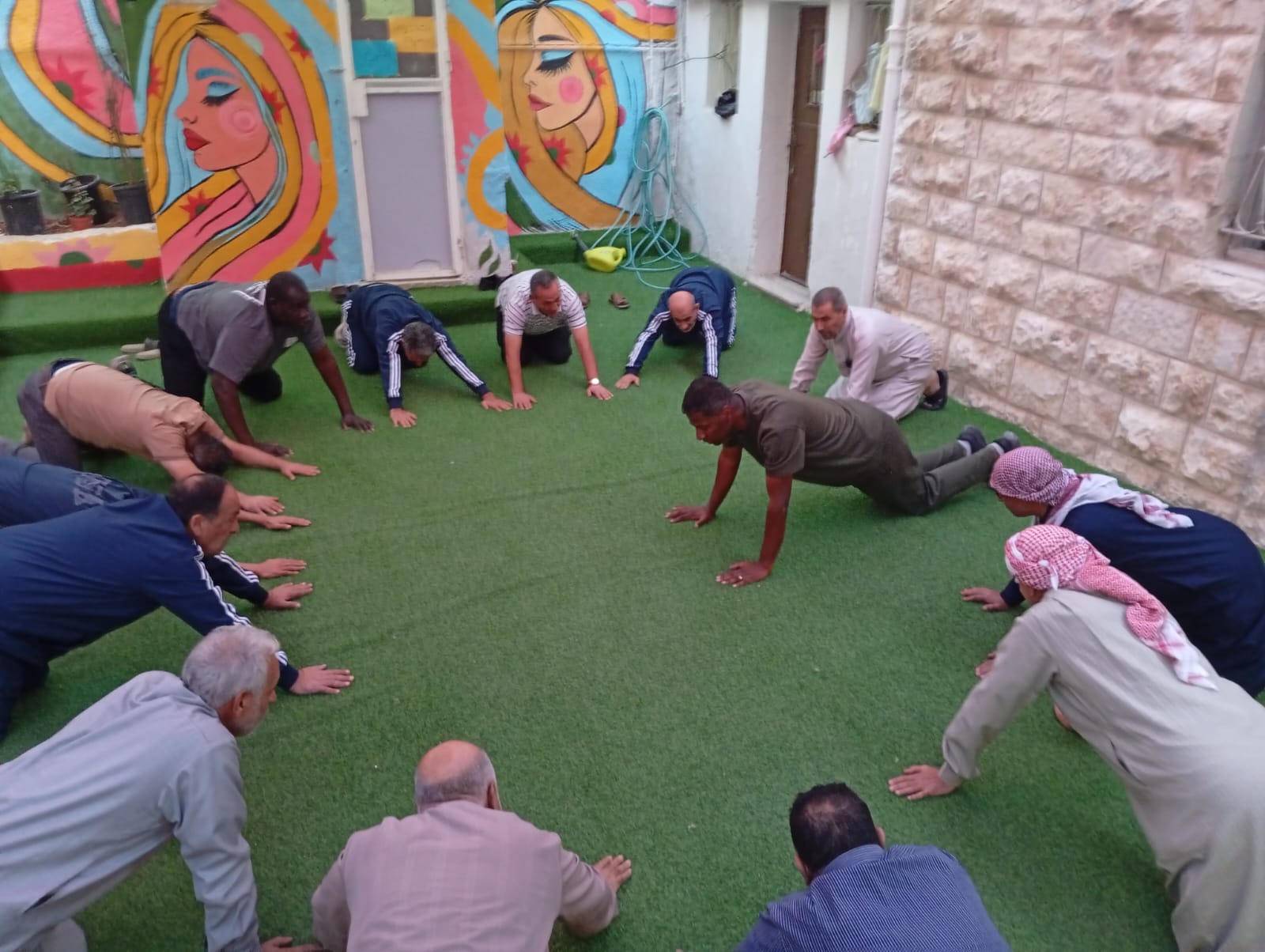
Stronger Men, Stronger Families
The Keystone Project consists of an initial 3-month long project cycle, in which a group of 15-25 male participants meet 2 times per week for 1.5-hour sessions.
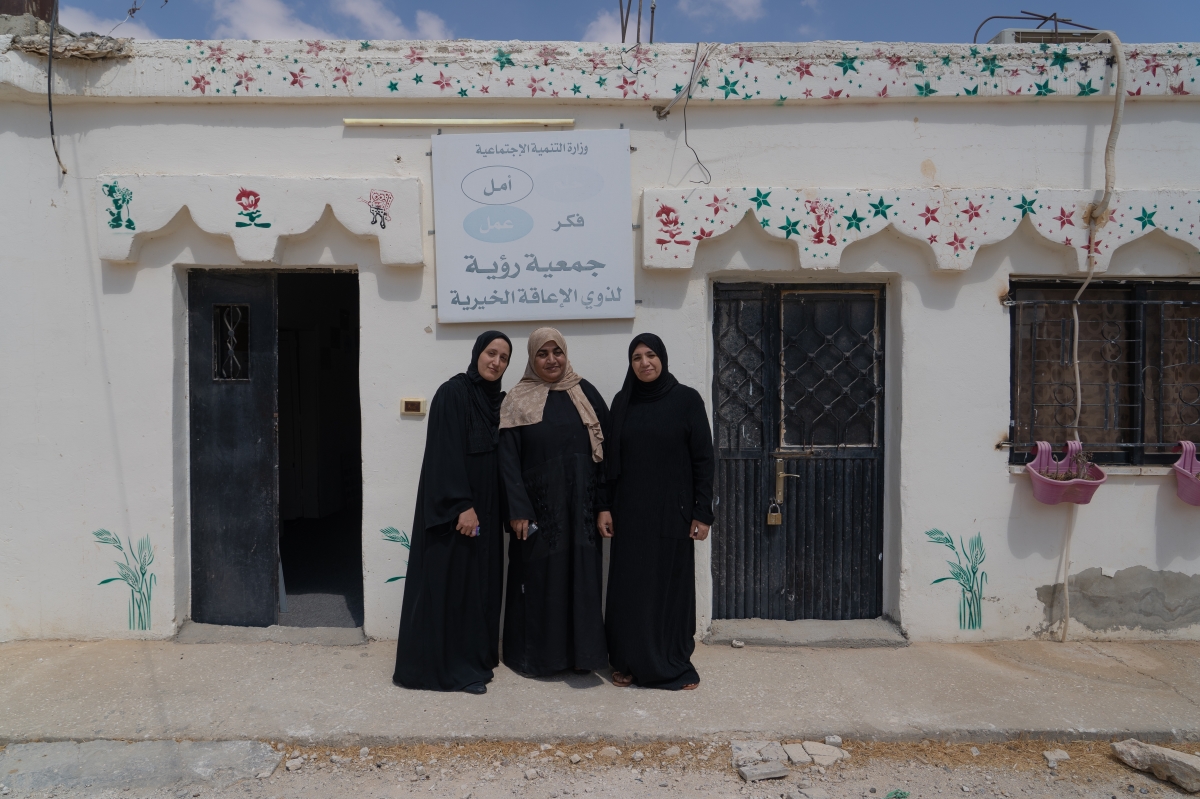
Trading Shame for Acceptance
So these women continue on, persevering on behalf of the children and their community, sharing a love and passion that grows warmer with time and over many more cups of hot tea.
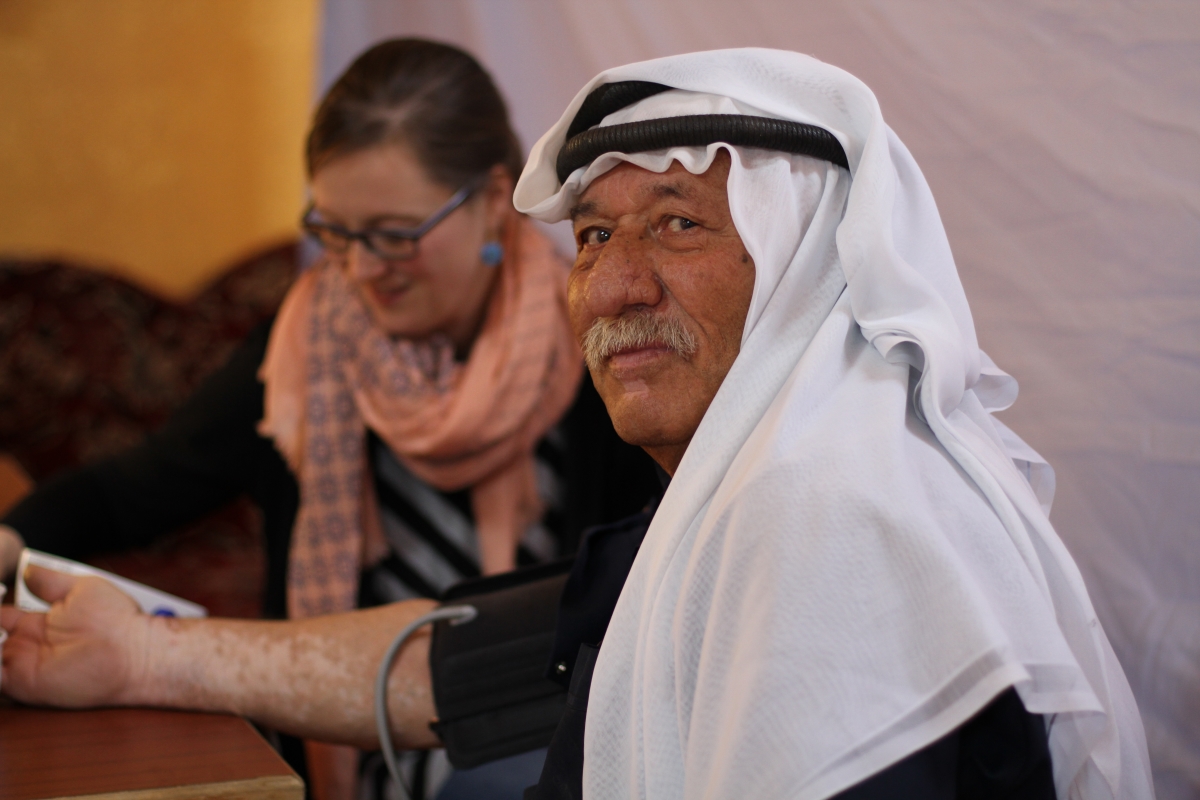
Heart Surgery Saves Grandfather
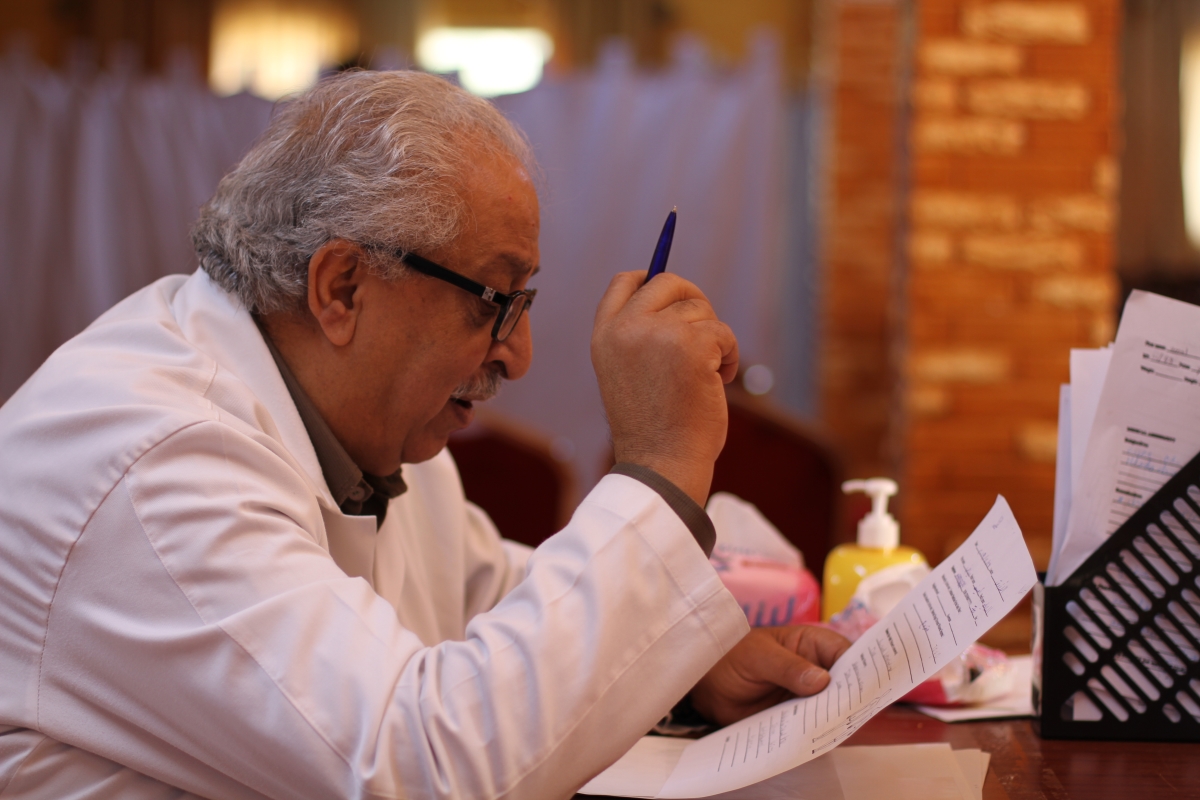
In our Operation Mercy Community Health clinics in Jordan, we screen patients who need diagnostic tests and specialist follow up.
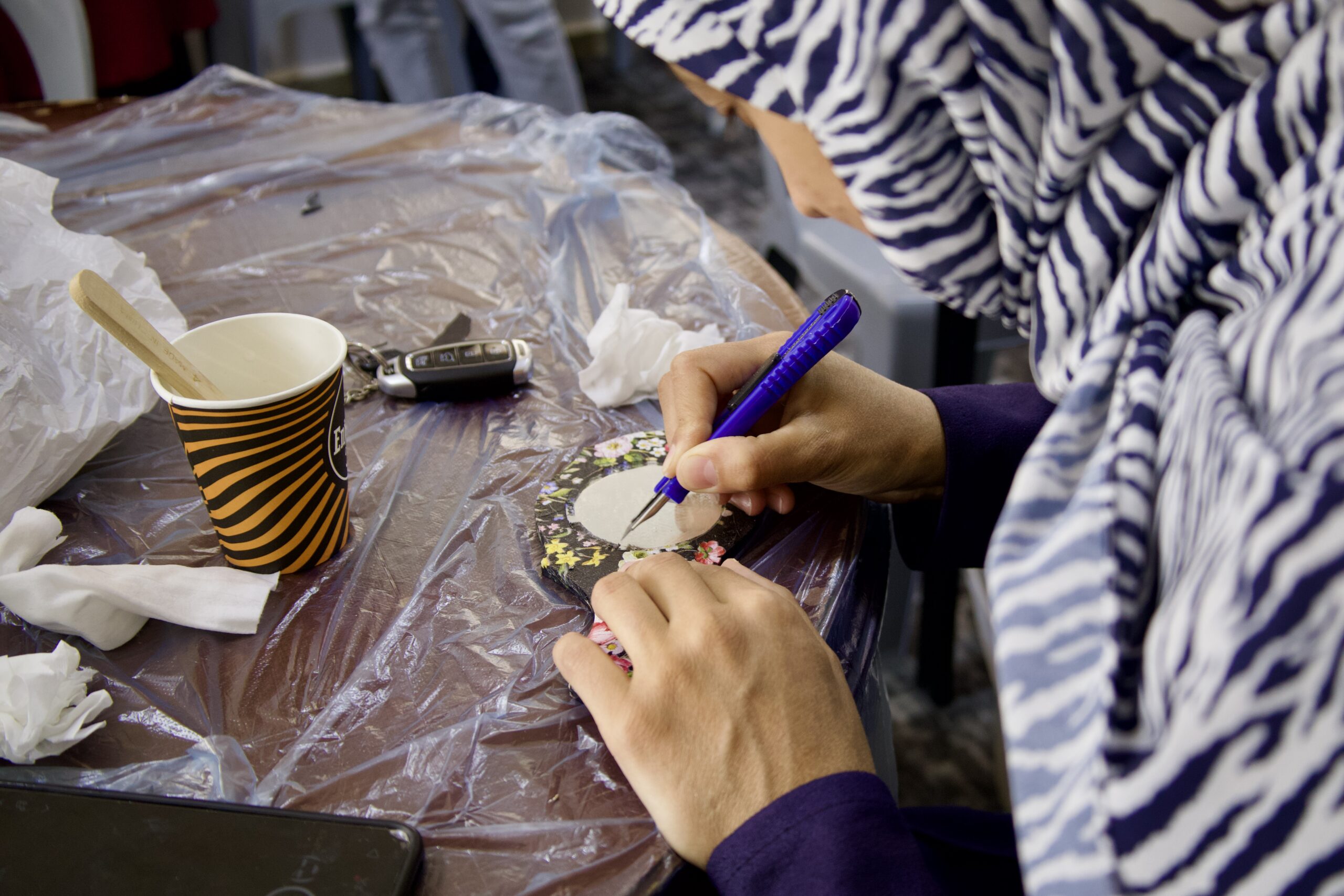
An Event for Mothers
“This is for me?” One of the ladies asked, looking at the beautiful hand-held mirror she just decorated. Her question is perhaps not surprising. For these village women,