
Jordan
“I’ve learnt from you that each child is created by God and valuable, and I want to do my best to love and raise her like you would” she said
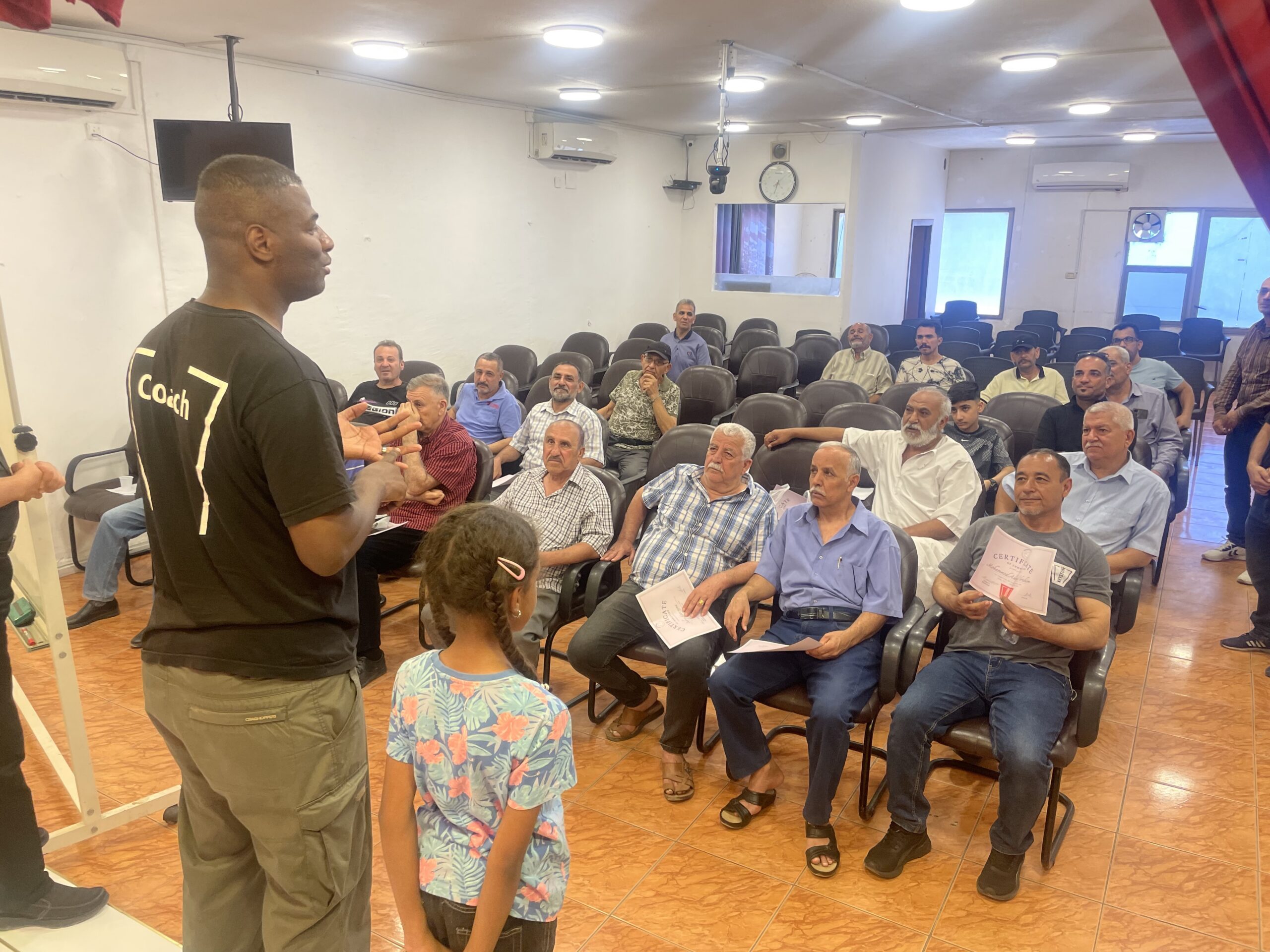
Contributing to the Community
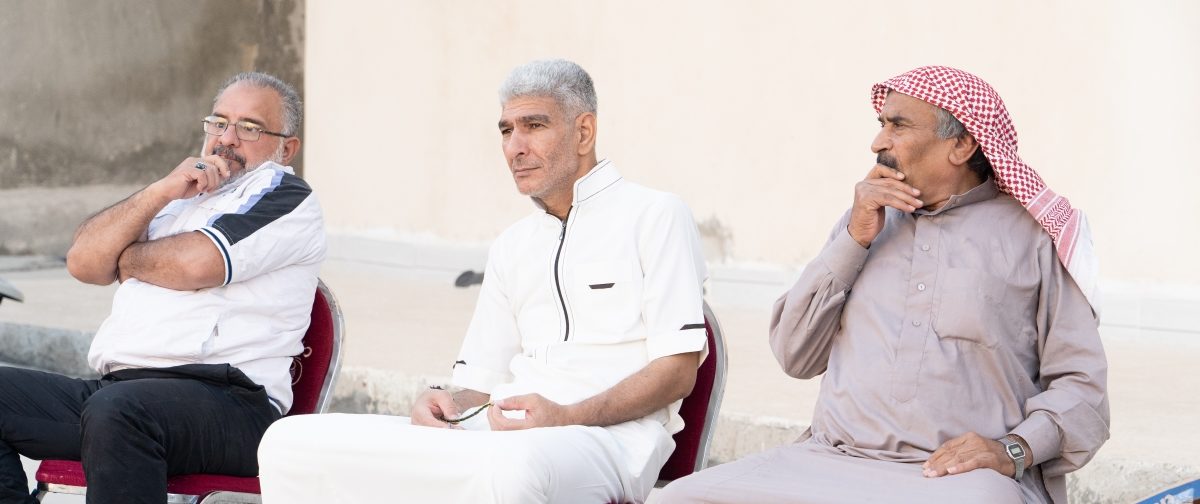
Many unemployed men end up spending a lot of time at home doing nothing. Feeling isolated, they often have too much coffee and tobacco, too little exercise,
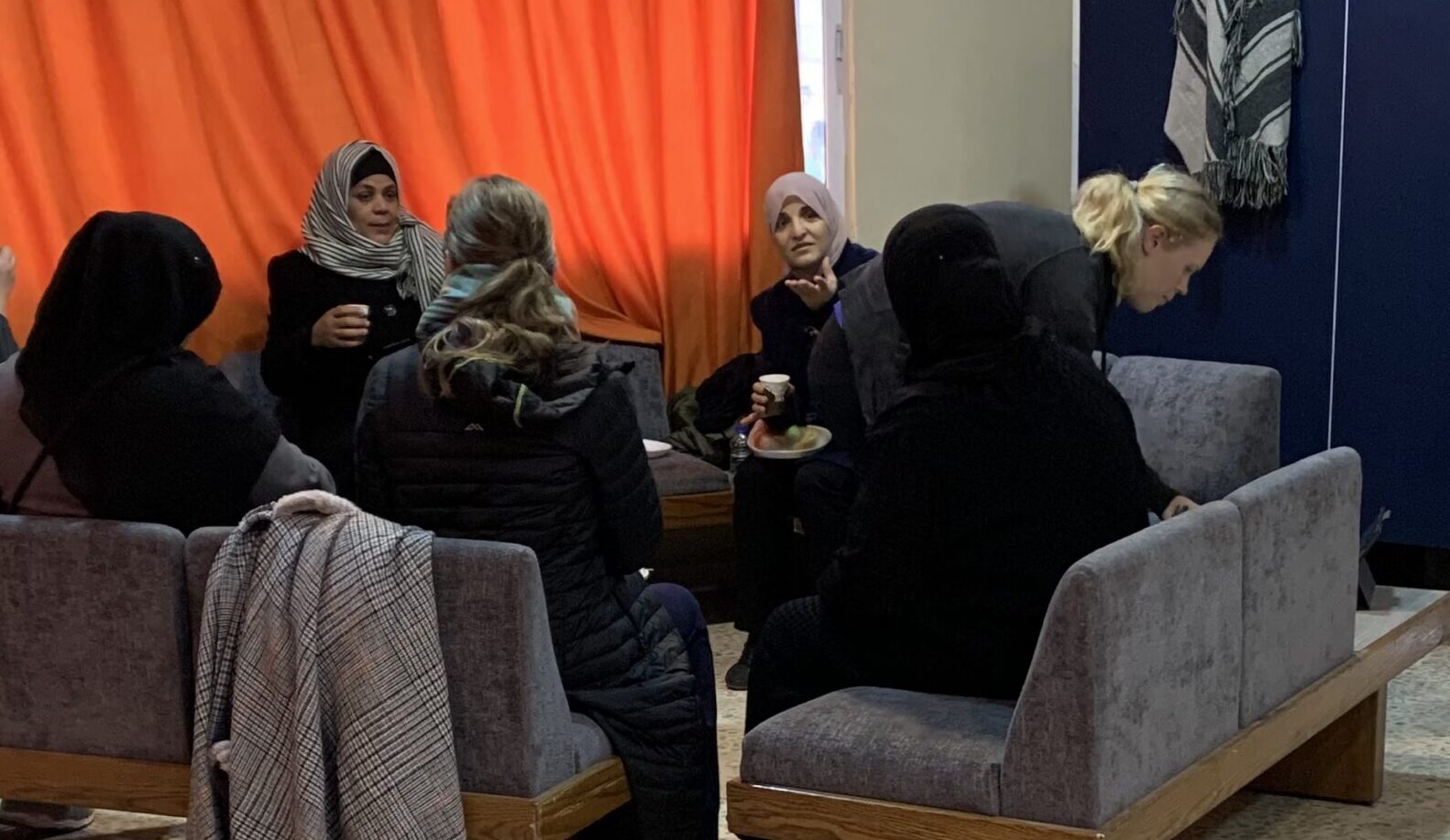
Refugee Health Response
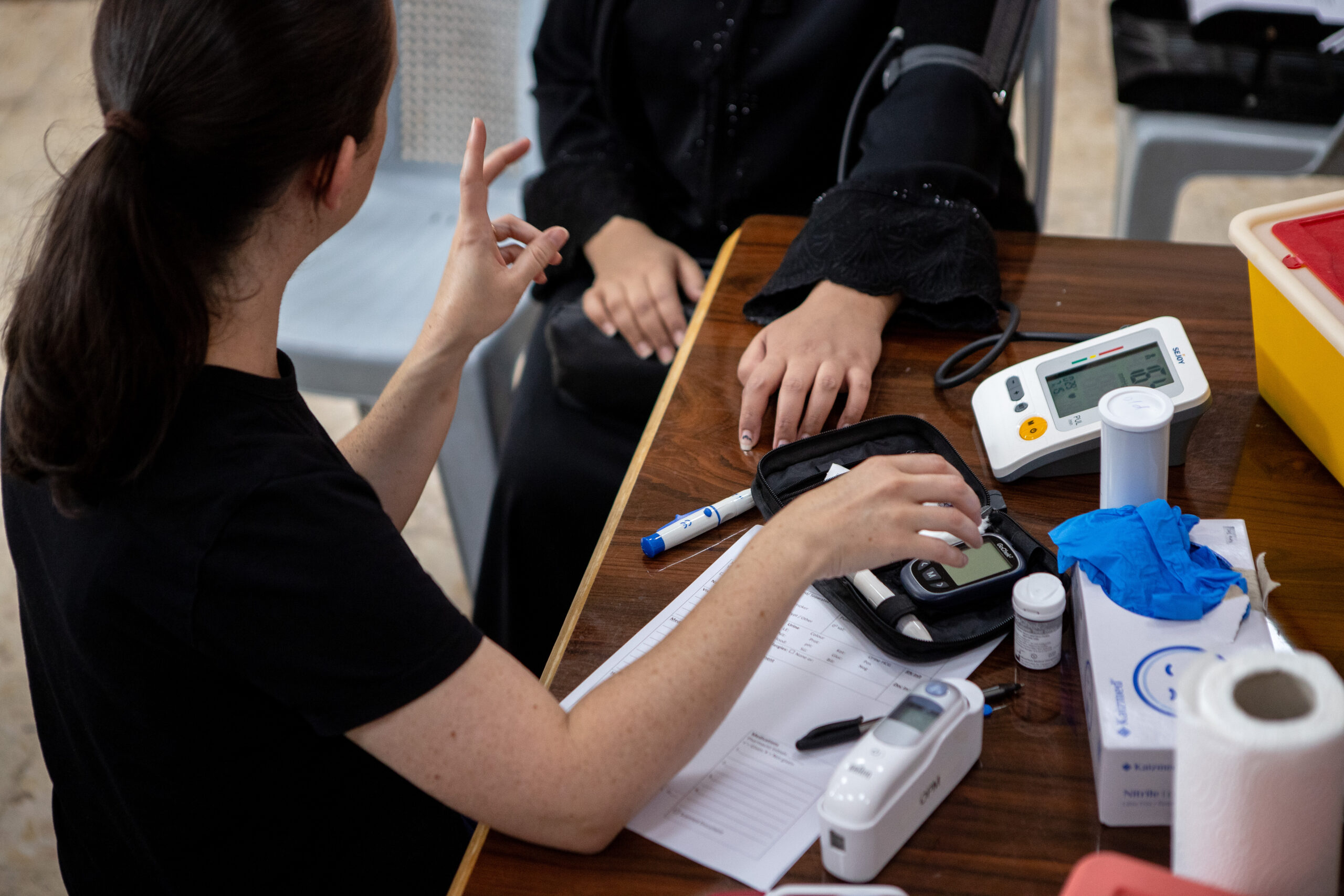
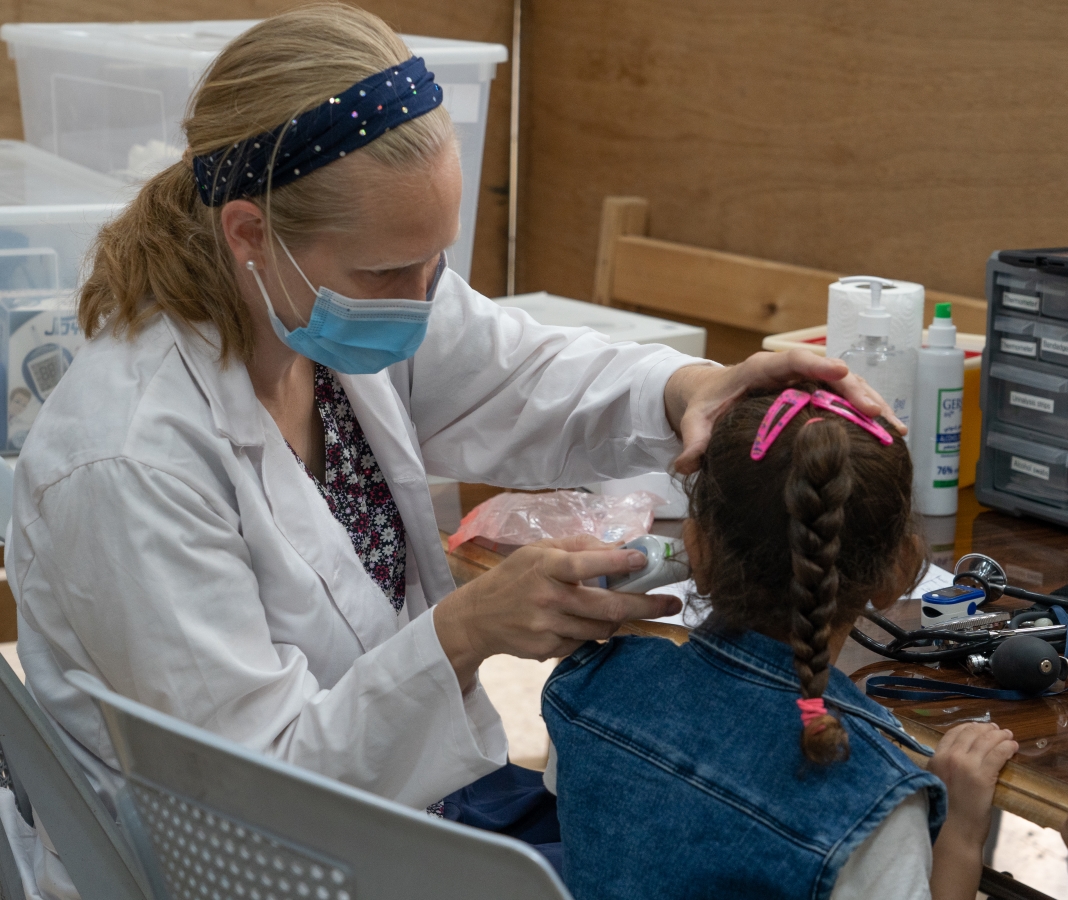
In our Community Health Project in Jordan, we are seeing lives transformed through health screening and education. We work in partnership with local organizations, medical professionals,
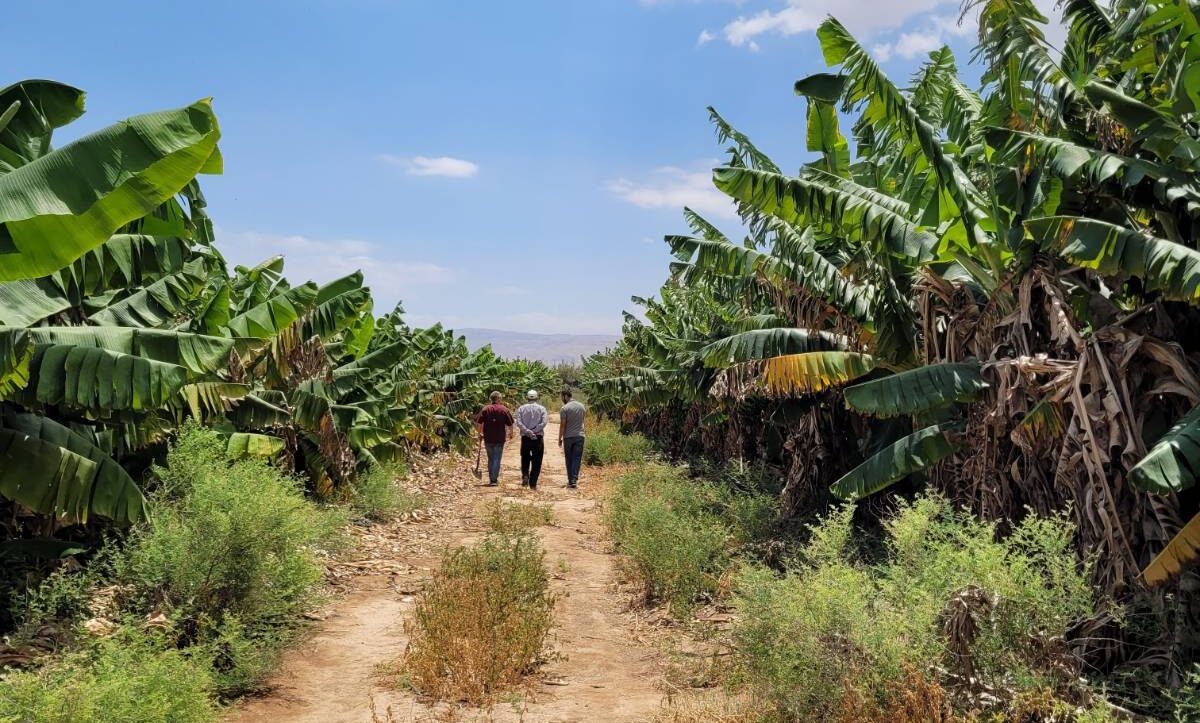
Young Farmers, New Possibilities
Our Agricultural Cooperation for Development (AC4D) project in Jordan, is working within communities to support farmers with cost-effective technologies to aid in the management of the most pressing issues in the smallholder agriculture in the Middle East.
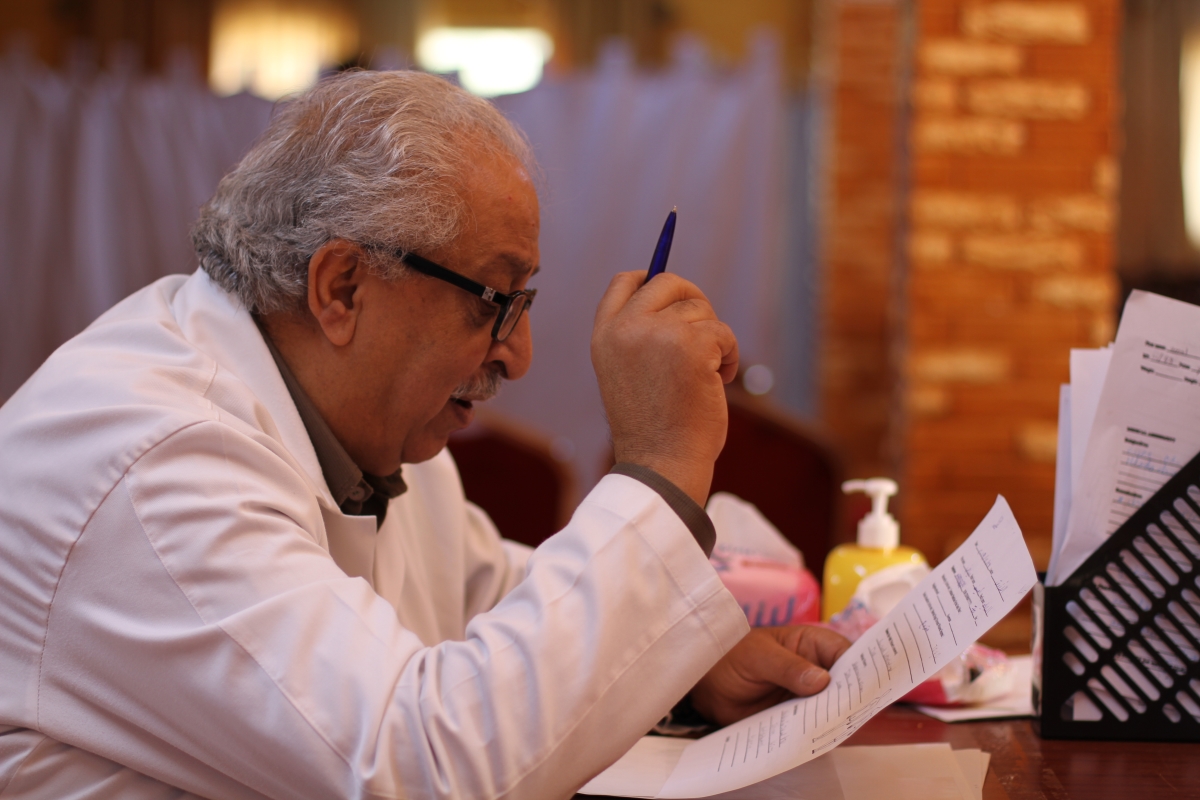
Surgery For Sarah
The kidney surgery was life saving for Sarah! She is now an active and smiley 1 year old, adored by her older siblings.
A Flower and a Dinar
Ahmed holds dear the opportunity he has to illustrate to the participants their worth in the eyes of their Creator.
Each Child is Valuable
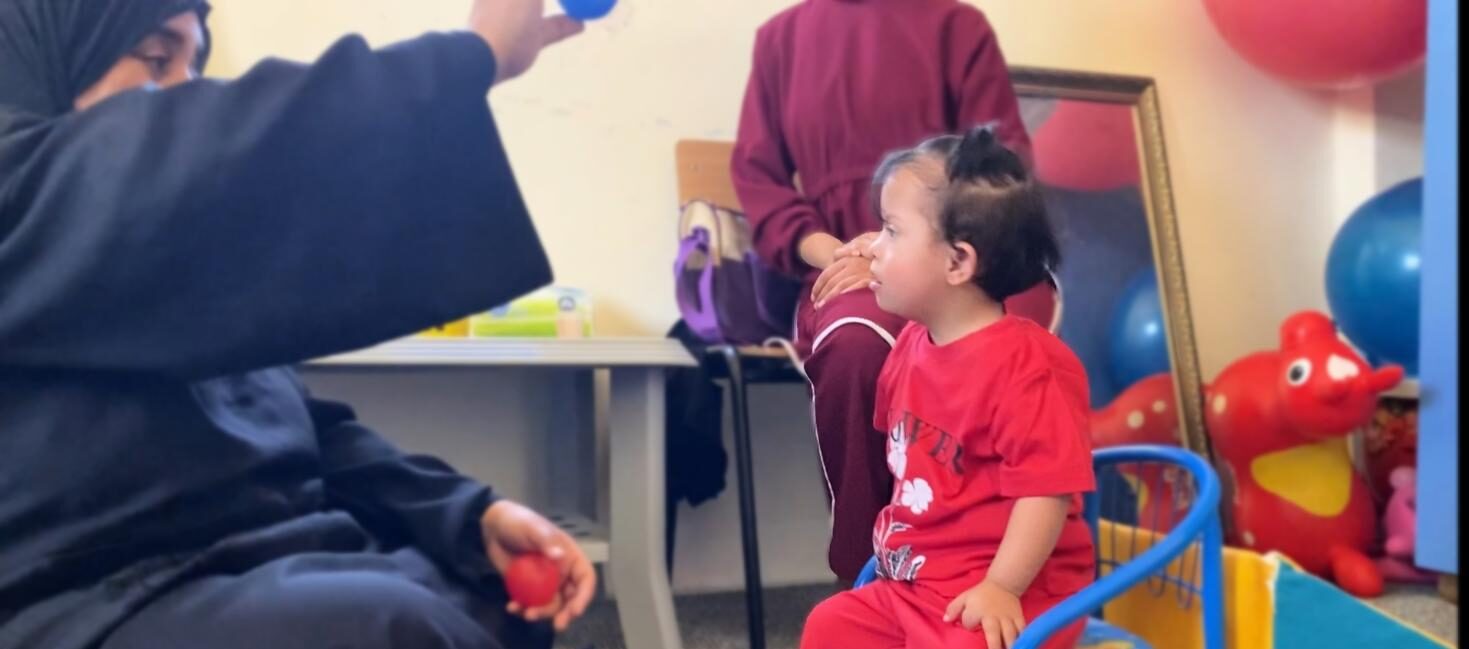
“I’ve learnt from you that each child is created by God and valuable, and I want to do my best to love and raise her like you would” she said
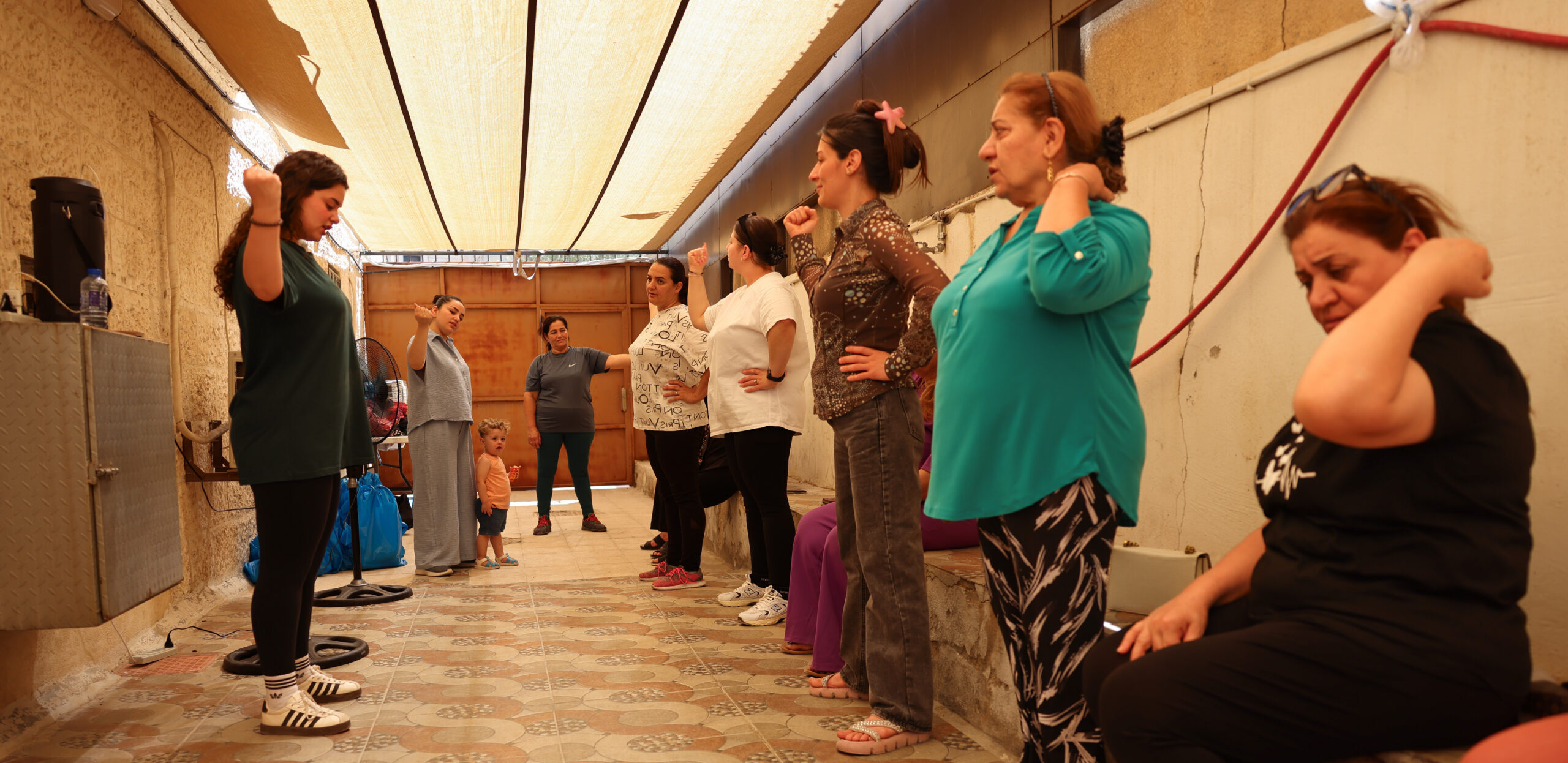
An Exercise Programme For Women
At the end of 2024, we ran a six week exercise program for Jordanian and Syrian women in Zarqa. The women who attended hadn’t had any connection with Operation Mercy in the past.
Innovation in the Jordan Valley
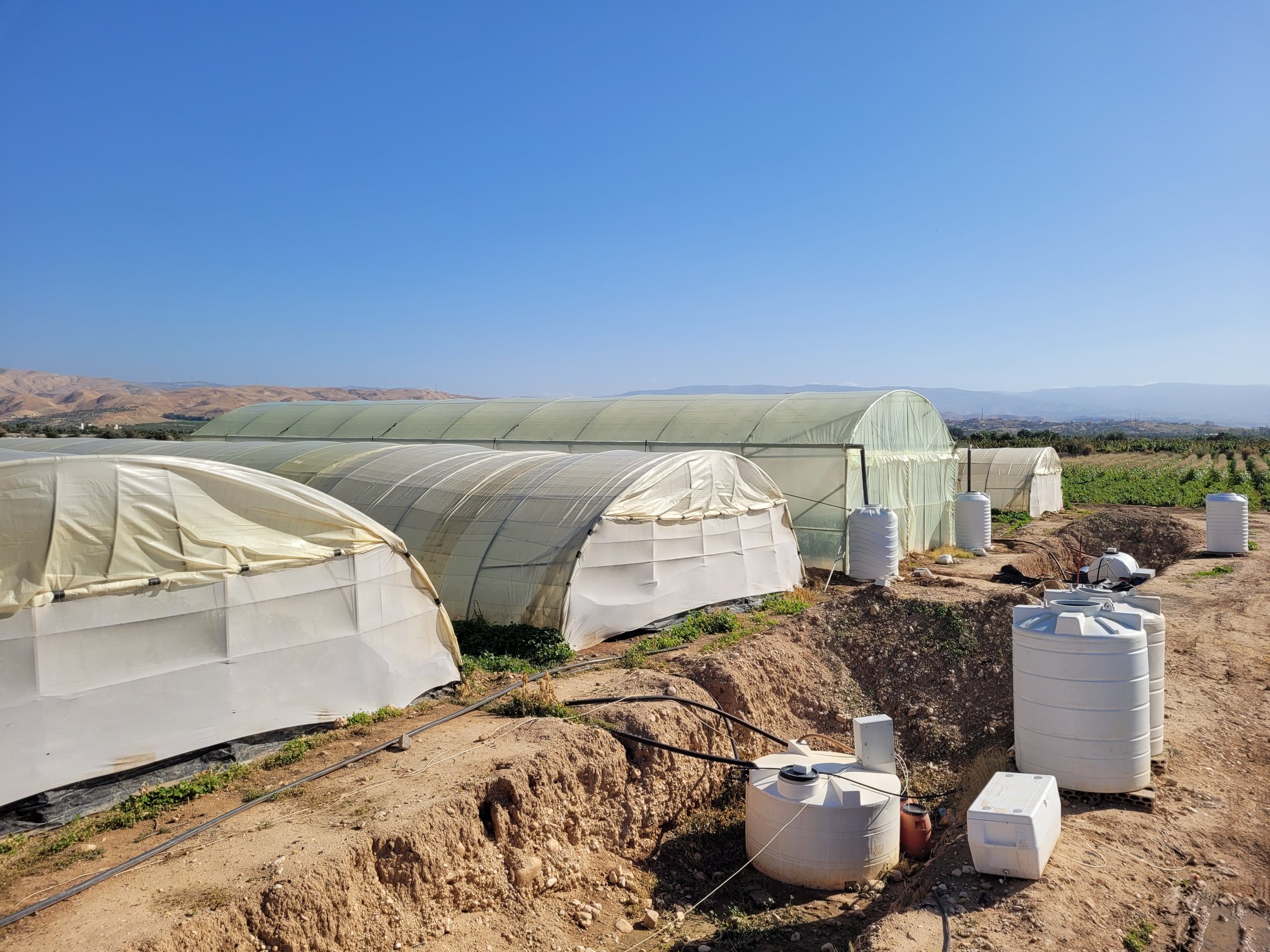
Through our Agricultural Cooperation for Development (AC4D) project in Jordan, the introduction of a new type of greenhouse to the Jordan Valley is proving effective in yielding more peppers per unit of water and producing food significantly faster than traditional greenhouses.
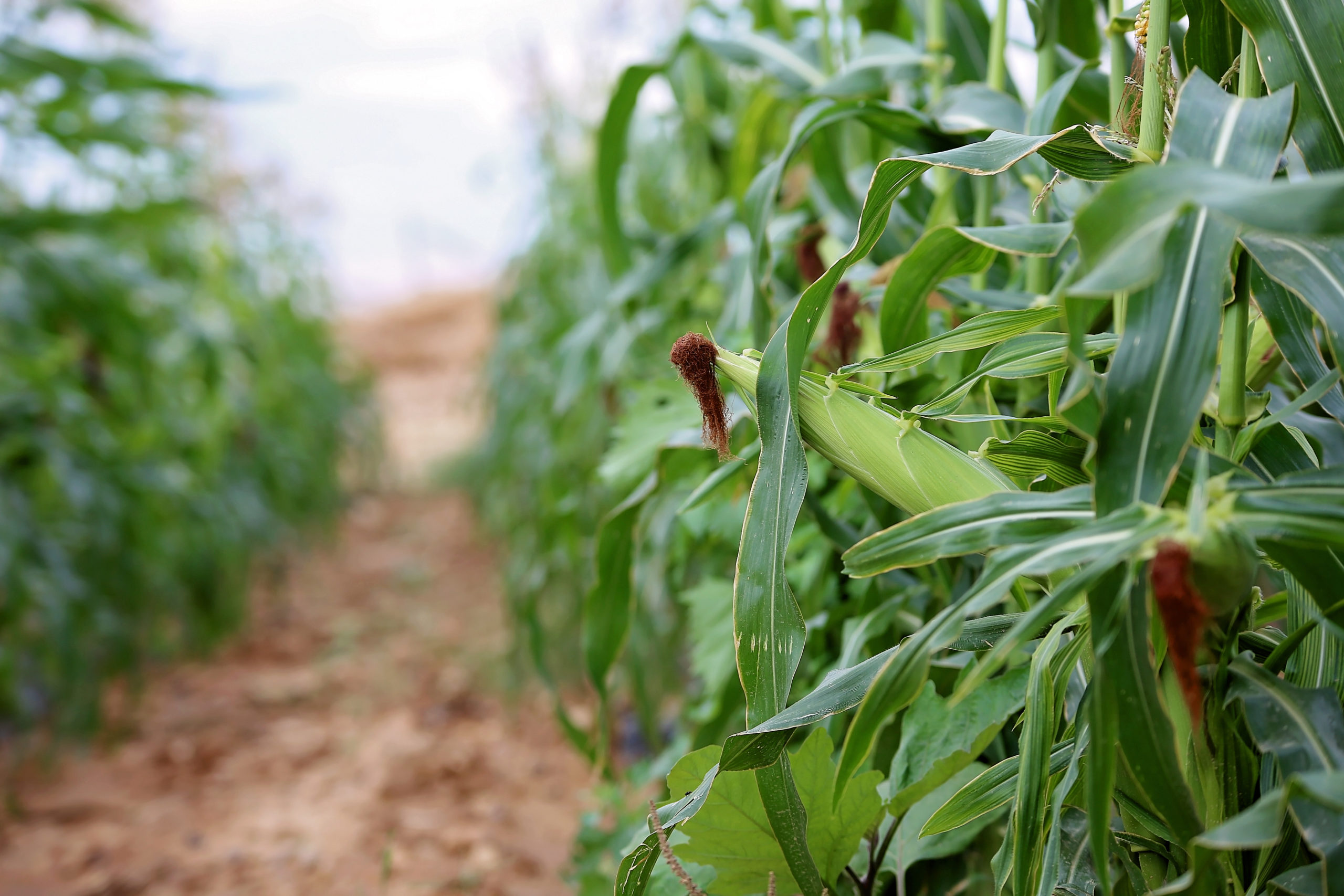
Incorporating Technology with Traditional Farming Practices
A new generation of younger farmers, having access to the internet, are considering how to incorporate technology with traditional farming practices.
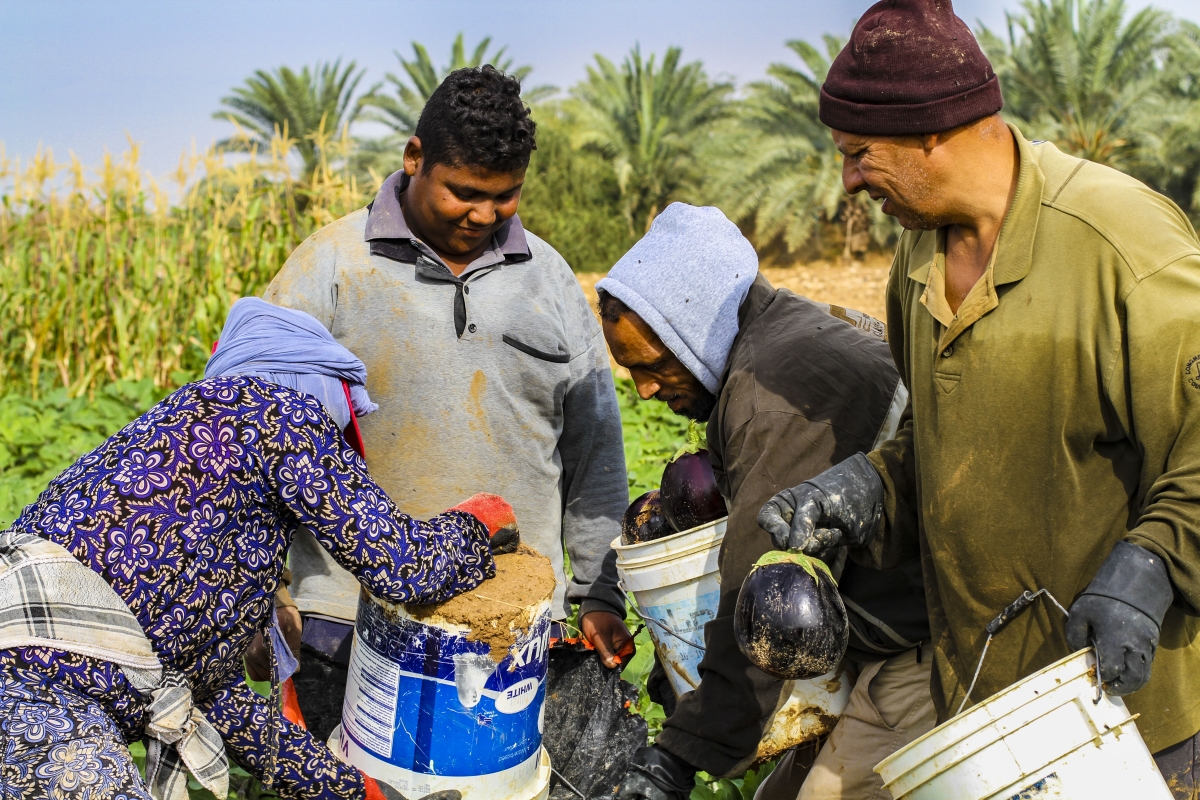
From Desert Diesel Tank to Fertile Market Garden
10 years into the Syrian conflict, people remain resilient for their children’s sake, and they still hope to go home even if they can’t imagine how that will work out.
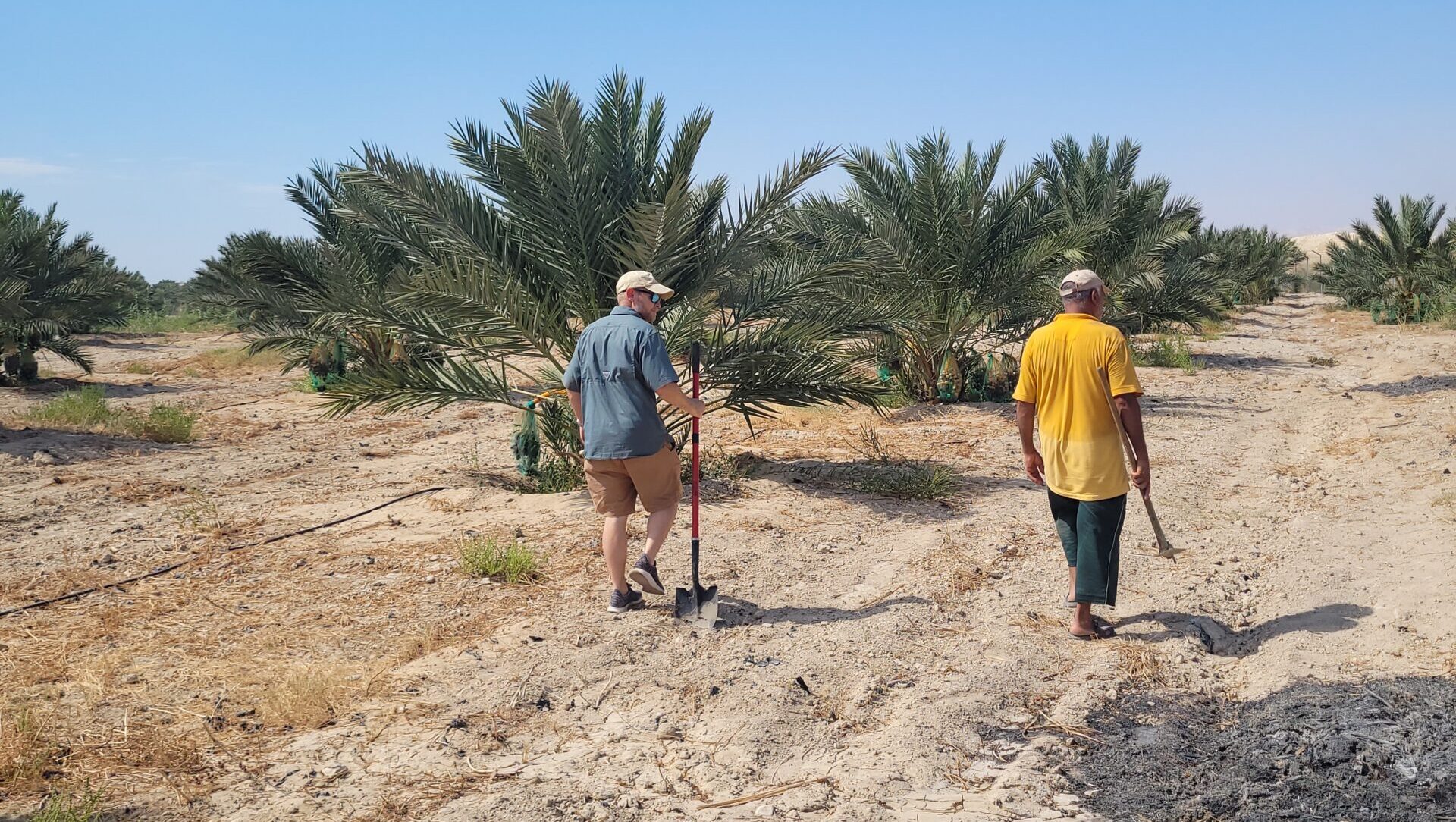
Farming in the Jordan Valley
The biggest challenges facing agriculture today are climate change, soil degradation or excessive salinity in the soil, water scarcity, pests and diseases, and the need to ensure food security for a growing population.
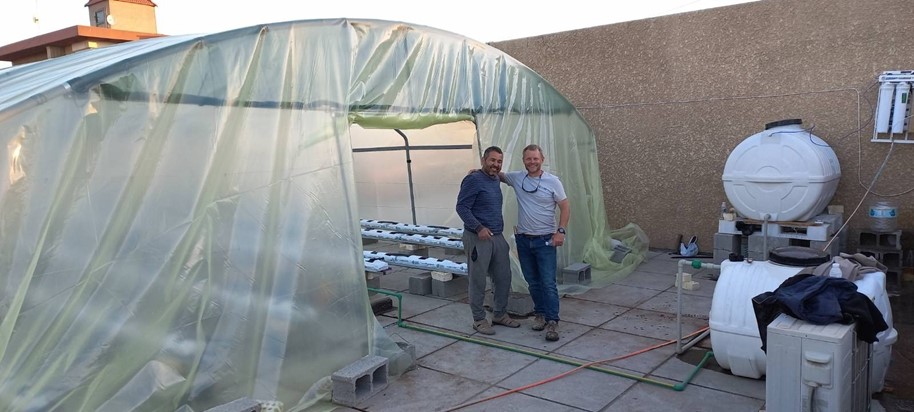
Innovation and creativity are key!
Innovation and creative marketing are a key (and necessary) component of young farmers in Jordan
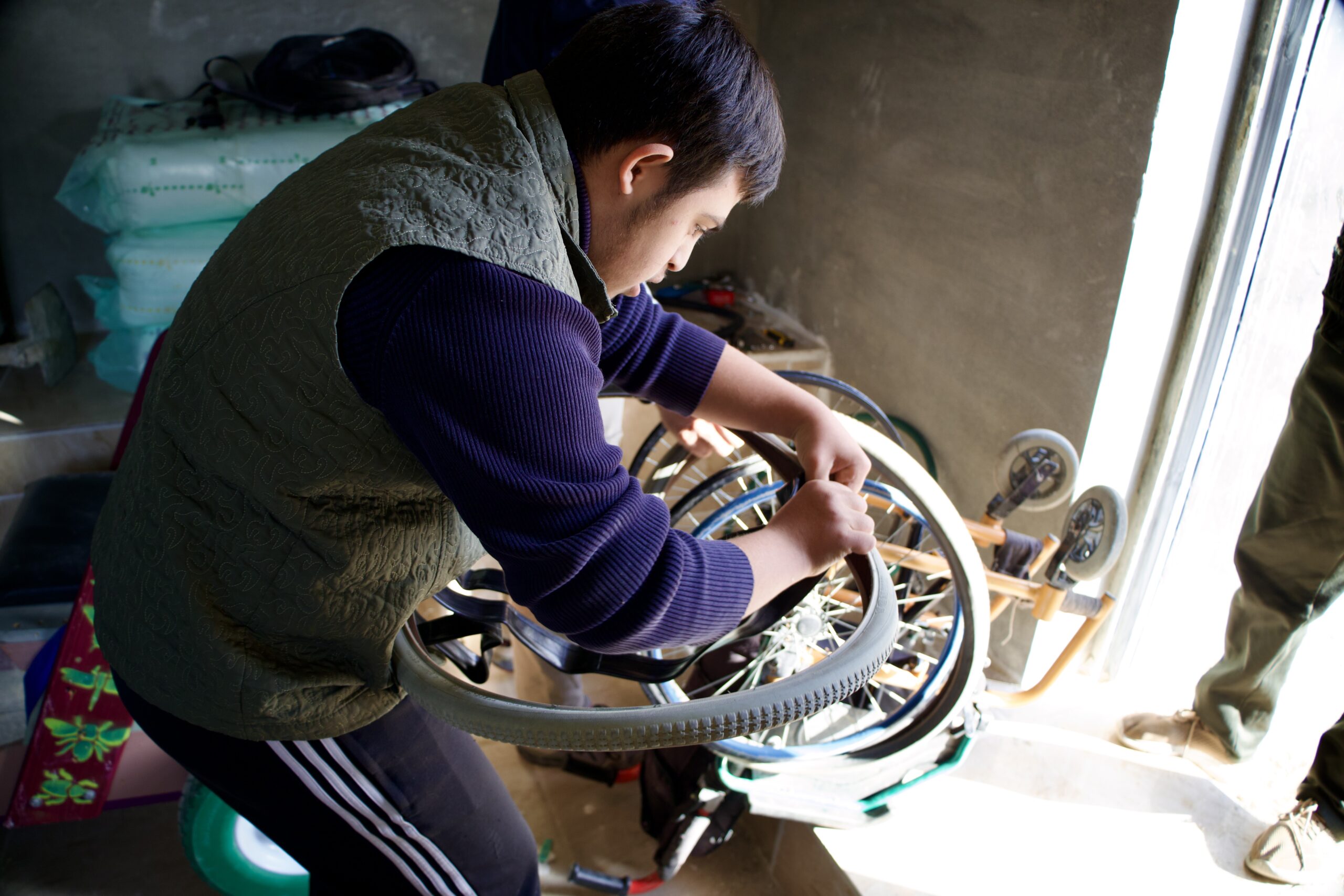
Investing in the Future
There are new sounds coming from the centre these days.
A New Keystone Chapter
Two years ago, a man named Muhannad, an Iraqi refugee, joined one of our Keystone men’s groups in Jordan. We visited him at home several times and came to know his family,
Professional and Interpersonal Development
“The people here stood with me,” says Om Waleed*, recounting her young daughter’s need for surgery. “Even though my family is all the way in Syria,