
Community Based Rehabilitation
“Will we finally move now?” The smile on Rania’s face was unmistakable. A combination of elation, joy, and anticipation was reflected in her expression as she entered the room and, with great skill, maneuvered her wheelchair into place to get ready for the day’s activities. Rania has been part of the project for a few years, and it has been exciting to see how she has developed—not only in physical and cognitive abilities, but above all, in her awareness of who she is, her value as a human being, and a self-confidence that is no longer hindered by the negative view of disabilities that still lingers in the village society where we work. She is one of the roughly 30 children who come each week to the simple activity center we started with our local partners in the middle of one of the villages.
Rania’s question was prompted by overhearing our local staff discussing the best time to move out of the rented building we’ve been using since the beginning. From the start, the vision has been to build a permanent space that would support long-term work. Fortunately, a piece of inherited land was made available early on to begin construction. However, raising enough local funds to build proved to be a significant challenge.
Then, about 18 months ago, something unexpected happened: a local cement factory offered to donate several tons of cement; a brick manufacturer contributed a few thousand bricks; and an excavator owner volunteered to dig and prepare the land. Now, the building is finally ready enough to move into, even though the surrounding area—where the playground and vegetable garden will be—is still under development. Nevertheless, everyone involved agrees: we can’t wait any longer. Yallah! Let’s move!
Rania’s best friend, Khawla, joins the cheerful group and tries to high-five Rania with her right hand while swinging her wheelchair around with her left. It was a bit too much at once, and their hands completely missed each other—prompting giggles from both of them that revealed a deep joy and a friendship not taken for granted. From their own experiences before joining us, both Khawla and Rania know what it feels like to be alone, overlooked, devalued, and isolated. That isolation is one of the most important issues we have worked to change, together with our local partners. Operation Mercy’s commitment to long-term, ongoing work has yielded results—step by step. Meaningful change, rooted in local ownership, rarely happens quickly.
As I left the center to return to town and handle some paperwork with the local authorities, I happened to overhear a bit of Rania and Khawla’s conversation. These bubbly 10-year-old girls were busy planning all the fun activities they would do at the new location—including the mischief they would get up to!
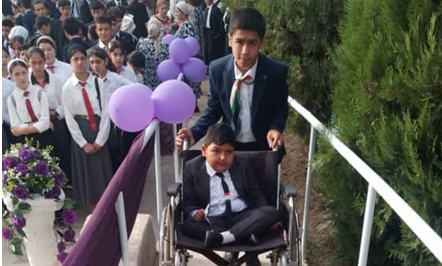
A Community United for Mubariz
As part of our partner’s project on accessibility, the team launched a district-wide assessment in Rudaki. Here they met a teacher who was homeschooling a 9-year-old boy named Mubariz,
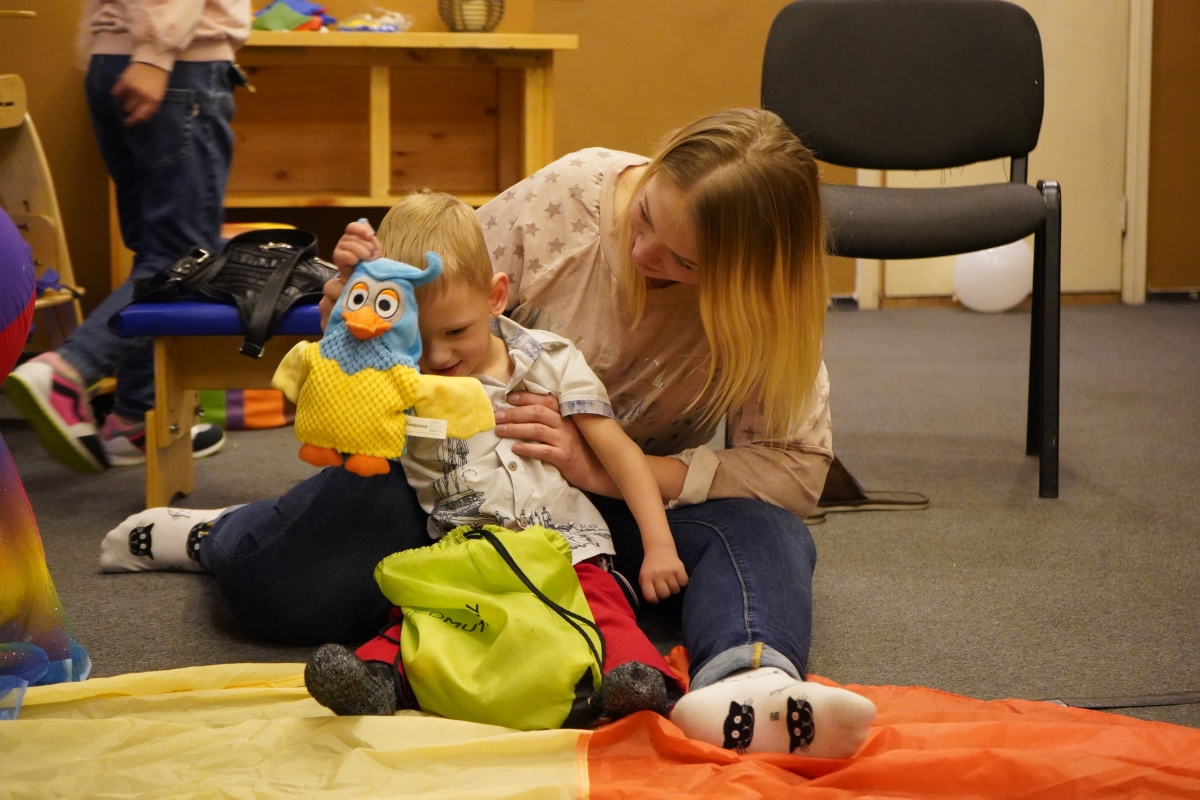
Now He Sits Like a King!
Positioning and proper support for children with cerebral palsy is crucial to their development and also to interacting and engaging with their environment.
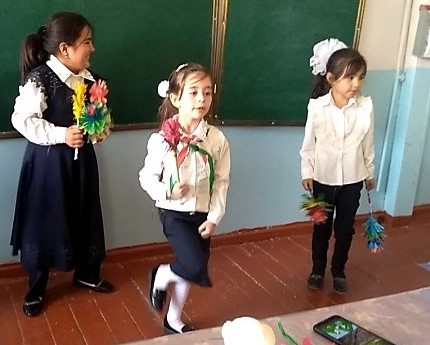
Promoting Inclusion
An annual conference for mainstream school teachers and school transition support services helped promote inclusion in local communities.
Amina, a young girl with speech and cognitive delays,
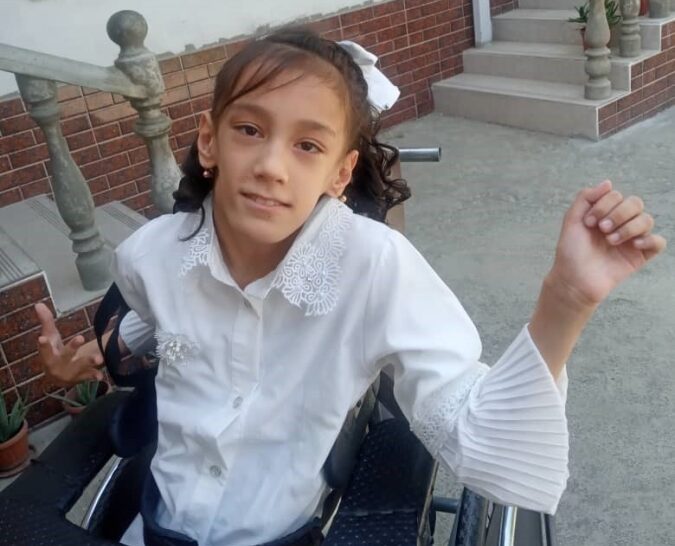
Opening Doors to Equality
Children with disabilities (CWD) are being given the chance to learn at mainstream schools thanks to one of our partner organisations in Tajikistan.
School accessibility is one of the most important components of providing inclusive education and promotion of the rights of children with disabilities.
Growing in Strength and Love
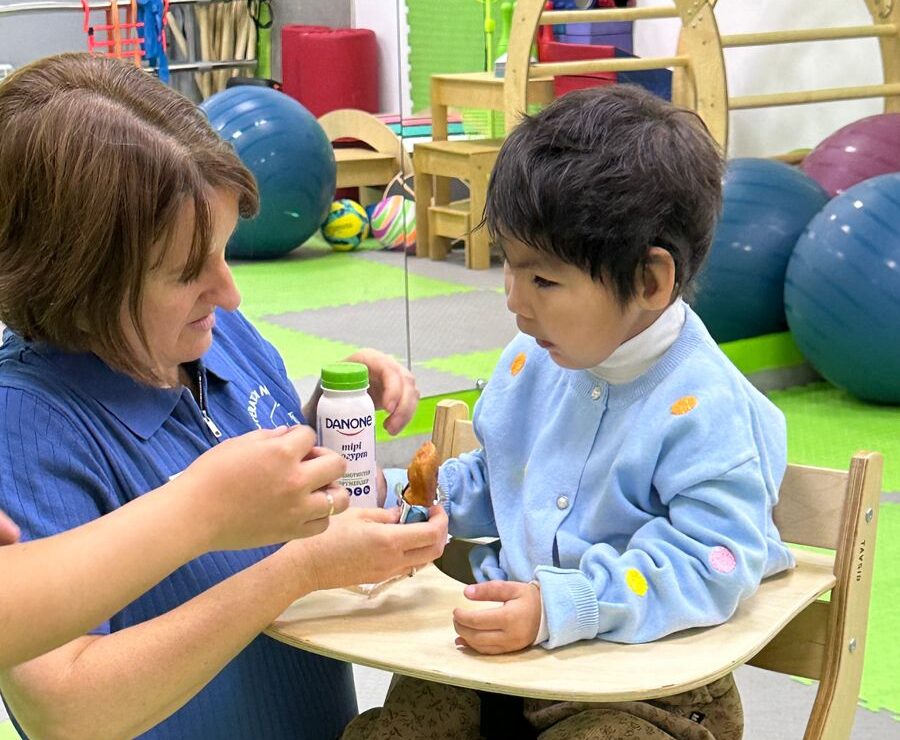
When our team first met Gulnar, a six-year-old girl diagnosed with cerebral palsy (CP) and a suspected case of CHARGE syndrome, she was unable to walk or communicate.
Sing Hello
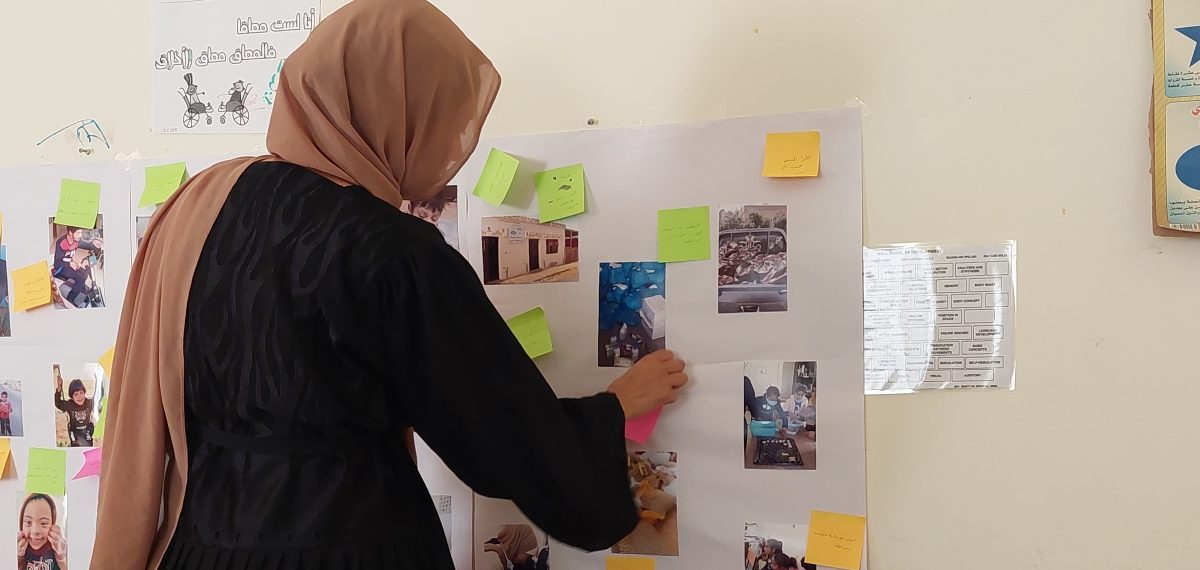
“Fahid, it is your turn to sing!” Our volunteers encourage and then, with a little bit of prompting, Fahid begins to sing for us.
“Nothing About Us Without Us”
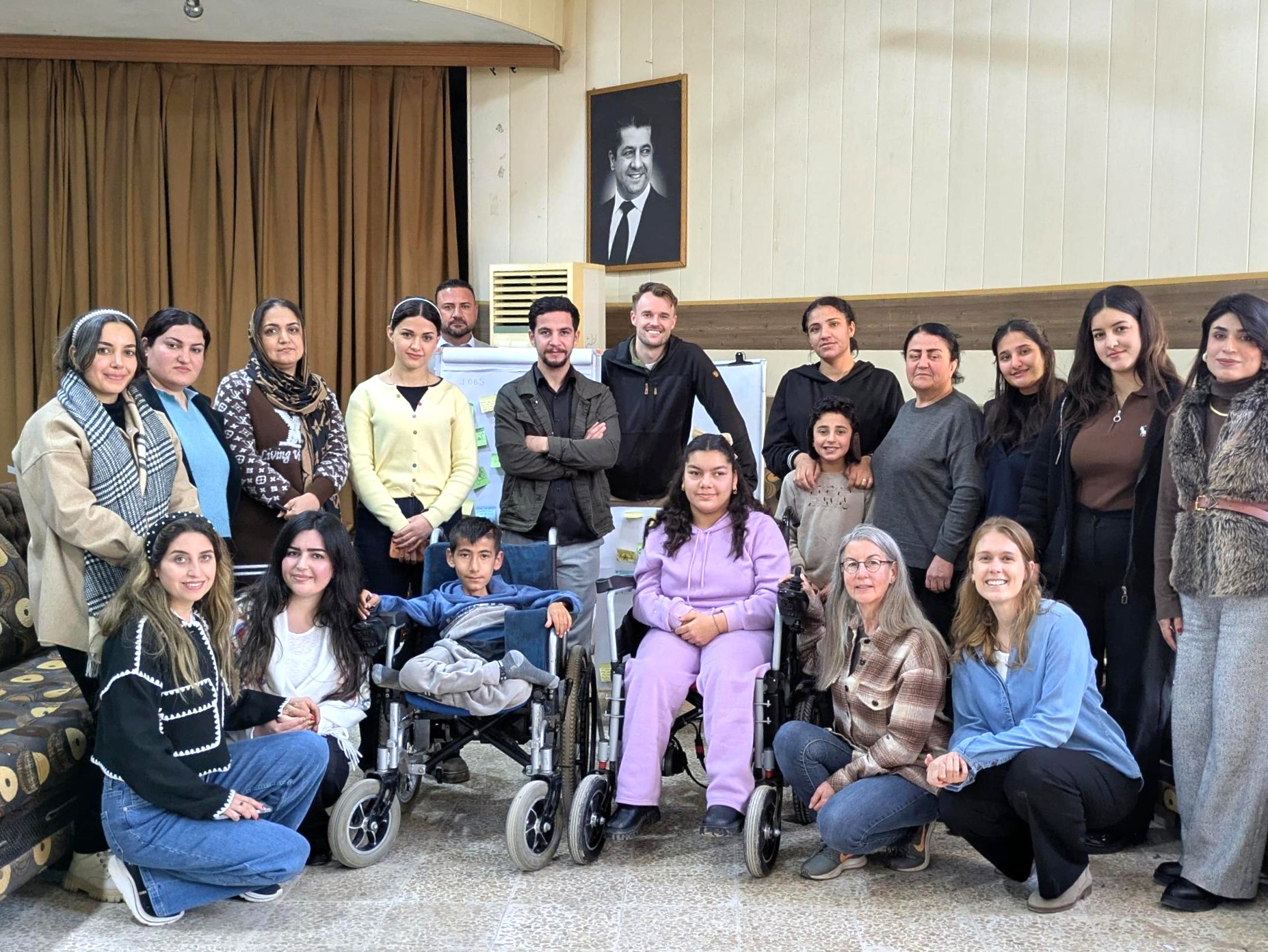
Earlier this year, we started a community meeting for the parents and family members of children with disabilities in a small village in Northern Iraq.
Full Participation at School
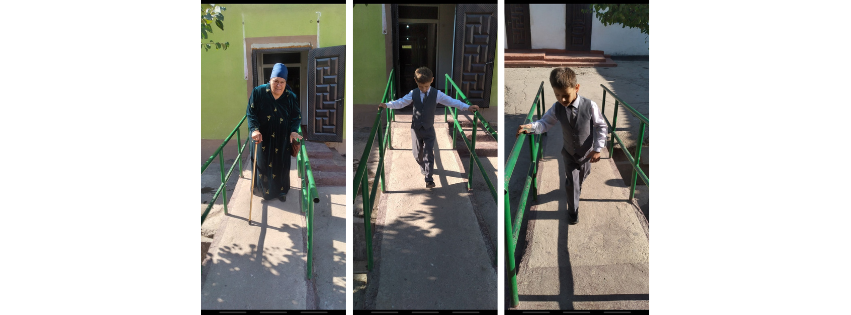
In the summer, our organisation received a request to build a ramp and an accessible toilet at this school to allow the school to accept children with disabilities so that they could socialise and study with their peers.
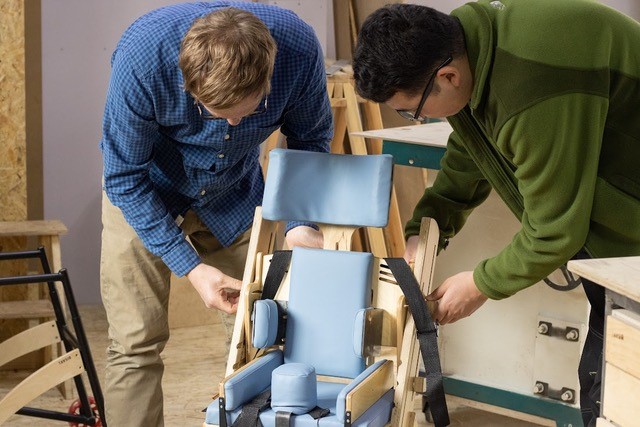
What a Difference a Chair Can Make!
Adaptive equipment can make a big difference in a child’s life!
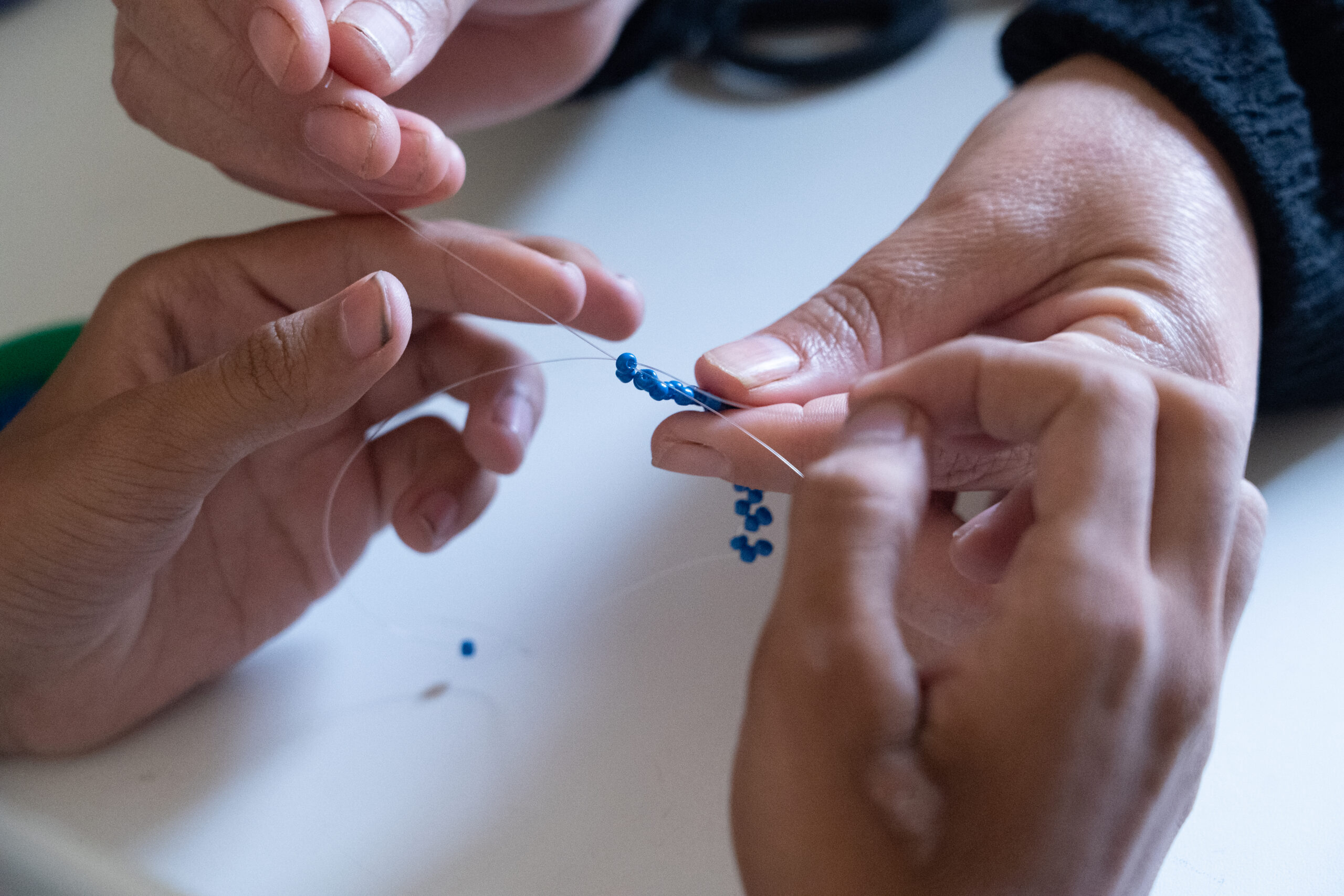
“Will we finally move now?”
“Will we finally move now?” The smile on Rania’s face was unmistakable. A combination of elation, joy, and anticipation was reflected in her expression as she entered the room and,
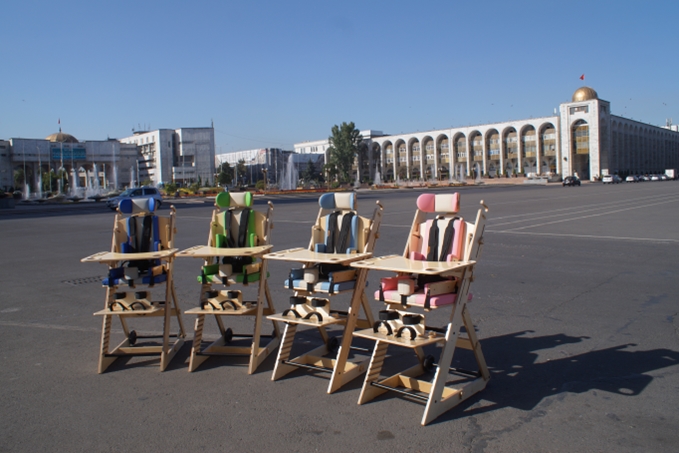
Chairs for Children
Positioning and proper support for children with disabilities is important for their development
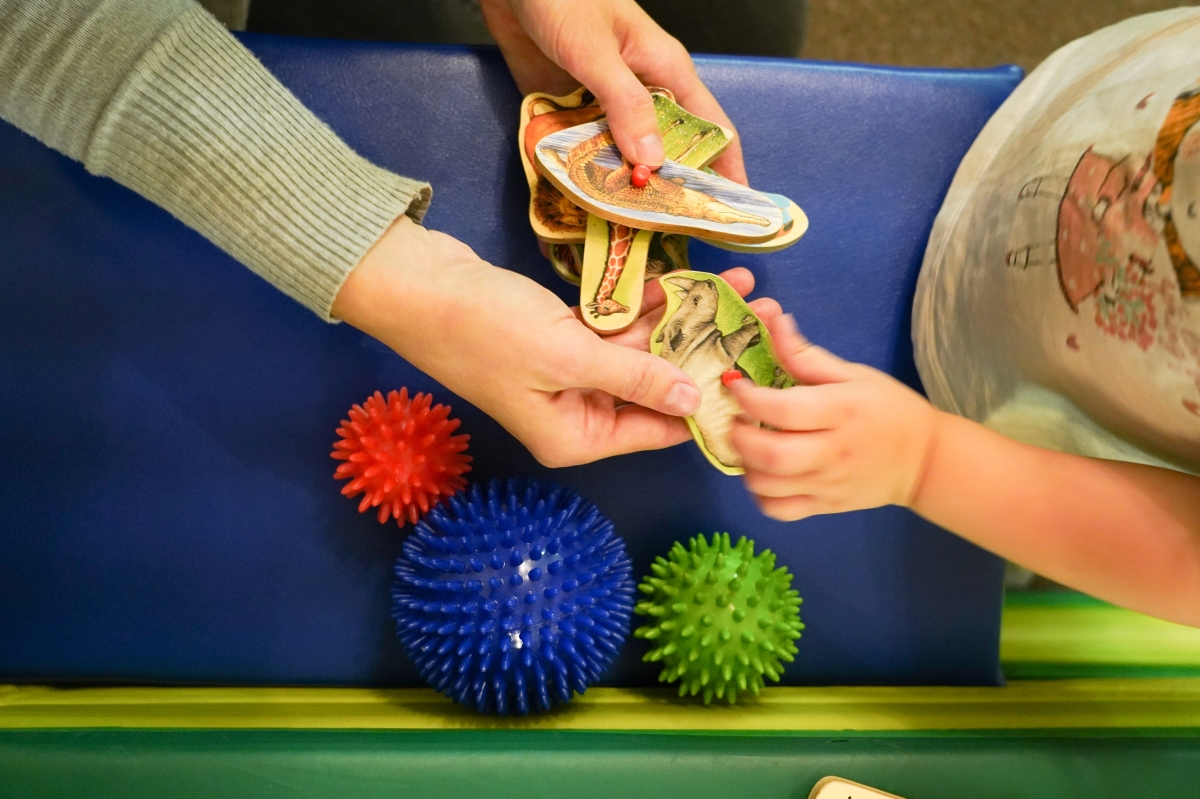
Professionalism Produces Results
Practical training like this empowers therapists to be more professional and to achieve better results in their treatment.
A Family Effort
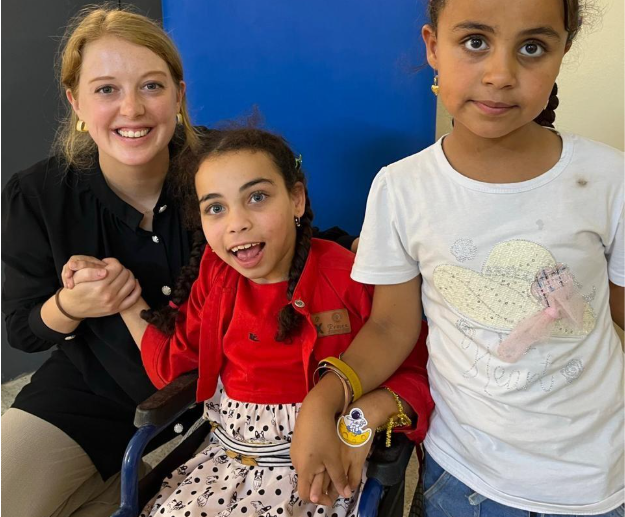
Perseverance is one of our five key priorities at Operation Mercy. In our city, we often meet children and families who have endured immense hardship — through war,

Wednesday Club
“Wednesday Club” is a two-hour programme for children with disabilities (CWD) and their caregivers, held once a week. While CWD work on physical exercises and socio-emotional skills,
Never too late to learn!
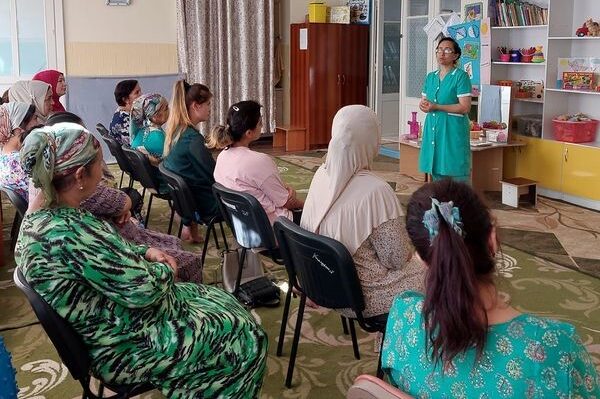
With the support and help from the staff I learnt how to take care of a child with disability.
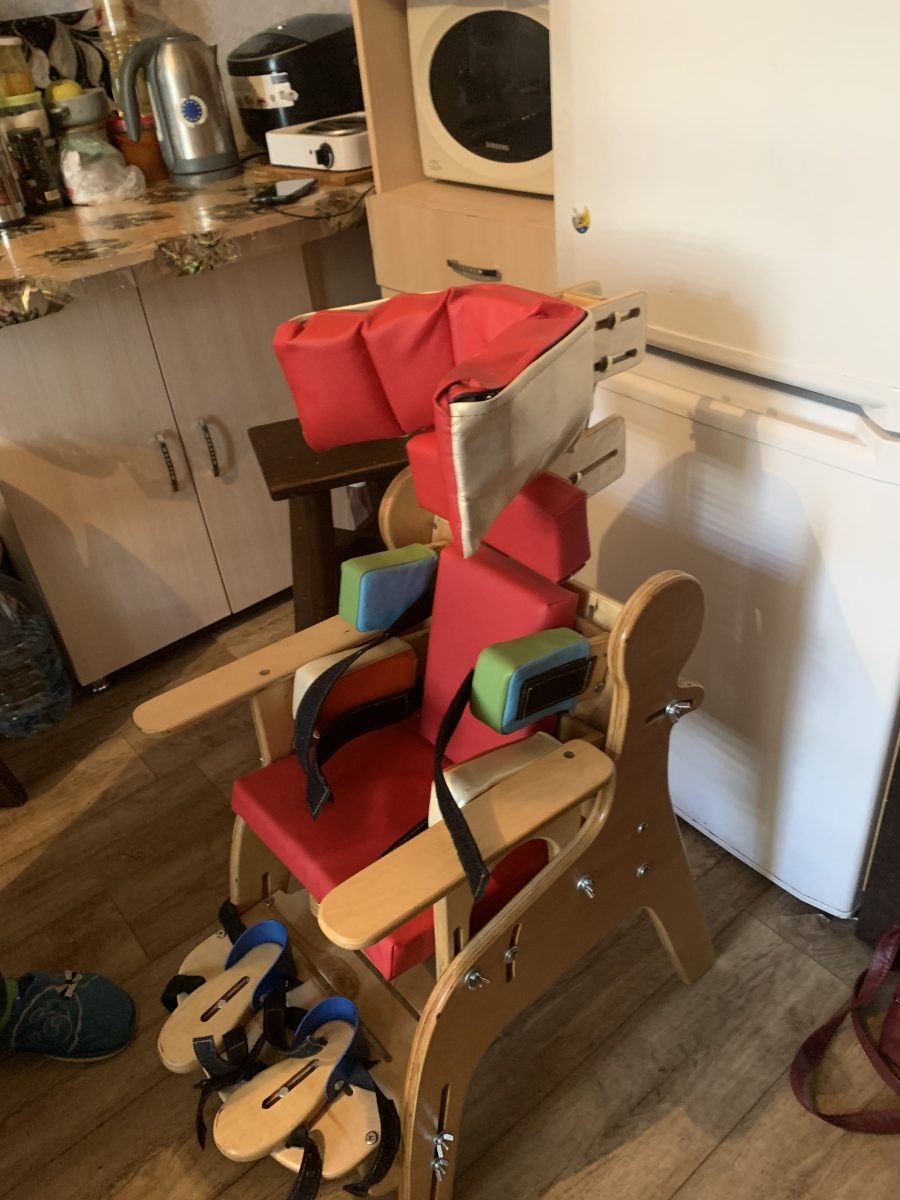
Partnership for Change
Both organizations continue to work in partnership with the mom and her son and we are seeing positive changes in their lives.
Exploring New Ways of Moving
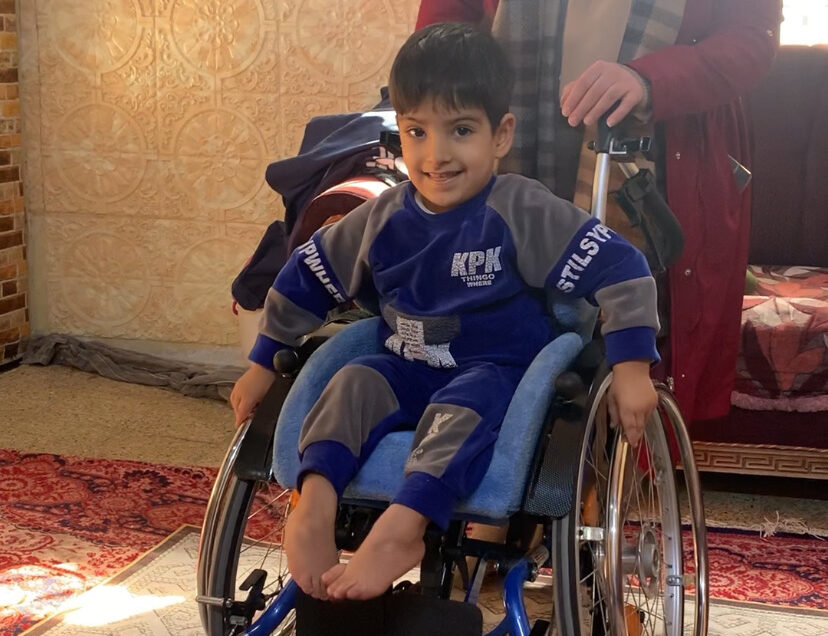
Yousif, a 4-year-old diagnosed with spina bifida, lay curled up in the corner of the living room floor. The doctors had told his family to give up hope—he was disabled and would remain that way for the rest of his life.
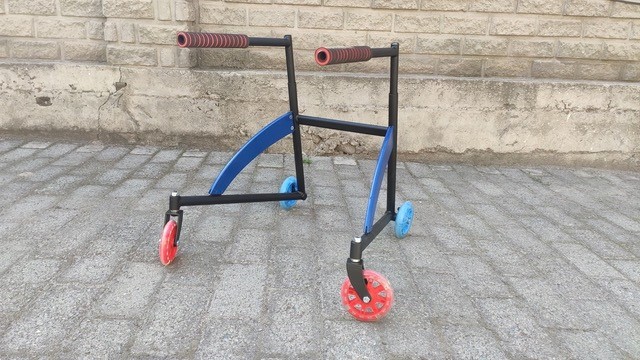
Not Just Playing Around
This child was 2 ½ years old and had never walked alone before!
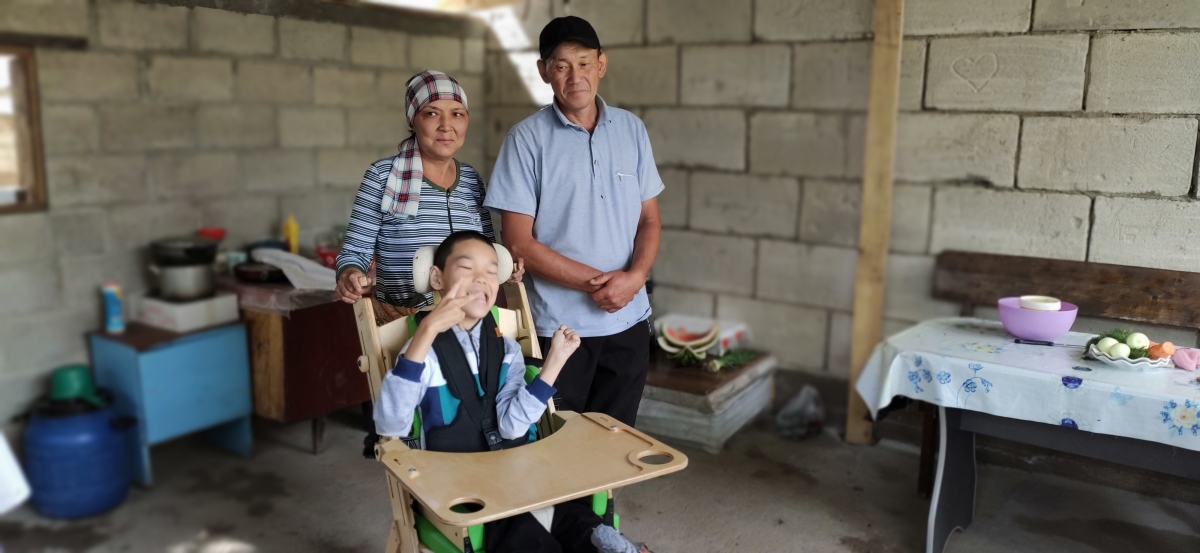
Receiving Help, Taking Responsibility
Amantur lives on a small farm in Kyrgyzstan that is quite remote, lying between two villages.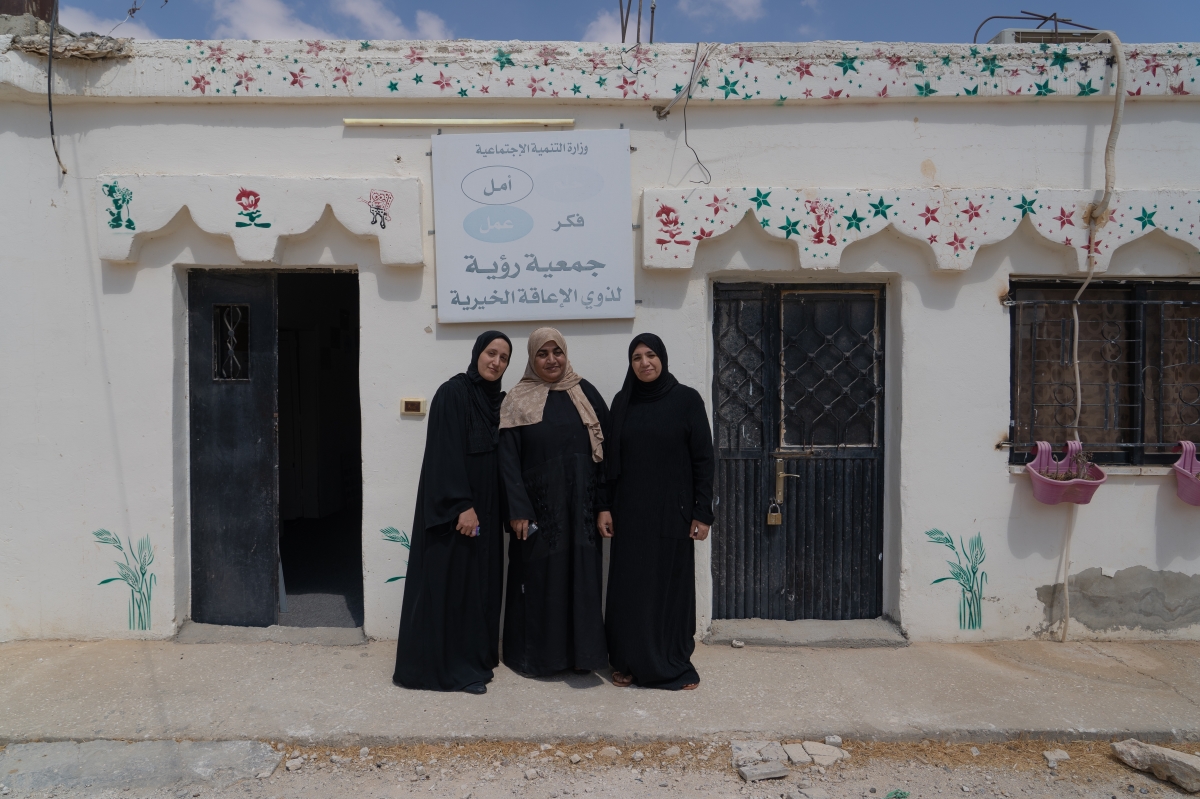
Trading Shame for Acceptance
So these women continue on, persevering on behalf of the children and their community, sharing a love and passion that grows warmer with time and over many more cups of hot tea.