
Community Based Rehabilitation
After a year of working with her, she is now able to feed herself, shower independently and help with cleaning around the house! When we first started working with her, she was not able to use her right arm at all and now she uses both arms simultaneously. Her mom comments each week about what new activity Mayna can now do that she was unable to do before. Her life has completely changed for the better and she has hope and confidence for her future. Mayna’s mother has asked that we continue to follow-up with her daughter weekly because of the great benefit from physical therapy and the encouraging progress she has seen in her daughter. By helping Mayna, we are also assisting her community and giving them hope that change can also happen in their own lives. Mayna is showing those around her that being diligent, and persevering can have lasting and life-changing benefits
For each client goals are set that range from physical goals to the ability of doing daily activities and learning certain skills that enhance their opportunities to be part of their family and community. The CBR team also keeps monitoring whether a client needs new or additional assistive devices. To increase physical and emotional growth, OPM encourages clients to join a peer group with a family member.
Changing the Trajectory
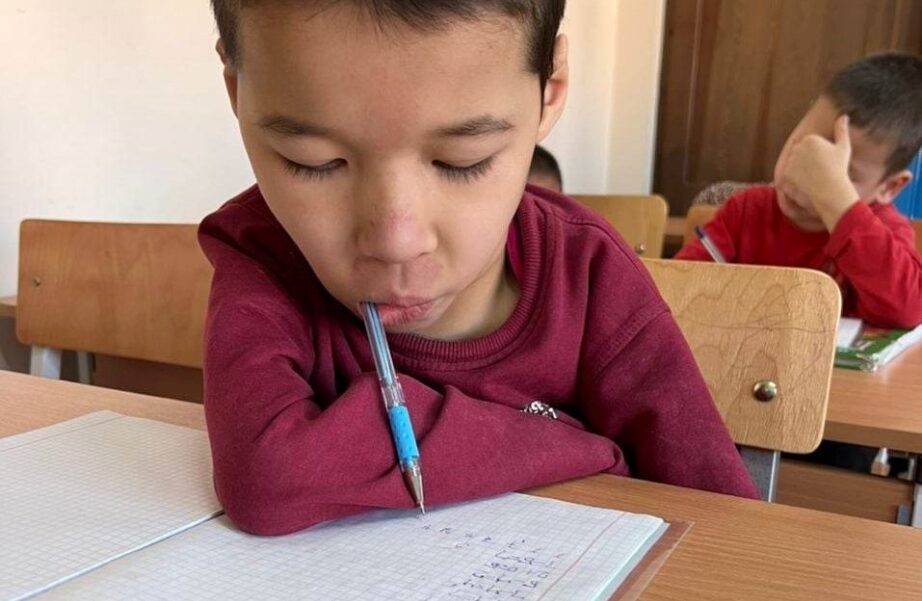
Danior used to be angry all the time. He was quick to attack and hit the other kids at the children’s home. He had reasons to be angry –
Receiving Help, Taking Responsibility
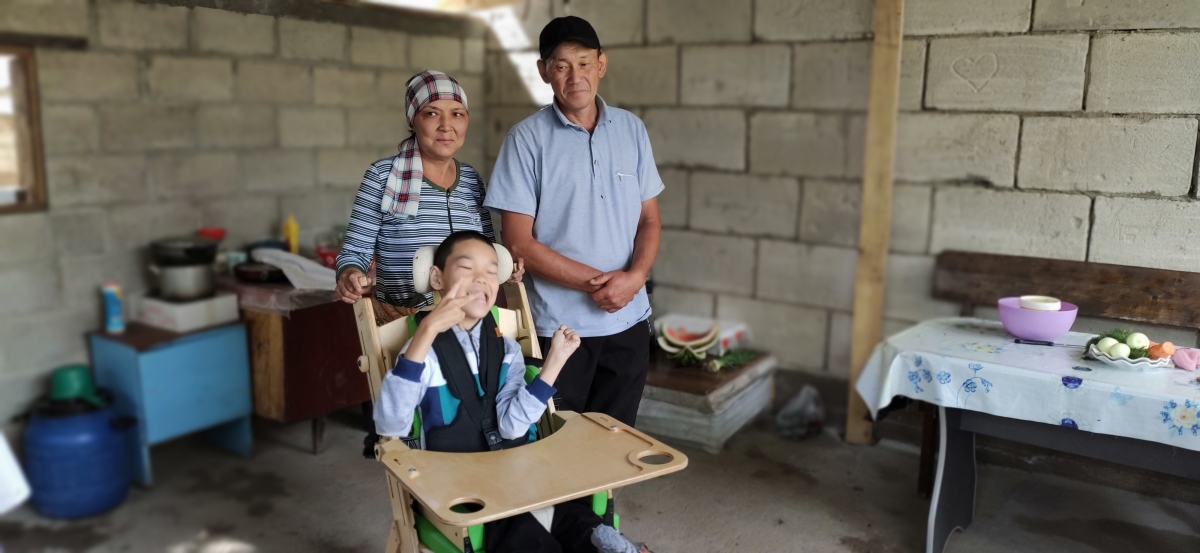
Amantur lives on a small farm in Kyrgyzstan that is quite remote, lying between two villages.
Empowering Mothers
“It is so important that you know your rights!”
Trading Shame for Acceptance
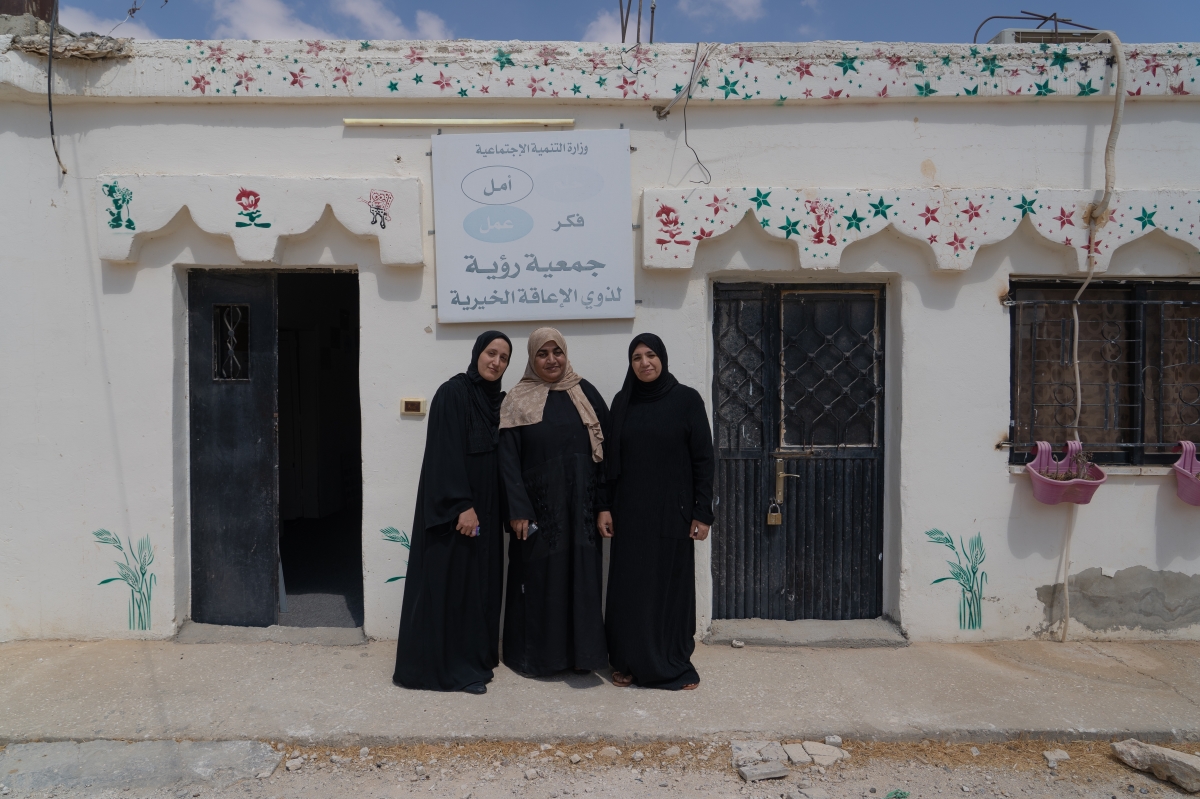
So these women continue on, persevering on behalf of the children and their community, sharing a love and passion that grows warmer with time and over many more cups of hot tea.
Partnership for Change
Both organizations continue to work in partnership with the mom and her son and we are seeing positive changes in their lives.
Chairs for Children
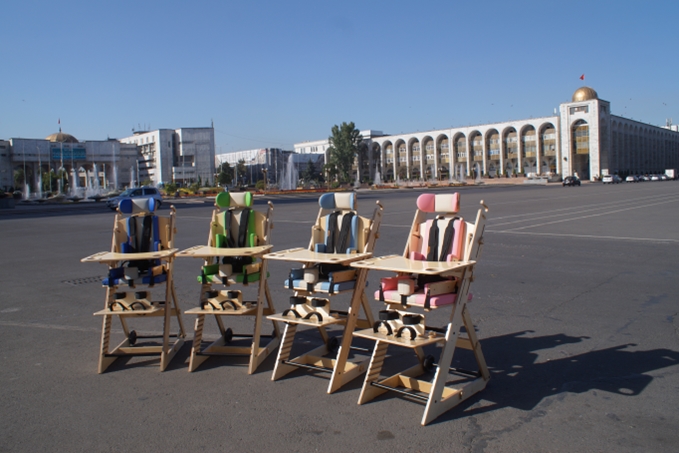
Positioning and proper support for children with disabilities is important for their development
Schooling Requires Cooperation
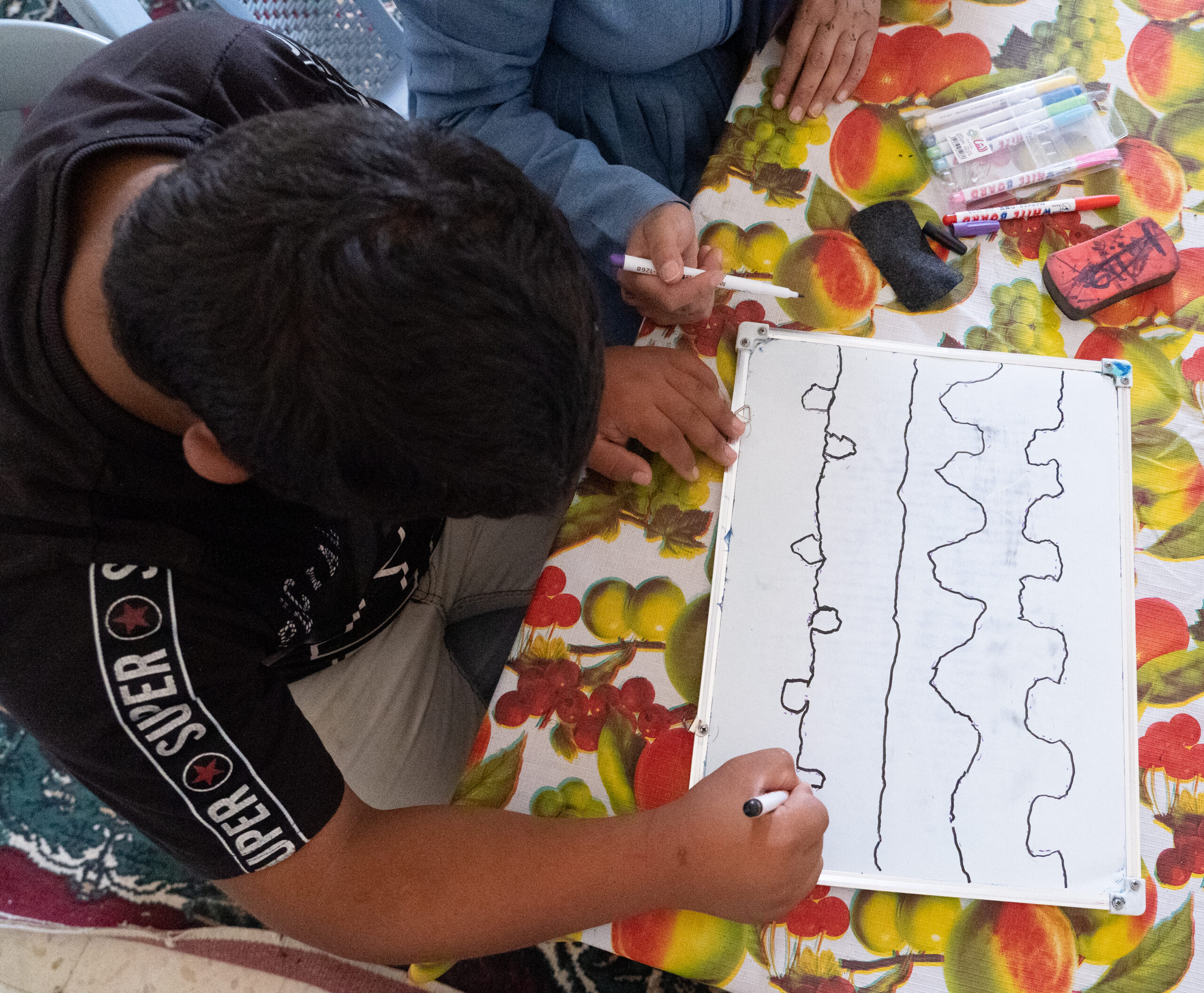
Adnan loves school. His mother smiles with pride and says to the Operation Mercy team, “Every day he wants to go to school.” Naturally gifted with a friendly and bold personality,
Not Just Playing Around
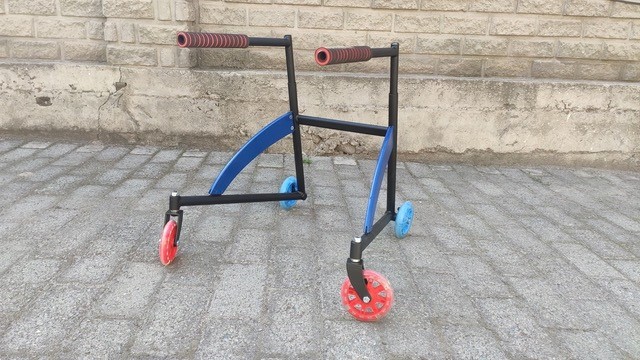
This child was 2 ½ years old and had never walked alone before!
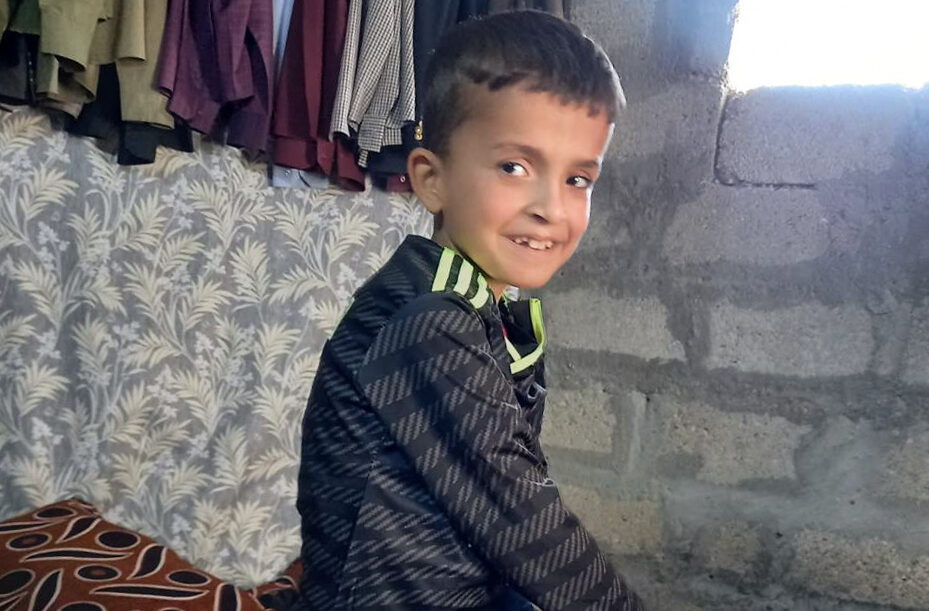
Hope Stored in His Heart
Most of all we sense that Haitham now has hope stored in his heart that he did not have before.
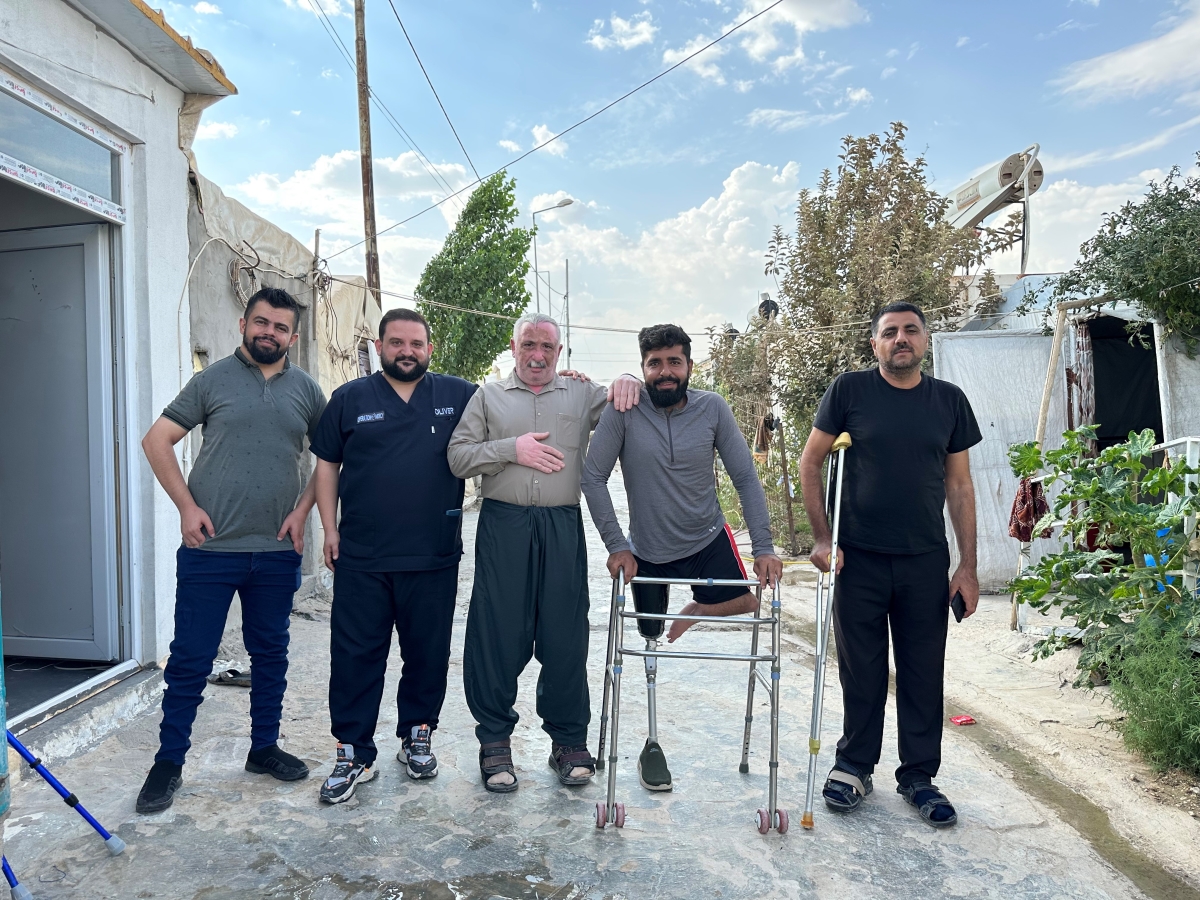
Trust is Built Through Peer Groups
This group of four men became eager to meet each other and friendship was formed.
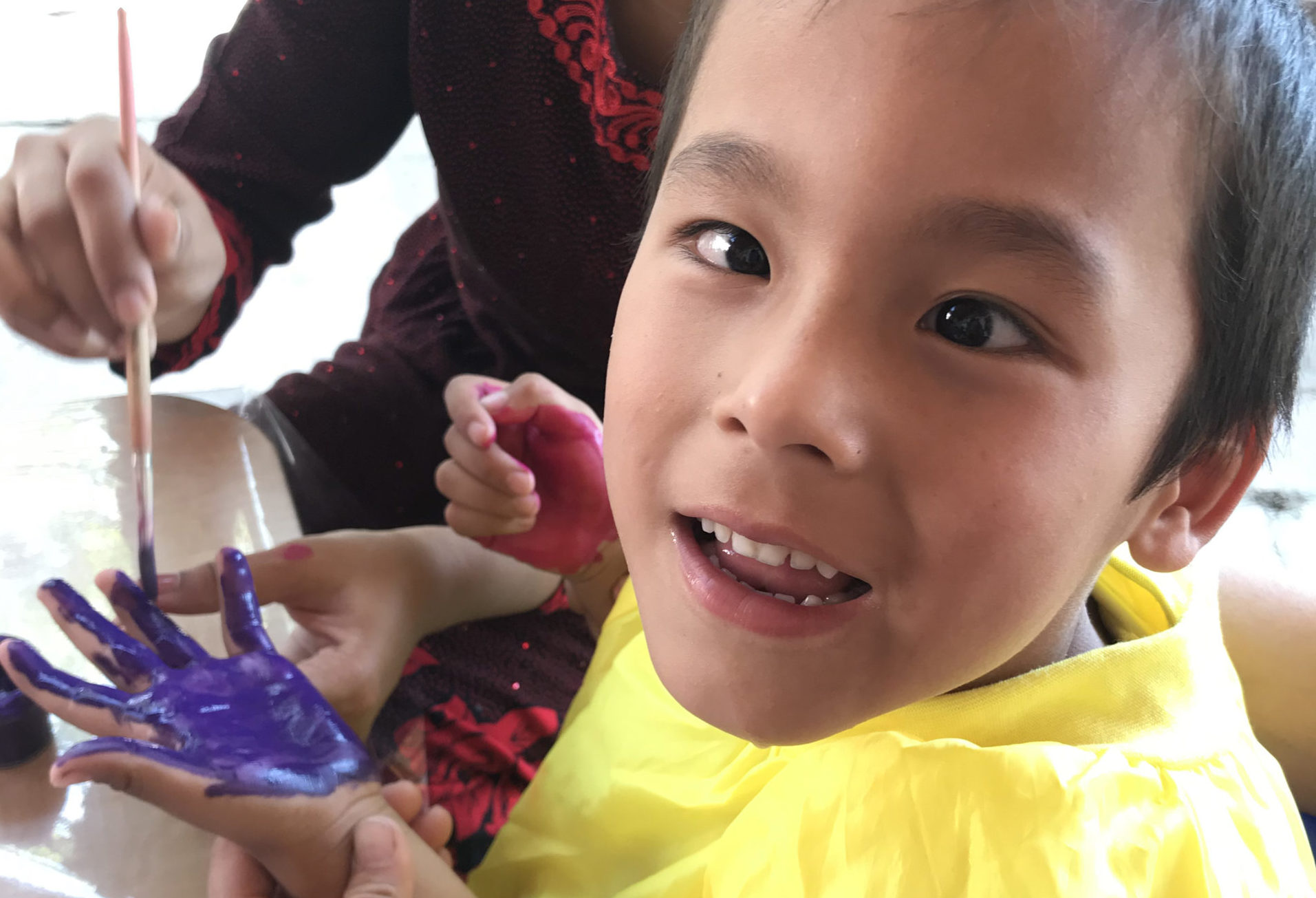
Hope Starts in the Small Things
Most importantly, hope is present for Hamidjon because he has a loving mother, who, through our project, is able to experience support and acceptance, receive counselling and process her grief.
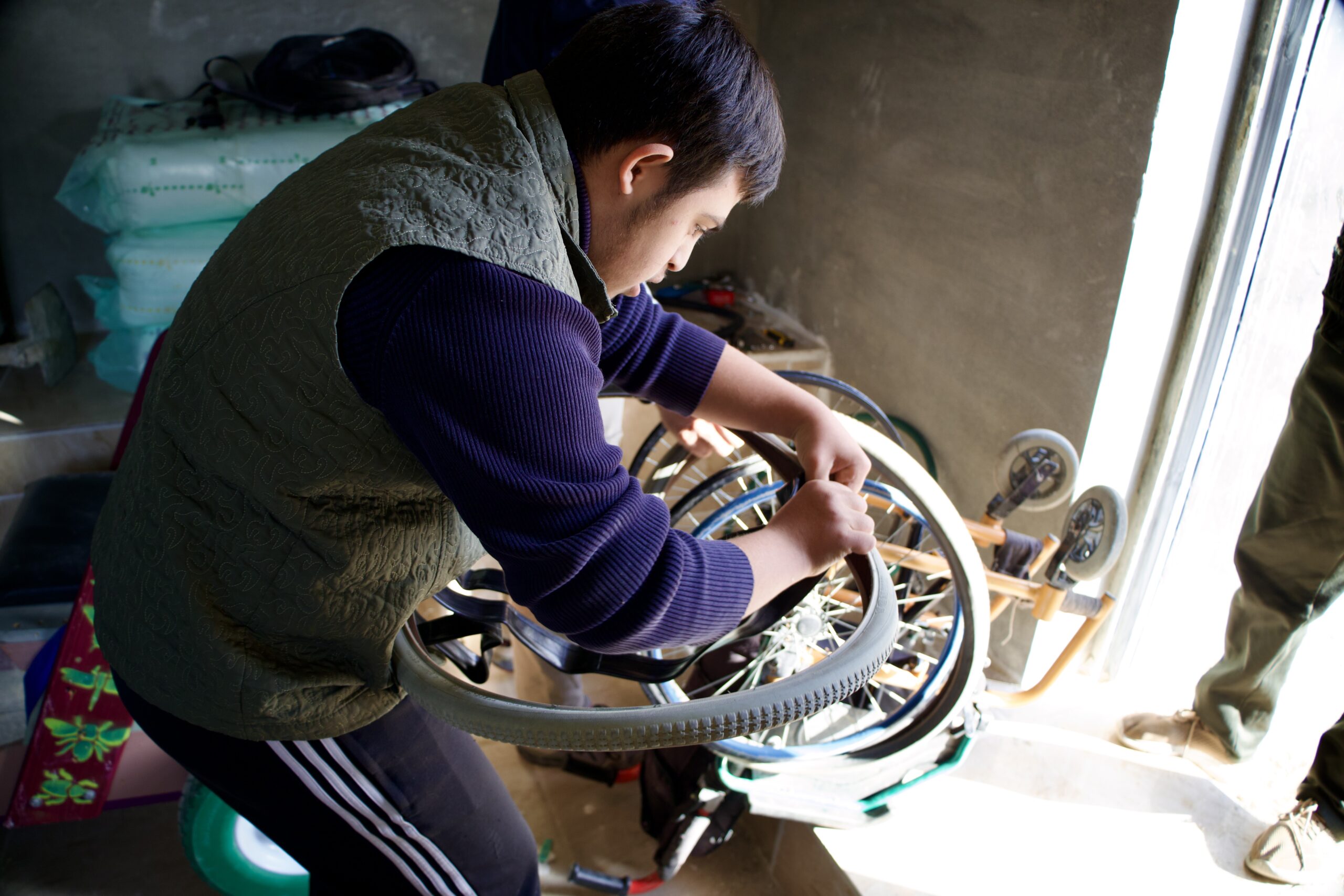
Investing in the Future
There are new sounds coming from the centre these days.
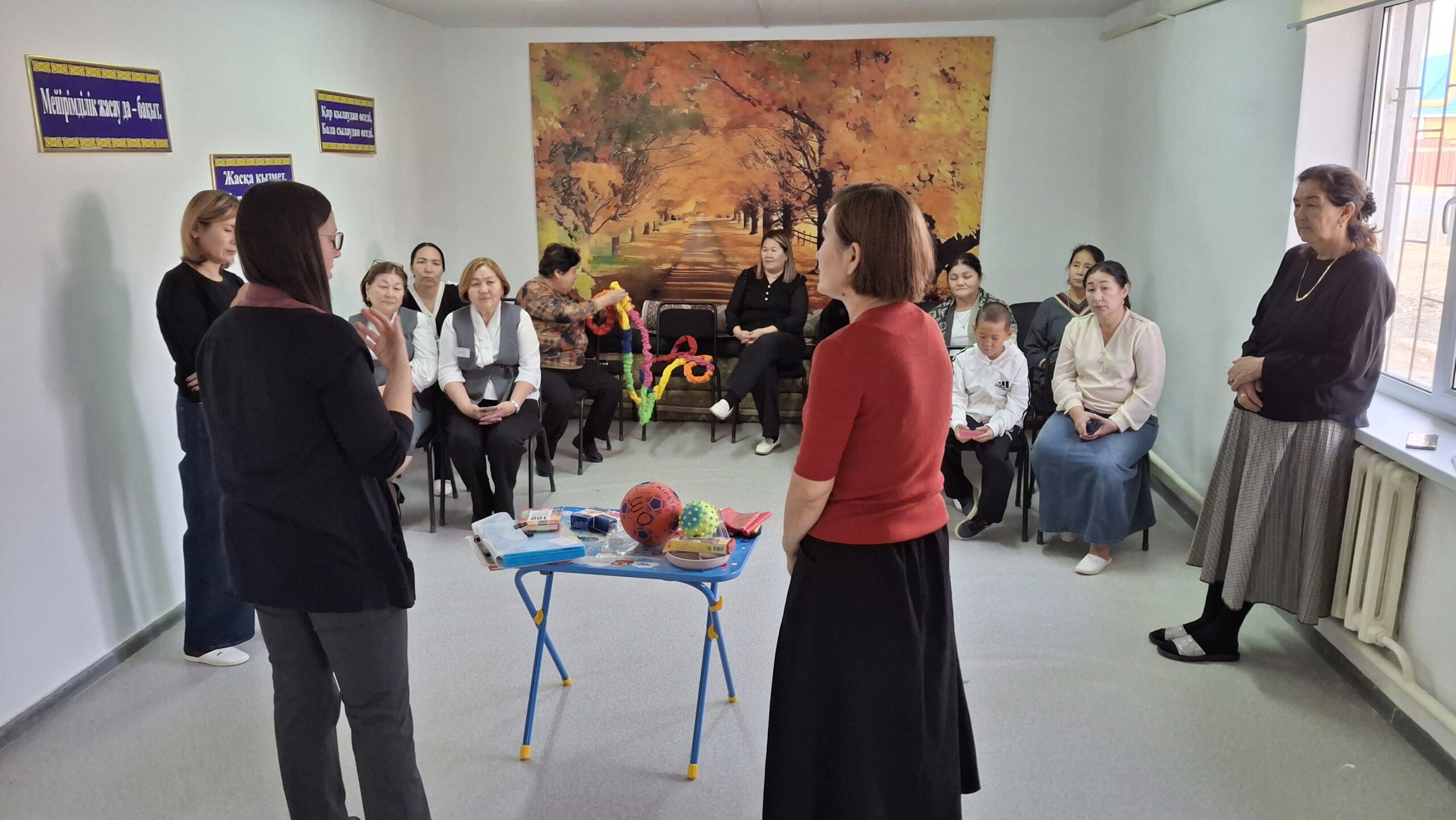
Local Partnerships to Maximise Capacity
When a massive flood hit the North West of the country, our team was able to visit and make connections with families and centres with children with disabilities.
Small Achievements
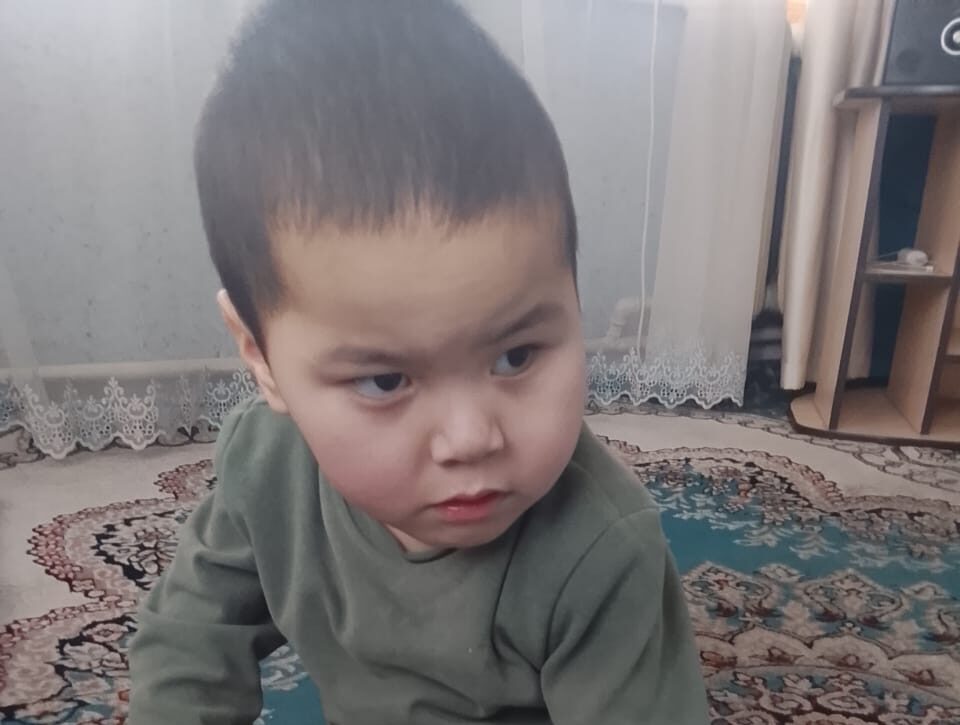
Since birth, Nurdoolot has lived with a serious condition: intracranial pressure. Doctors discovered a cyst in his brain that is pressing on the area responsible for movement and vision.
A New Chair
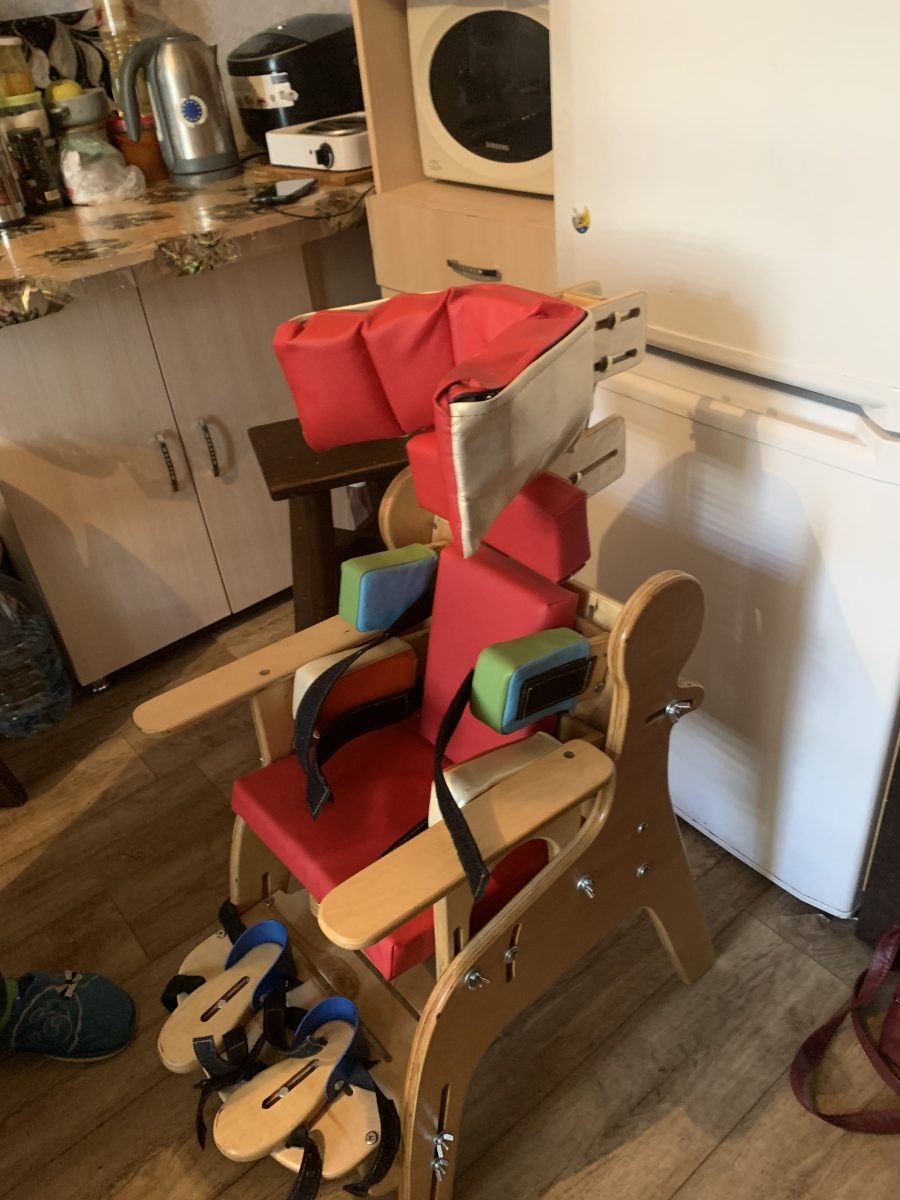
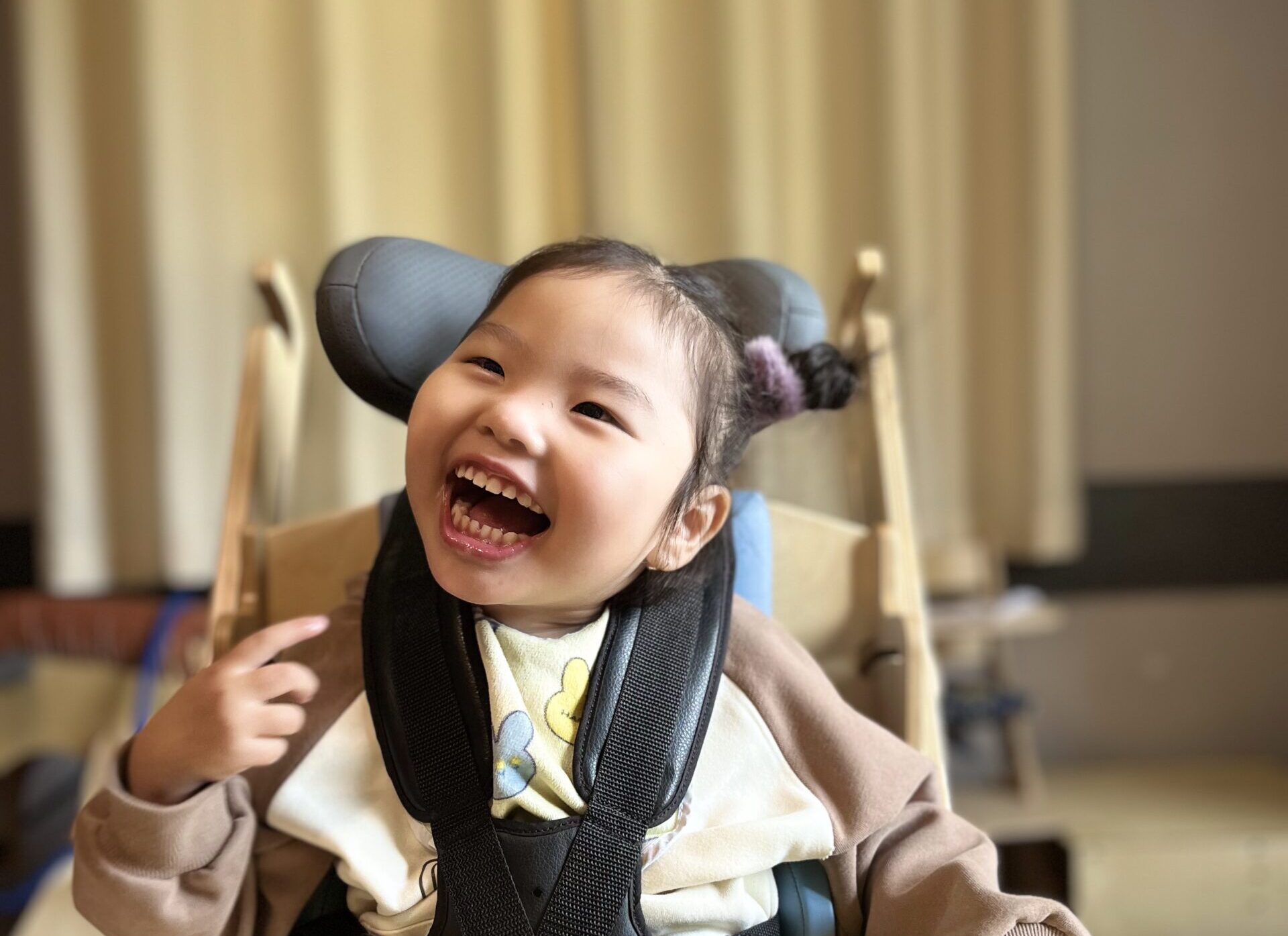
She really enjoyed her new chair and even after this very short time, it was recognisable that her body posture had already been improved.
Now He Sits Like a King!
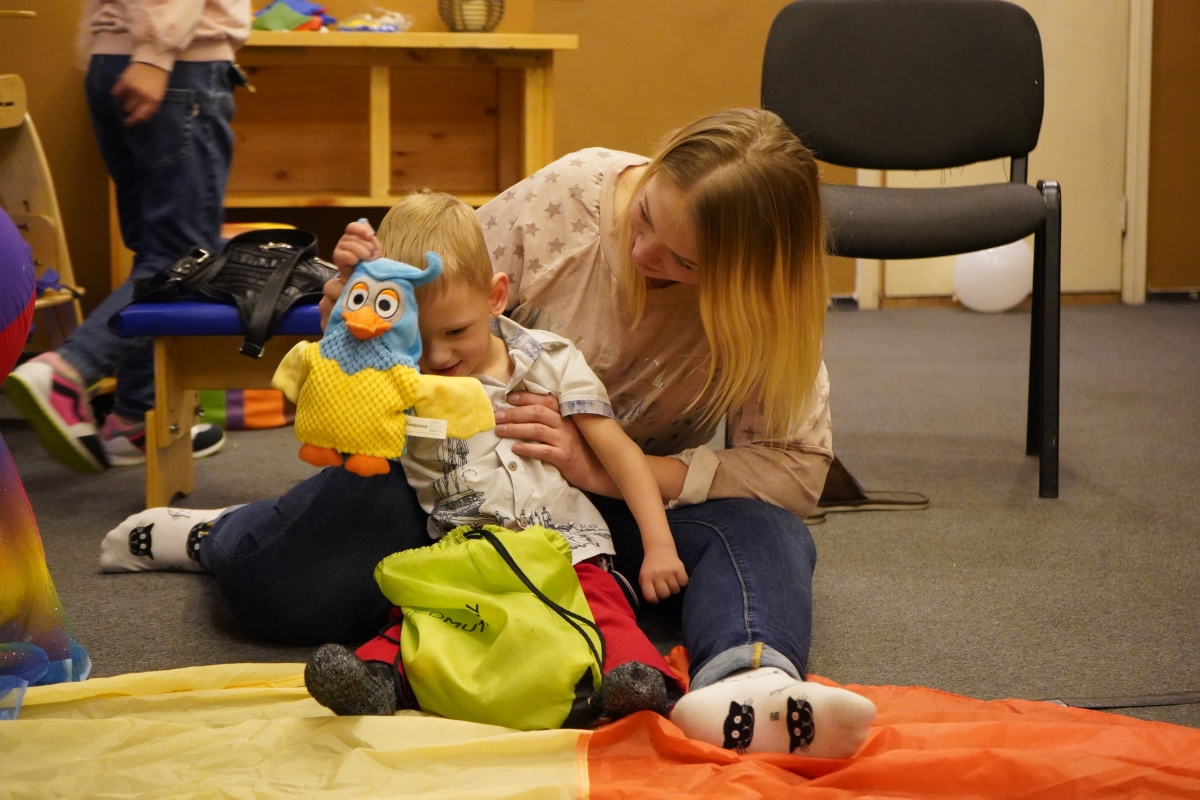
Positioning and proper support for children with cerebral palsy is crucial to their development and also to interacting and engaging with their environment.
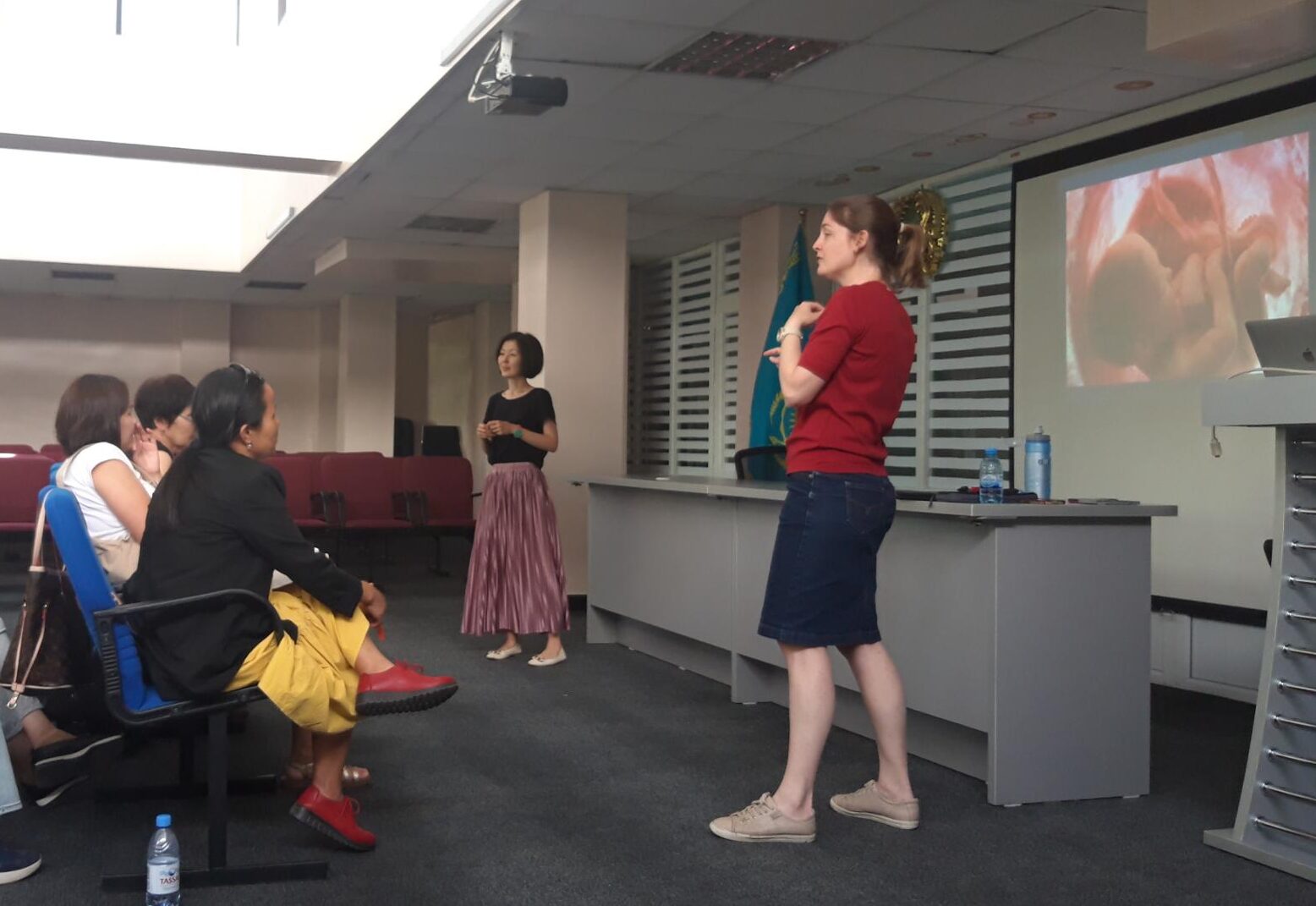
Training for Local Health Care Professionals
Kangaroo care and skin to skin contact between mother and newborn baby – these are vital practices unheard of in the local Kazakh neonatology hospitals.