The World Bank´s most recent diagnostic of North Macedonia records one of the worst development of human capital records in Europe, where N.E.E.T. (youth who are Not in Education, Employment or Training) levels run very high1. Within this context, the north of Skopje, the capital city, possesses some of the worst educational outcomes within Macedonia.
This is the background to Operation Mercy´s engagement for youth through football:
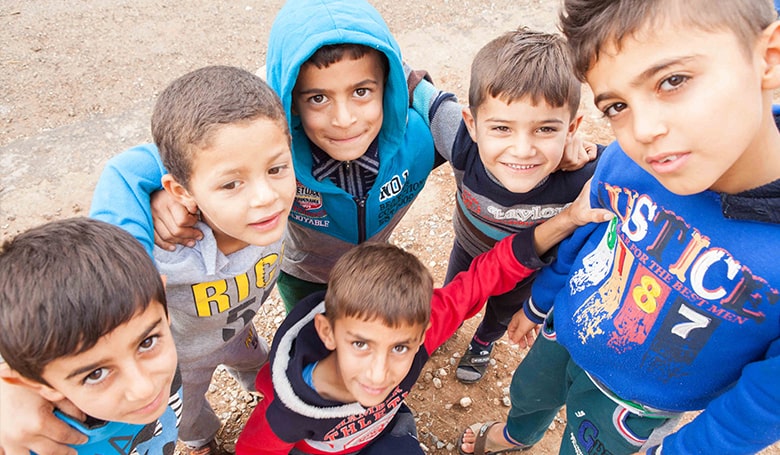
Our project has valued the boys from the poorest neighbourhood, many of whom do not have a chance to play with a club due to lack of money or connections. Others have socialisation issues or carry too much weight.
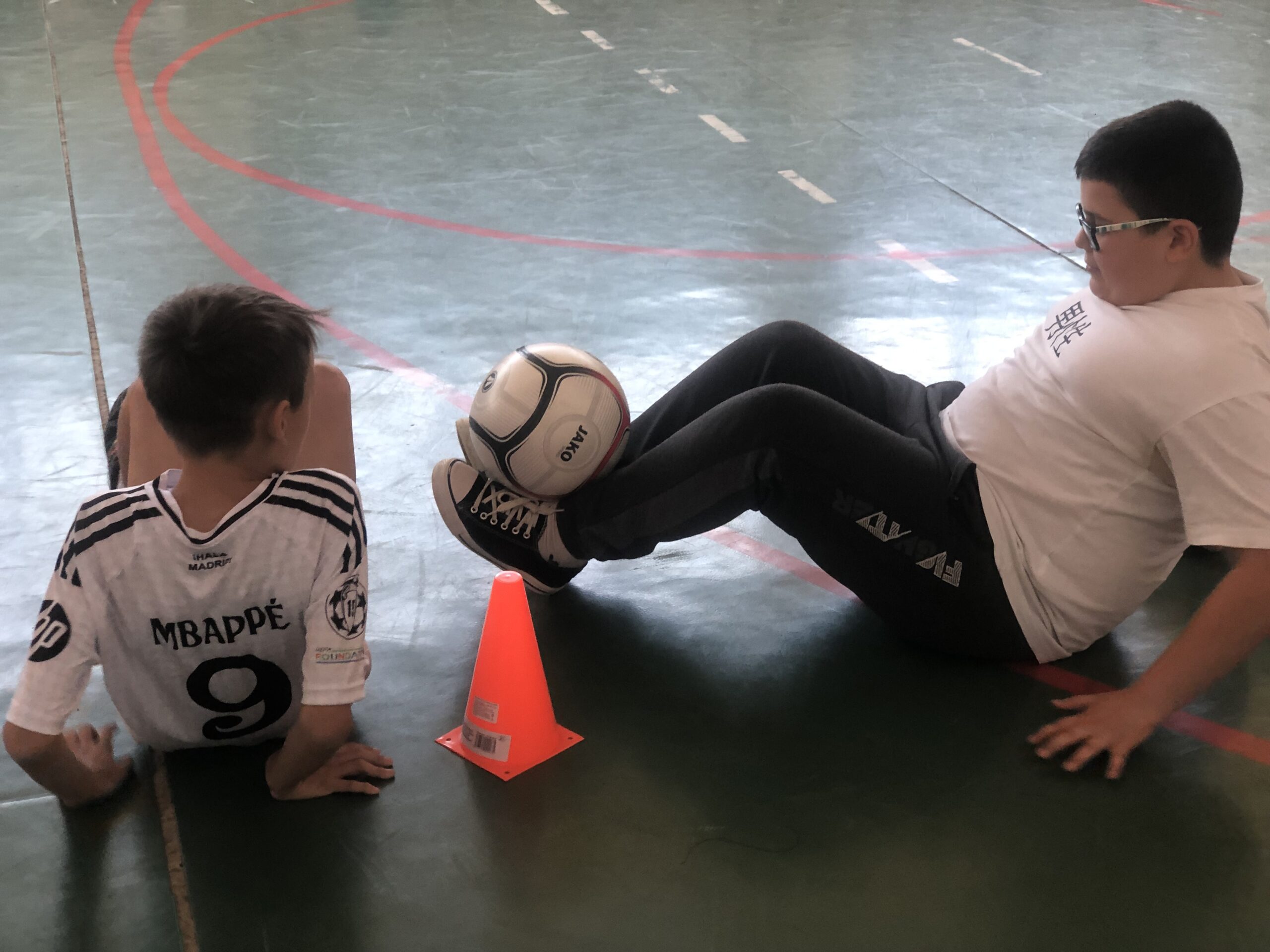
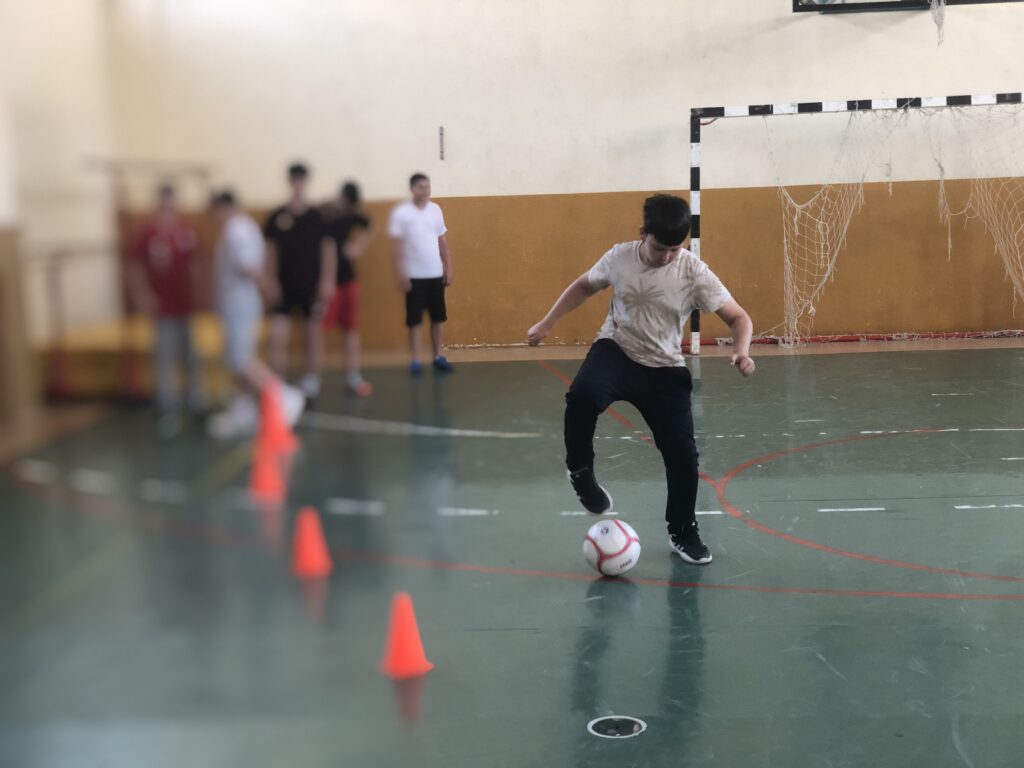
In Spring 2025 Marcos*, a professional football coach from Paraguay, held a football (soccer) camp with us for our regular football kids. The camp also offered training to our sports trainers, to provide a simple format of skills, life skills, game practice, and feedback. For a place with so little resourcing and inputs, the teaching provided a welcome equipping for our coaches, who have been holding training sessions three times a week after school. Other exercises offered new experiences for the boys: football golf, overhead ball balancing, clap-speed-reaction drills and dragon-team-ball-snatching games offered a lot of fun as well and skills development. As for life skills, teamwork, communication, perseverance, emotional self-control, and discipline were all on the curriculum, and it helped that our visiting trainer was a genuine South American football coach.
Marcos was chuffed to be found recently on social media by one of the kids from the camp. How did he find him? He did not know, but the boy remembered the experience of that week and had questions about a Barcelona-Real Madrid game.
After his trip, Marcos described “moments of connection” with the young players. He wrote, “It was a very meaningful experience for me... I felt truly blessed to be able to encourage them... I was deeply encouraged... I believe this opened the door for future visits and collaboration.”
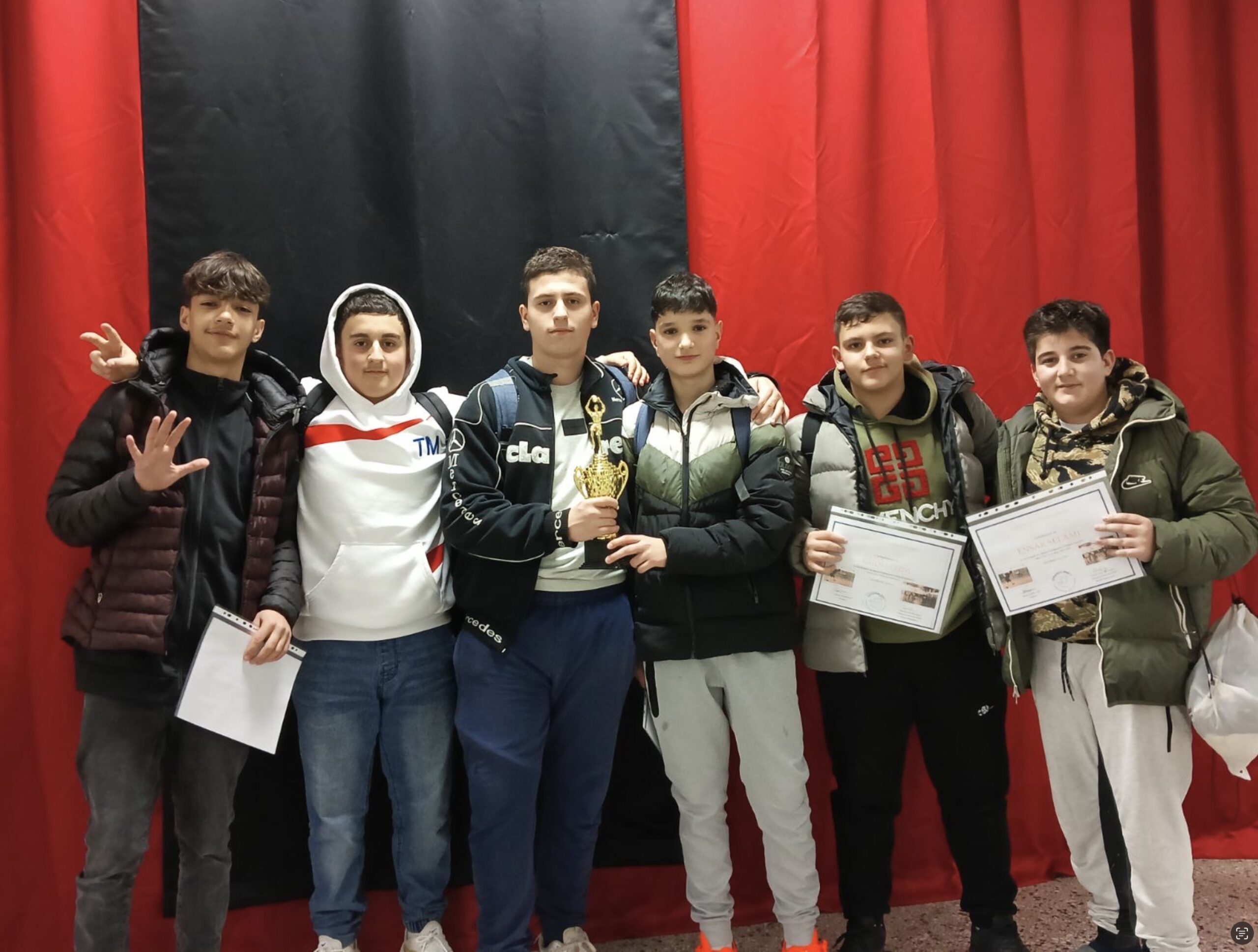
The football camp also saw us say goodbye to a cohort of participants, who had been with our school club for three years from age 11 to 14, and for whom it was now time to graduate from the programme. Many have attended three times a week, and a measure of the programme’s impact has been that school grades have improved over the course of their participation. Another positive impact is improved behaviour, and another has been developing leadership, which is displayed by the oldest to the youngest. We see these as indicators to what happens when there is investment in lives, and when human value is recognised.
A recent evaluation of the kids showed a few of them wanting to be professional football players. Who knows if this will be a reality, but the club helps build the likelihood that these kids will later see themselves as candidates for vocational training and employment, and not for N.E.E:T. or the darker destinies of drugs and daggers in the enclave.
* name changed