
North Macedonia
For Violeta*, seeing people take steps and make changes is her biggest motivation. As the nutritionist at OPM’s Hope & Health Centre, she finds joy in seeing changes in habits and improvements in people’s lives happening in the enclave. In this community, limited budgets and long-established habits often lead people to cook with too much sugar, white flour, and oil. The results are inadequate protein intake, obesity, widespread back problems, diabetes, and, for many, an early grave. Many Albanians spend evenings hosting guests, or mysafir, with no option but to show hospitality and generosity by serving what they have: lokum (Turkish delight), gorabija (biscuits and sweet snacks), white bread, and sugary drinks.
Semra* was one of those who came to the centre after earlier completing the vocational skills programme. At first, her husband gave her a hard time about spending time outside the home. Nevertheless, she persevered, determined to explore everything the centre had to offer, eventually joining the physical therapy exercises there. Finally, she attended Violeta’s seminar on nutrition and how healthy food contributes to healthy lives. Violeta’s training covered how to build healthy eating habits, as well as healthy routines in other areas, such as sleep patterns. In short, it focused on how to develop better habits for a better life.
Semra said she had been looking for this kind of guidance for years. She is 29 years old, with two small children and a degree in journalism, although she was not working. As a mother and a person of influence in her children’s lives, she worried about whether she was providing healthy food for her daughter. Violeta reassured Semra that she was a good mother and emphasised that healthy living does not need to be expensive, even on a limited budget. Violeta cooks this way in her own home. She answers questions such as: How can Albanian food be made healthier with less white flour? How can traditional dishes be prepared in ways that are actually good for you? Foods like flija (heavy baked flour cakes), pide (pastries), burek (meat or cheese pies), kosi (yoghurt dishes with meat), and baklava can all be made in healthier ways, for example by using honey instead of sugar. Semra is eager for all this information.
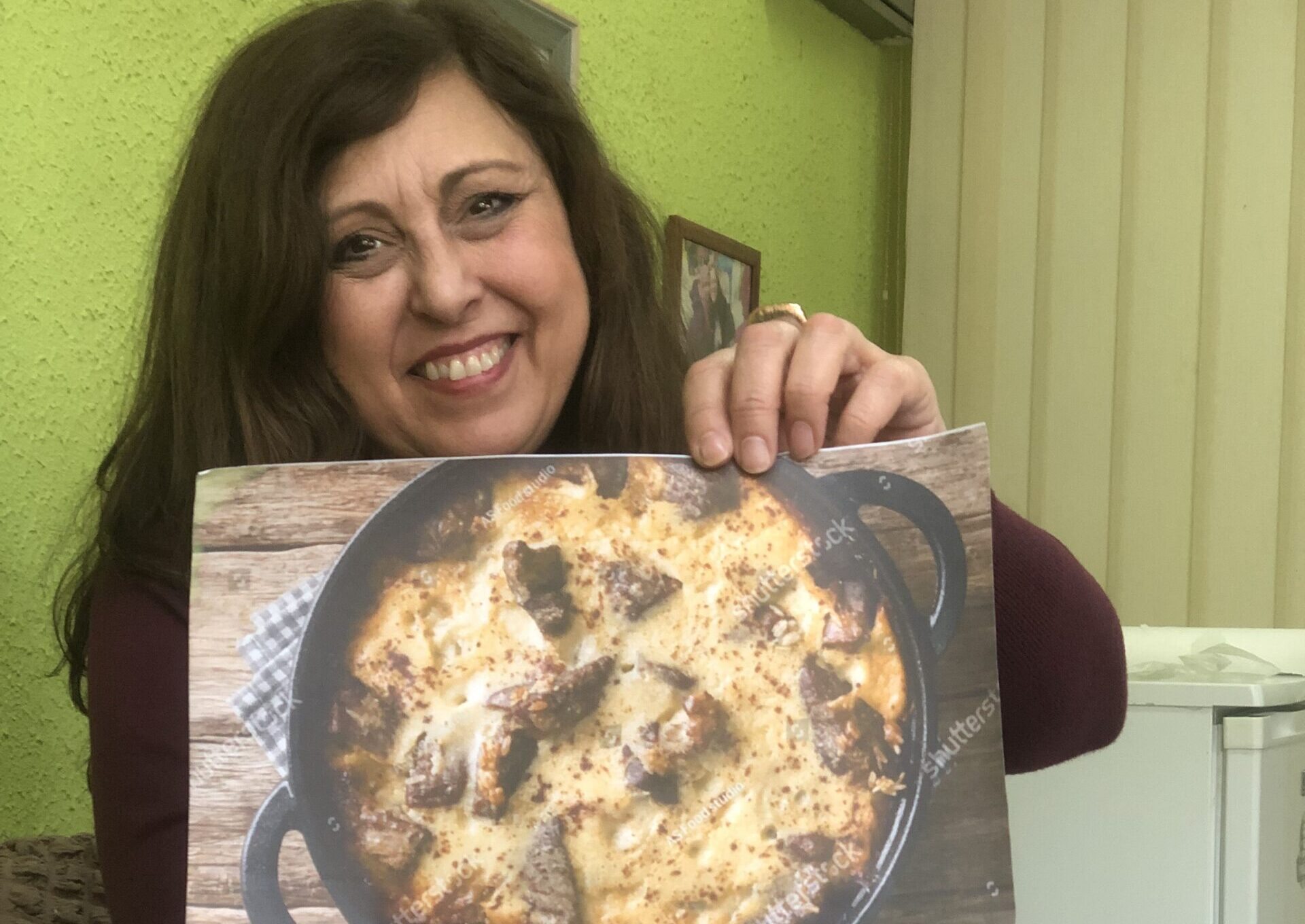
Violeta says, “Every time we talk about habits and which habits will impact our health, we say that food affects our peace, our energy, our sense of well-being — everything. And that the point of food is nutrition, not weight gain.” Violeta works hard to create an environment where people feel free to ask questions without fear of judgement or embarrassment. Her own research never stops, and her message is holistic: exercise is important for psycho-social health, and better sleep supports the body’s healing processes. But throughout it all, nutrition remains her focus. How can food be used in the best way? How can you prepare an avocado? To be sure, money and habits remain challenges, but healthy food does not need to be exotic. As Violeta says, “You can eat apples and not papayas.”
(*Names changed)
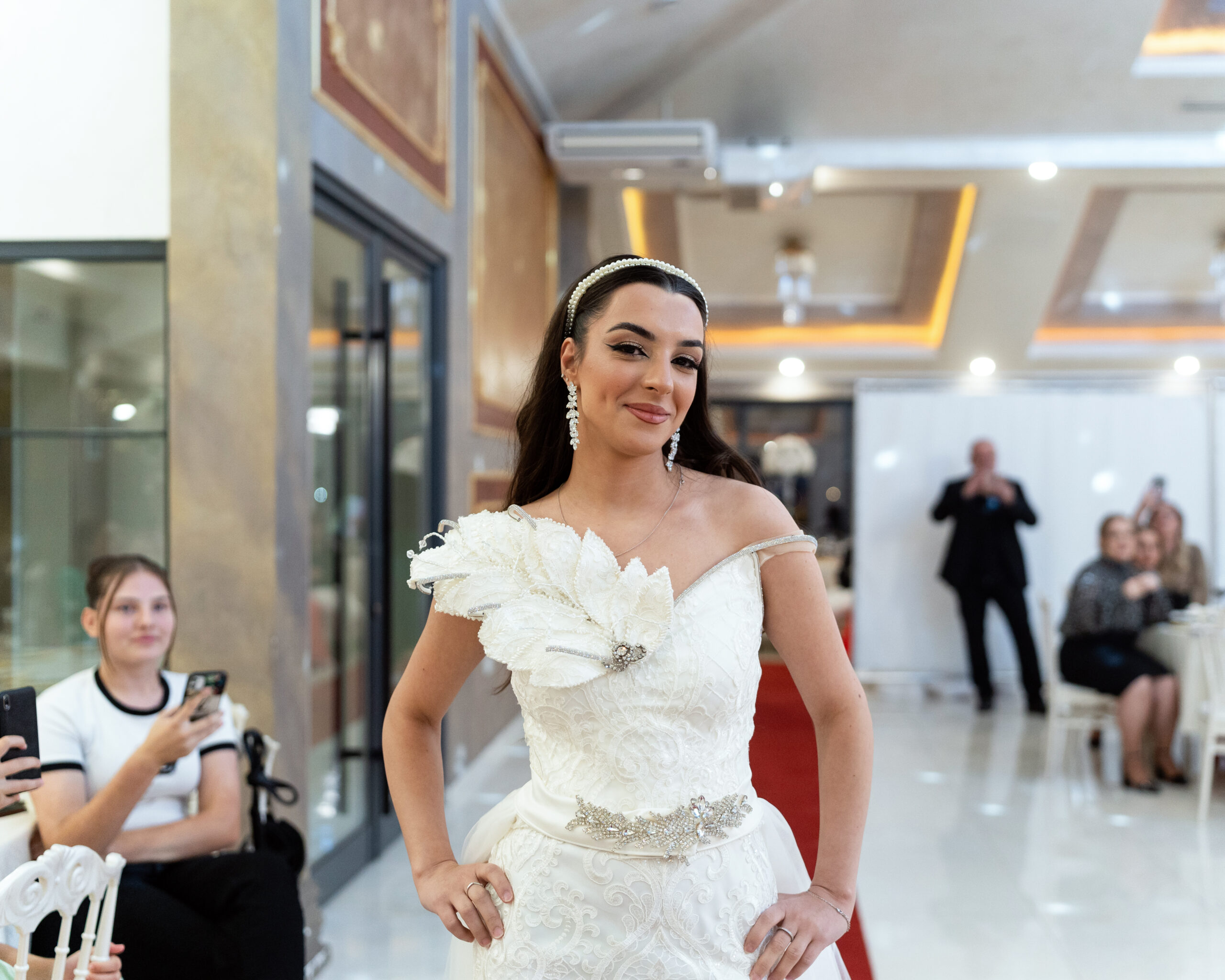
The Road to the Top
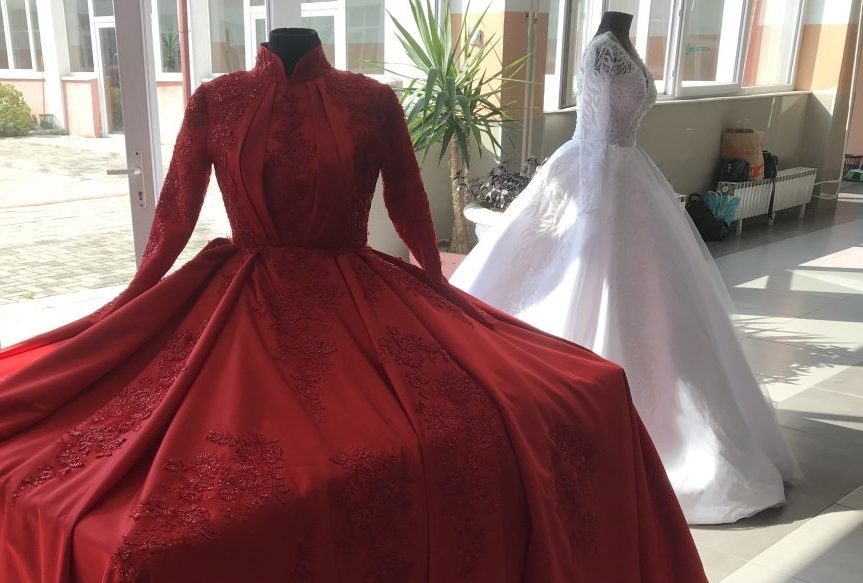
Our Galaxy Event for STEP graduates each year is a dazzling display of talent and creativity. Dresses, wedding gowns, hairstyles, and stunning cosmetic creations are there for all to admire.
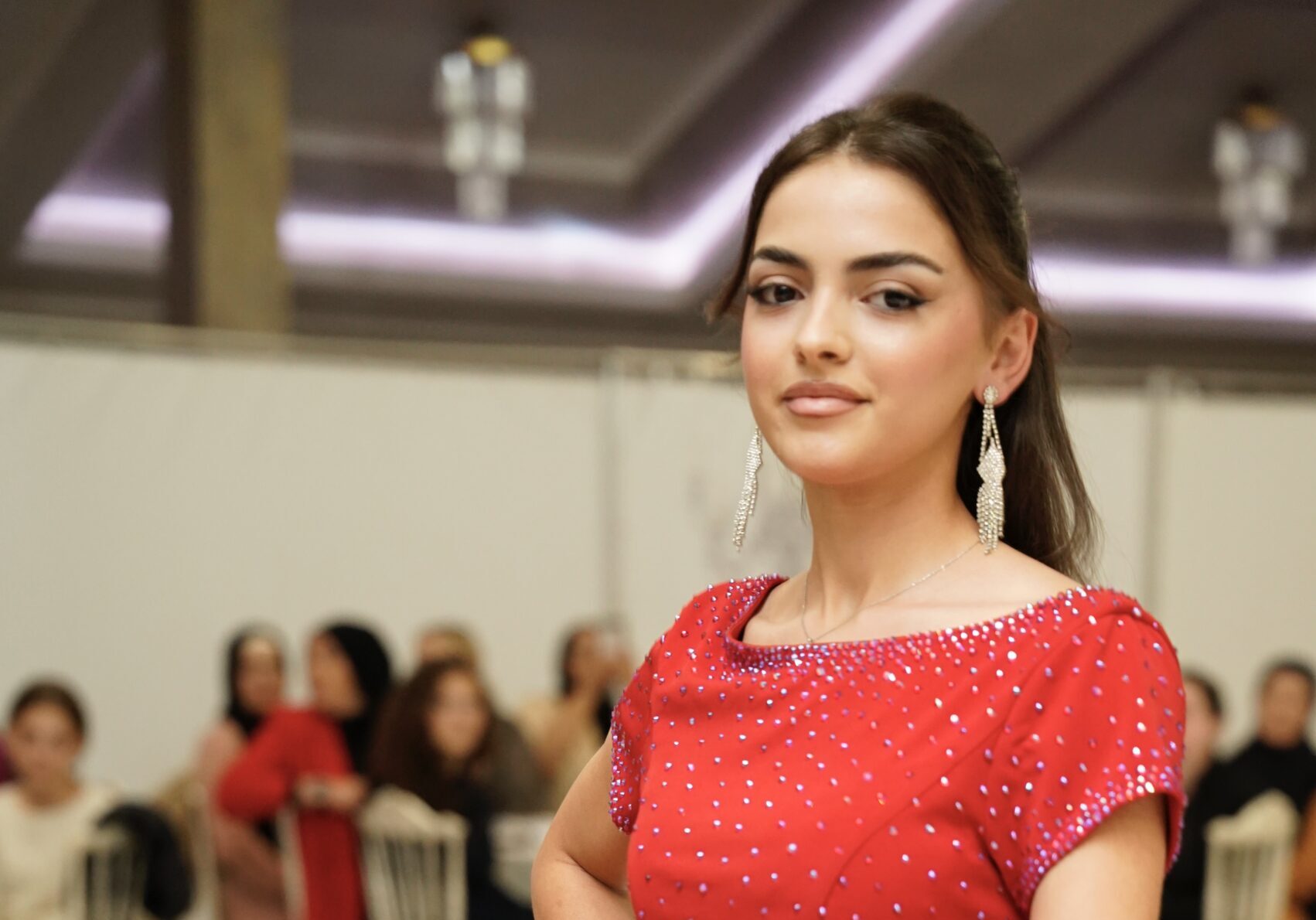
Germination for Change
Young mother Amina*, a graduate of the Skills/Startup Training Empowerment and Practice (STEP) vocational training programme, is opening her dress shop today. The 31-year-old completed the course in 2022,
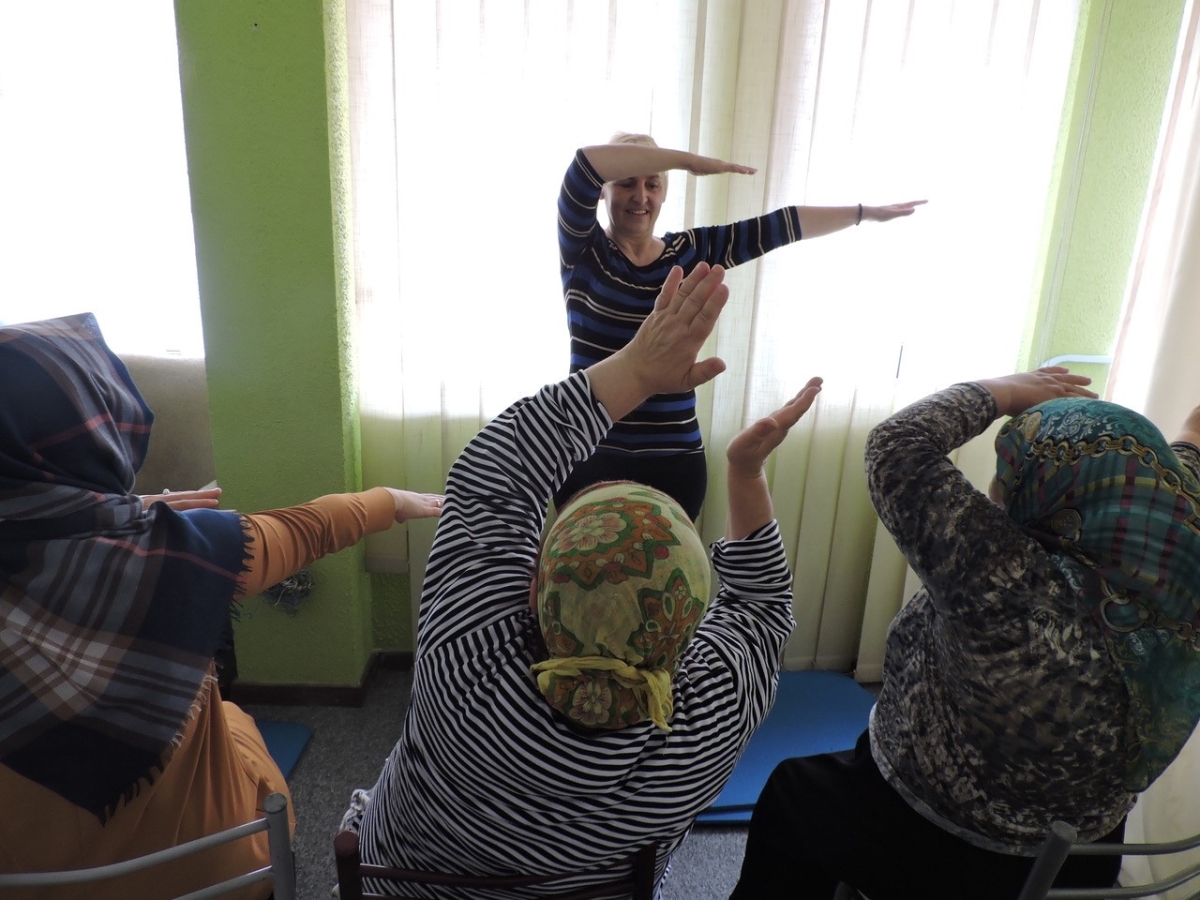
You have healed me with your exercises!
“When I come here all my worries go away.” Exercises and social support are making a difference in women’s lives.
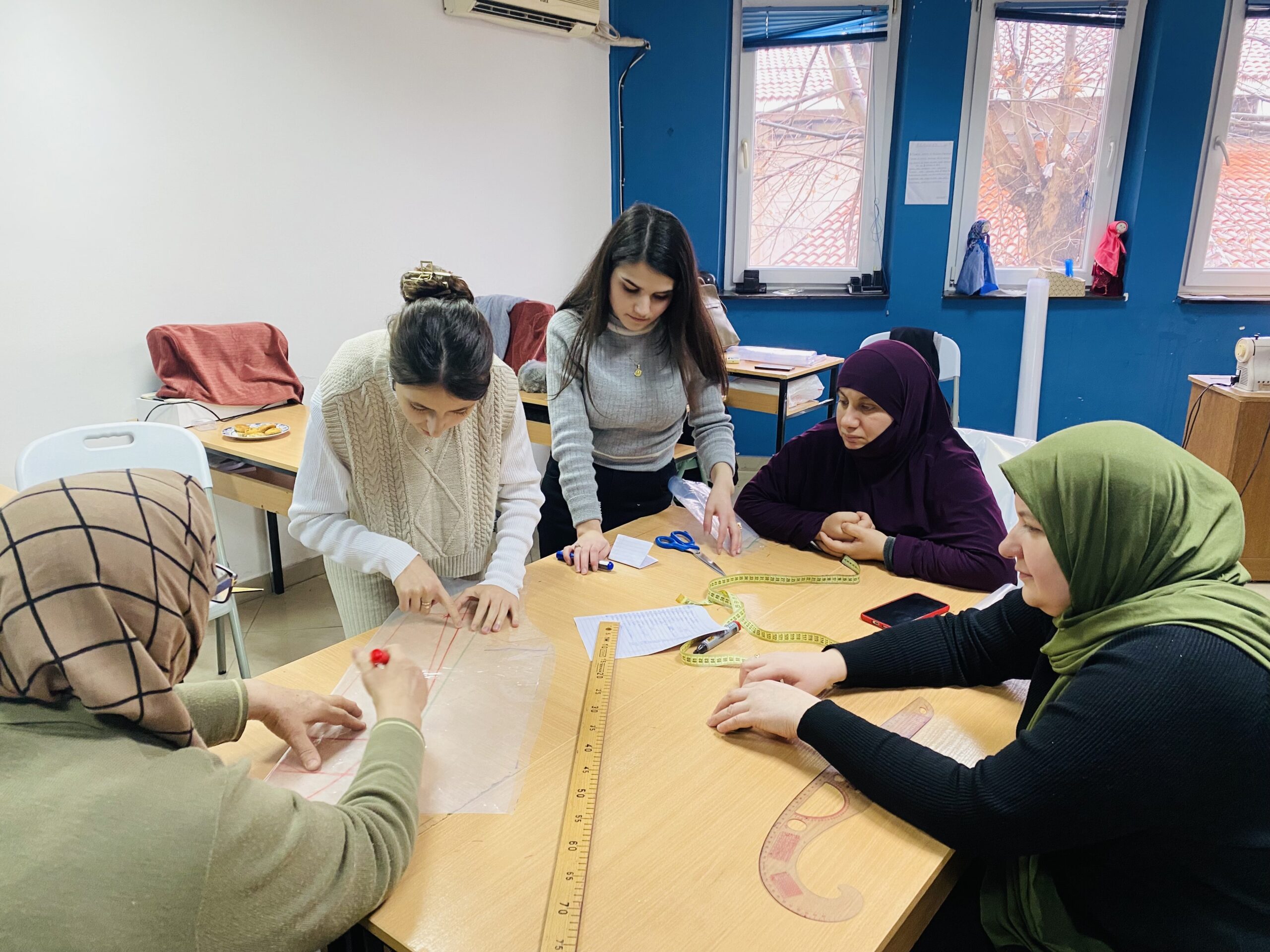
Finding Sunshine
In STEP vocational training, Azra is now part of the sewing group. She was already able to sew the most beautiful front pieces of embroidery at home and soon,
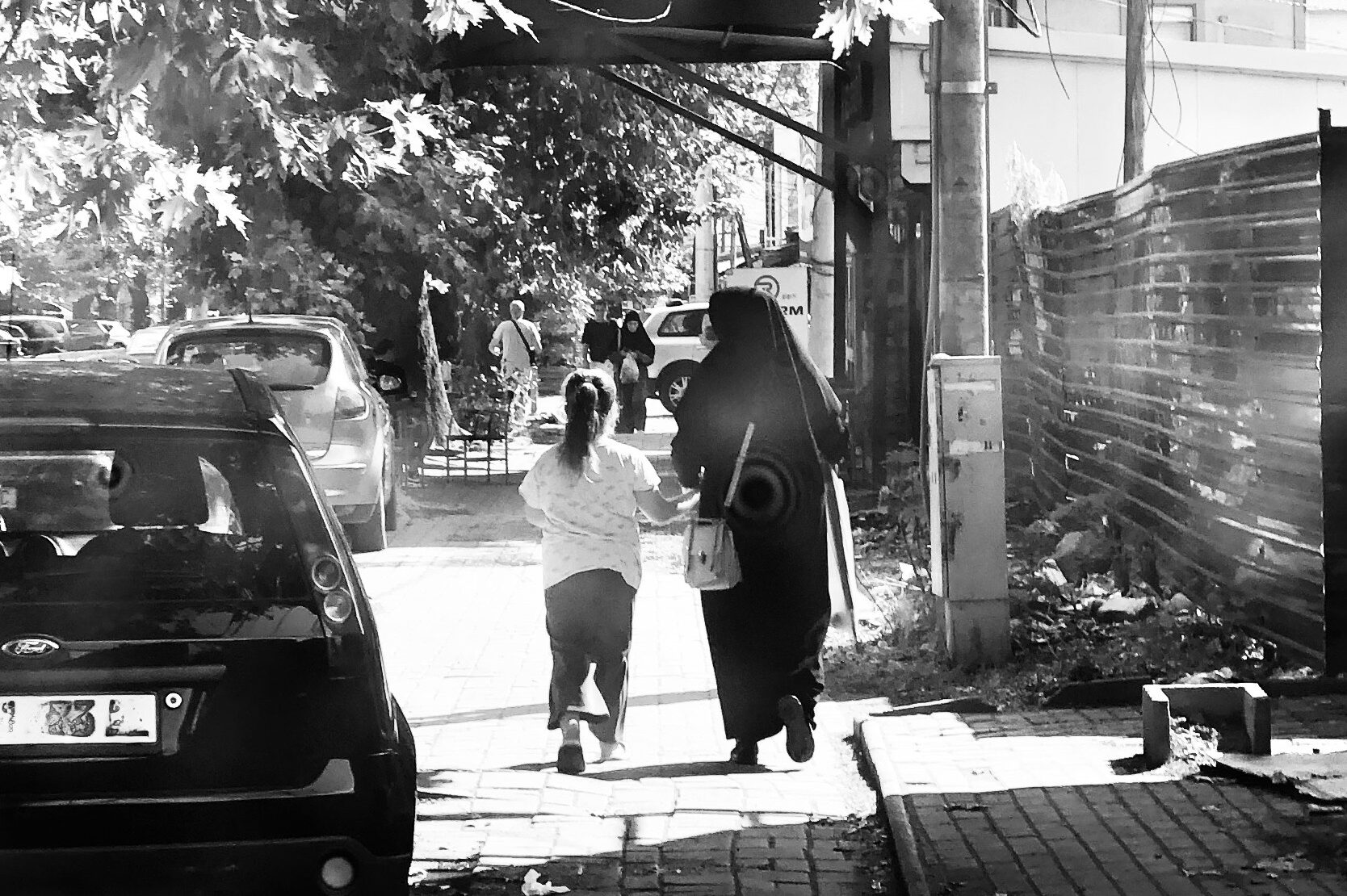
“If you are with me, I’m not afraid to go forward.”
She told us, “If you are with me, I’m not afraid to go forward.” We believe in her and trust that she will take the next step towards making her dream come true.
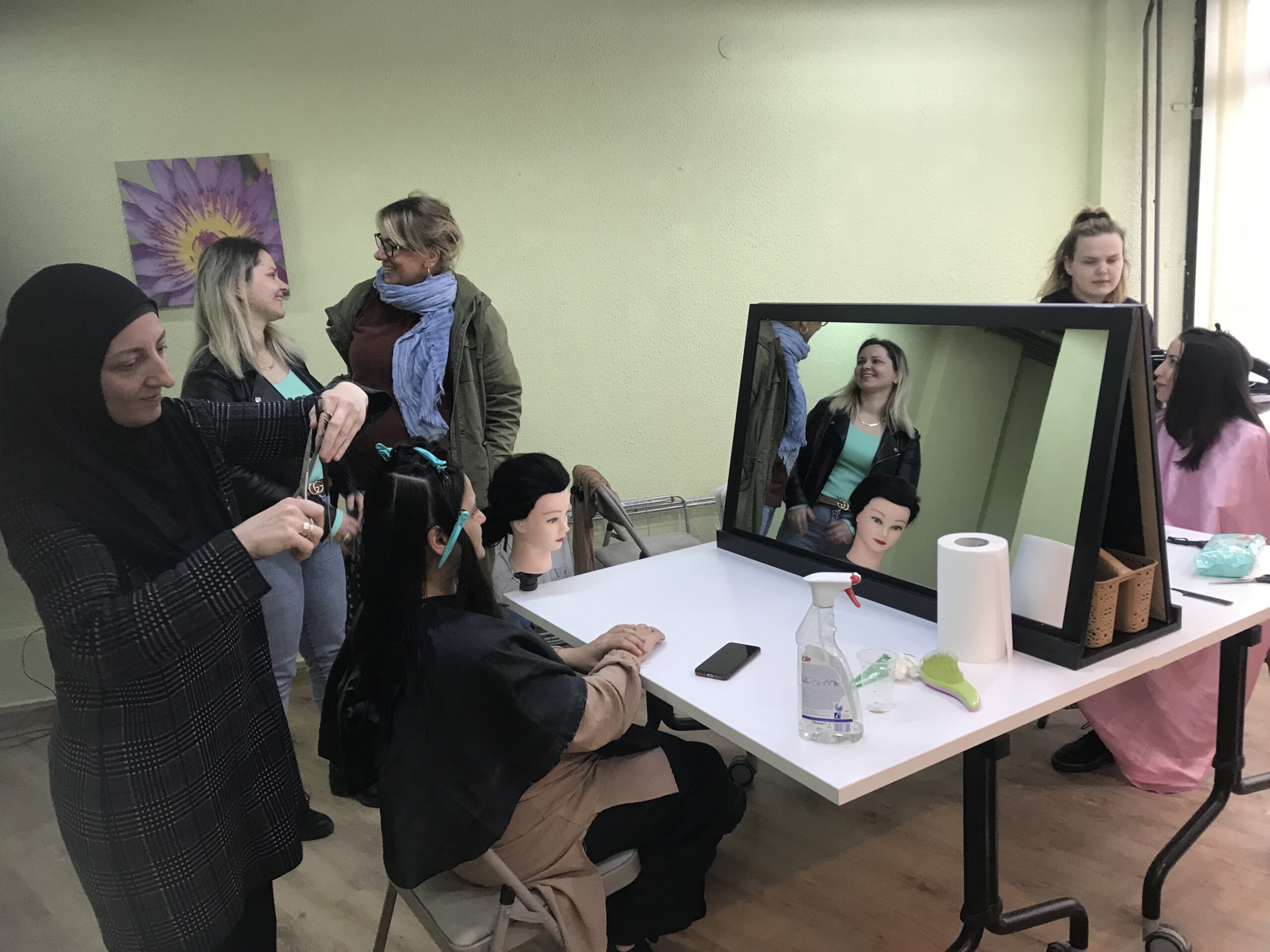
“I’m not going anywhere!”
Ajnur* came to STEP 4 following her sister, who had completed STEP Cycle 3 before her. Both were orphans on their father’s side, bonded not just by blood but by loss.
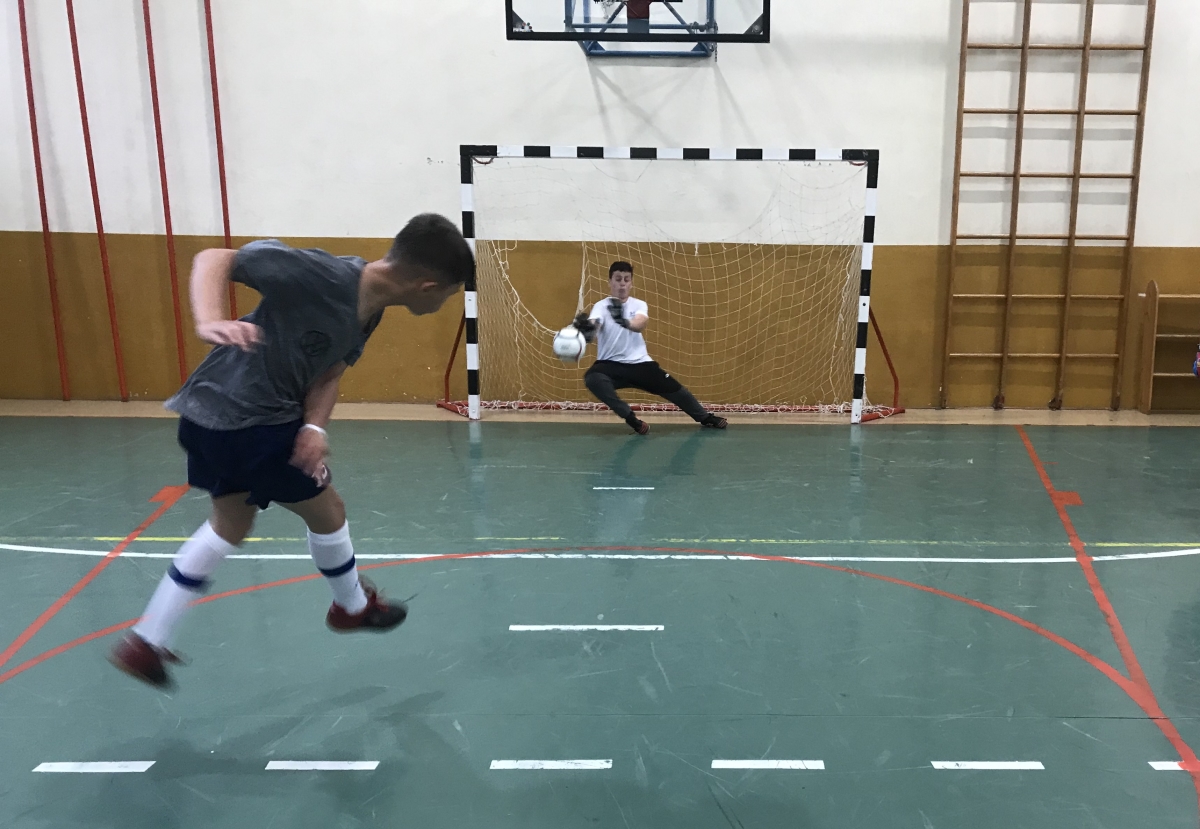
Together for the Neighbourhoods
One school director partner has been a pathfinder for Operation Mercy´s youth dimension of STEP in the toughest neighborhood in the city.
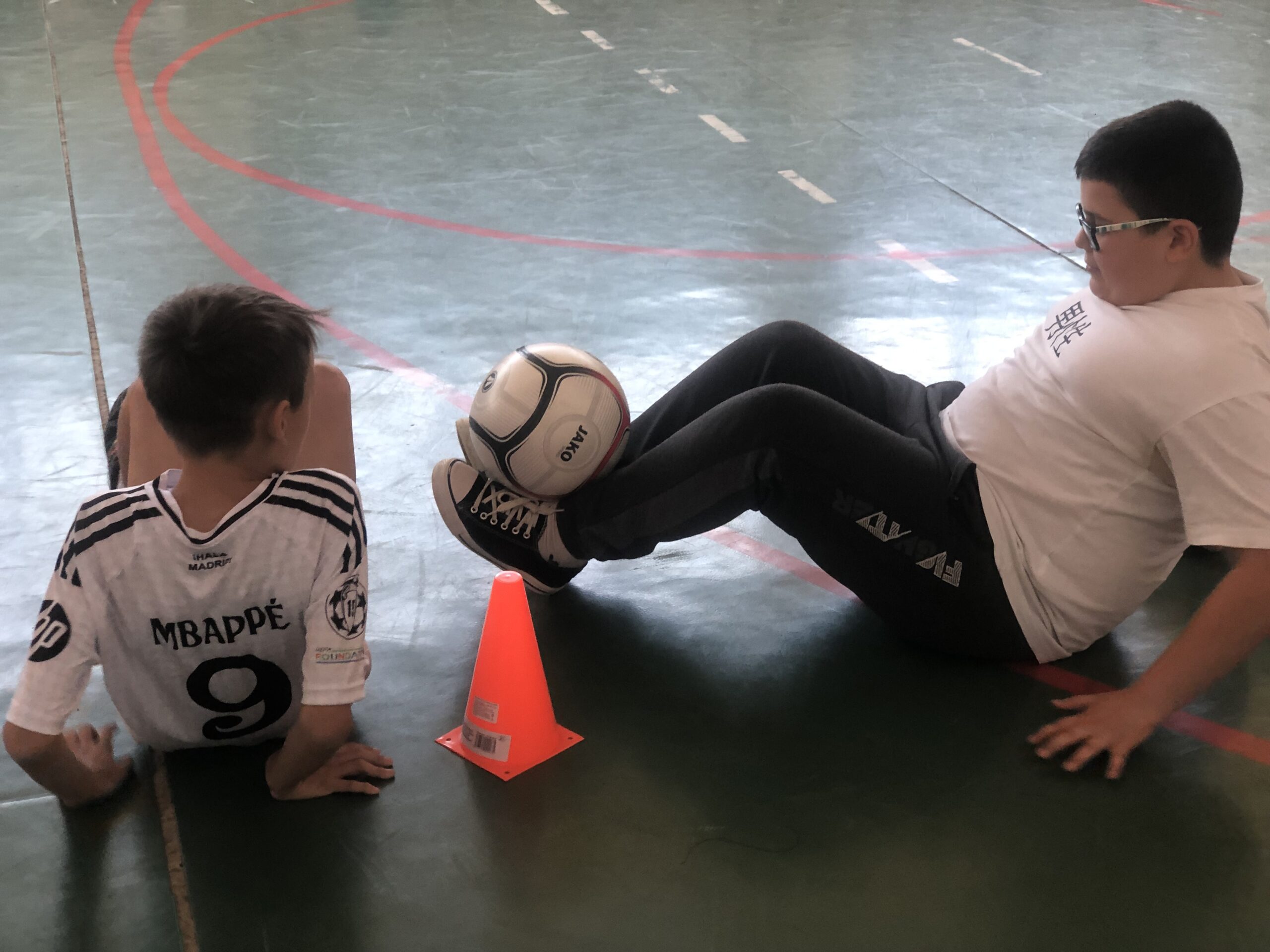
“I’m playing for my family.”
North Macedonia – STEP: Rrustem’s StoryRrustem joined us three years ago when the football project first began, and he has remained one of the chief “veterans” of the Skopje Eagles.
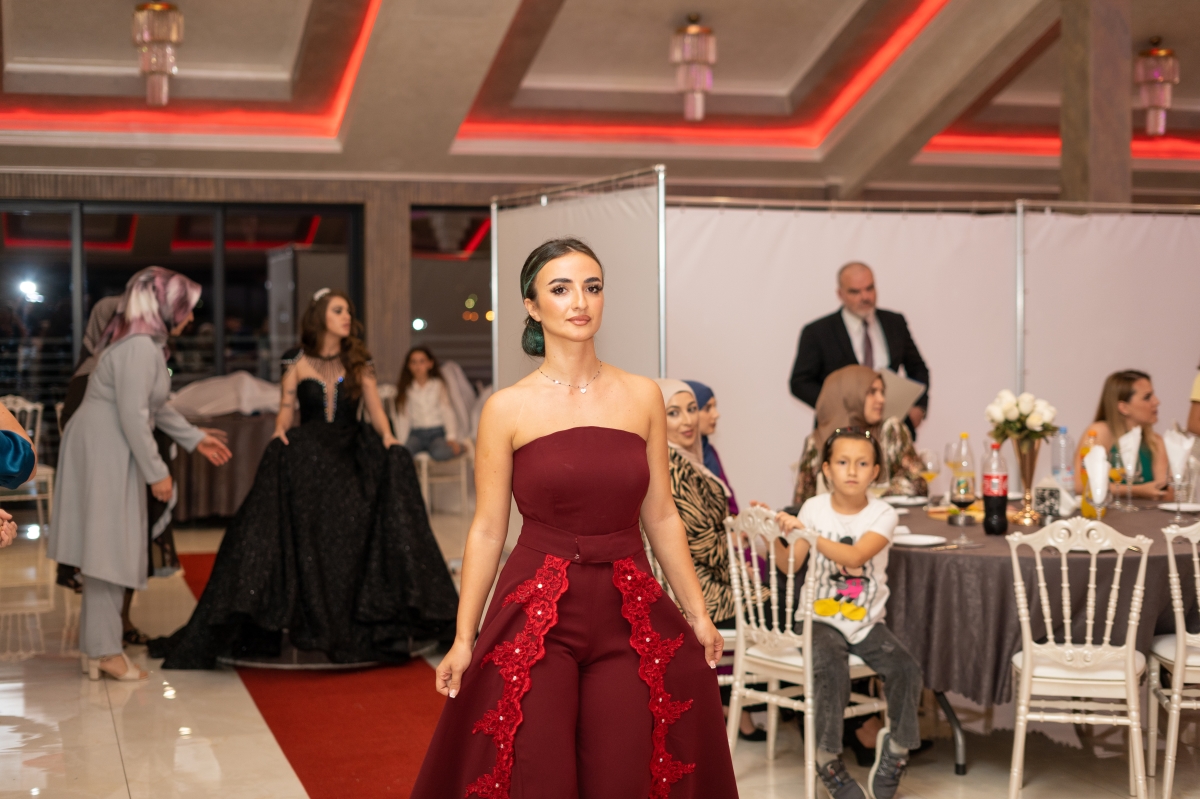
Talent in the Room
The quality of training and product in all areas was professional; the standard had been raised.
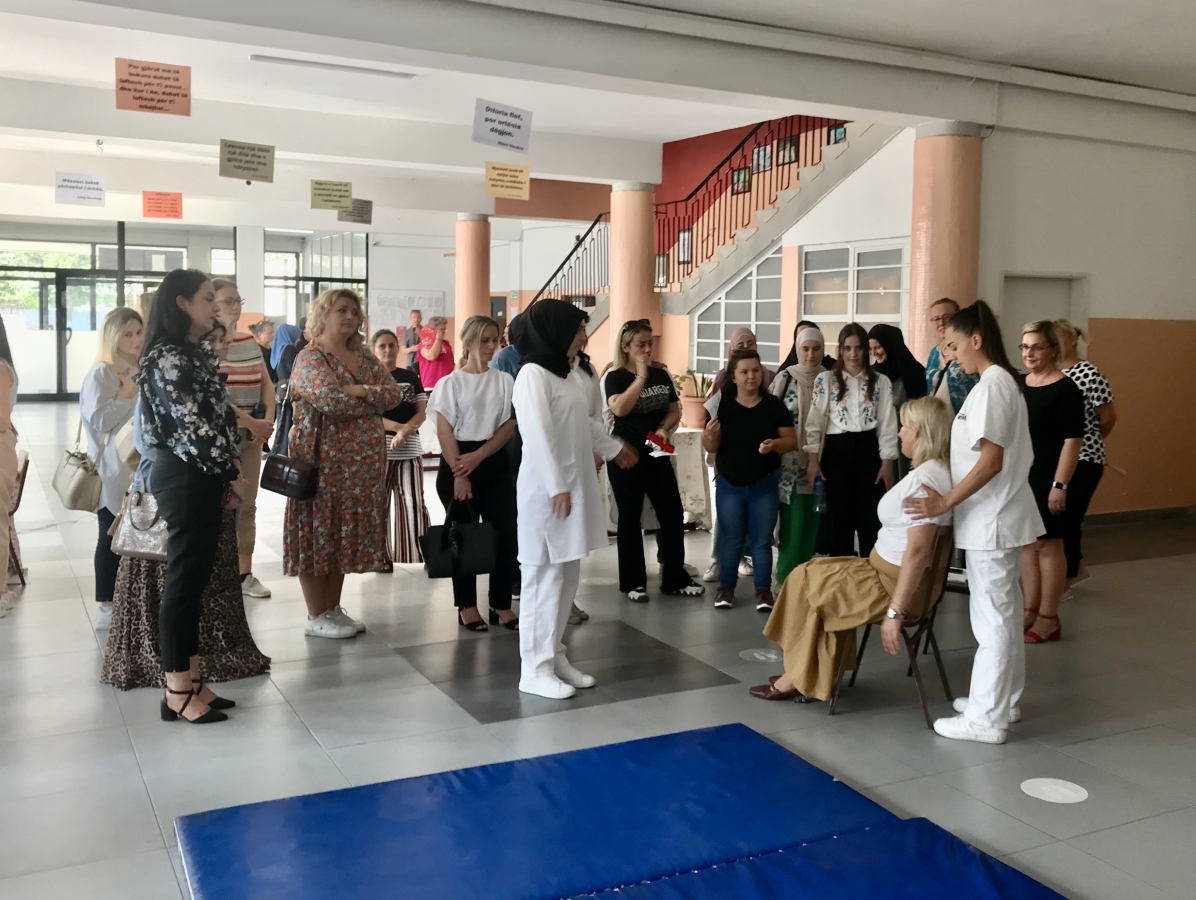
Getting Close
Serving at Hope & Health has given our staff the opportunity to be make a difference in people´s lives in Skopje, in a way that can only happen over time.
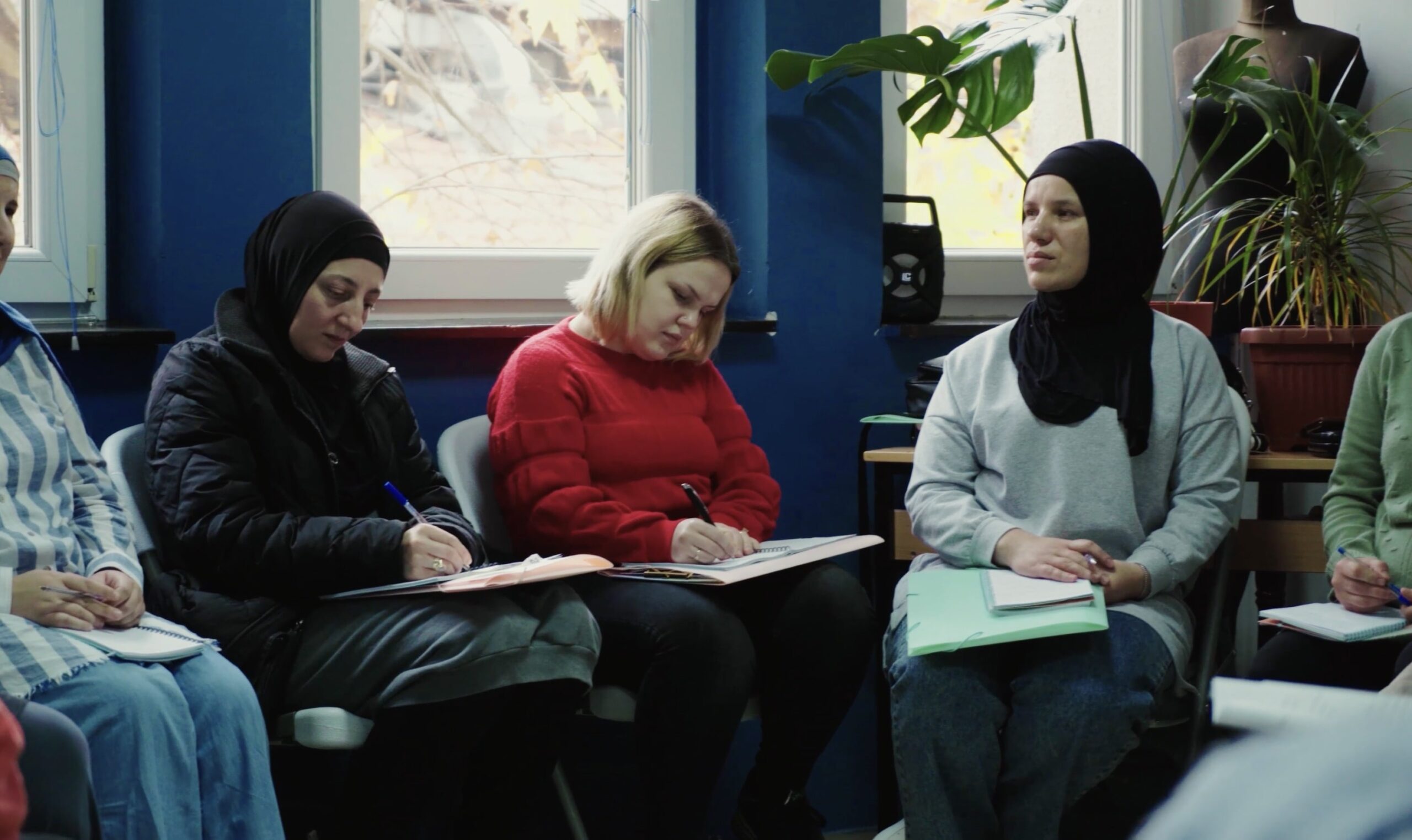
Ties that Bind
The STEP program helps women from the north side of the city literally take a step and to move forward together with others.
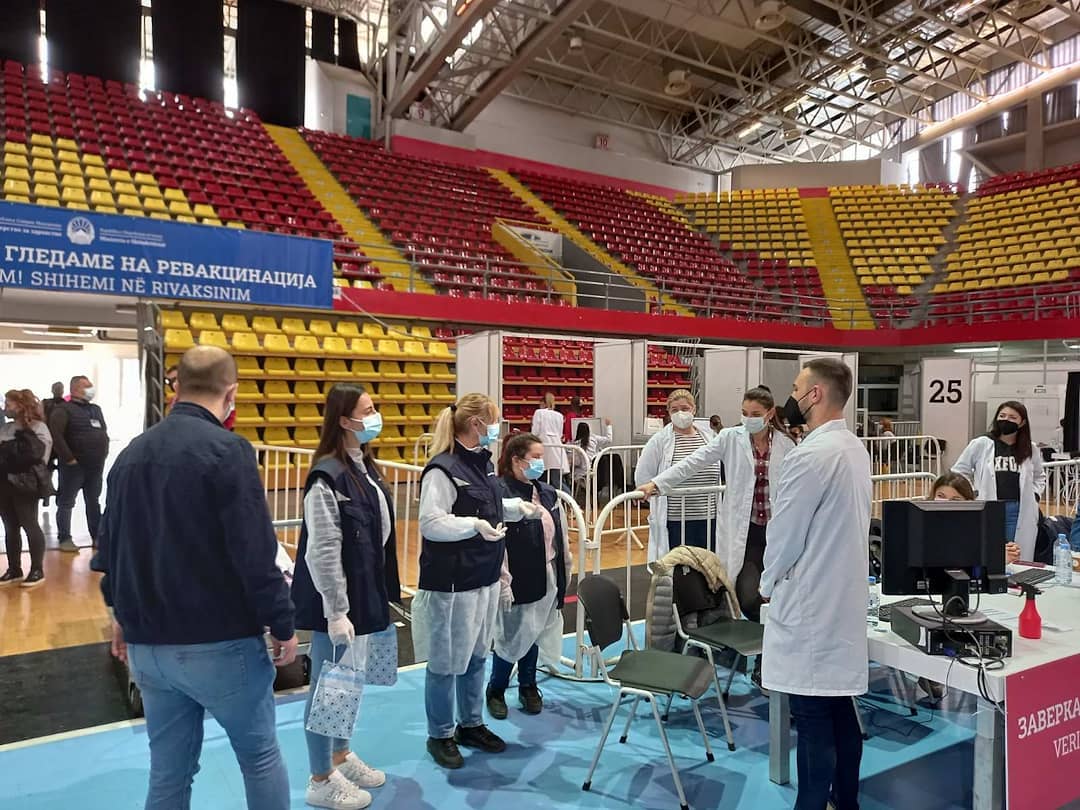
Everyone Needs To Know They Are Not Invisible
The third wave of Covid brought a shaking up in the community in the capital of North Macedonia. One way our Operation Mercy team made a difference was by coming alongside the medical vaccination personnel in practical ways.
The Class of Transformations
The STEP class of this year has been a story of new beginnings.
Human Capital
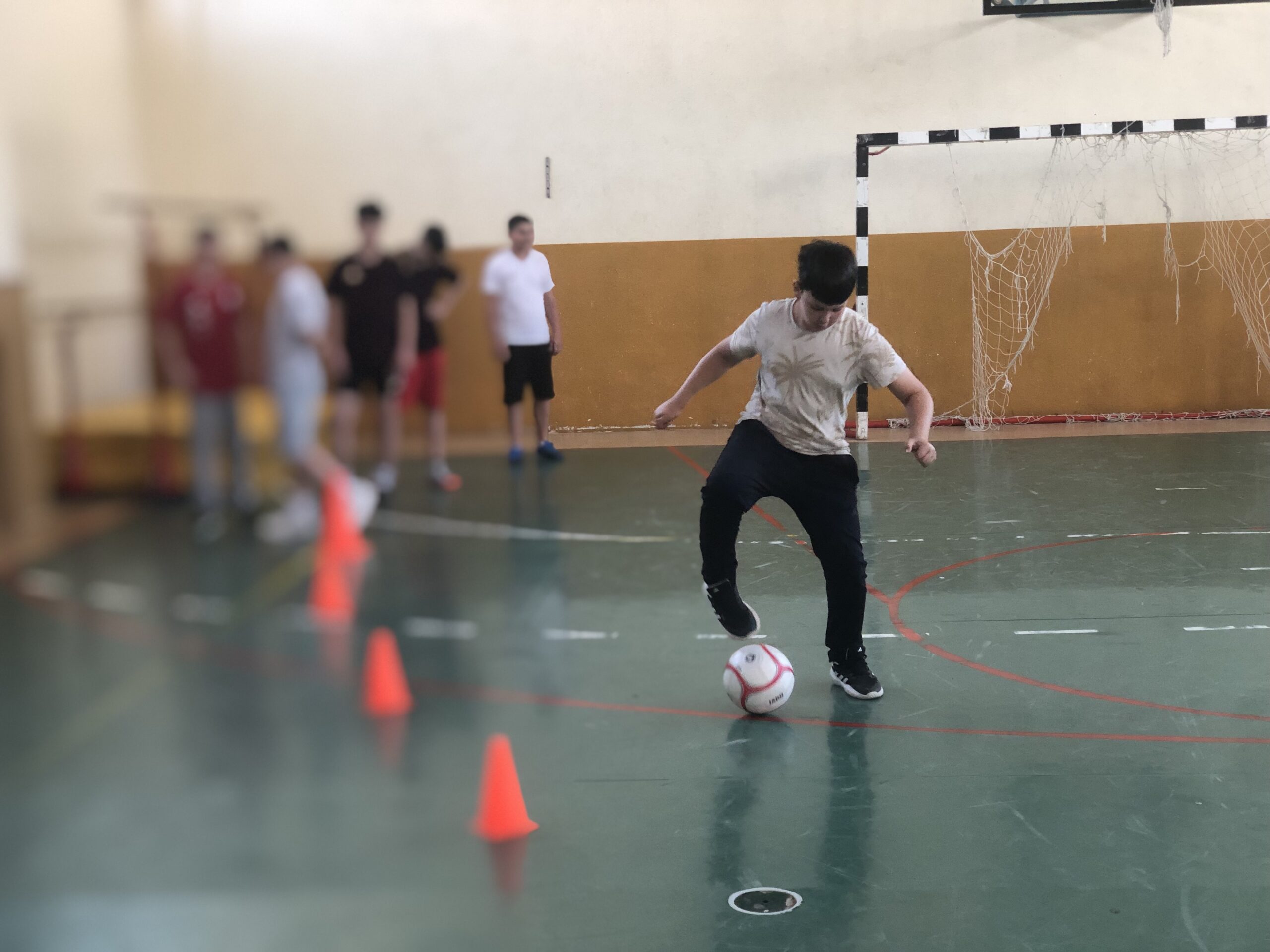
The World Bank´s most recent diagnostic of North Macedonia records one of the worst development of human capital records in Europe, where N.E.E.T. (youth who are Not in Education,
Underdogs
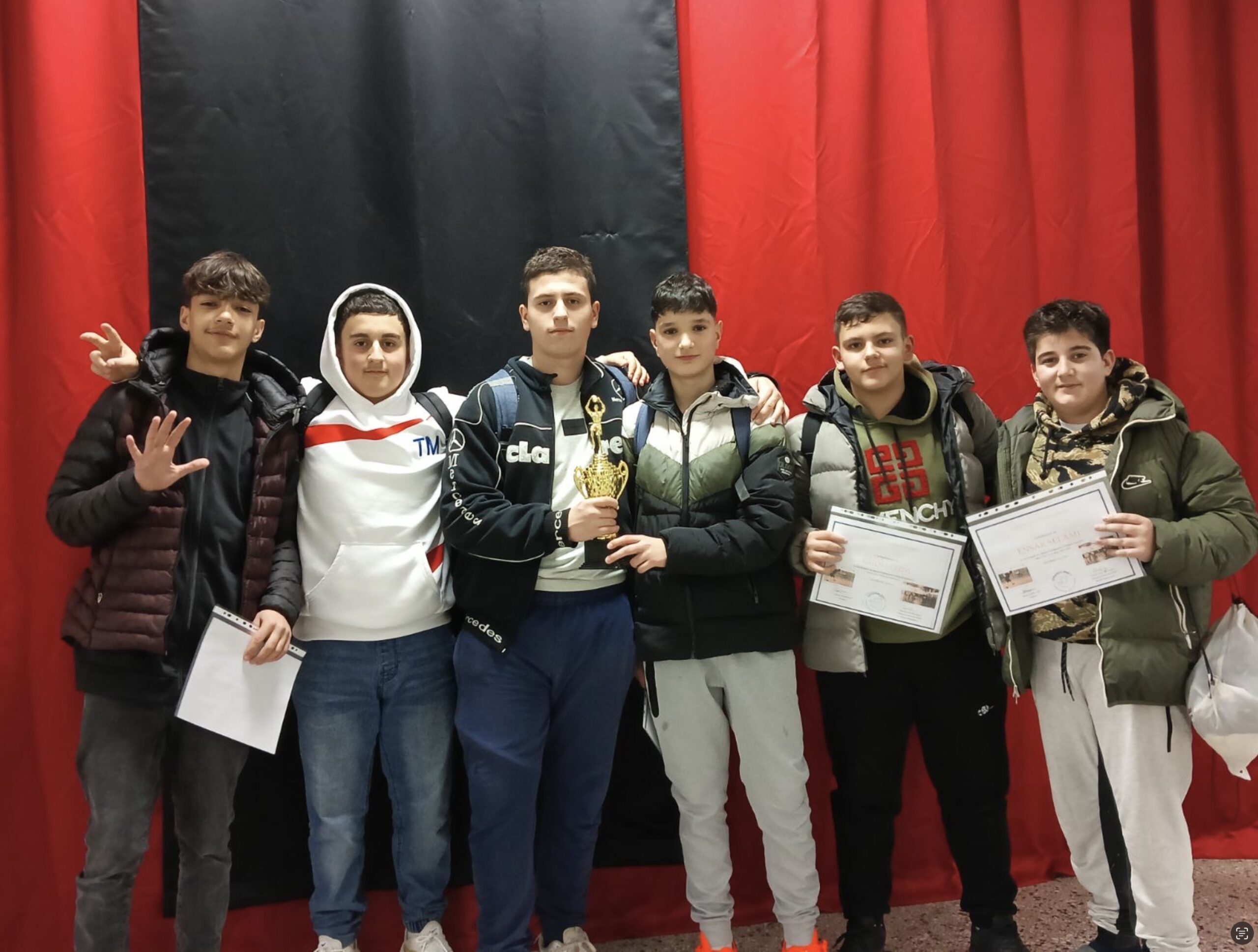
“When we have the breaks in the training programme, some of the boys catch me and want to talk about how things are going at home.
The Right People, Ripe for Change
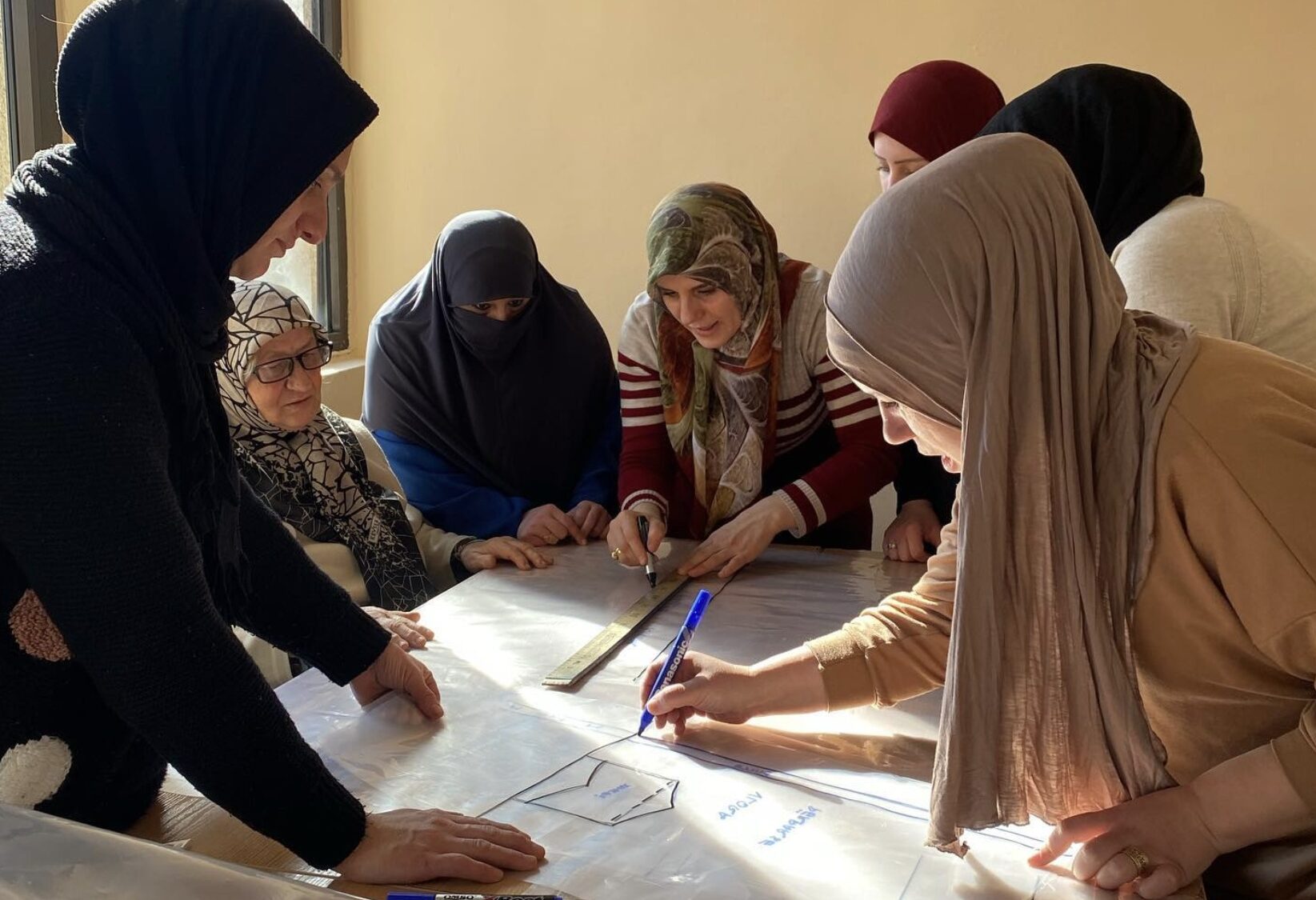
Operation Mercy is about people. At its heart, it’s about believing in the right people—those who are ready for transformation—and praying that they find their way to us.
A New Normal
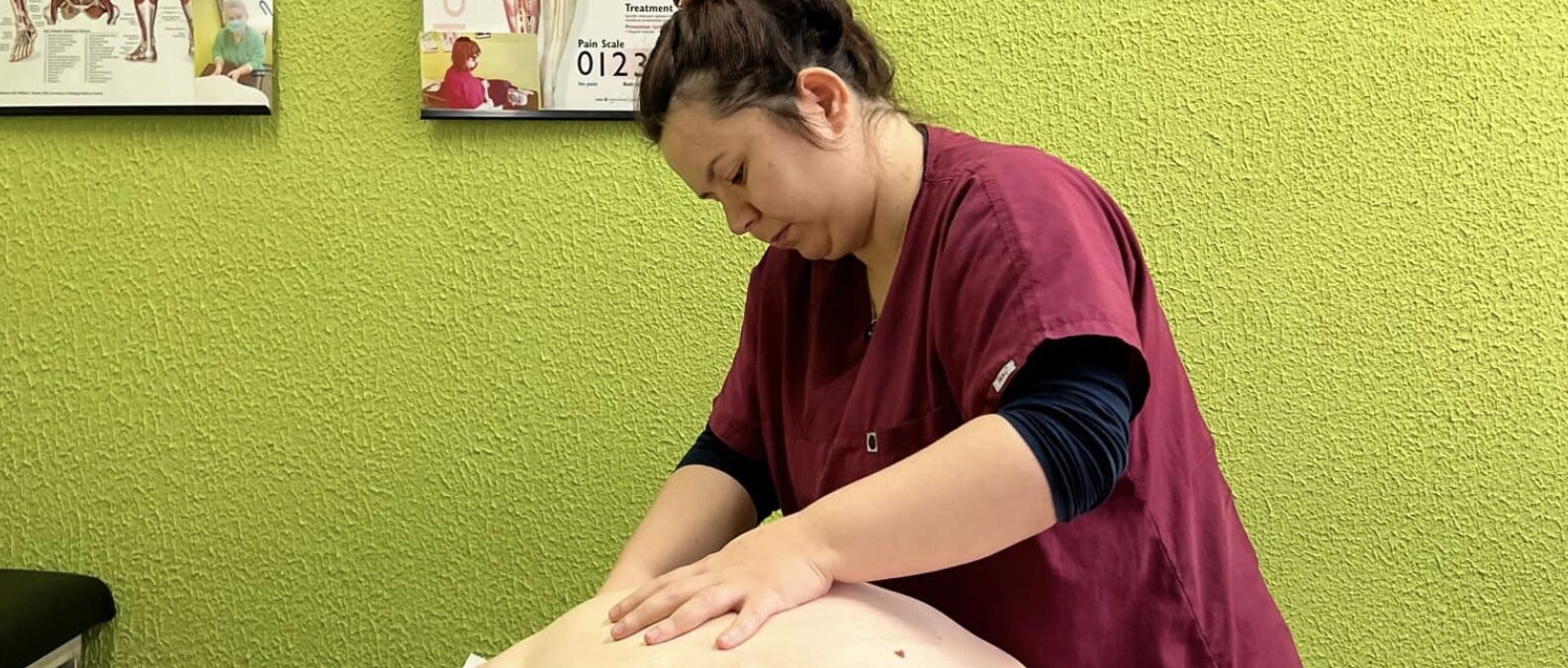
Fatima lost her husband, Omar, three years ago. After the birth of her second child, she suffered from postpartum complications that left her with severe back pain and limited mobility.
Looking Back, Looking Forward
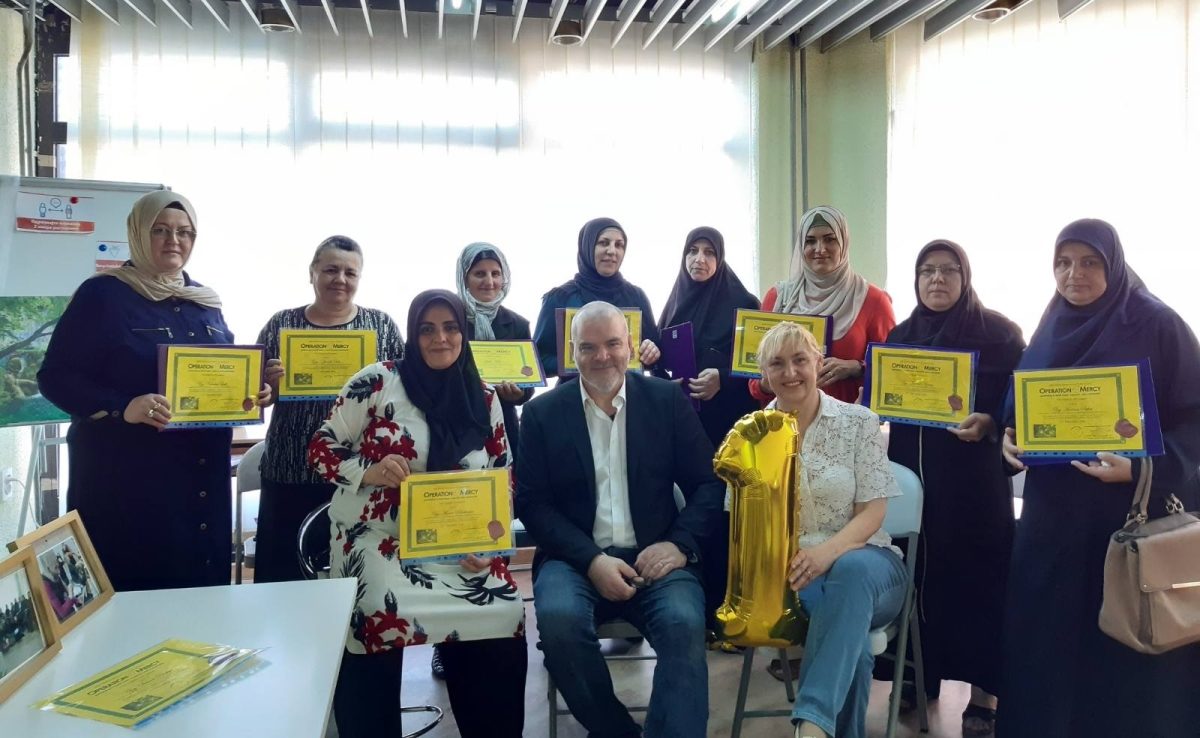
Looking forward, we have our ears to the ground, to listen to the community and discern a path of hope into the future.
Apples and not Papayas
For Violeta*, seeing people take steps and make changes is her biggest motivation. As the nutritionist at OPM’s Hope & Health Centre, she finds joy in seeing changes in habits and improvements in people’s lives happening in the enclave.