
Tajikistan
During the class, participants learned about the causes, symptoms, and risks of hypertension.
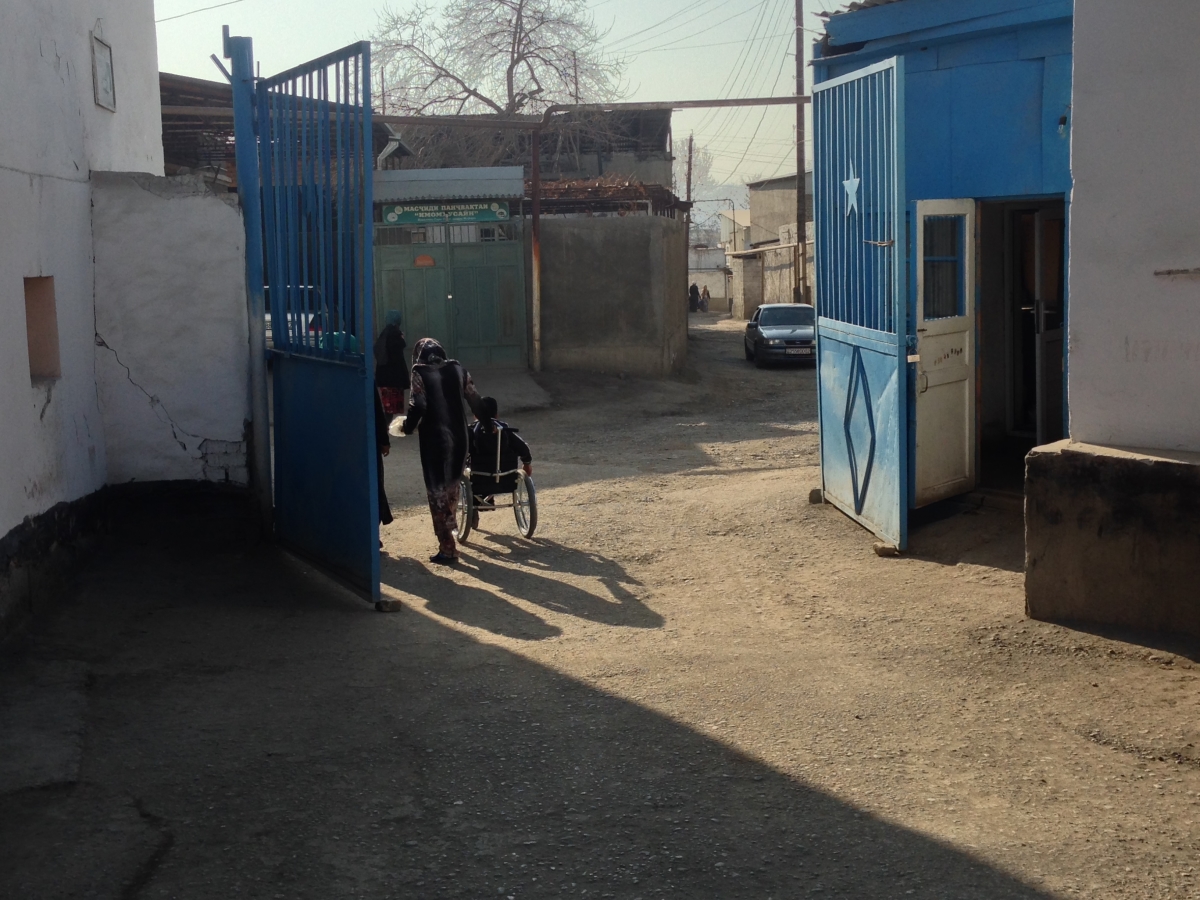
Partnership Opens the Way to School
There are many barriers for a child with disability to access education in Tajikistan. Sometimes this barrier is seen in the attitudes of people that think children with disabilities don’t belong in school or should be kept separate from other children.
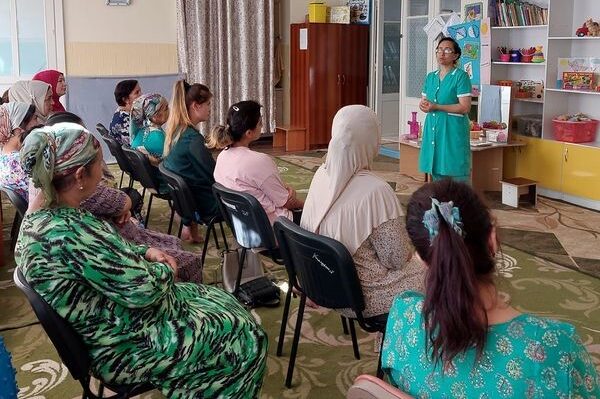
Never too late to learn!
With the support and help from the staff I learnt how to take care of a child with disability.
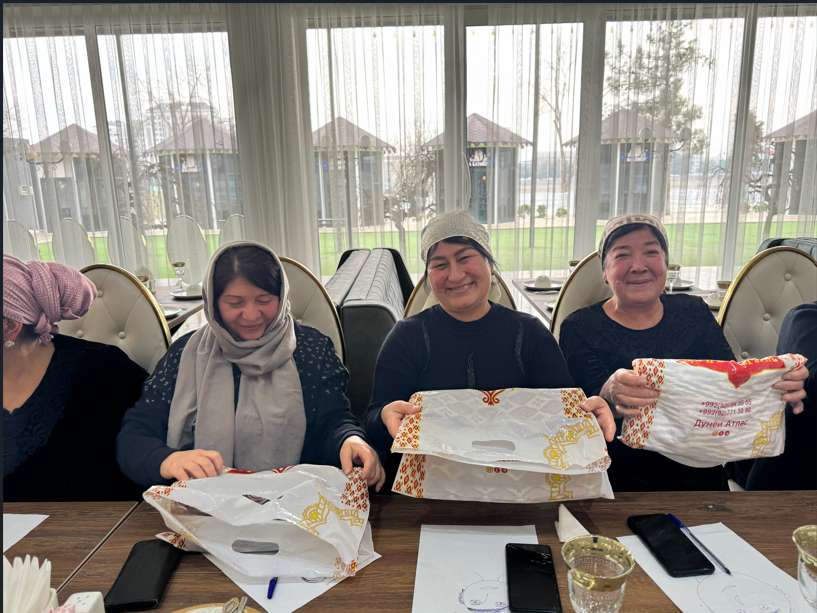
A Celebration of Dignity
This year’s International Women’s Day celebration under the Women’s Empowerment Project (WEP) was unlike any we had ever held before. For the first time, the gathering was filled predominantly by women from the deaf community,
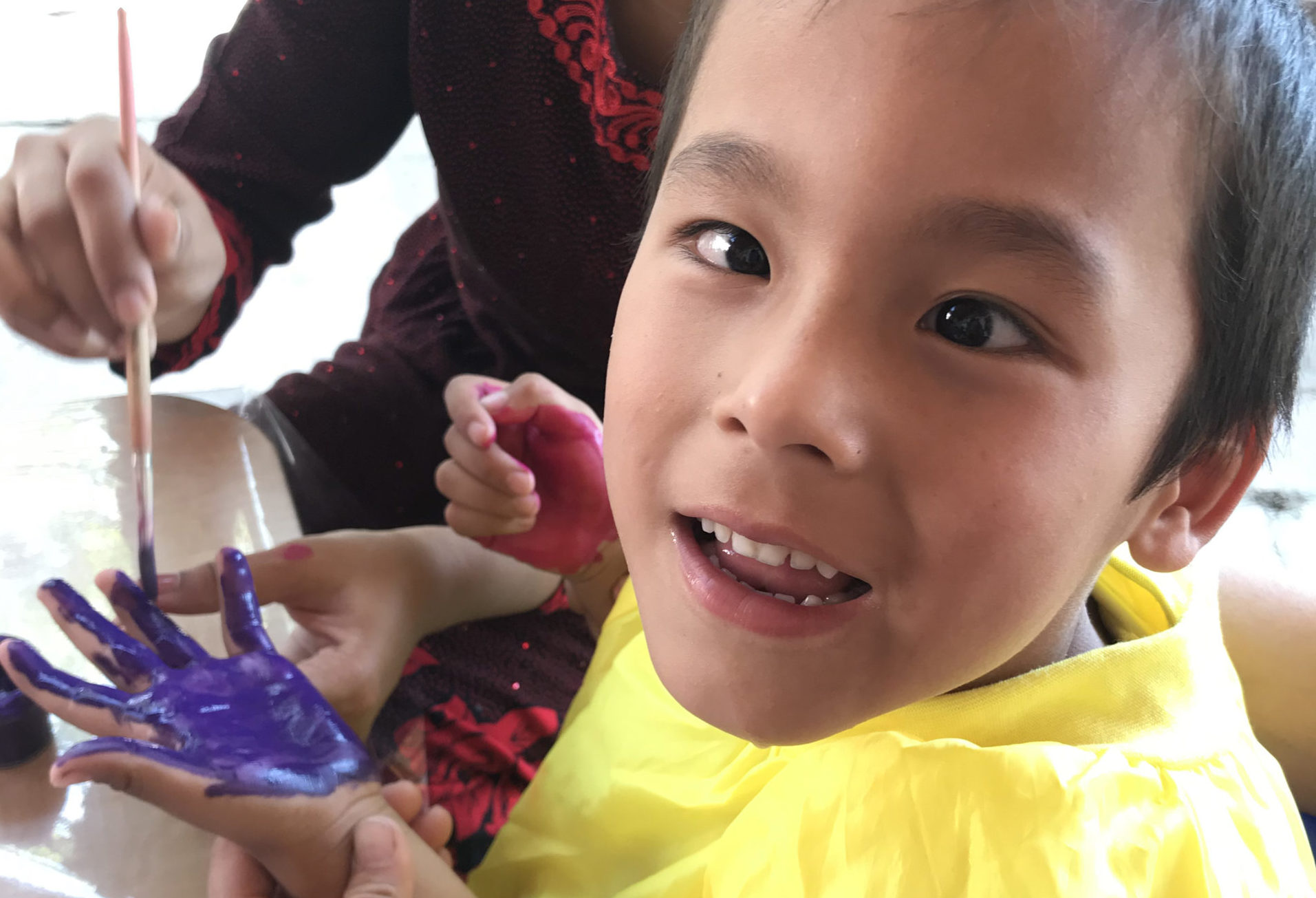
Hope Starts in the Small Things
Most importantly, hope is present for Hamidjon because he has a loving mother, who, through our project, is able to experience support and acceptance, receive counselling and process her grief.
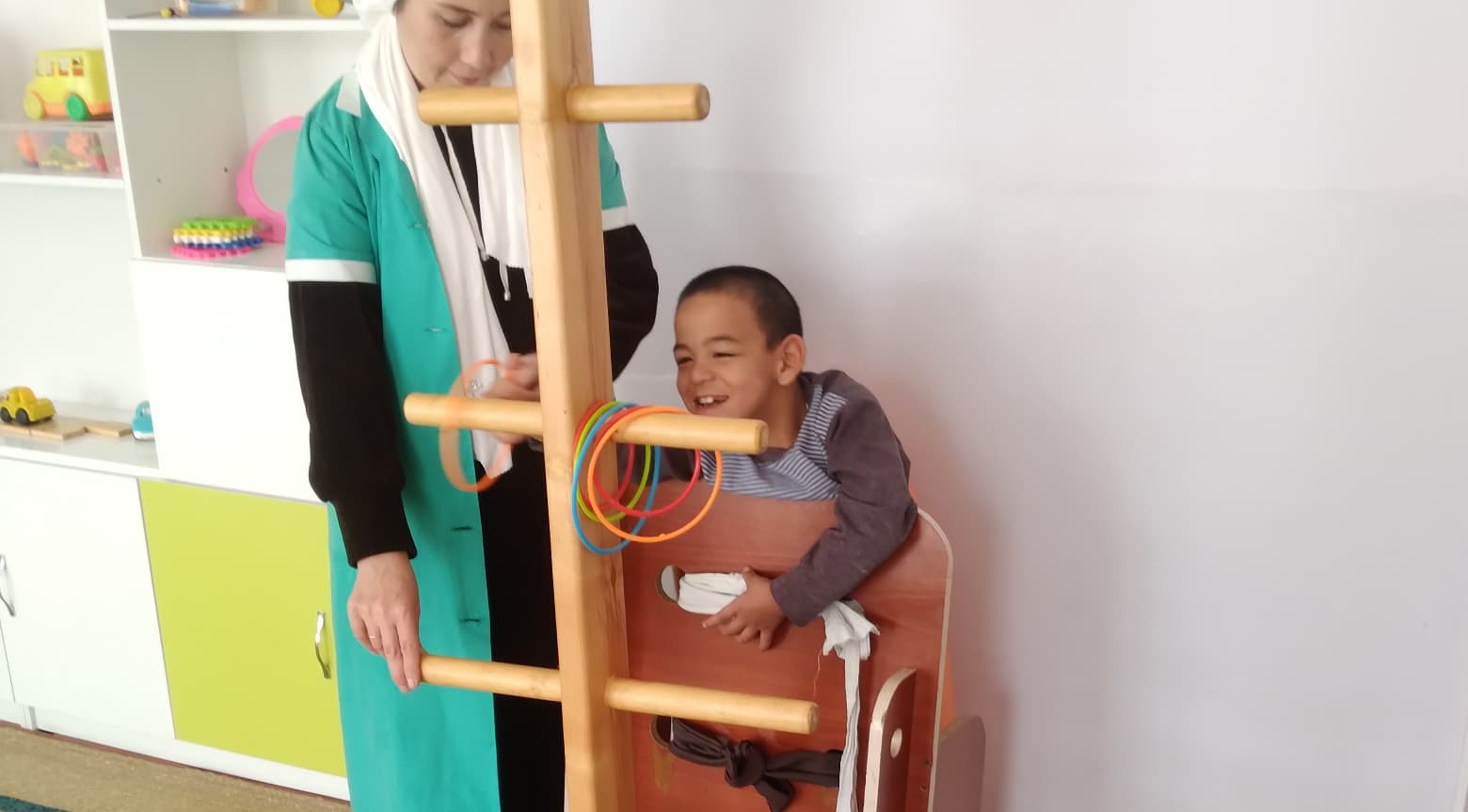
Standing Strong
Farhad is a bright seven-year-old and the third child in his family. However, unlike his siblings, he has faced significant challenges since birth due to Cerebral Palsy,
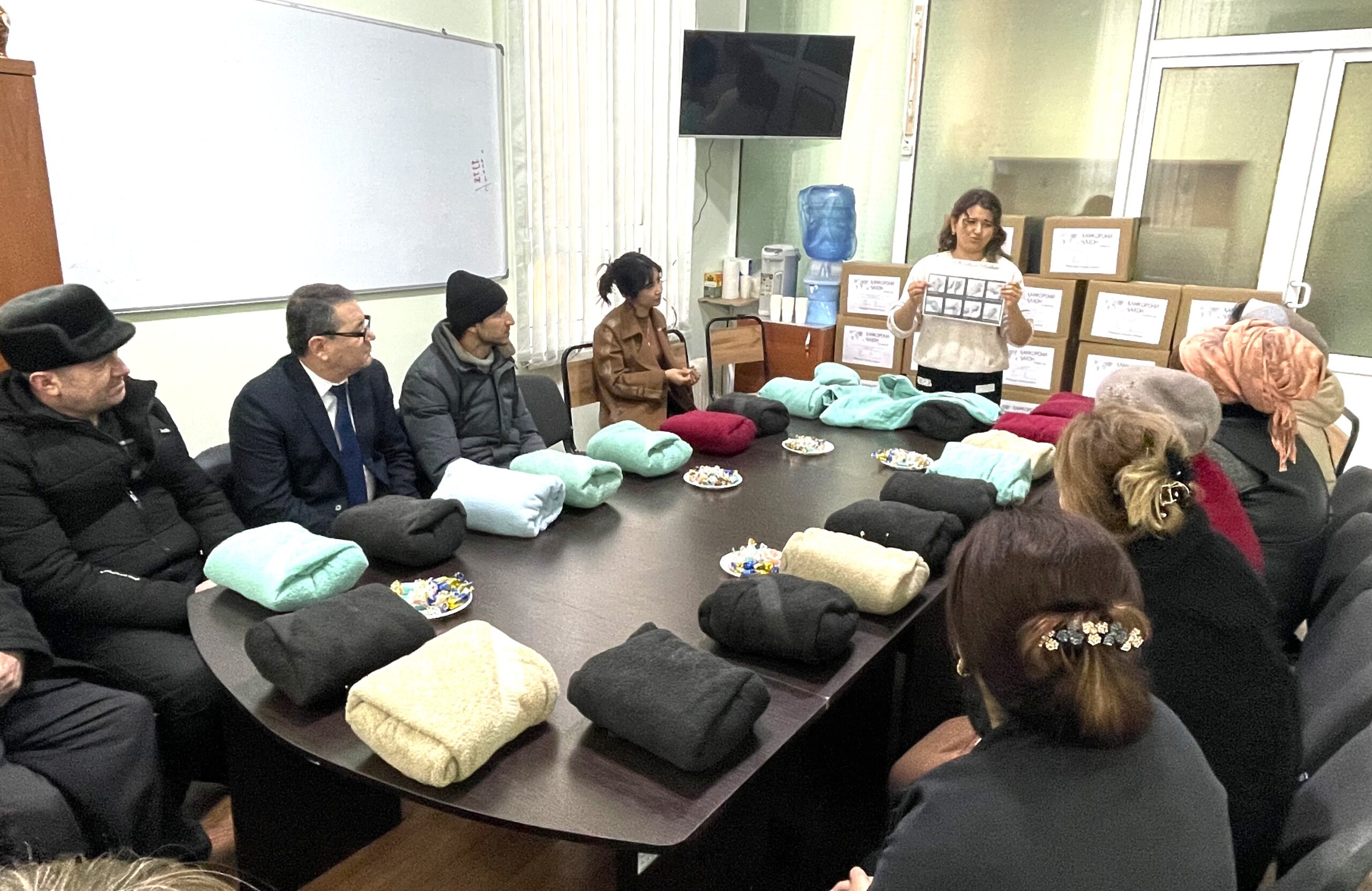
Journey to Health and Hope
They started eating healthier foods, exercising regularly, and seeking medical care for their children.
A Community United for Mubariz
As part of our partner’s project on accessibility, the team launched a district-wide assessment in Rudaki. Here they met a teacher who was homeschooling a 9-year-old boy named Mubariz,
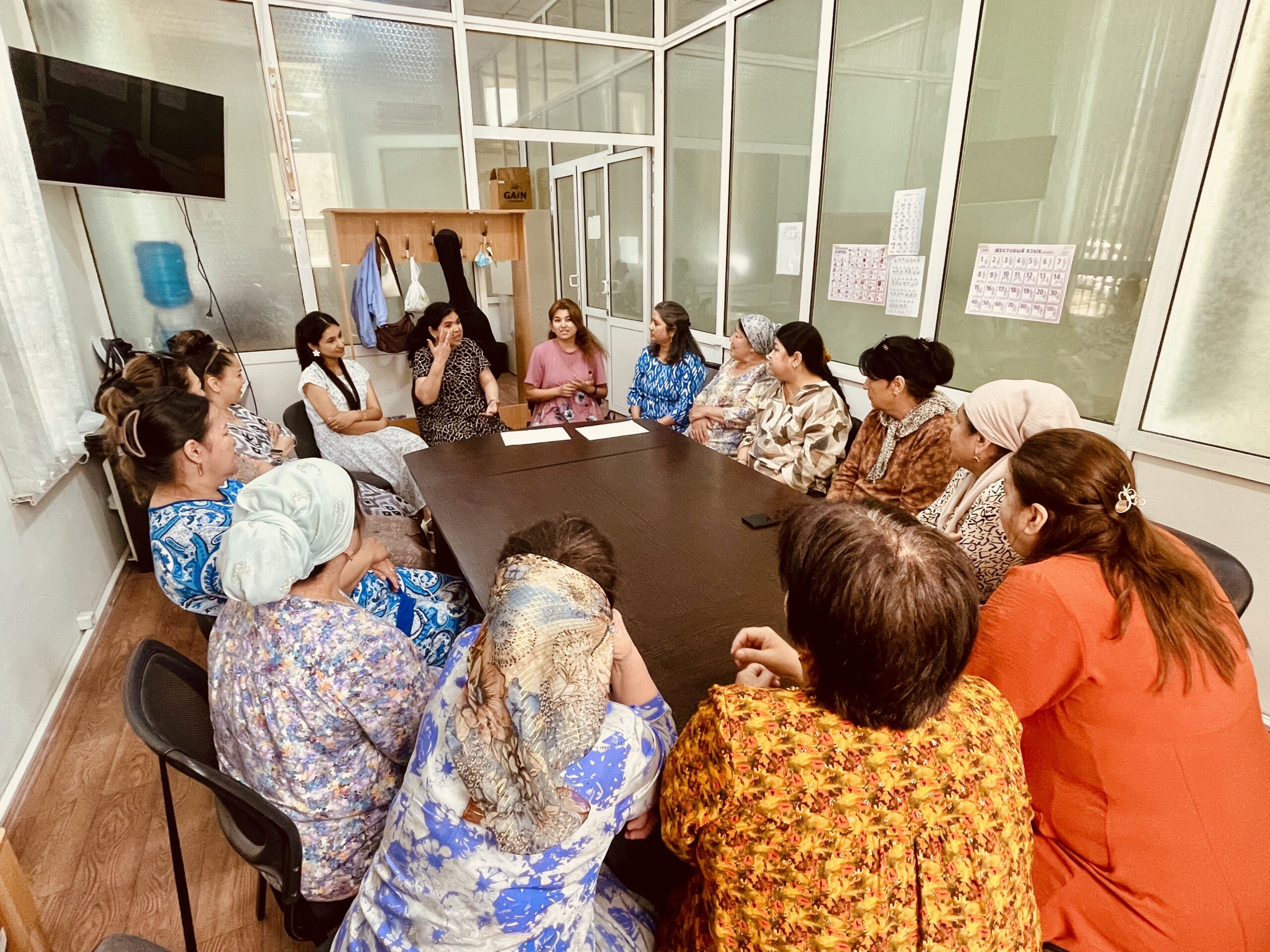
Knowledge That Changes Lives
In our health education project in Tajikistan, our partners have seen how important health education and counselling are for women in their communities. Lessons cover mental health,
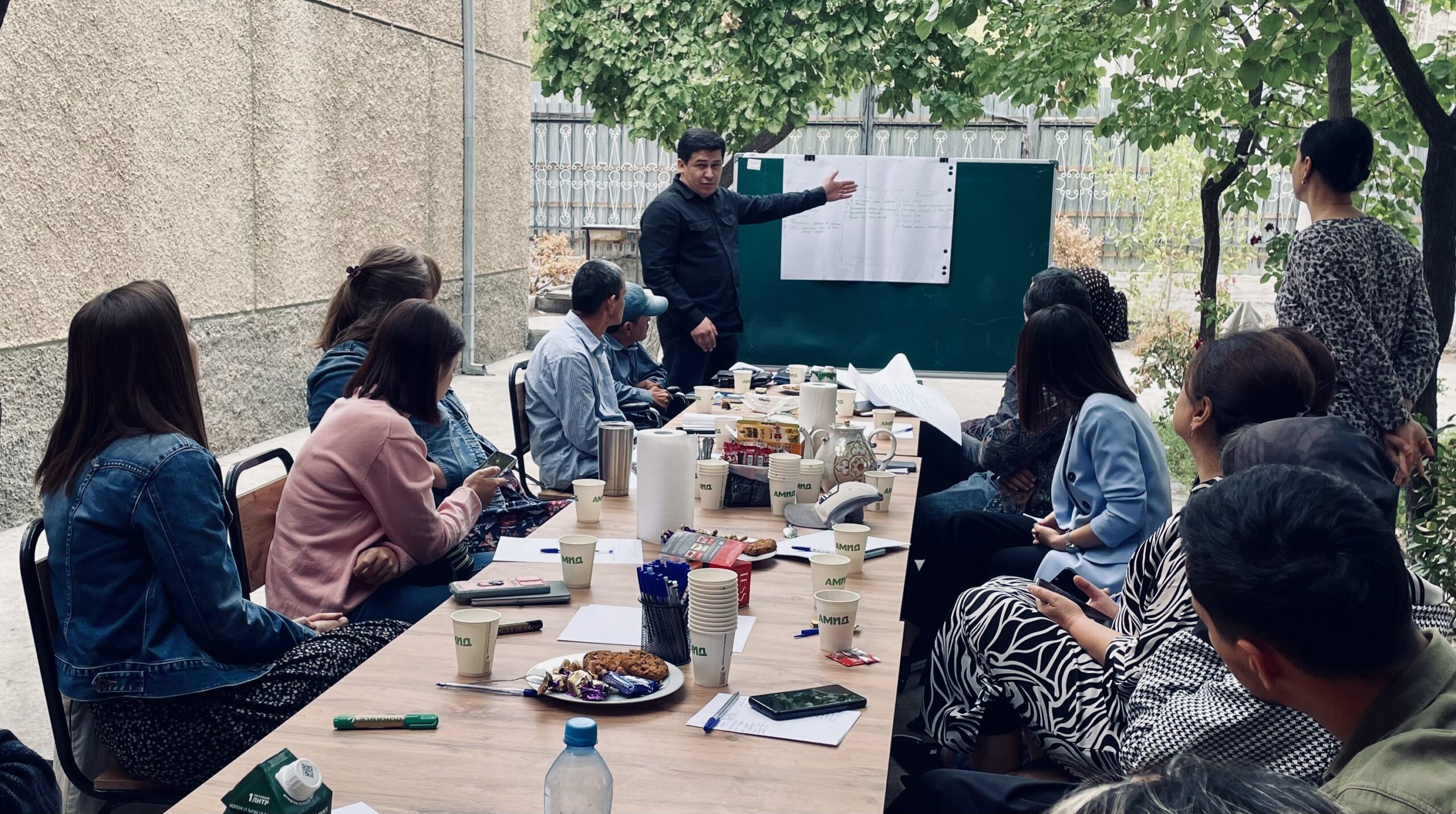
Empowerment and Advocacy
Through the project, Akmal was introduced to a world of possibilities.
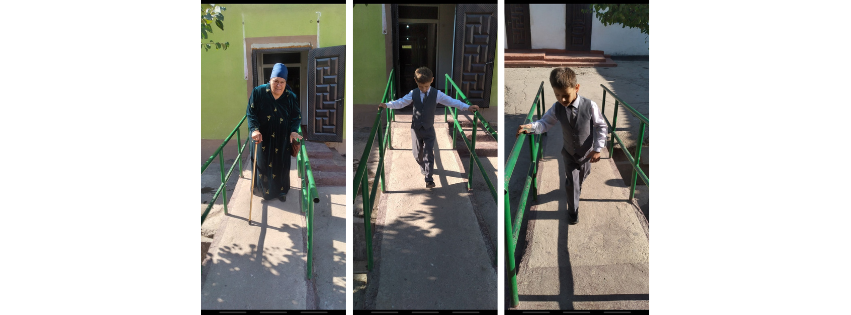
Full Participation at School
In the summer, our organisation received a request to build a ramp and an accessible toilet at this school to allow the school to accept children with disabilities so that they could socialise and study with their peers.
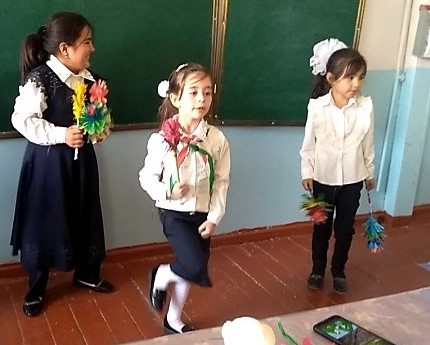
Promoting Inclusion
An annual conference for mainstream school teachers and school transition support services helped promote inclusion in local communities.
Amina, a young girl with speech and cognitive delays,
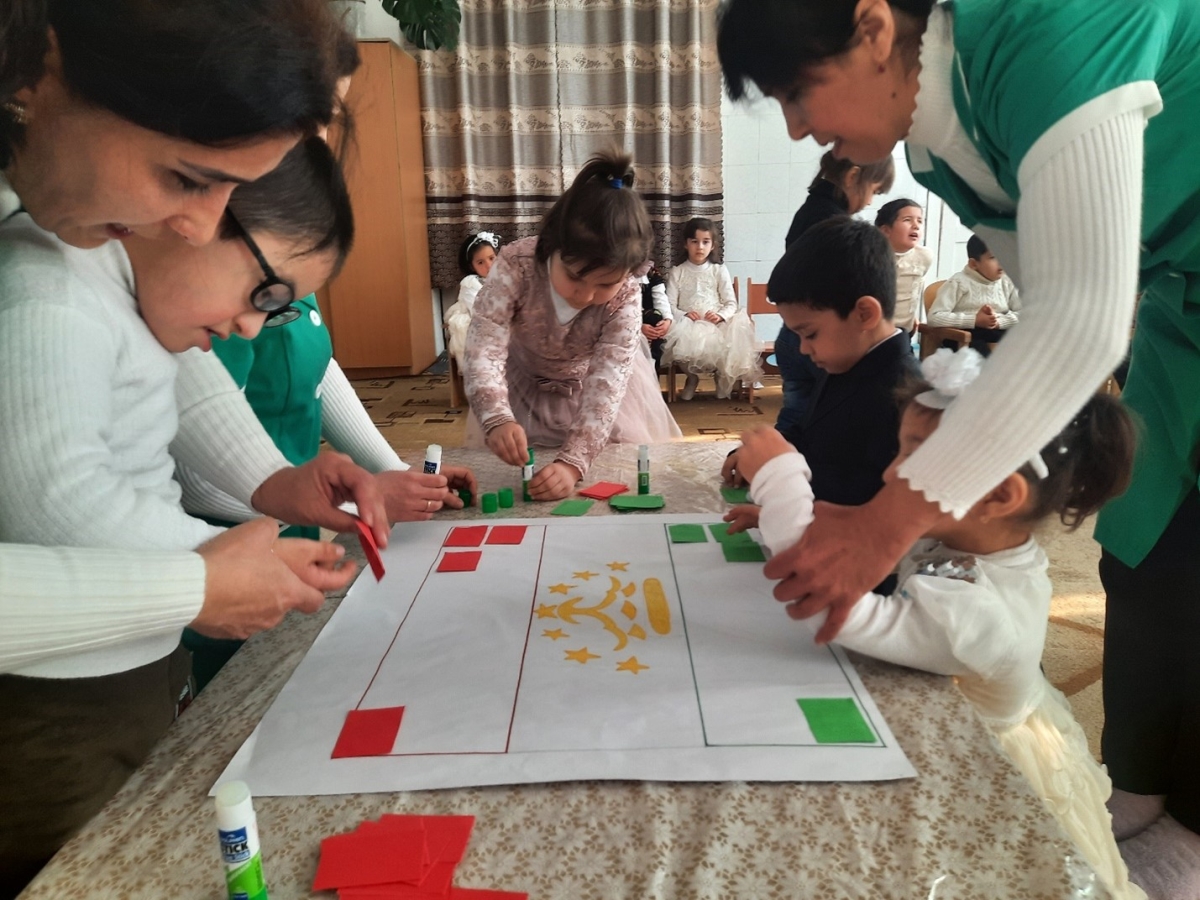
Perseverance Brings Progress
Now Rustam can express himself, he is socializing with his peers, and he is participating in the cultural events of the organization. Rustam is ready to go to school!
A Beacon of Hope and Empowerment
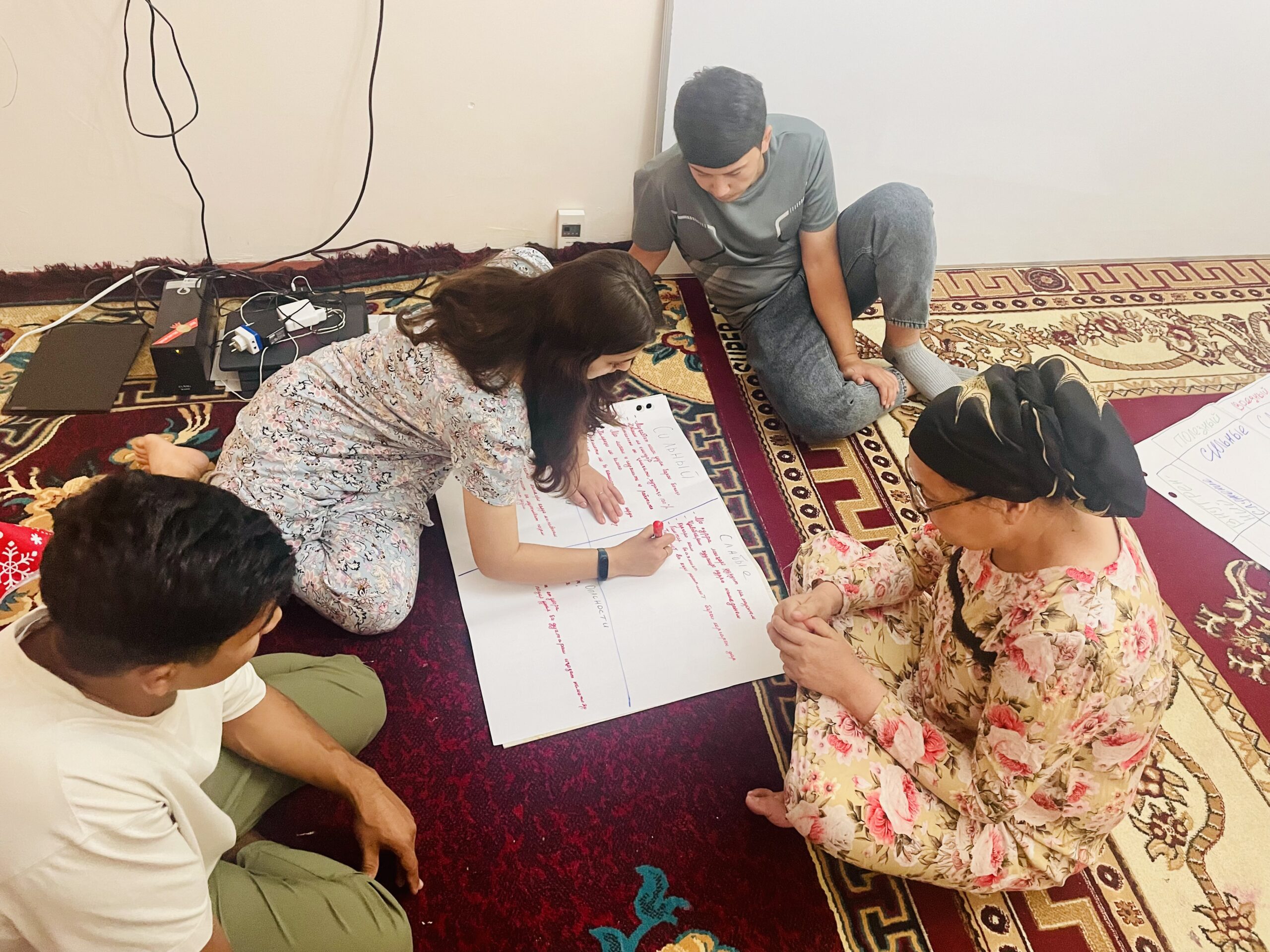
Malika is a young woman from Tajikistan, is a poignant reflection of the challenges faced by many women in her community. Growing up in a traditional society,
Opening Doors to Equality
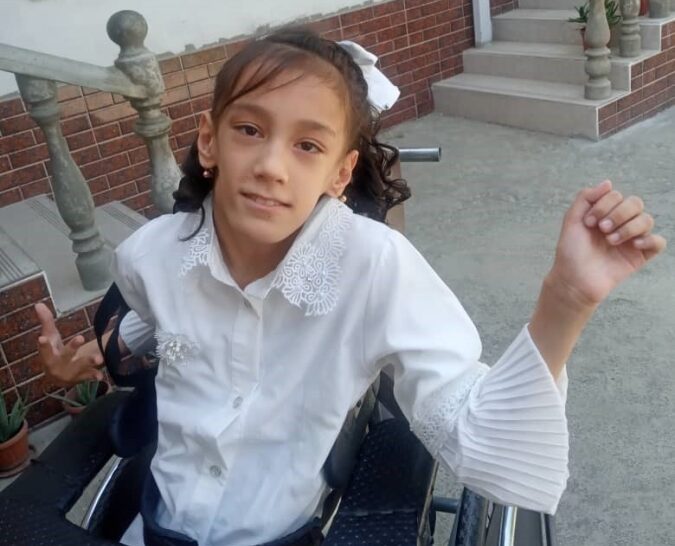
Children with disabilities (CWD) are being given the chance to learn at mainstream schools thanks to one of our partner organisations in Tajikistan.
School accessibility is one of the most important components of providing inclusive education and promotion of the rights of children with disabilities.
The Miracle of Life
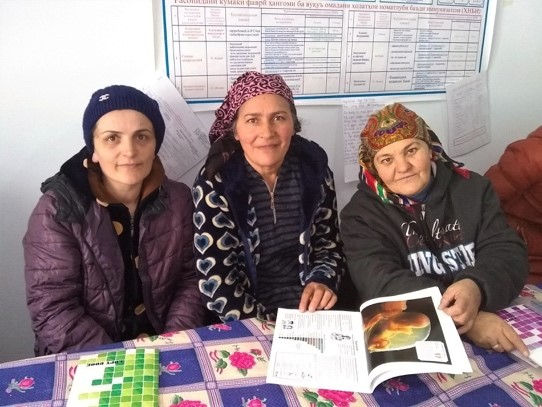
Maftuna knew about the book through one of Operation Mercy’s community health trainers. She herself went through Operation Mercy’s general health and pregnancy lessons, as the trainers do not only work with the local women in the village but also the wives of Operation Mercy staff.
We Learn Together to Improve Our Lives!
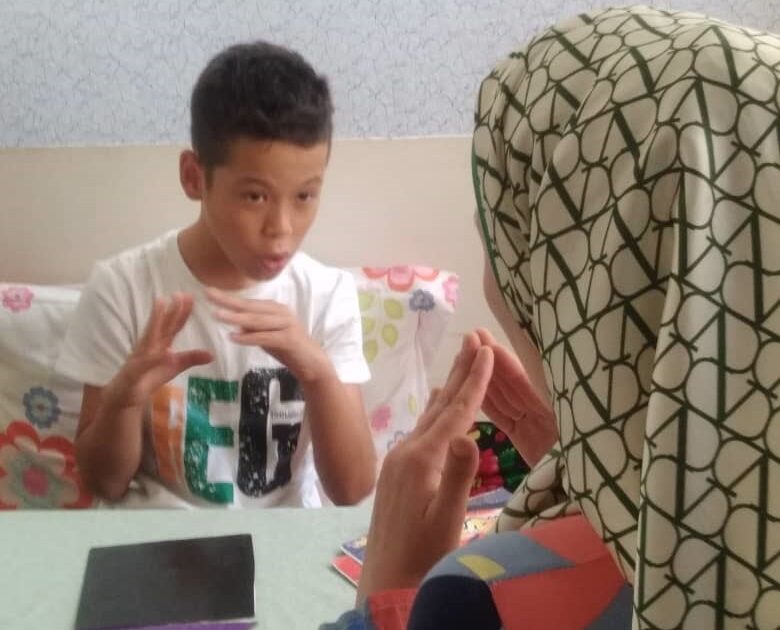
Nazira is a mother of a child with disability, and a new staff of our partner organization. She participated in a training on early intervention for children with hearing and visual impairments.
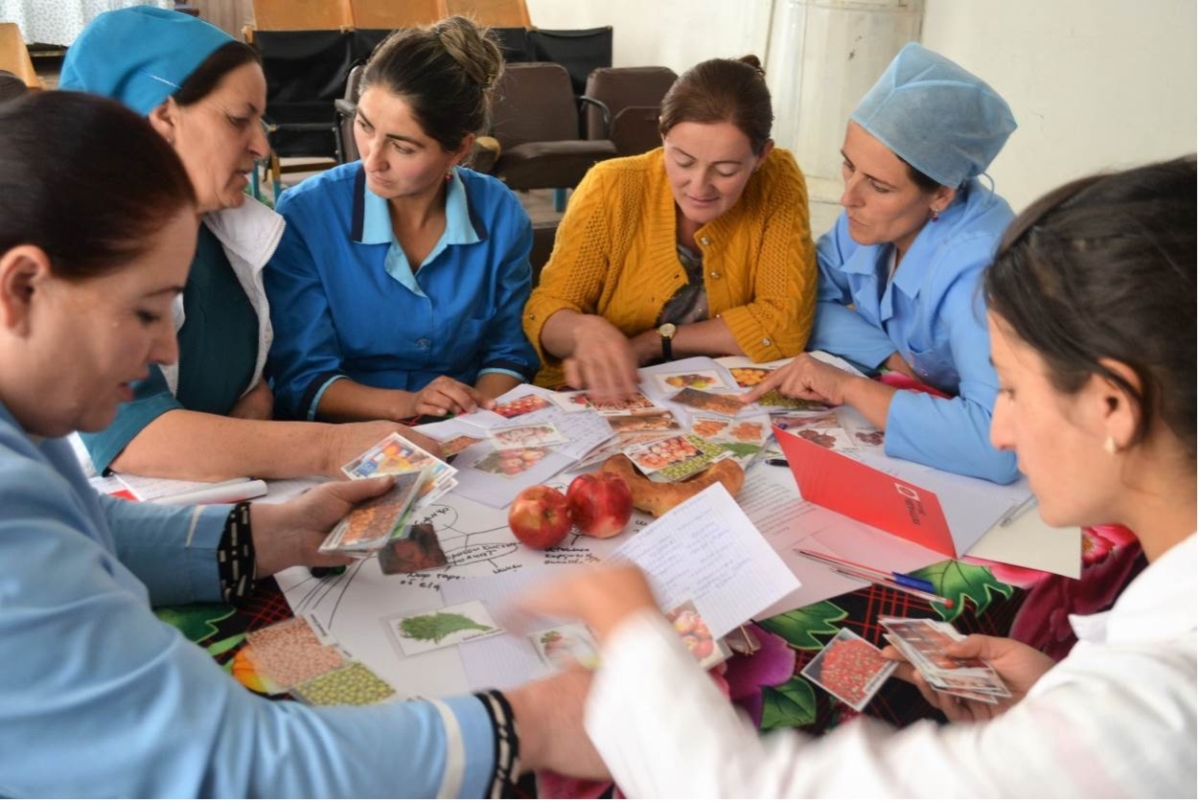
Health is Everyone’s Responsibility
Health is everyone’s responsibility, and Bibi grew in her health knowledge and confidence through our training and put it into practice for the good of her community.
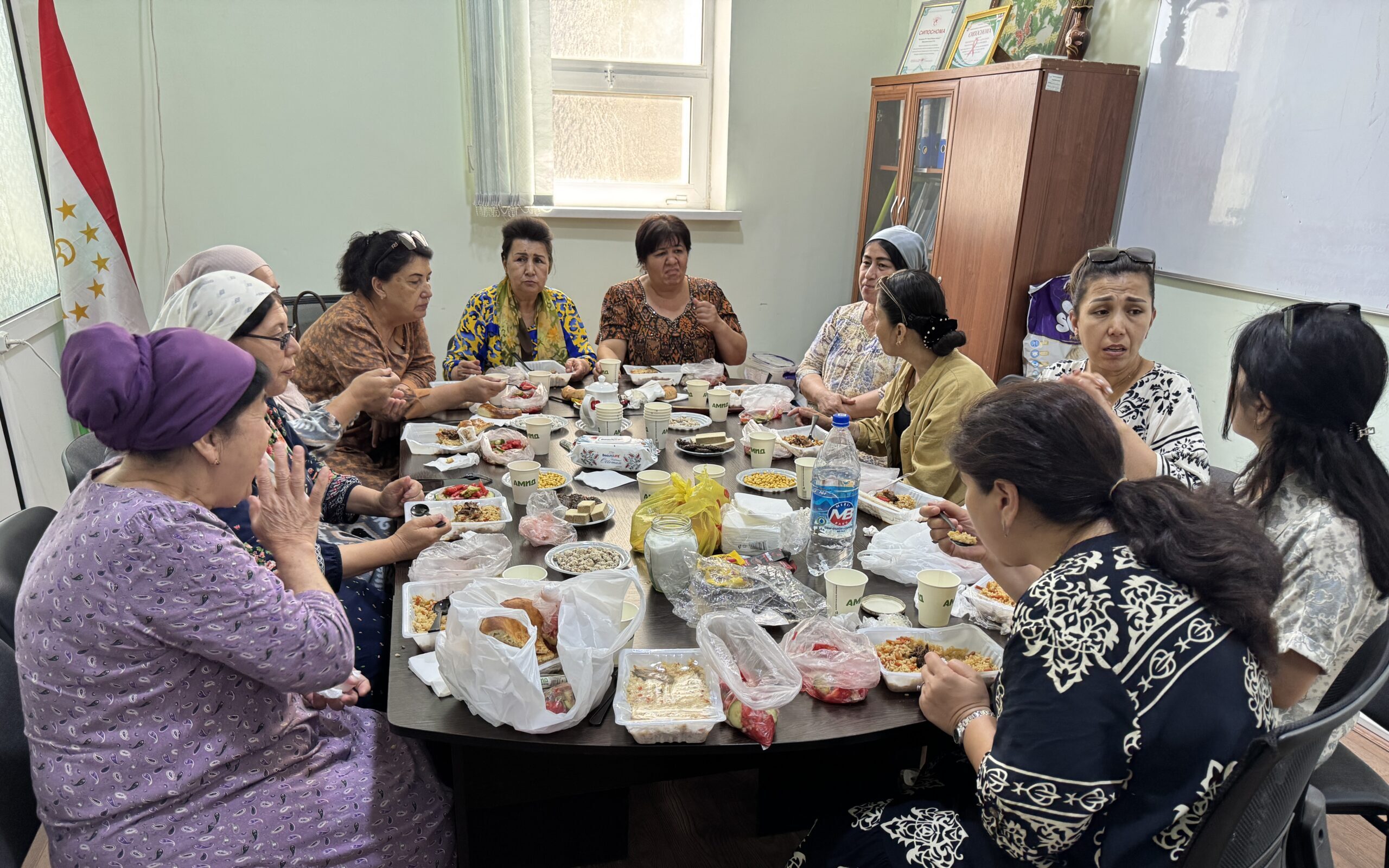
The Power of Health Education
During the class, participants learned about the causes, symptoms, and risks of hypertension.