
Community Health
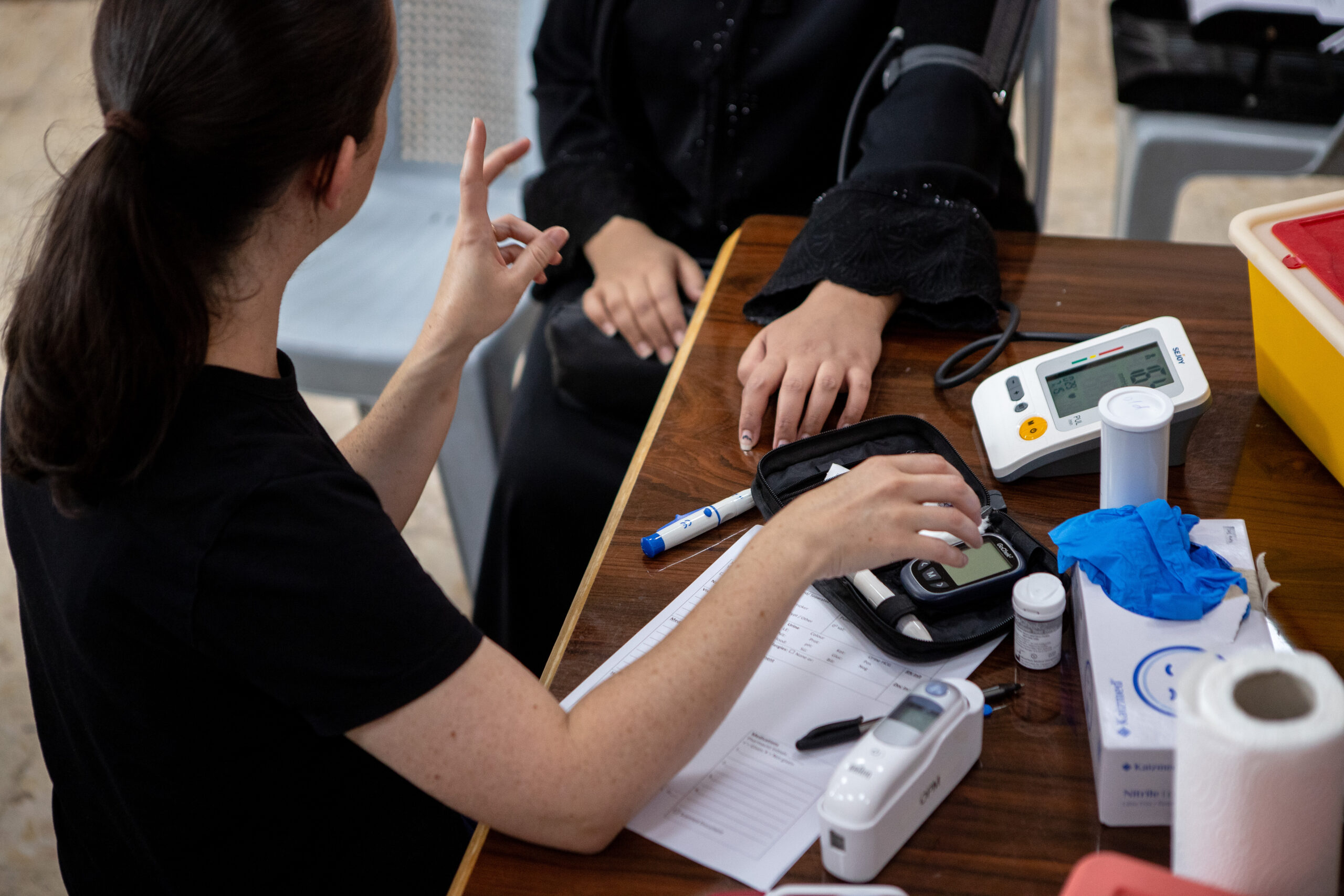
During the class, participants learned about the causes, symptoms, and risks of hypertension.
An Exercise Programme For Women
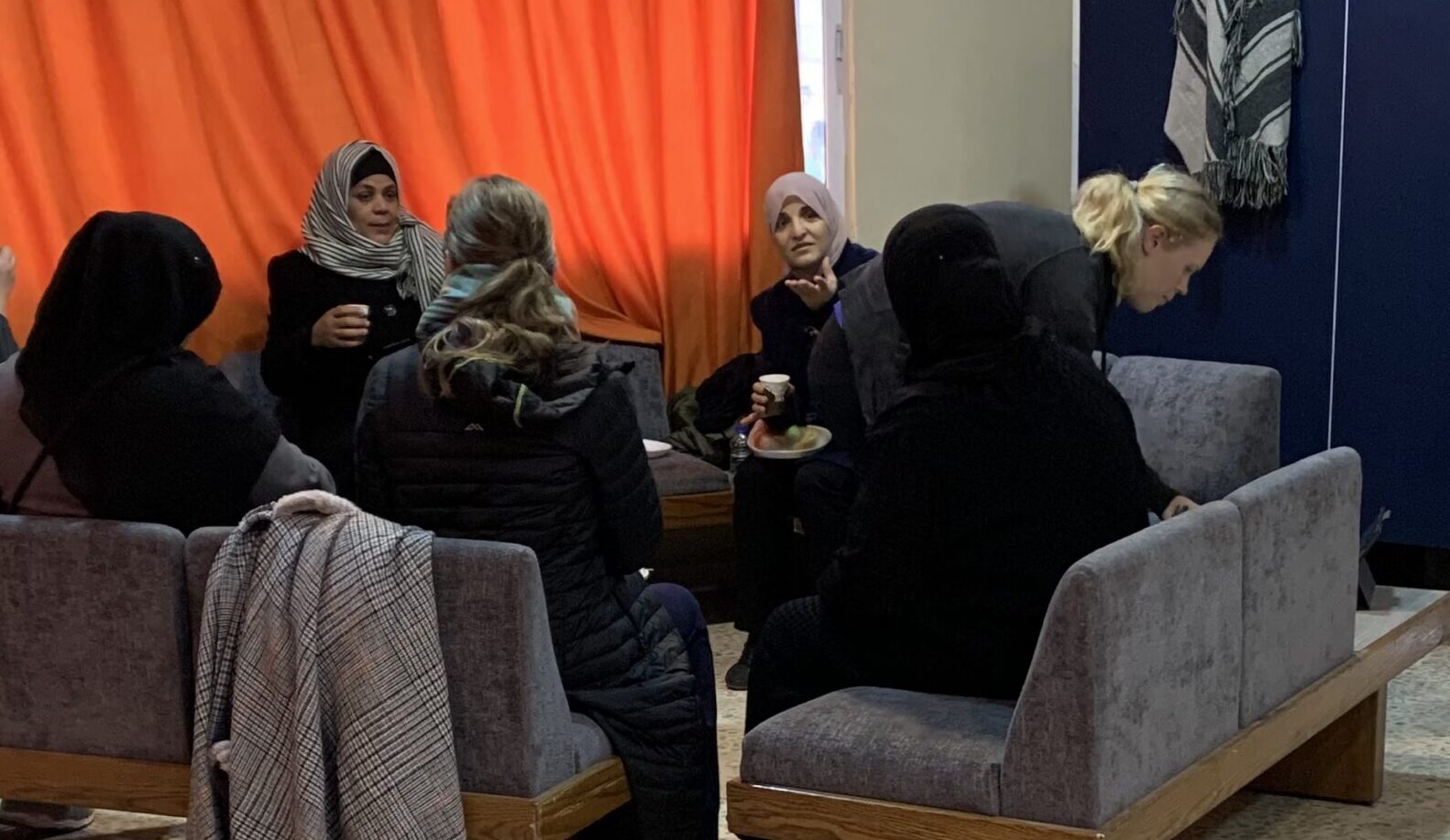
At the end of 2024, we ran a six week exercise program for Jordanian and Syrian women in Zarqa. The women who attended hadn’t had any connection with Operation Mercy in the past.
Refugee Health Response
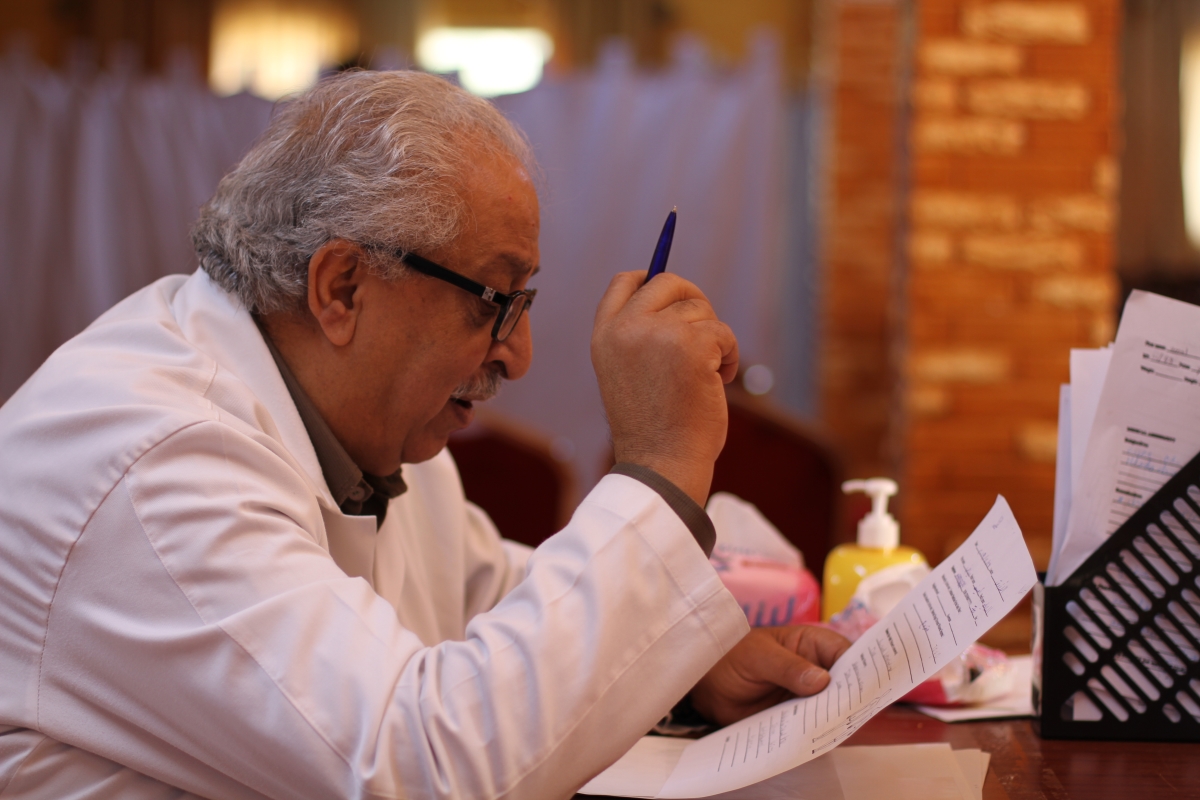
In our Community Health Project in Jordan, we are seeing lives transformed through health screening and education. We work in partnership with local organizations, medical professionals,
Surgery For Sarah
The kidney surgery was life saving for Sarah! She is now an active and smiley 1 year old, adored by her older siblings.
Healthy Eating
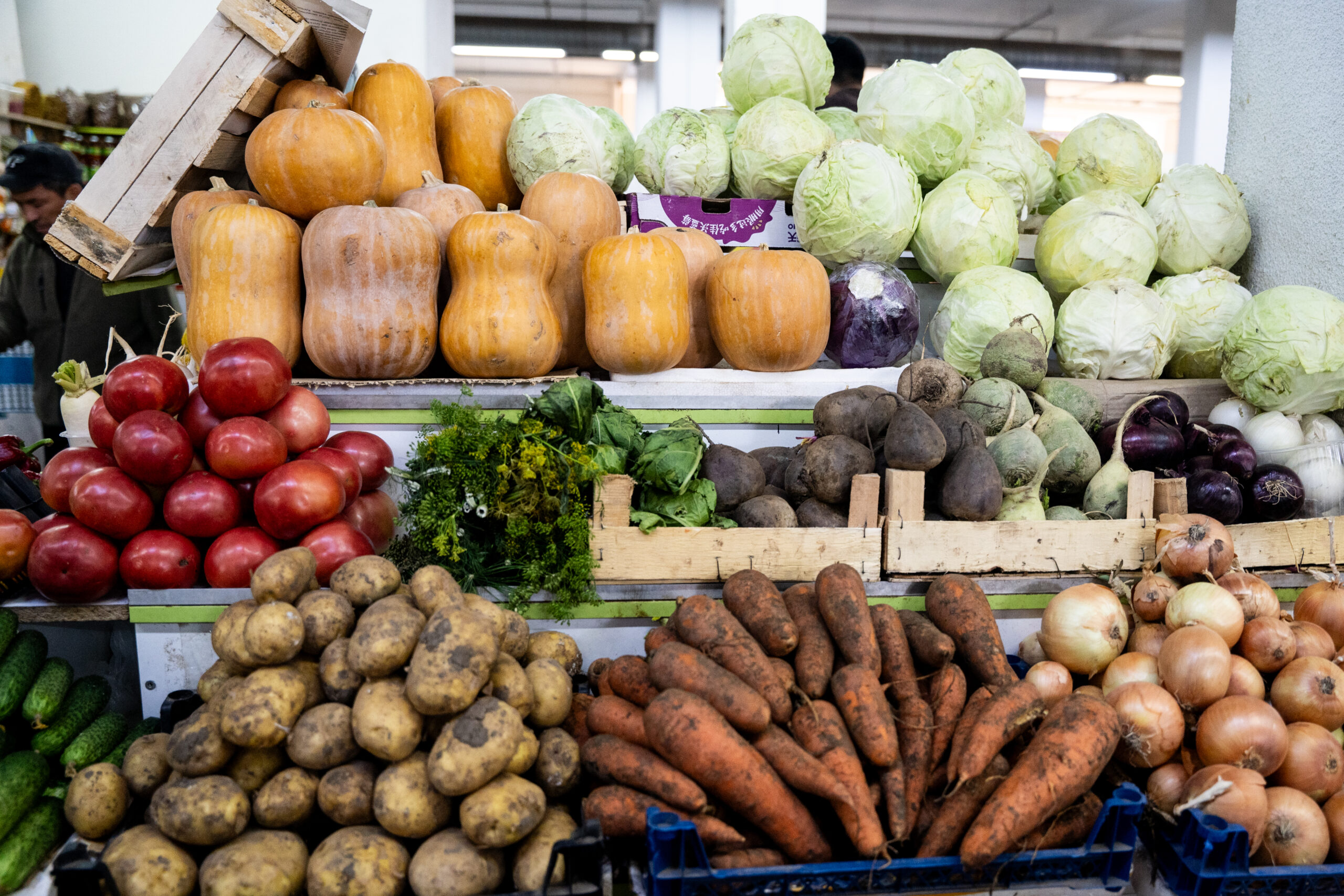
The doctors were stunned. “You can’t be improving! No matter how many medications we give you, no matter what you do, you will always have to come to the doctor!
Getting Close
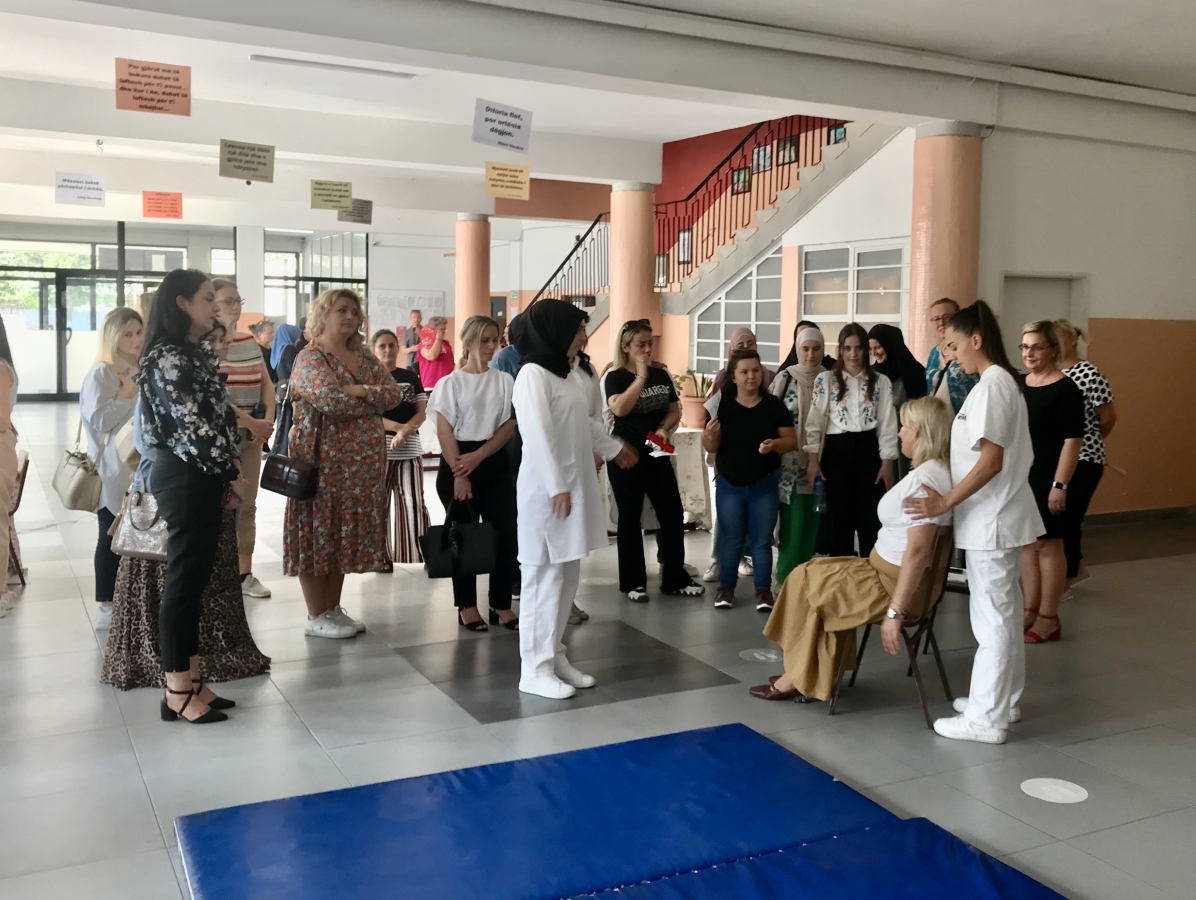
Serving at Hope & Health has given our staff the opportunity to be make a difference in people´s lives in Skopje, in a way that can only happen over time.
A Second Chance for a Healthy Pregnancy
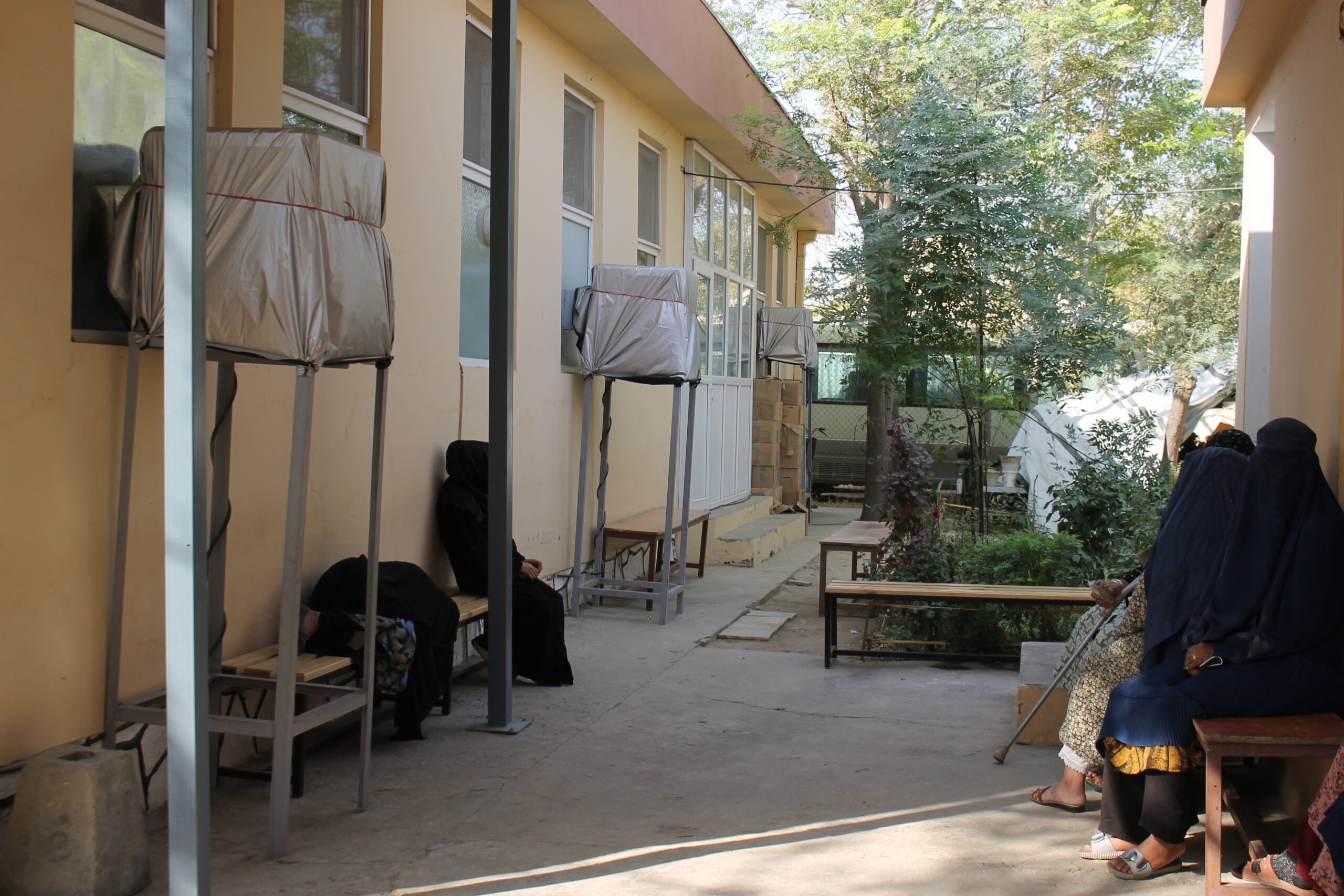
Our Maternal and Child Nutrition and Health Project is improving health practices around birth and childcare amongst the vulnerable population of Afghanistan.
A young mother shares:
“I have been married for three years.
A Savings Group Success Story
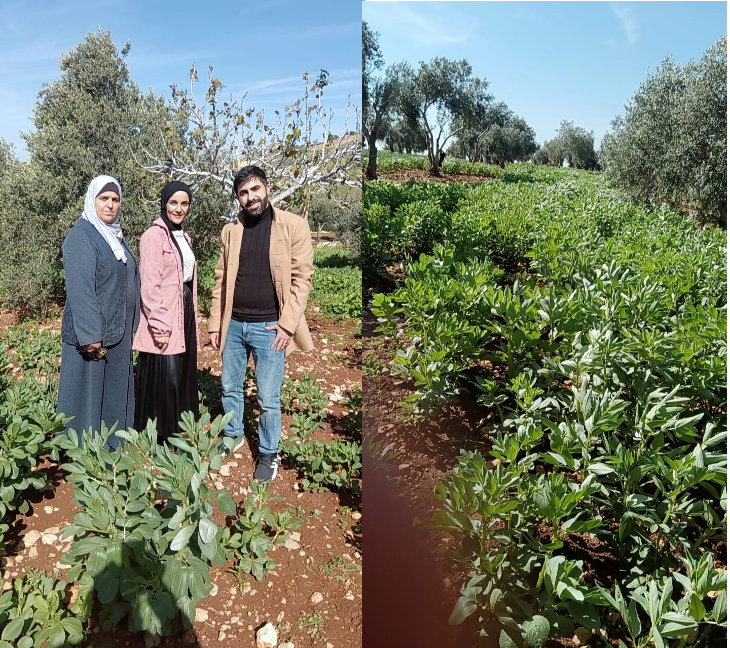
My name is Ghada, and I am a member of the Artery of Hope Savings Group.
Today, I would like to share a success story—an idea that started with the savings group and grew into a project to cultivate more than 60 dunams of land.
A Doula’s Impact
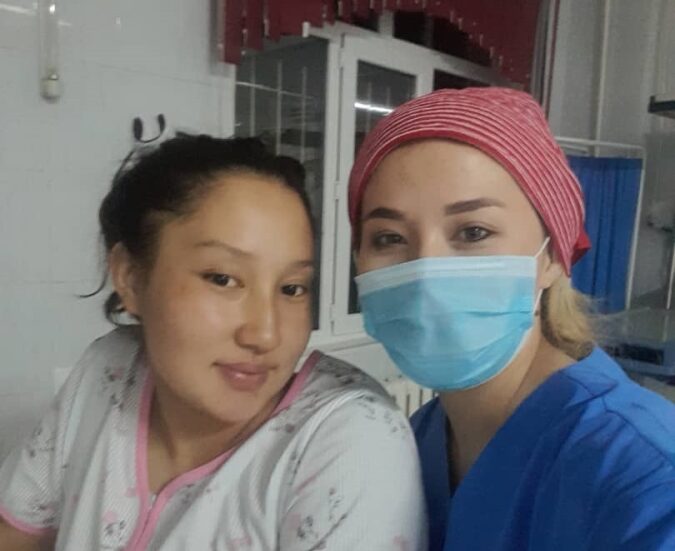
Mahabat had infused that young woman with encouragement and confidence that she could do it, and together they did!
Empowering Mothers Through Breastfeeding Education
In our Maternal and Child Nutrition and Health Project in Afghanistan it’s amazing to see how simple lessons — and someone walking alongside young mothers — can make a difference,
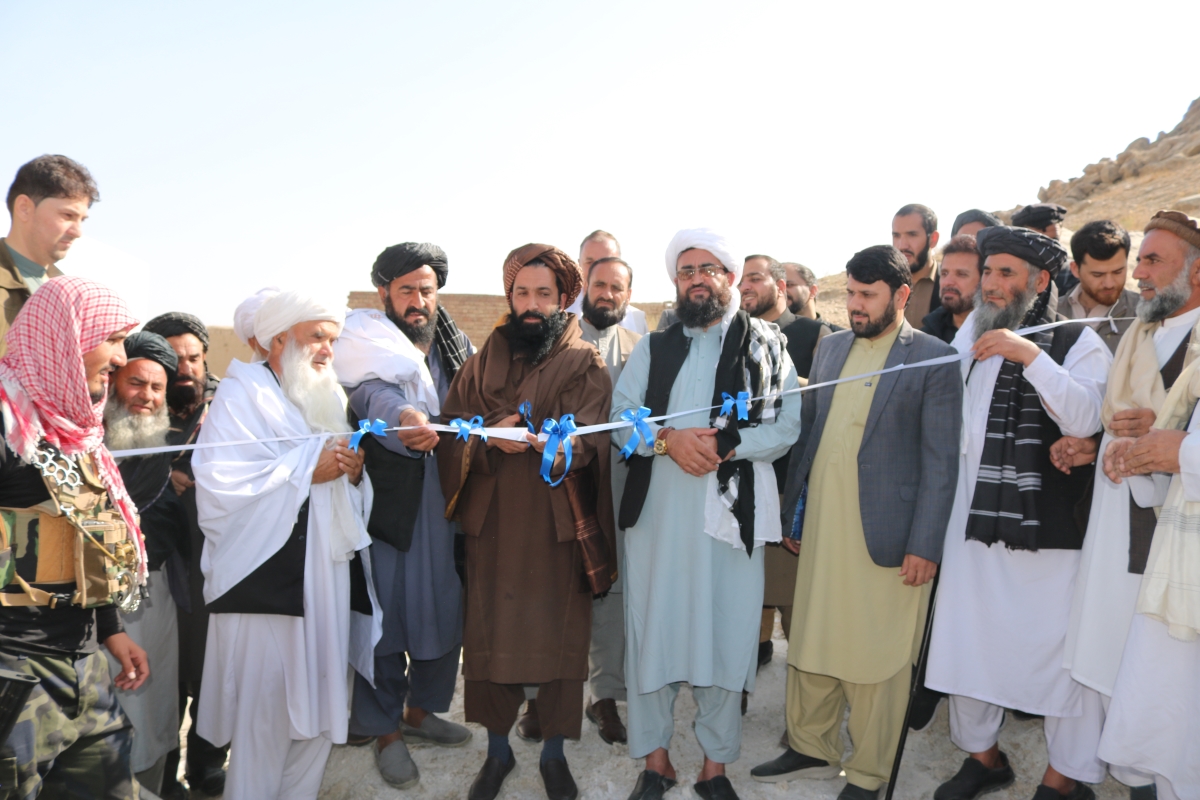
Building a solar water supply network
“Most of the families in this village lack access to clean drinking water, and it is extremely difficult for our women and children to get water from a distance.”
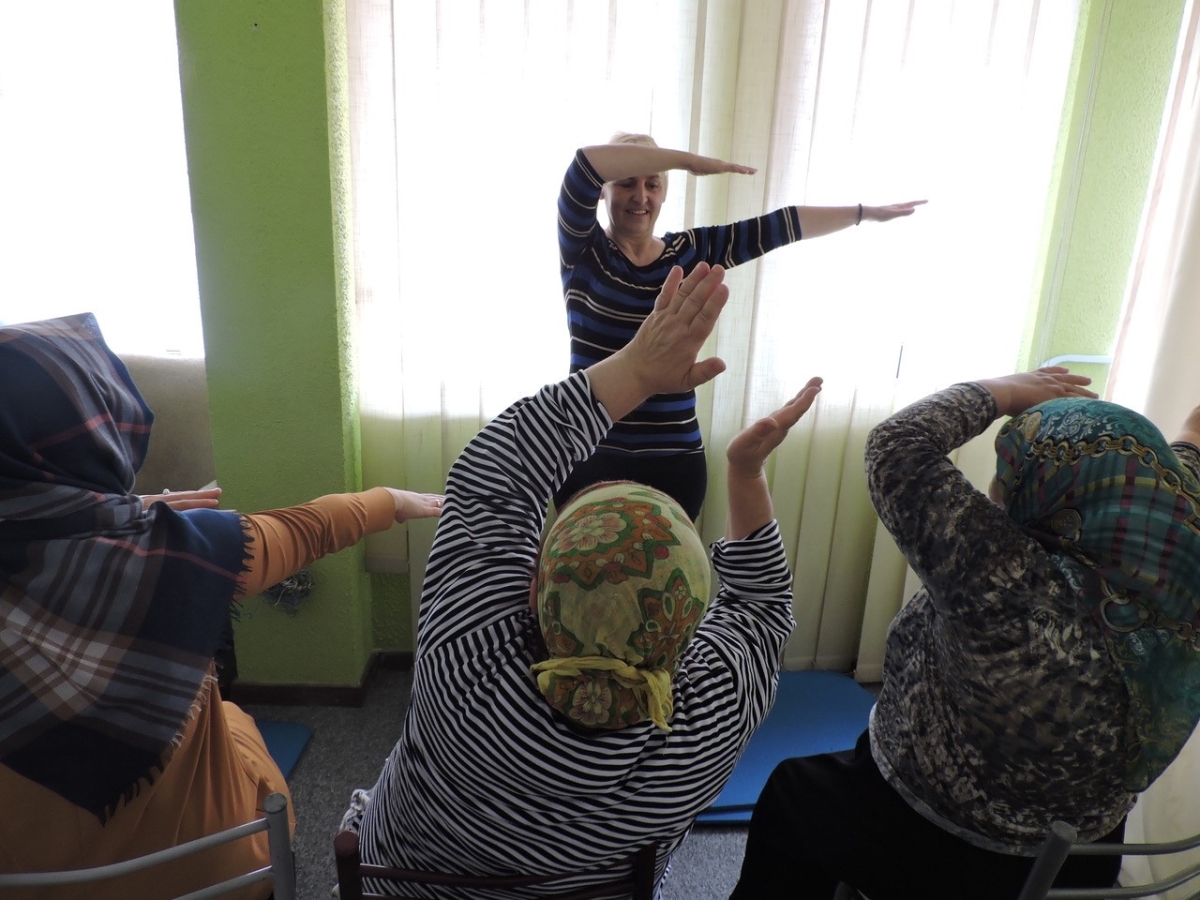
You have healed me with your exercises!
“When I come here all my worries go away.” Exercises and social support are making a difference in women’s lives.
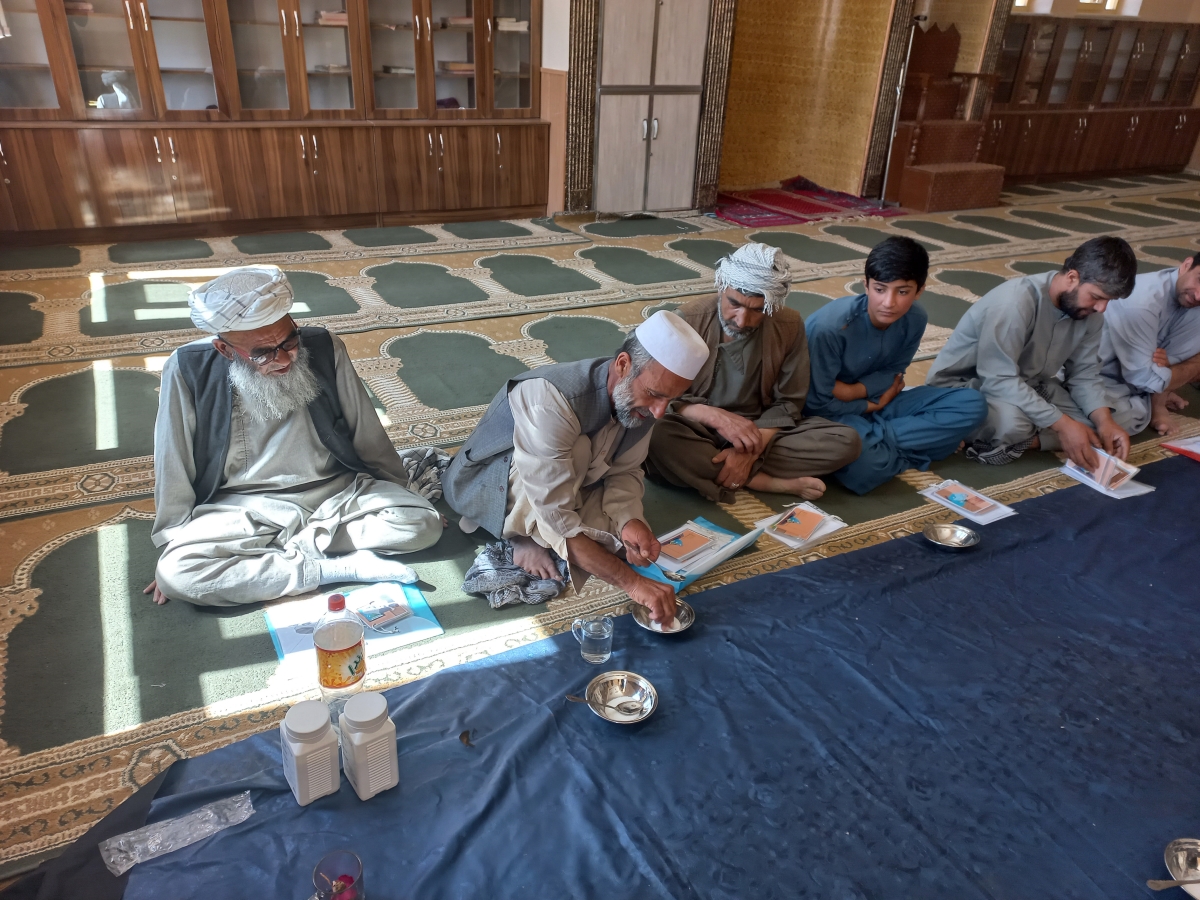
WaSH Lessons Save Lives
In one of the villages in the outskirts of Kabul, where Operation Mercy has a Water, Sanitation and Hygiene (WaSH) program, men’s groups eagerly receive their lessons.
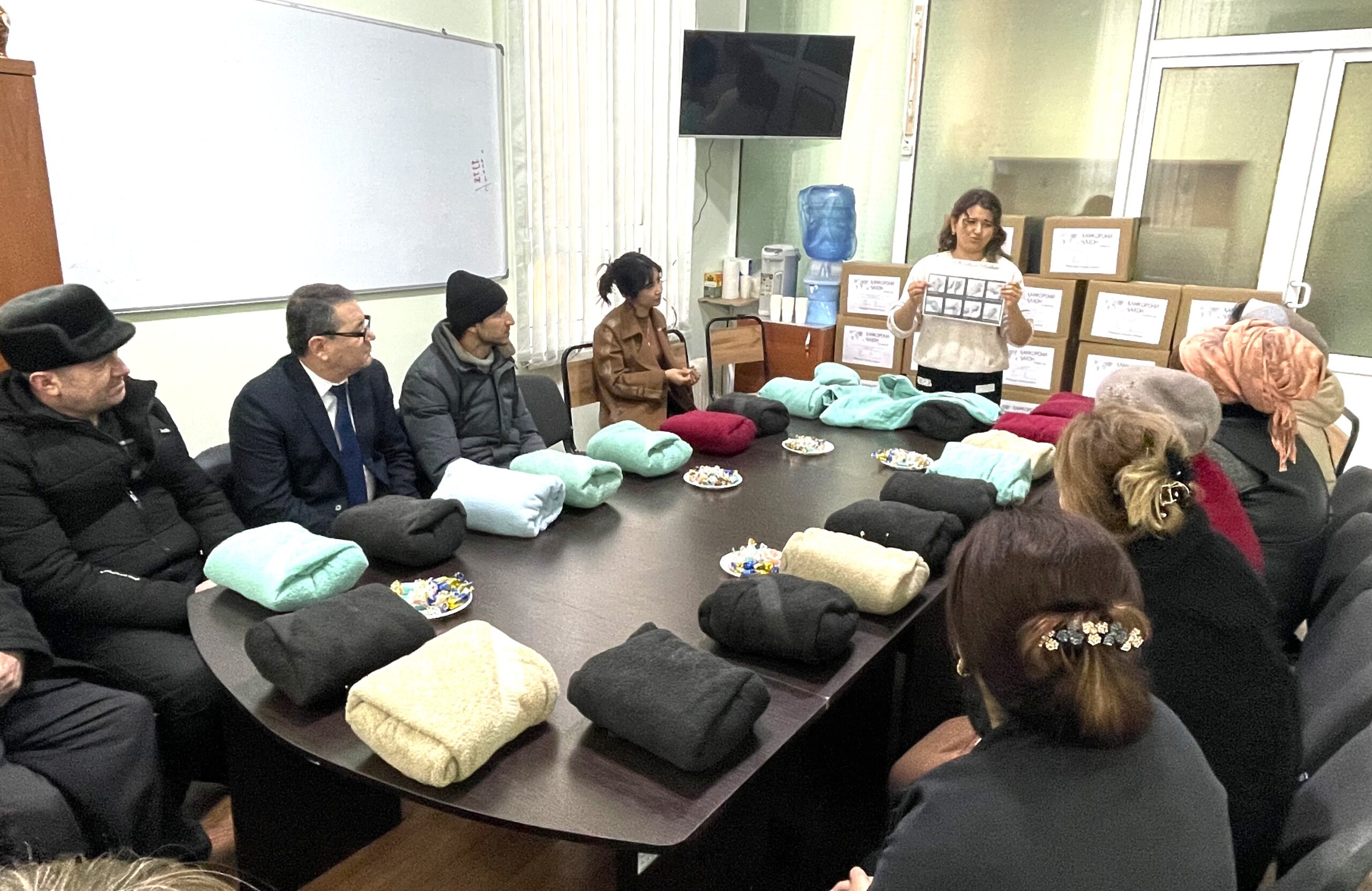
Journey to Health and Hope
They started eating healthier foods, exercising regularly, and seeking medical care for their children.
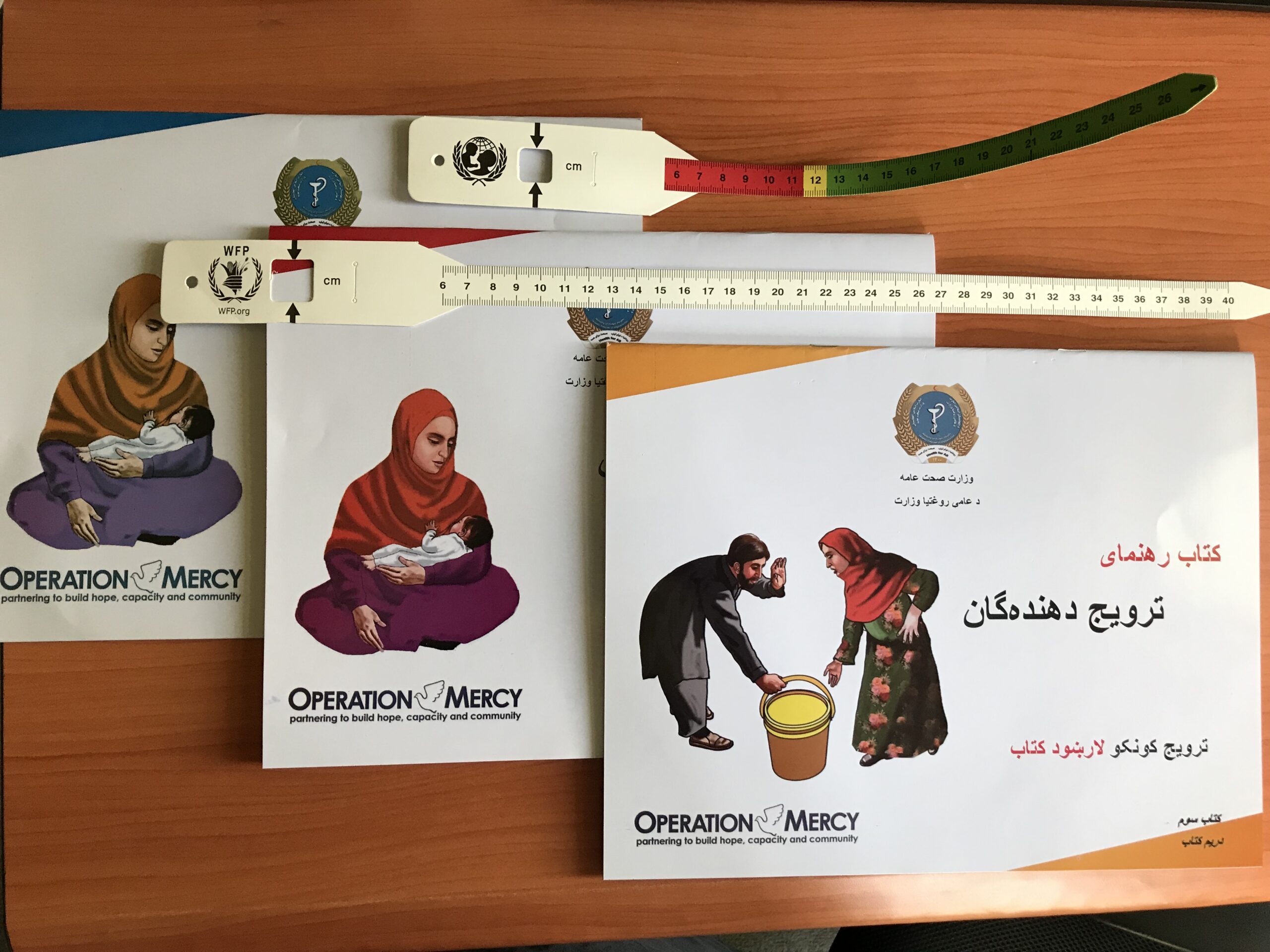
Proper Nutrition For Children
Malnutrition continues to increase across Afghanistan. The United Nations now reports 3.2 million children in Afghanistan face acute malnutrition. We expect this to worsen over the winter as the bitter cold forces many families to divert part of their funds towards heating instead of food.
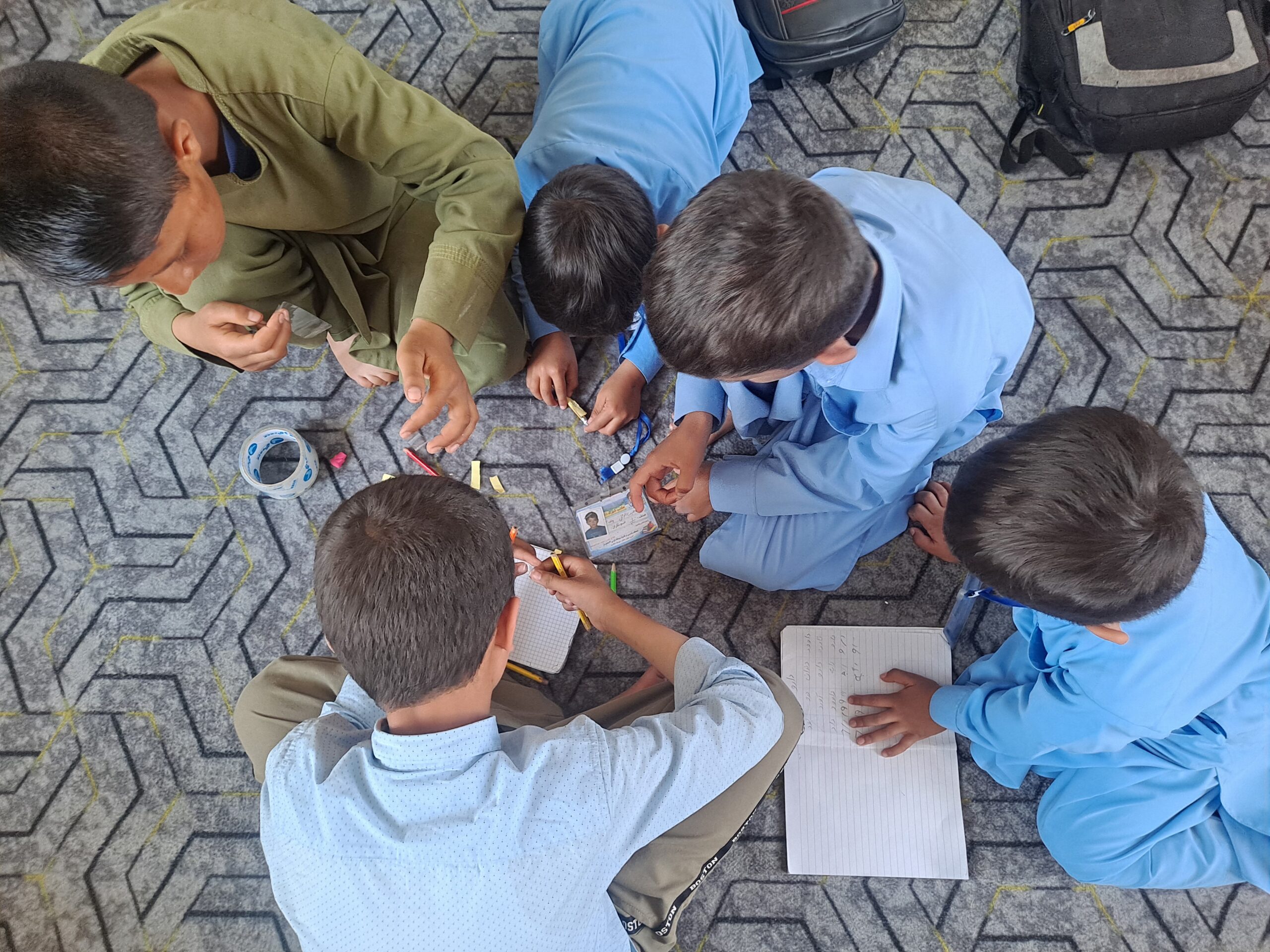
Supporting Mothers and Children Beyond Physical Health
Our Maternal and Child Nutrition and Health project continues to play a strategic and transformative role in the lives of women, children, and the broader community by establishing dependable,
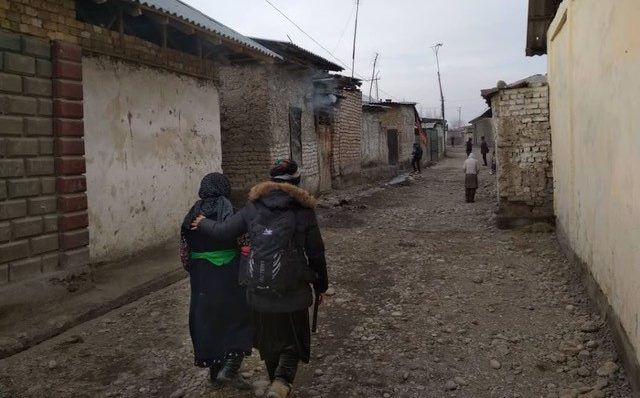
Discovering the Greatest Needs
Staff from our partner organization are reaching out to a Roma community in the south of Kyrgyzstan.
Professional and Interpersonal Development
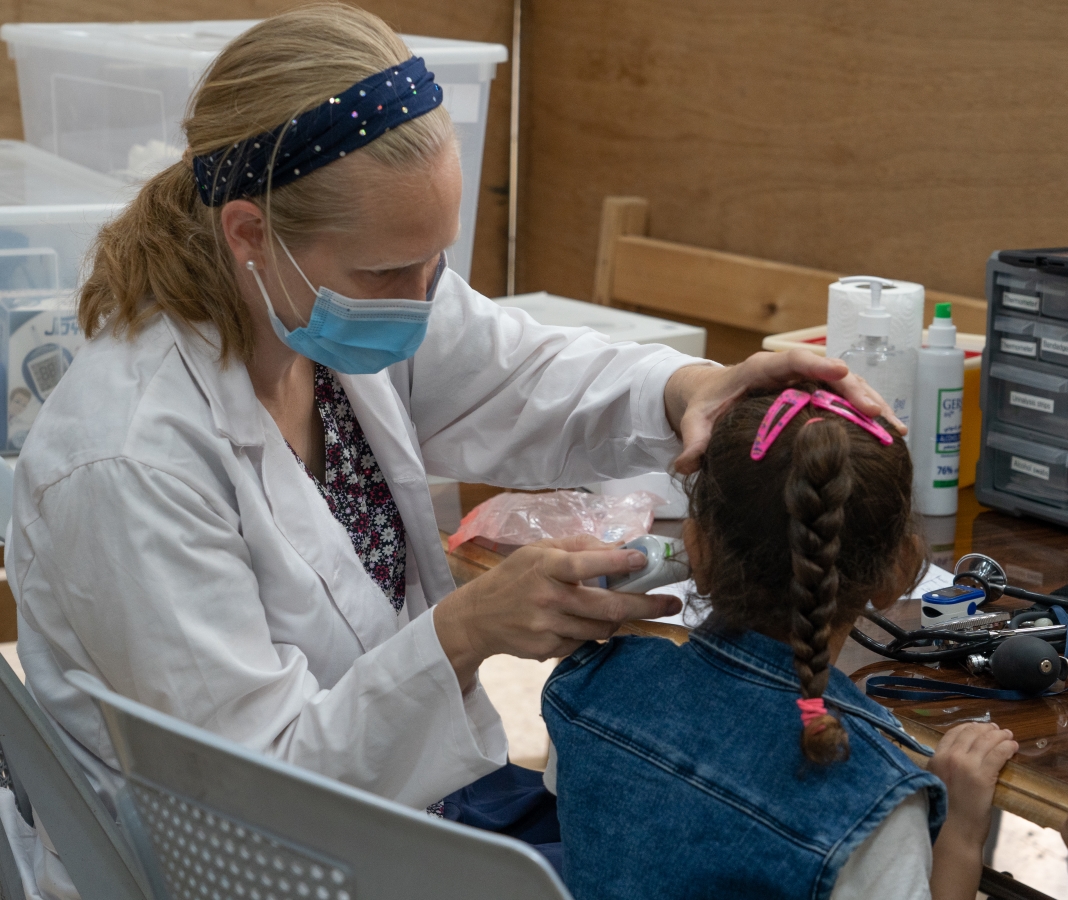
“The people here stood with me,” says Om Waleed*, recounting her young daughter’s need for surgery. “Even though my family is all the way in Syria,
A New Normal
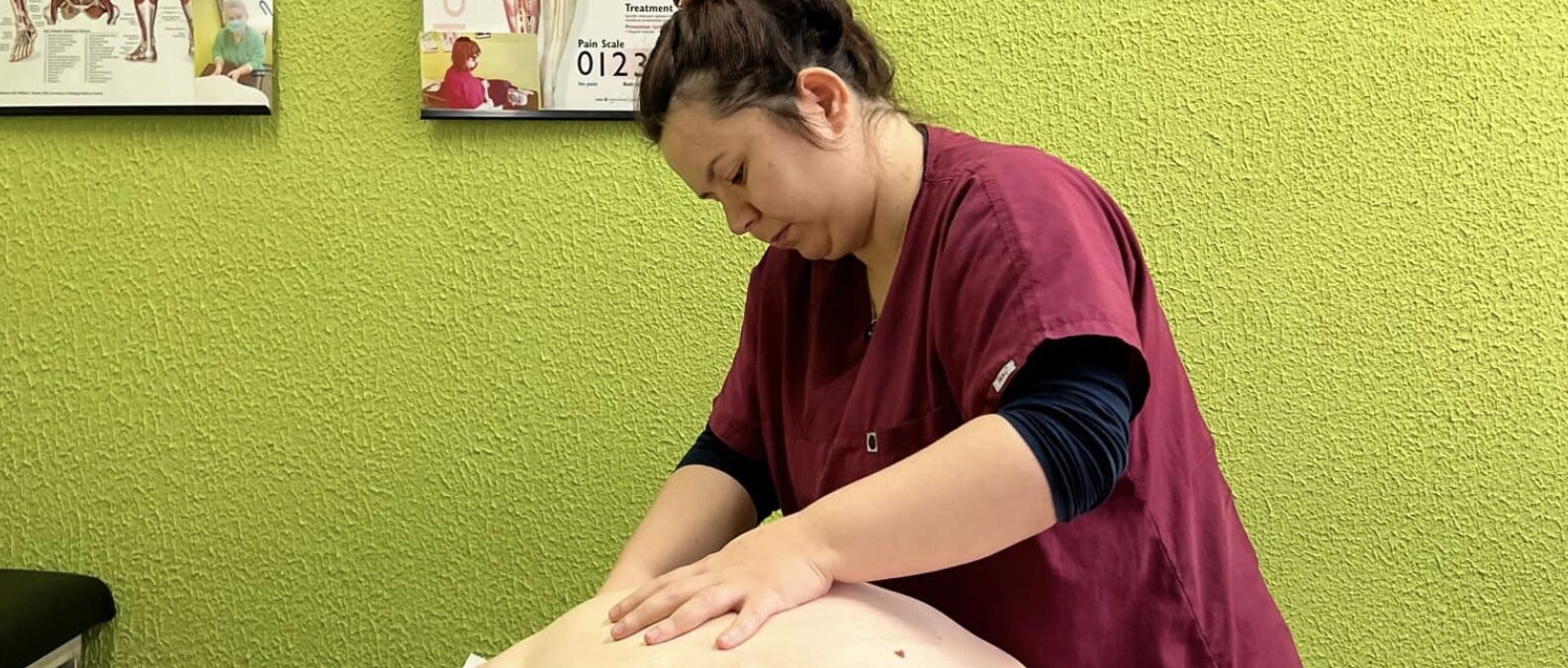
Fatima lost her husband, Omar, three years ago. After the birth of her second child, she suffered from postpartum complications that left her with severe back pain and limited mobility.
Two Tiny Feet
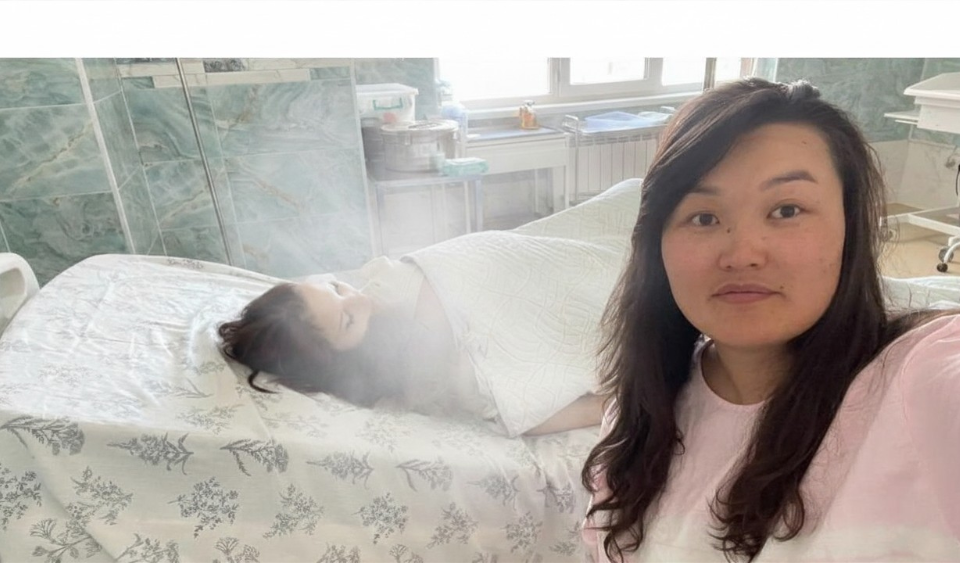
I stood there afterward, overwhelmed with gratitude. I suddenly understood why God had woken me at 4 a.m.
Everyone Needs To Know They Are Not Invisible
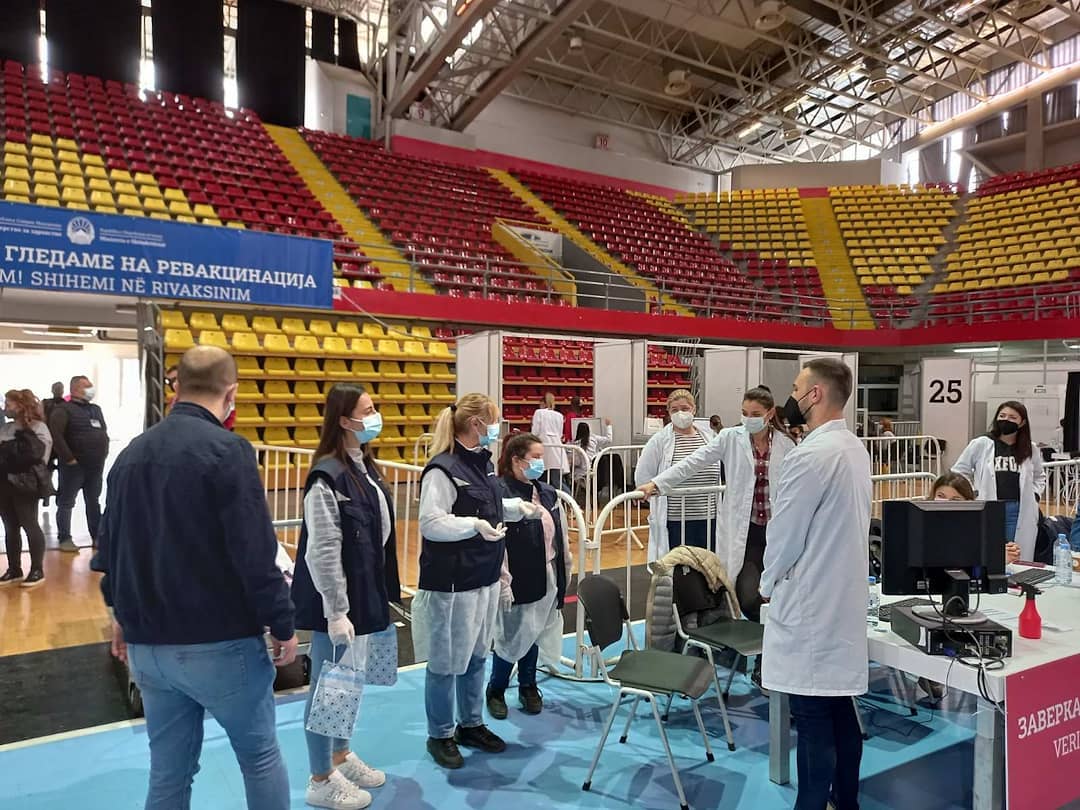
The third wave of Covid brought a shaking up in the community in the capital of North Macedonia. One way our Operation Mercy team made a difference was by coming alongside the medical vaccination personnel in practical ways.