
Kazakhstan
As an extension of our celebratory activities, the women participating in the Women Empowerment Project had the opportunity to empower their teenage daughters by encouraging them to take the lead in organizing a special event for the boys on Men’s Day. The women wanted their daughters to practice and develop the skills they had learned through the project and to pass these skills on to the next generation.
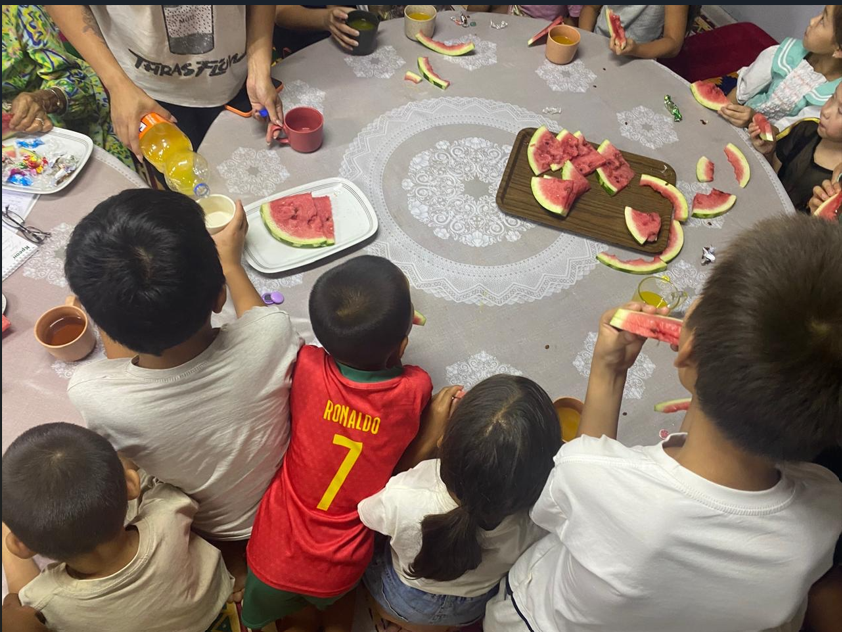
With support from their mothers, the girls took responsibility for planning and preparing the event. They divided the tasks among themselves: one suggested making pizza, another took charge of decorating the room, while others searched for decorations and materials they could bring from home. Together, we went shopping to purchase the necessary ingredients, drinks, and other supplies. On the day of the celebration, the girls arrived early to decorate the room, welcomed the boys with a song, and created a warm and joyful atmosphere.
For the Women Empowerment Project, this was a meaningful opportunity to see women’s learning and growth extend beyond the project itself. The mothers were not only developing skills for their own lives but were also intentionally passing these skills on to their daughters. By giving their daughters responsibility, encouraging them to work together, make decisions, communicate, and take initiative, the women were helping equip the next generation with the same practical skills they had been developing.
Clear Communication
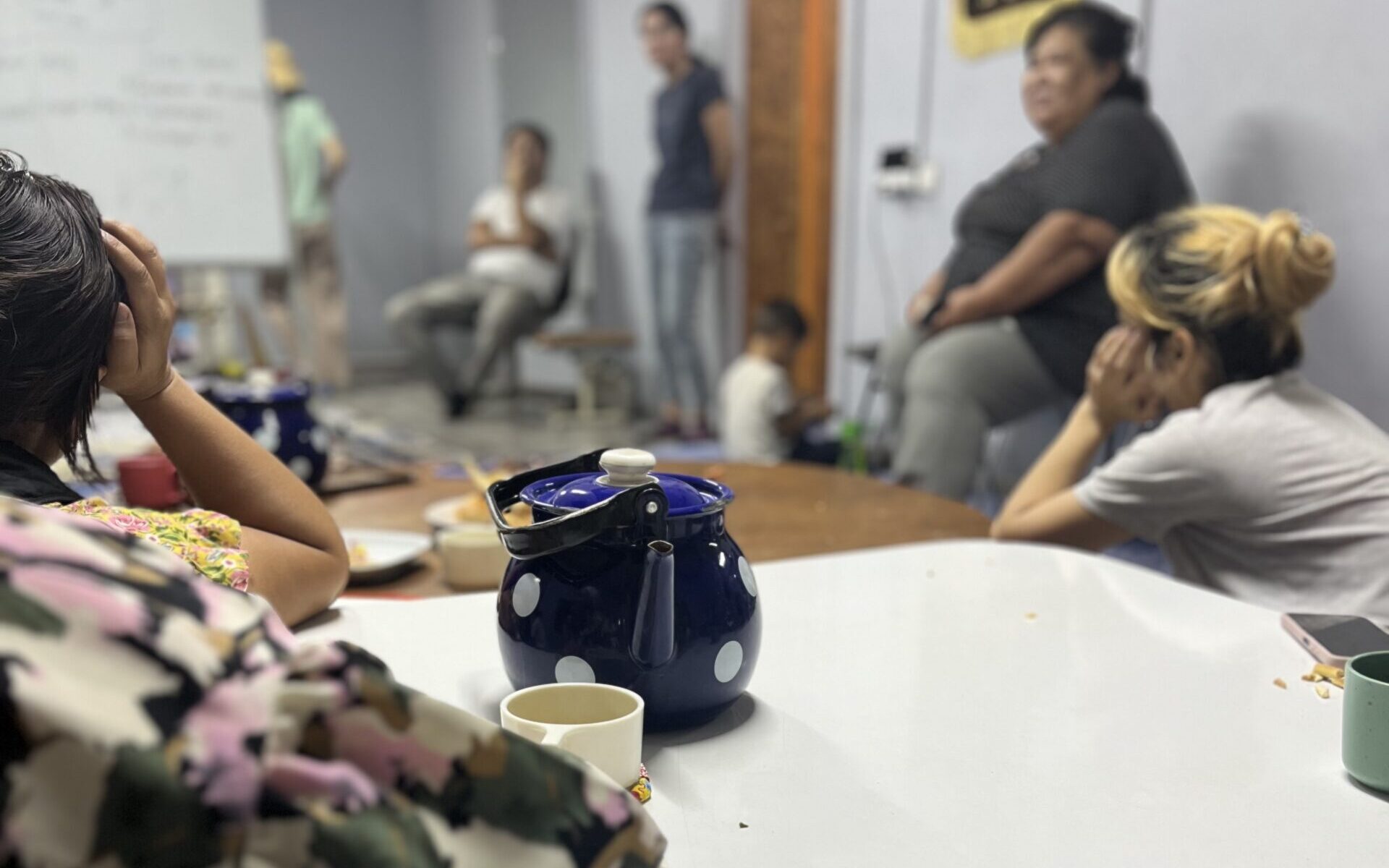
One woman in our group had long struggled with constant conflicts with her husband. During our sessions, the group explored lessons on clear communication—learning how to truly listen,
New Women
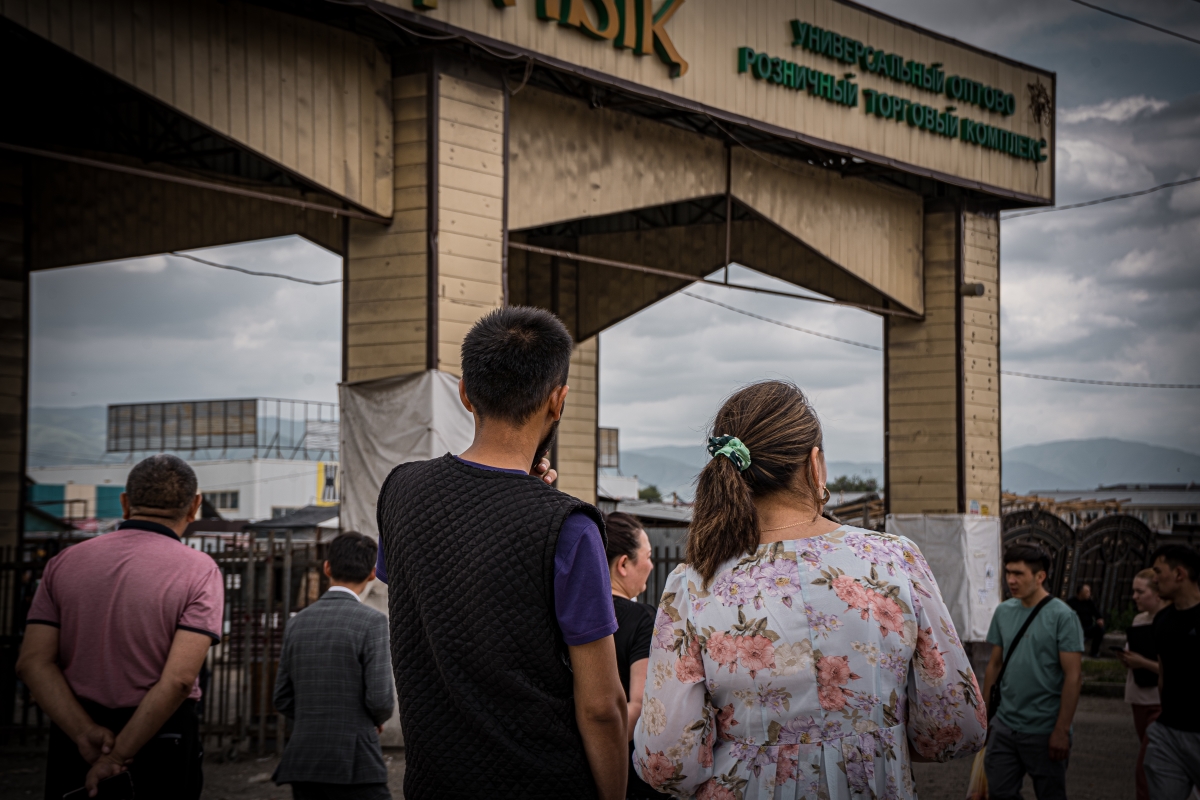
We were amazed by the administrator’s care and her wanting to protect our team.
The Joy of Restoration
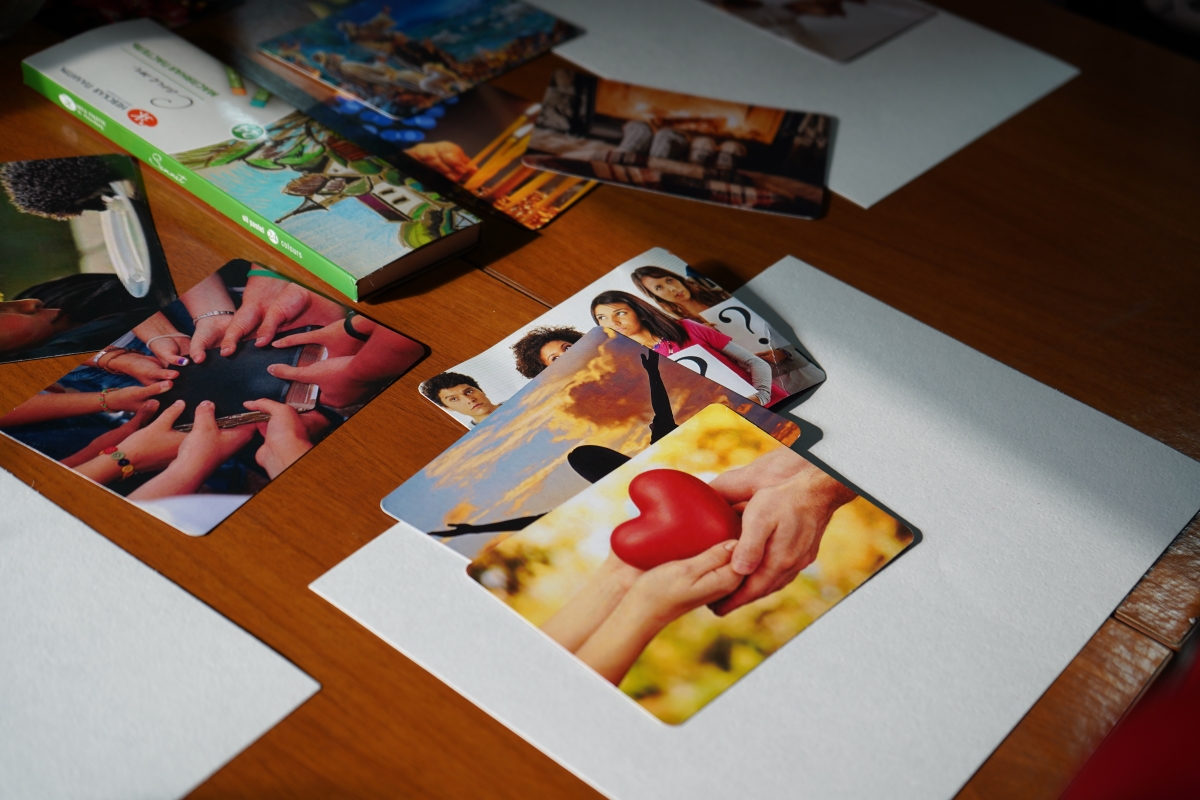
Her sister was stunned that Rosa, herself, was willing to assume the shame.
Tools For Peacemaking
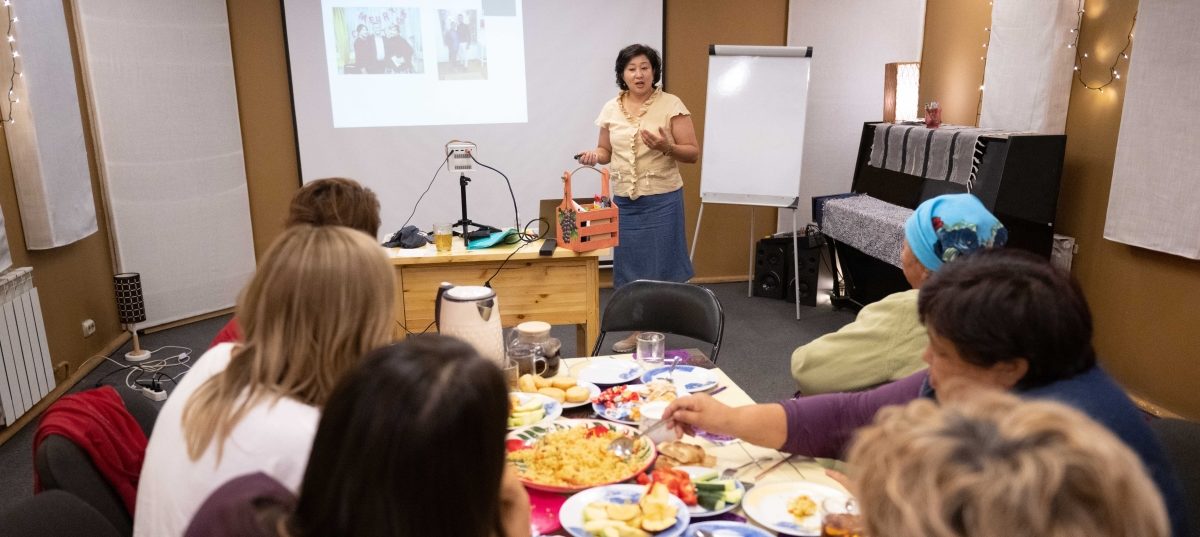
The women in this group are empowering one another to be peacemakers within their families and communities through sharing their stories and affirming positive change.
Trauma and Survival
This is a painful story of trauma and survival.
I Trust You
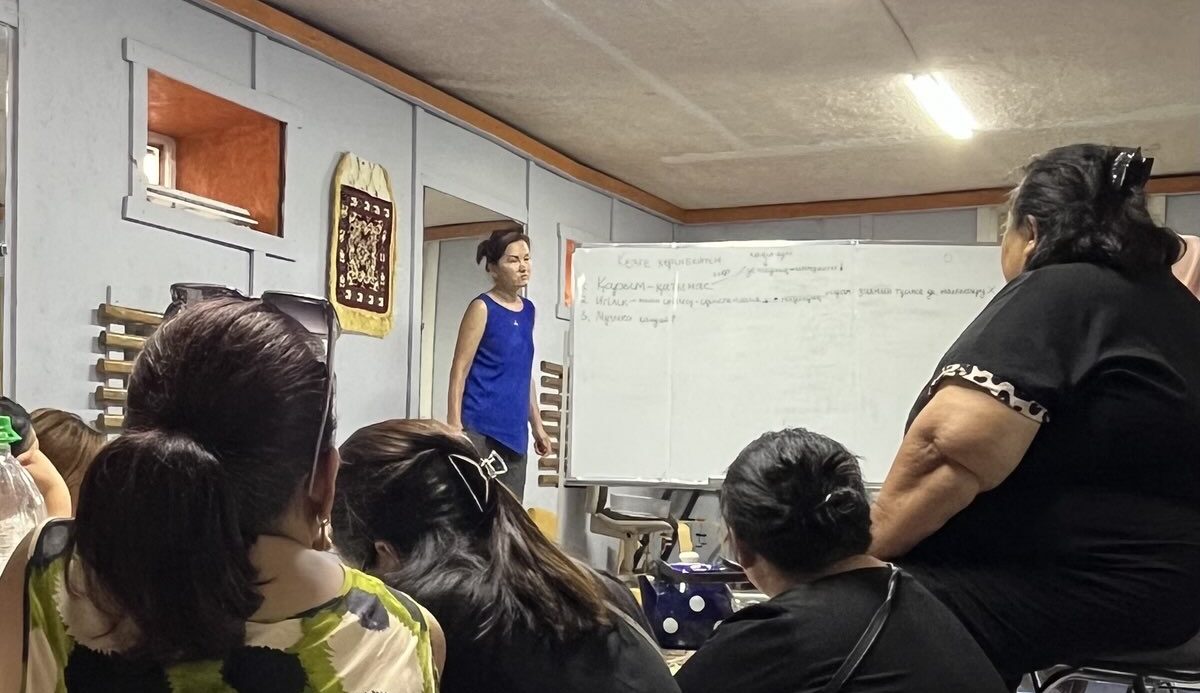
“I can’t trust any of the women in the village—there’s so much judgment and gossip. But I trust you, the women sitting here in this group.”
Journey to Healing
Karlygash* attended our Women’s Empowerment seminars faithfully. She was deeply committed, rarely missed a session, and listened attentively to every lesson—especially those on family relationships, forgiveness,
No One Talks to the Young Men
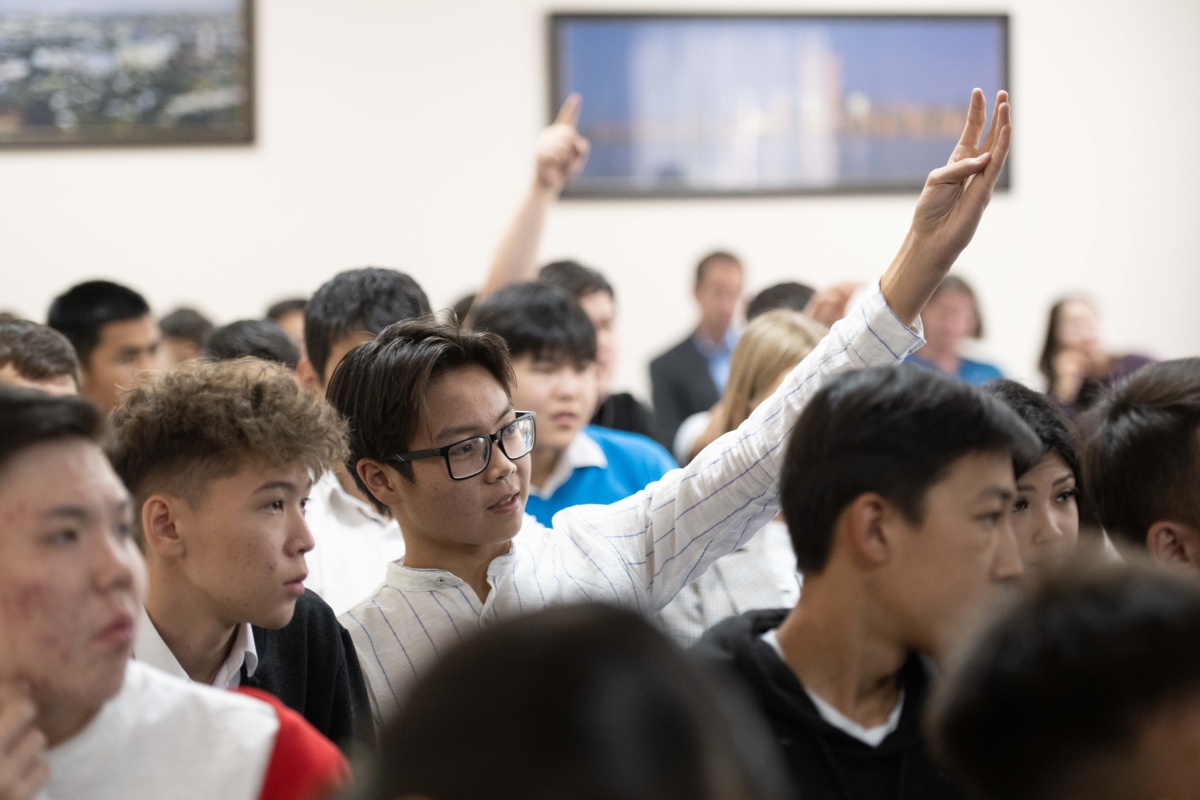
Another commented that no one talks to the young men about sexual education, and this was enlightening for them.
The Courage to Leave
In trafficking situations, women are often not able to get the medical attention they need, or they can’t afford to eat enough.
Partnership for Change
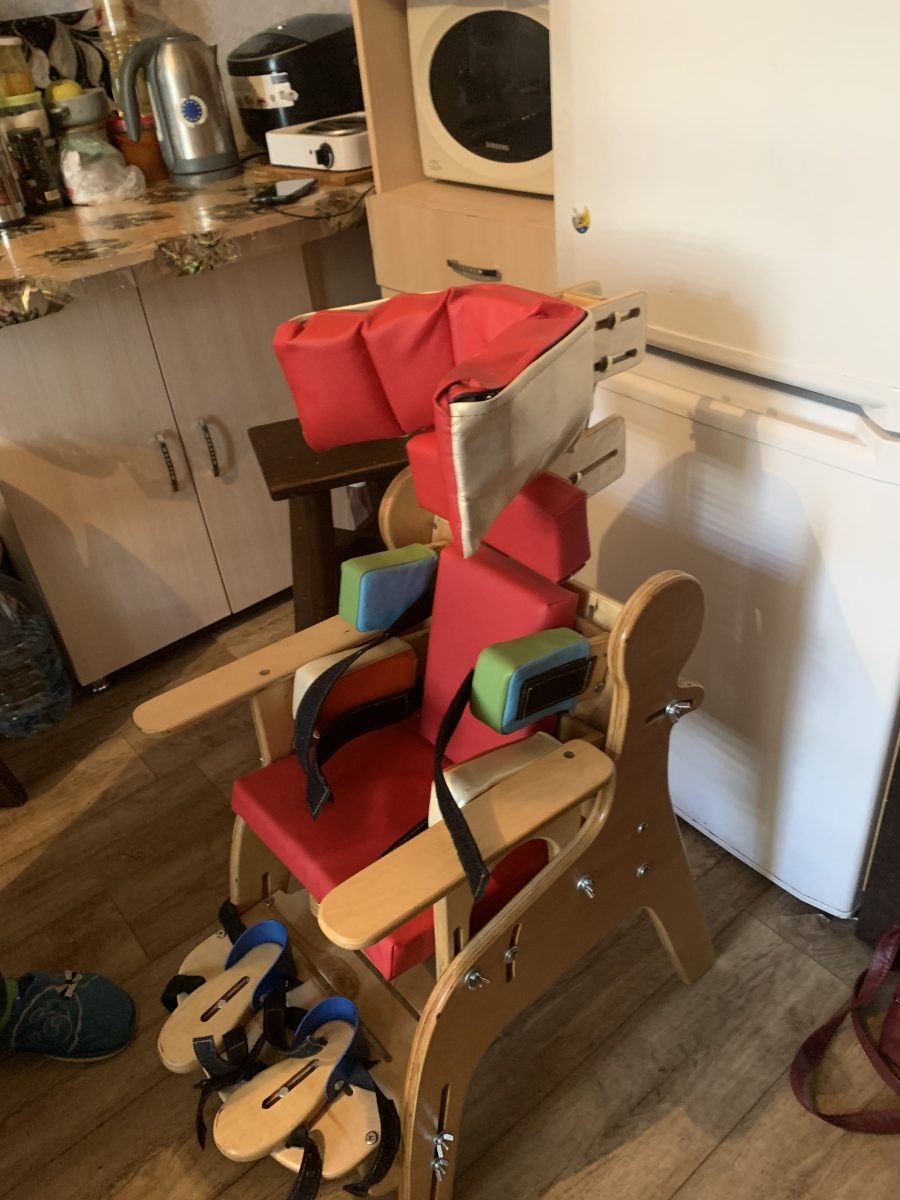
Both organizations continue to work in partnership with the mom and her son and we are seeing positive changes in their lives.

Wednesday Club
“Wednesday Club” is a two-hour programme for children with disabilities (CWD) and their caregivers, held once a week. While CWD work on physical exercises and socio-emotional skills,
Equipping the Next Generation
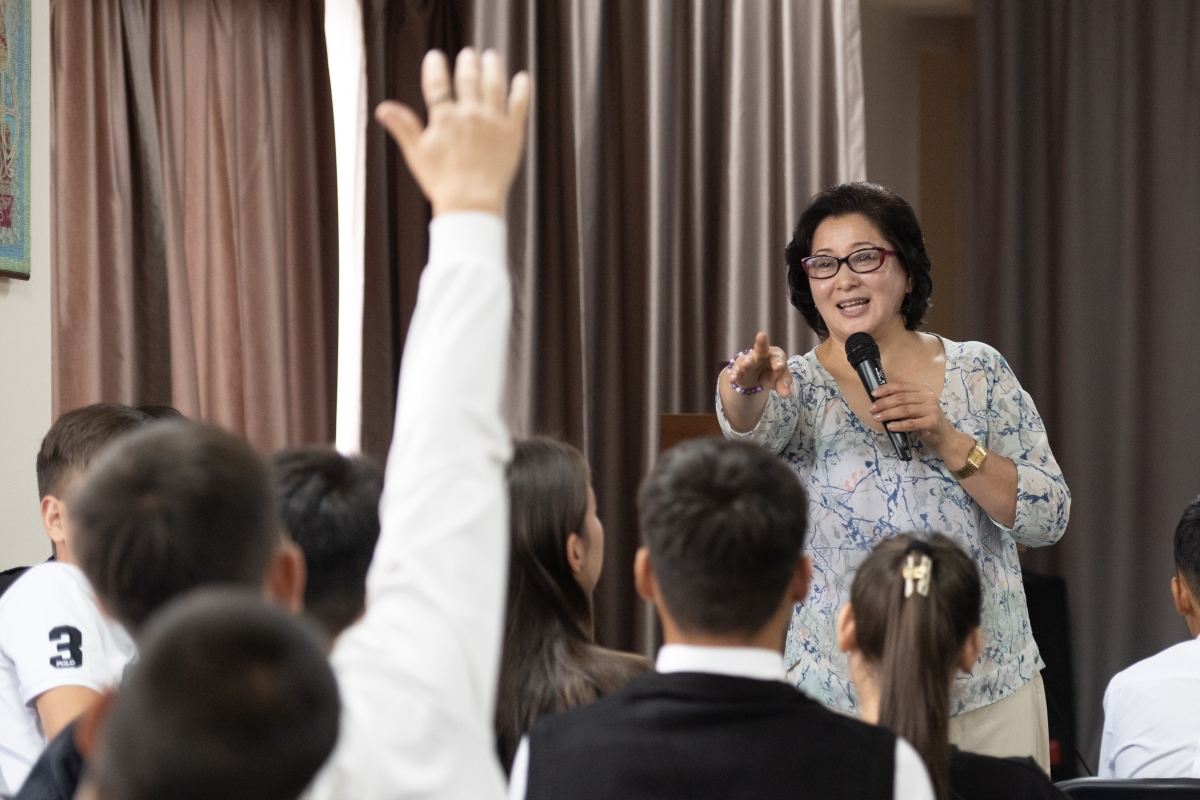
Working in partnership with local education institutions, more than 2,000 students go through various parts of the life skills program each year.
Training for Local Health Care Professionals
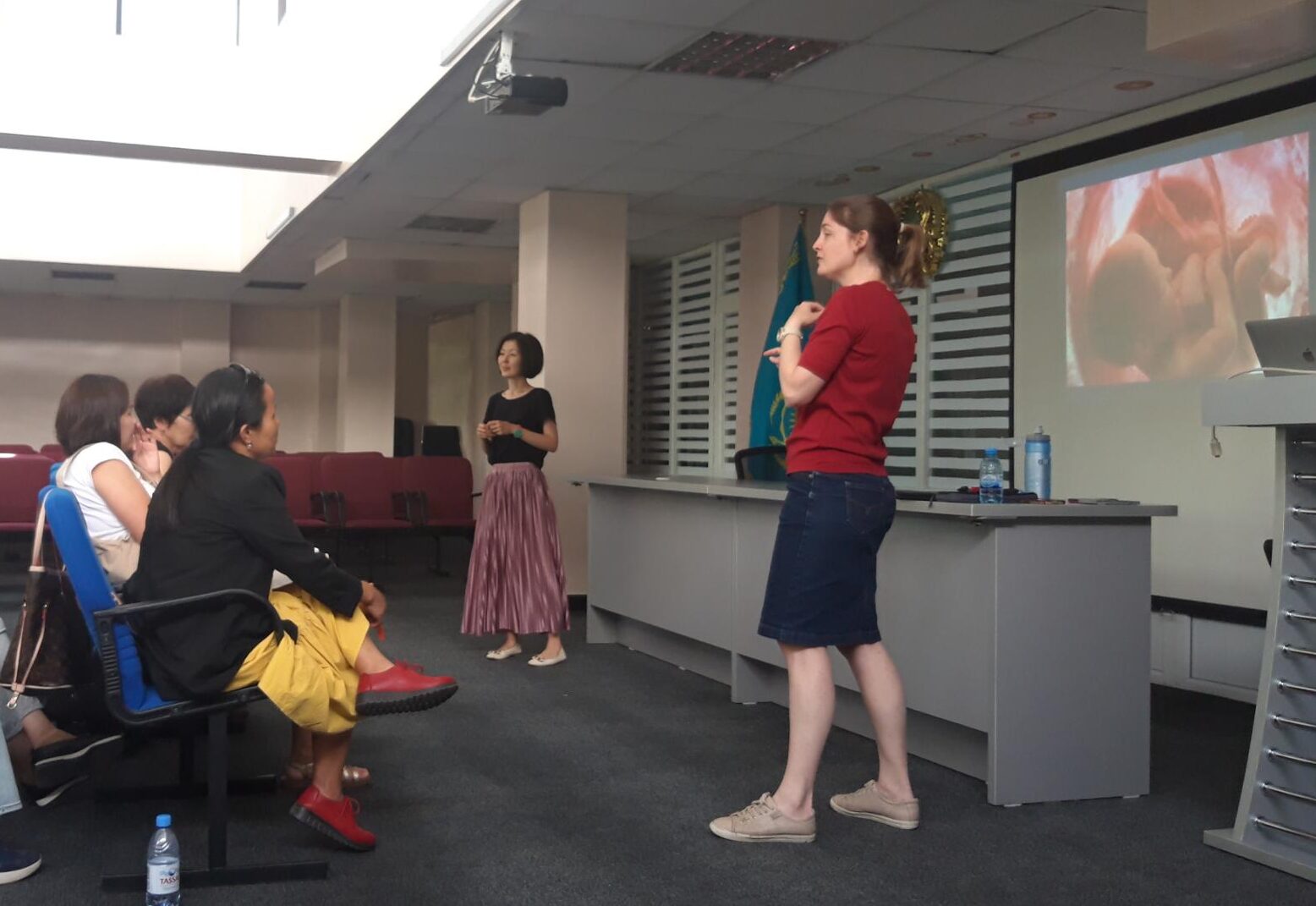
Kangaroo care and skin to skin contact between mother and newborn baby – these are vital practices unheard of in the local Kazakh neonatology hospitals.
Now He Sits Like a King!
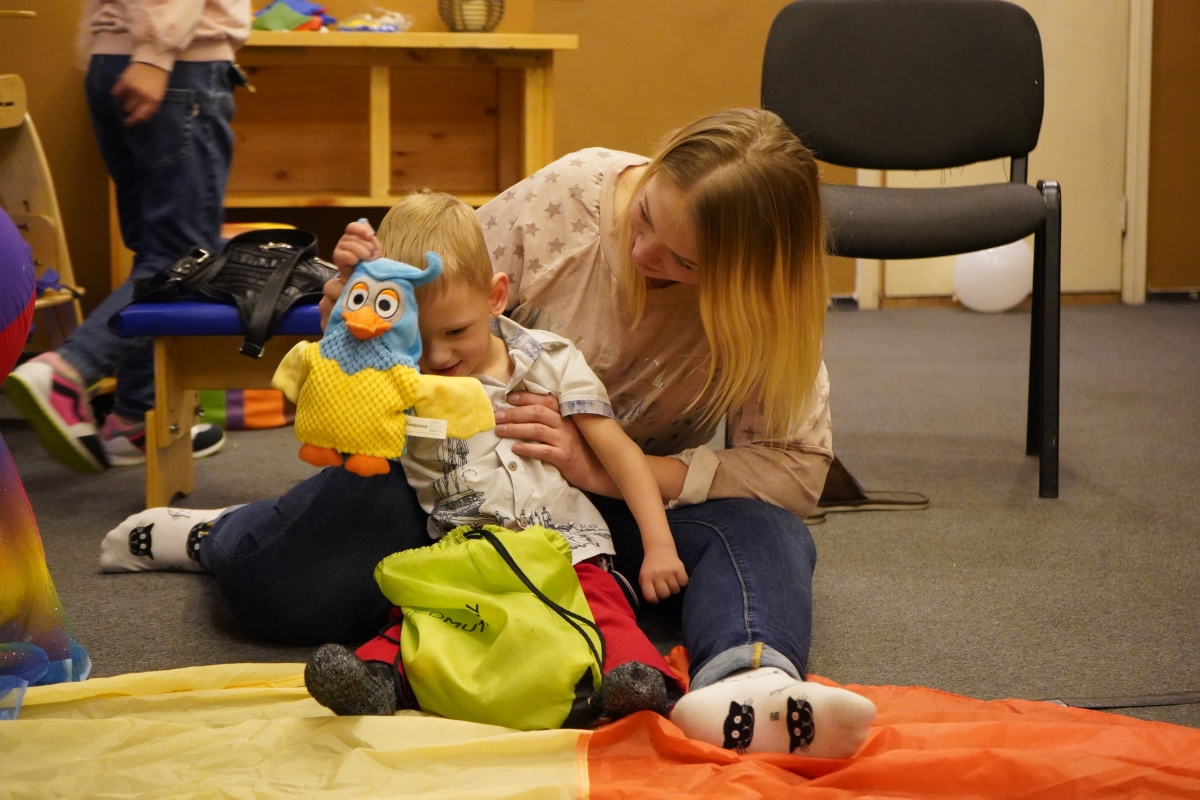
Positioning and proper support for children with cerebral palsy is crucial to their development and also to interacting and engaging with their environment.
Passing Skills to the Next Generation
As an extension of our celebratory activities, the women participating in the Women Empowerment Project had the opportunity to empower their teenage daughters by encouraging them to take the lead in organizing a special event for the boys on Men’s Day.
Local Partnerships to Maximise Capacity
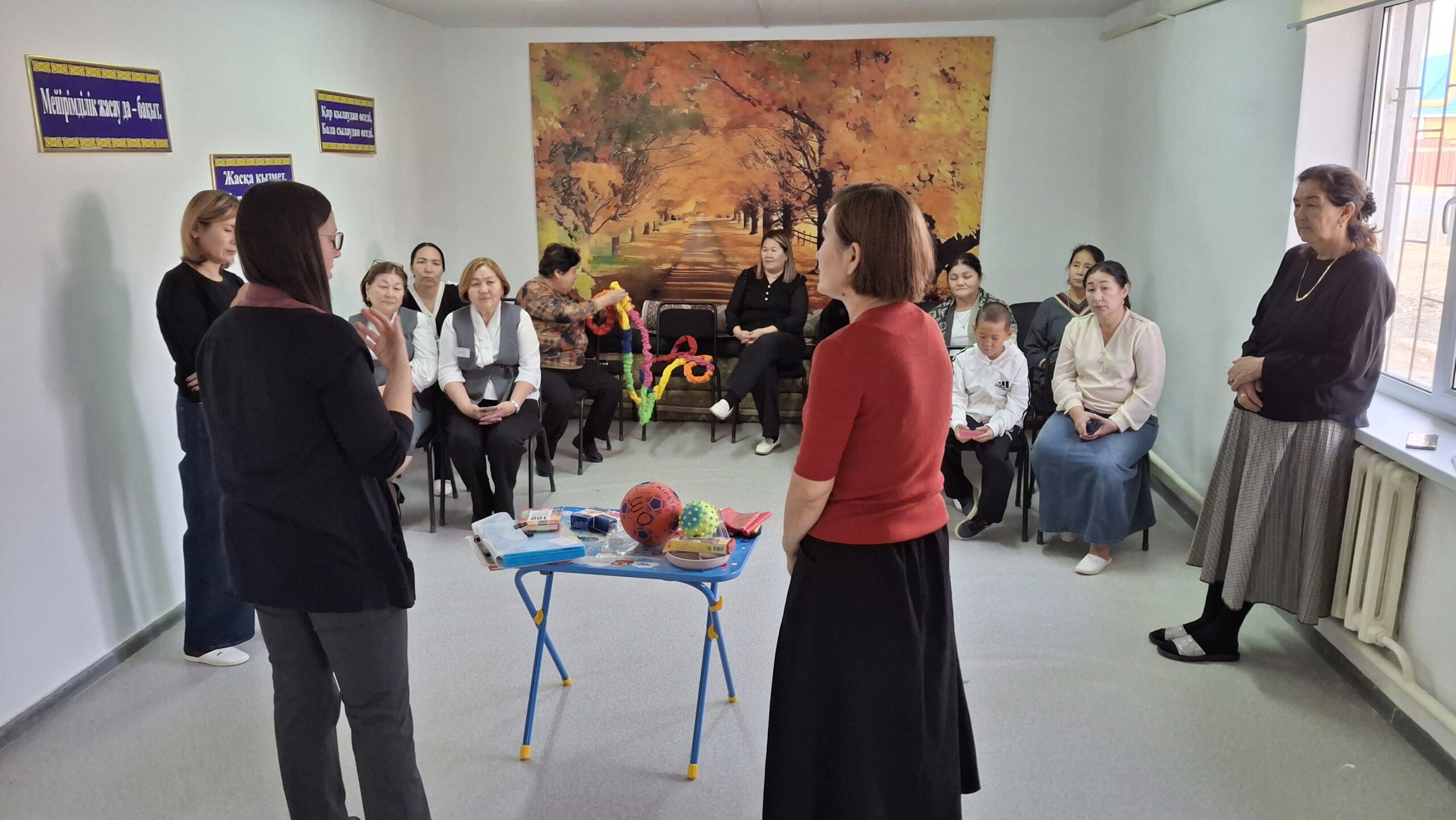
When a massive flood hit the North West of the country, our team was able to visit and make connections with families and centres with children with disabilities.
Growing in Strength and Love
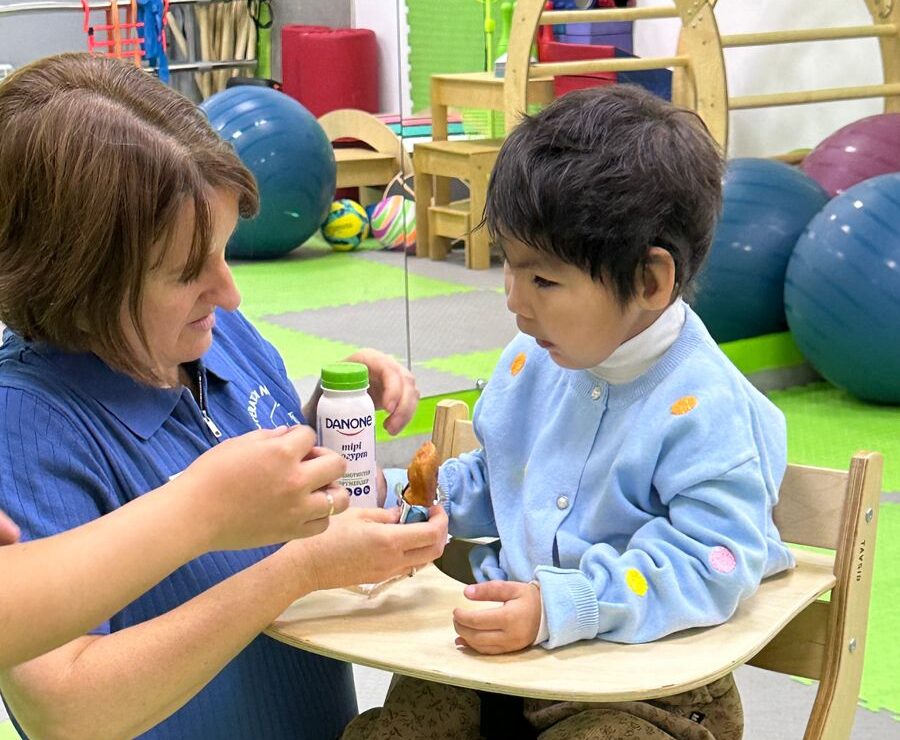
When our team first met Gulnar, a six-year-old girl diagnosed with cerebral palsy (CP) and a suspected case of CHARGE syndrome, she was unable to walk or communicate.
A Celebration of Dignity
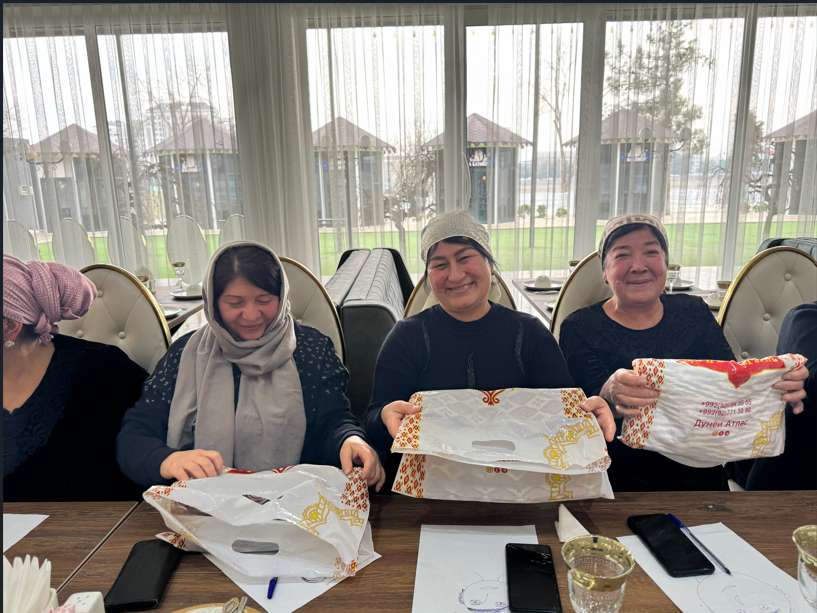
This year’s International Women’s Day celebration under the Women’s Empowerment Project (WEP) was unlike any we had ever held before. For the first time, the gathering was filled predominantly by women from the deaf community,
Empowering Mothers
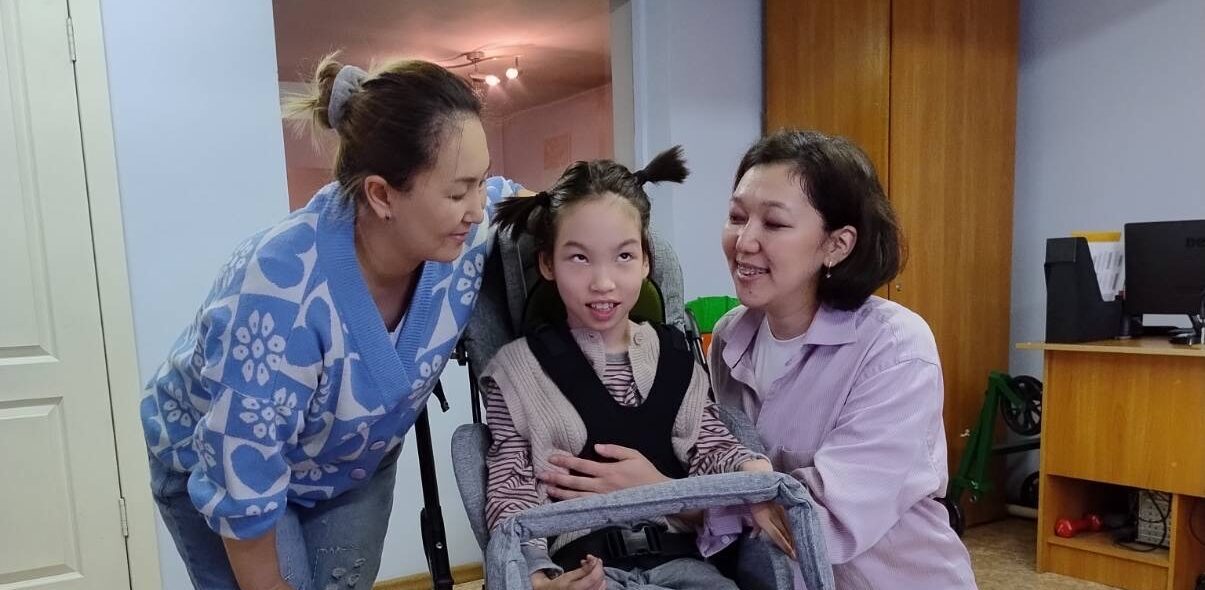
“It is so important that you know your rights!”
Realities of Trafficking
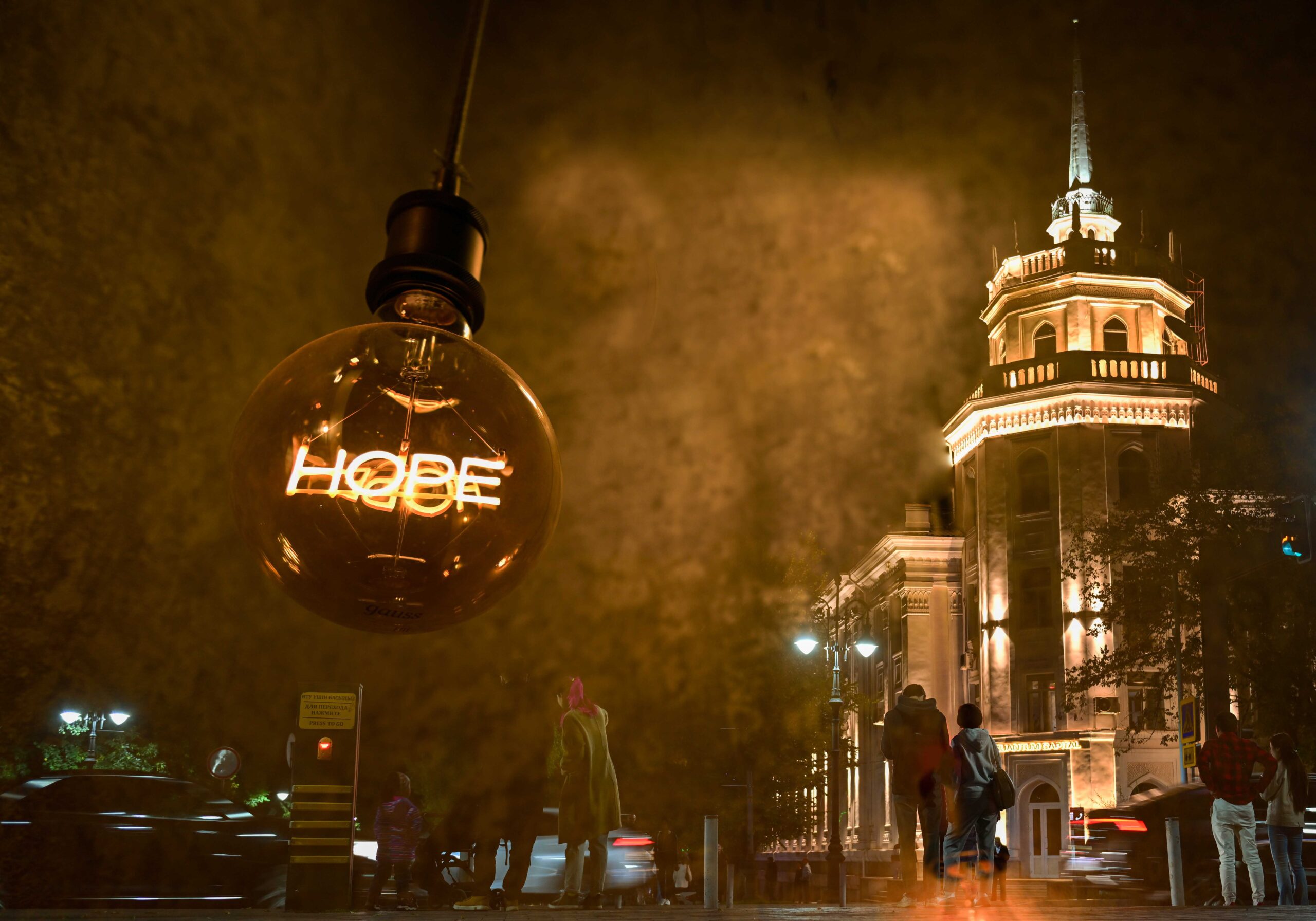
Our weekly visit to a brothel to bring hope and compassion to the women working there. Our visit was marked by both tragedy and moments of connection,