
Vocational Training and Character Formation
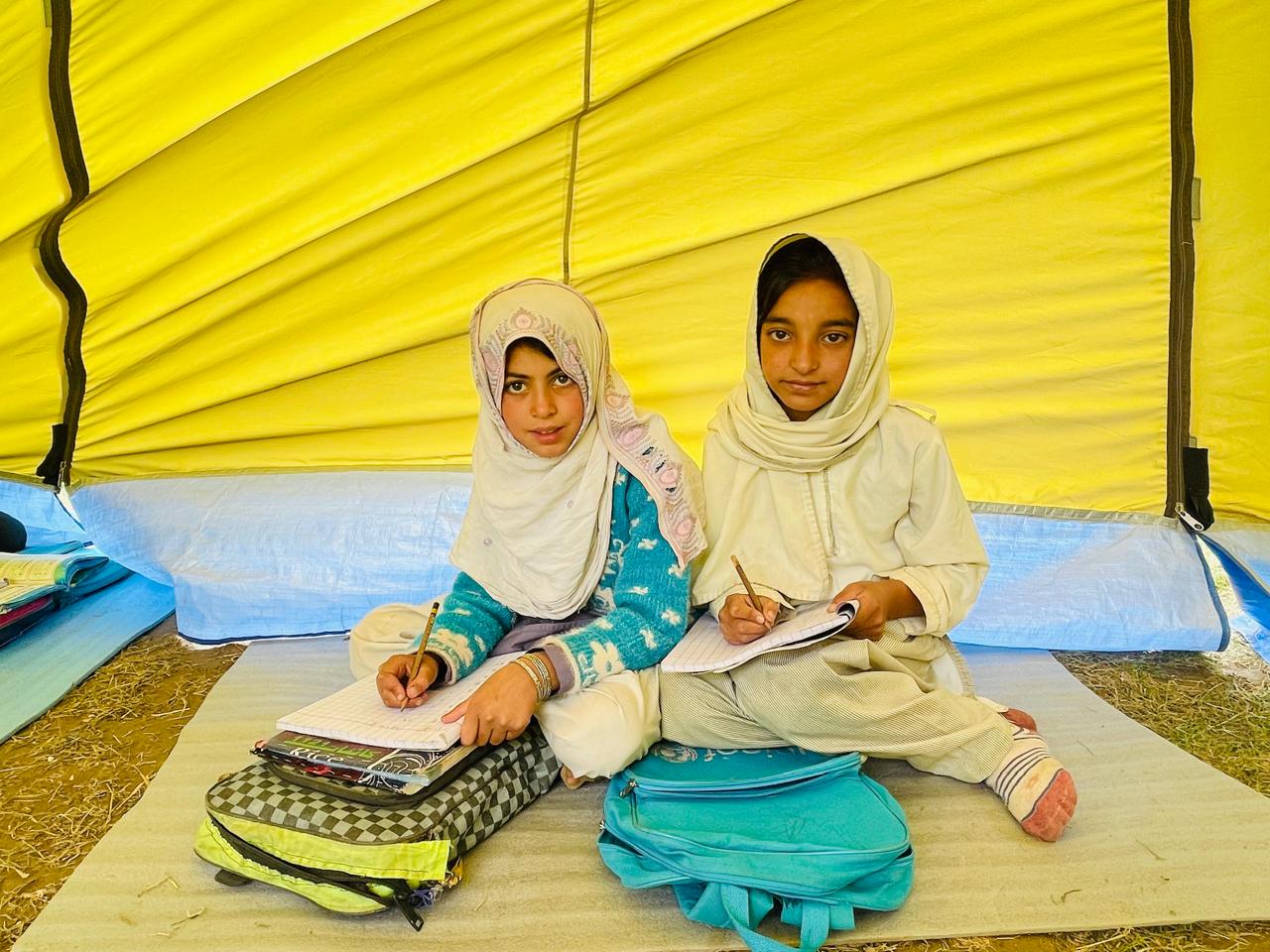
Nahida likes to study but she never had a chance to go to a school because her parents always moved from one place to another. “I always had a desire to go to a school but I come from a shepherd family and in the summer we move up to high pastures with our livestock and we are not allowed to live in the village,” explains Nahida. “We move up to the pastures with our family. We go to the mountains for six months and we only care for our animals. Our parents never liked education and they also told us that going to a school is a waste of time.”
In the fall of 2024, in a field surrounded by some of the highest mountain peaks in the Himalaya, 25 women graduated from our six-month mobile Adult Literacy Programme where they learned to read and write for the first time.
Nahida says, “Attending this centre, my eyes are opened and I have realised the importance of education. I am able to read the prescription mentioned on different medicines. I have learned about the importance of health and hygiene. I have learned new things every day. I am so grateful for this rare chance to be enrolled at this centre.”
No One Talks to the Young Men
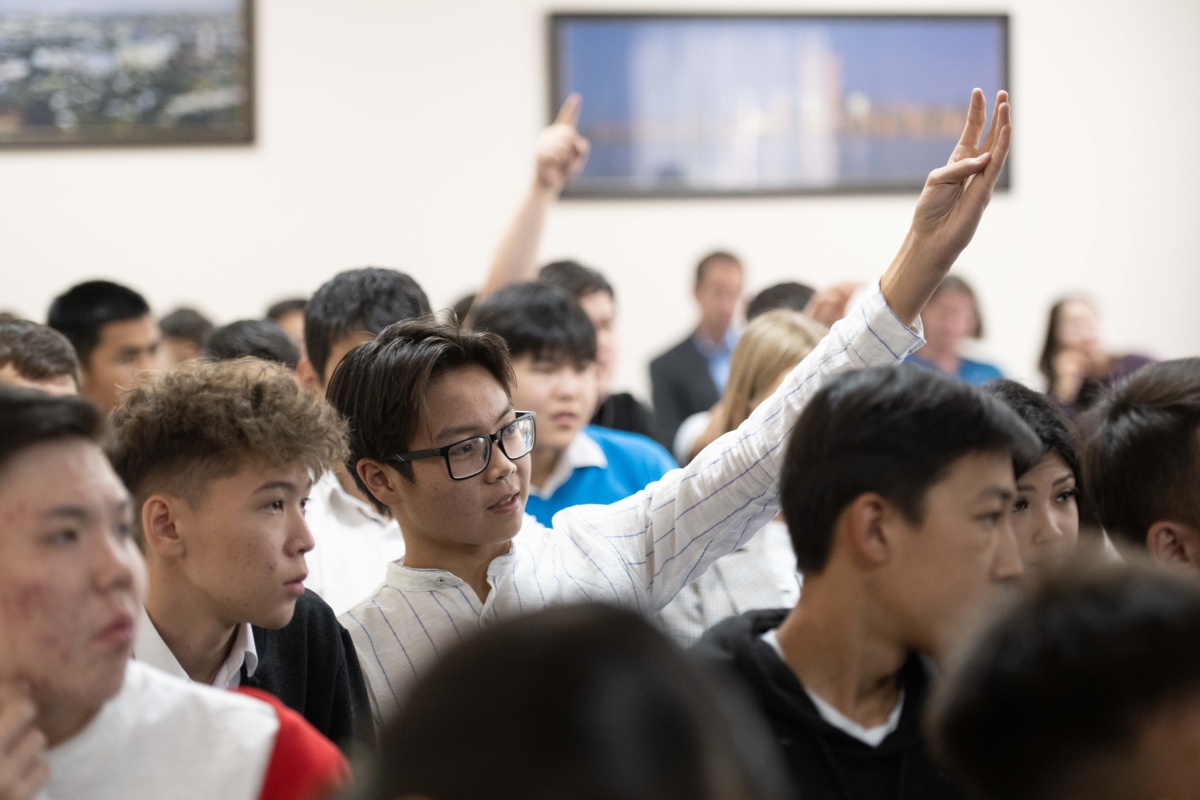
Another commented that no one talks to the young men about sexual education, and this was enlightening for them.
Professional Excellence
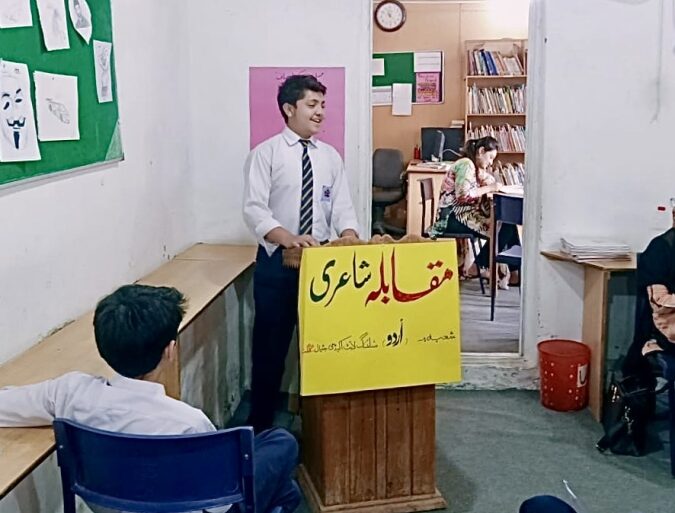
Operation Mercy’s partner organisation has worked to develop a monitoring and evaluation program to ensure its programmes are pursuing professional excellence
Supporting Teachers, Strengthening Students
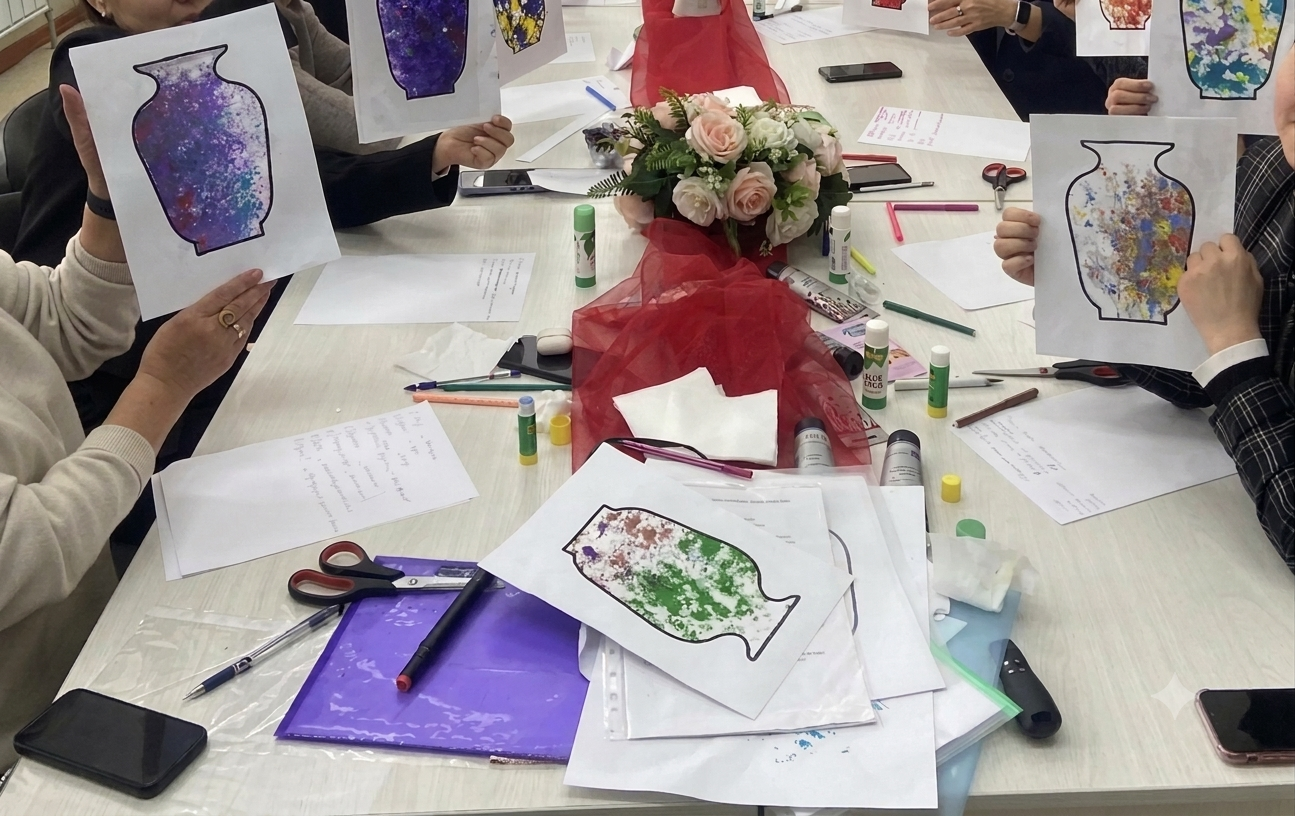
As our life skills team in Kazakhstan worked with several colleges, we began hearing a common concern from young teachers. Many were experiencing high levels of stress,
A Tent School That Travels with the Shephard People
Over the past three years, through our Monitoring and Evaluation Program, our team has noticed that while enrollment in school is high in the five mountain villages that we work with,
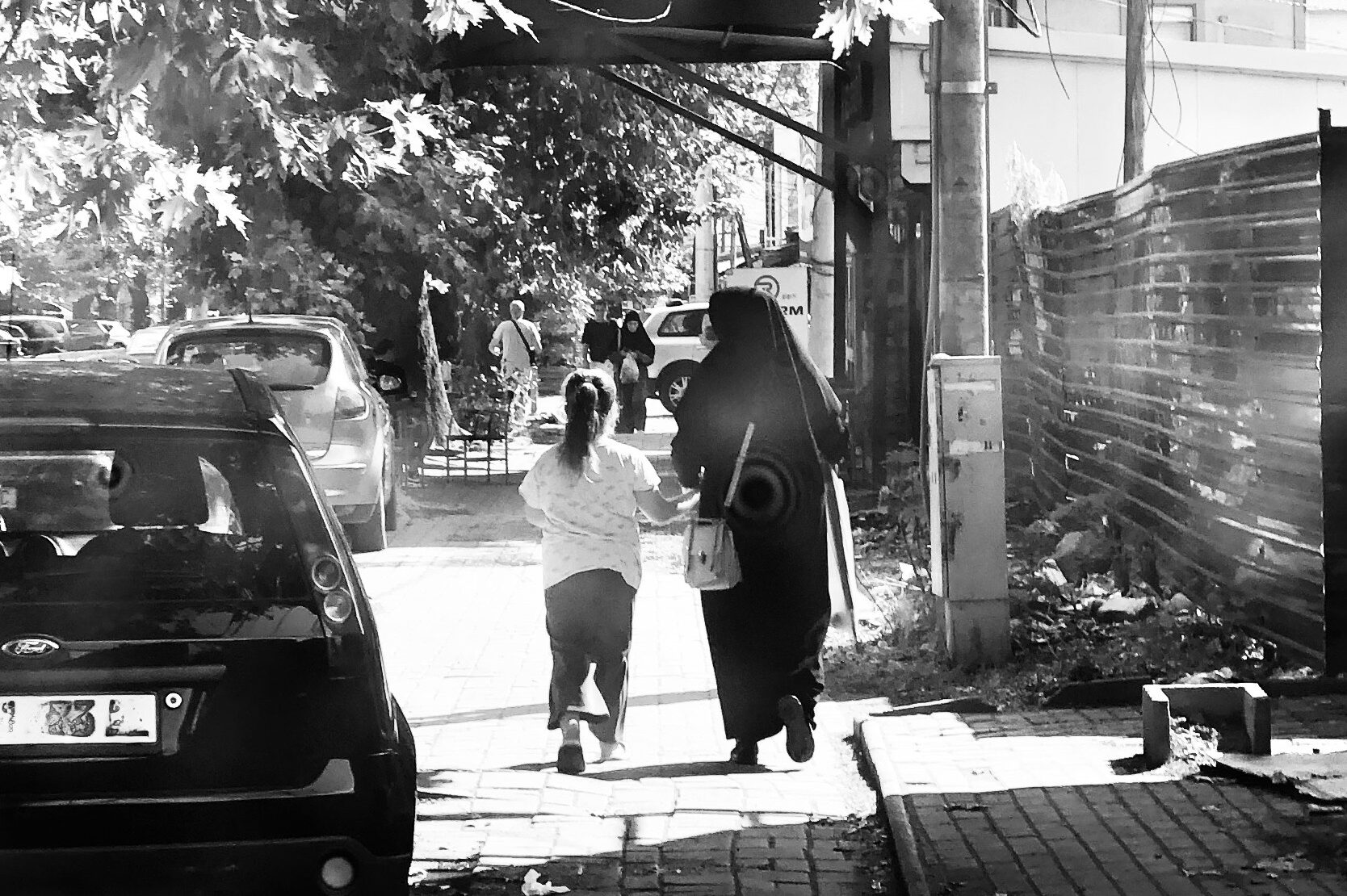
“If you are with me, I’m not afraid to go forward.”
She told us, “If you are with me, I’m not afraid to go forward.” We believe in her and trust that she will take the next step towards making her dream come true.
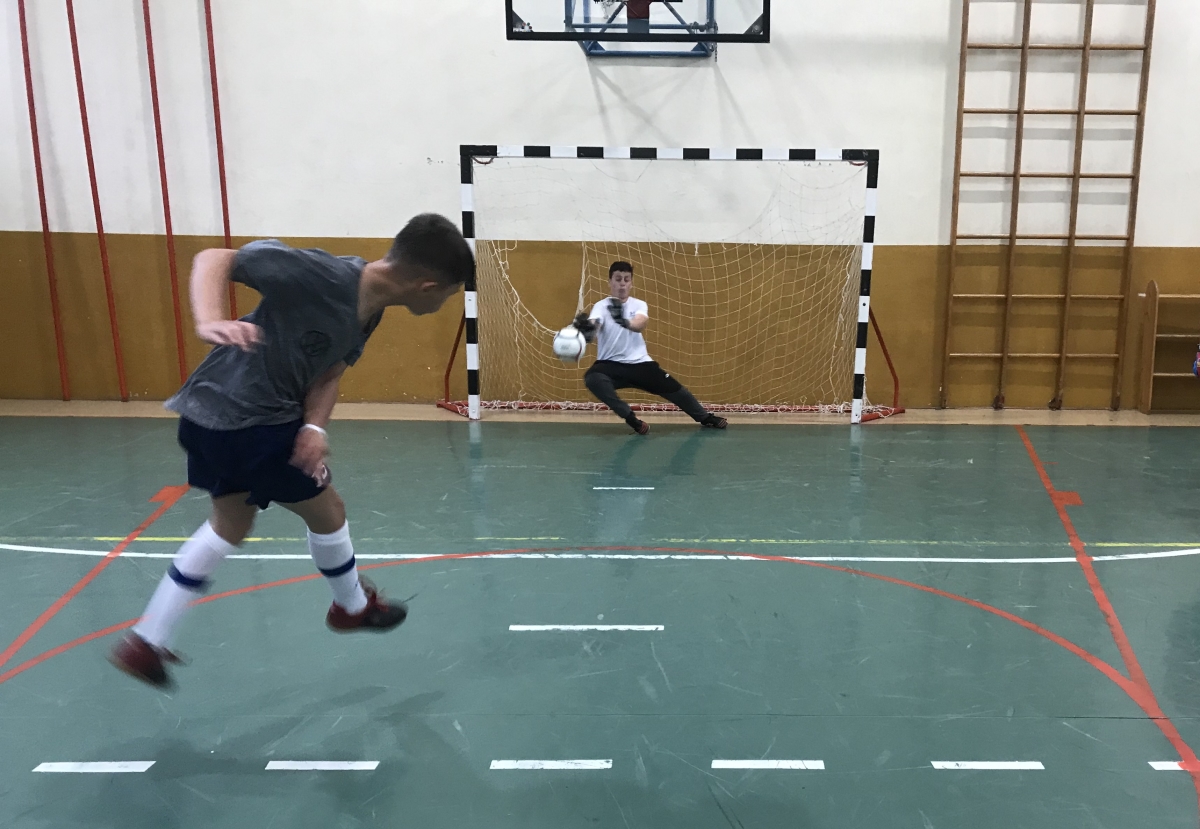
Together for the Neighbourhoods
One school director partner has been a pathfinder for Operation Mercy´s youth dimension of STEP in the toughest neighborhood in the city.
Partnerships Transform Families
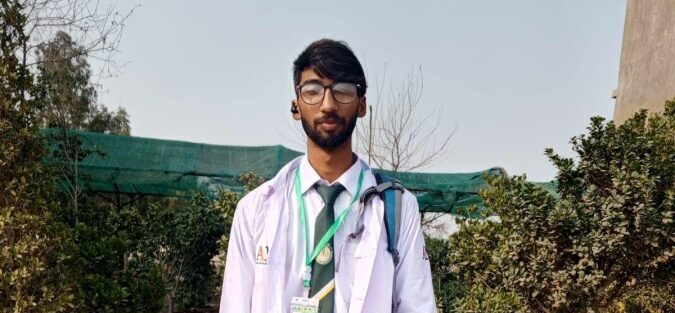
Sharif* grew up in a very conservative village. He was bullied at school by students and teachers. His family had heard of our partner’s Scholarship Program and their partnership with the local center to provide housing and support for students just like him.
Underdogs
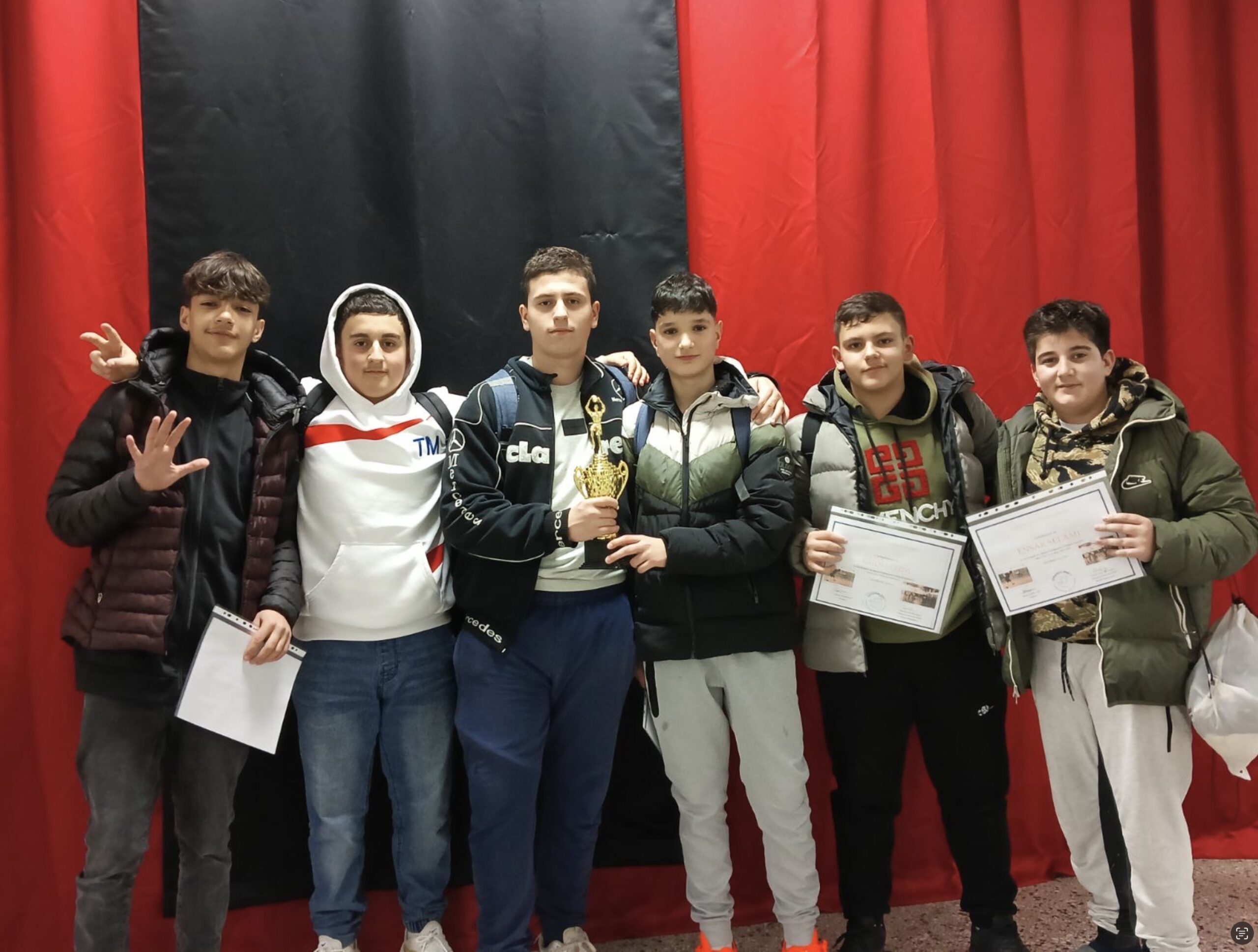
“When we have the breaks in the training programme, some of the boys catch me and want to talk about how things are going at home.
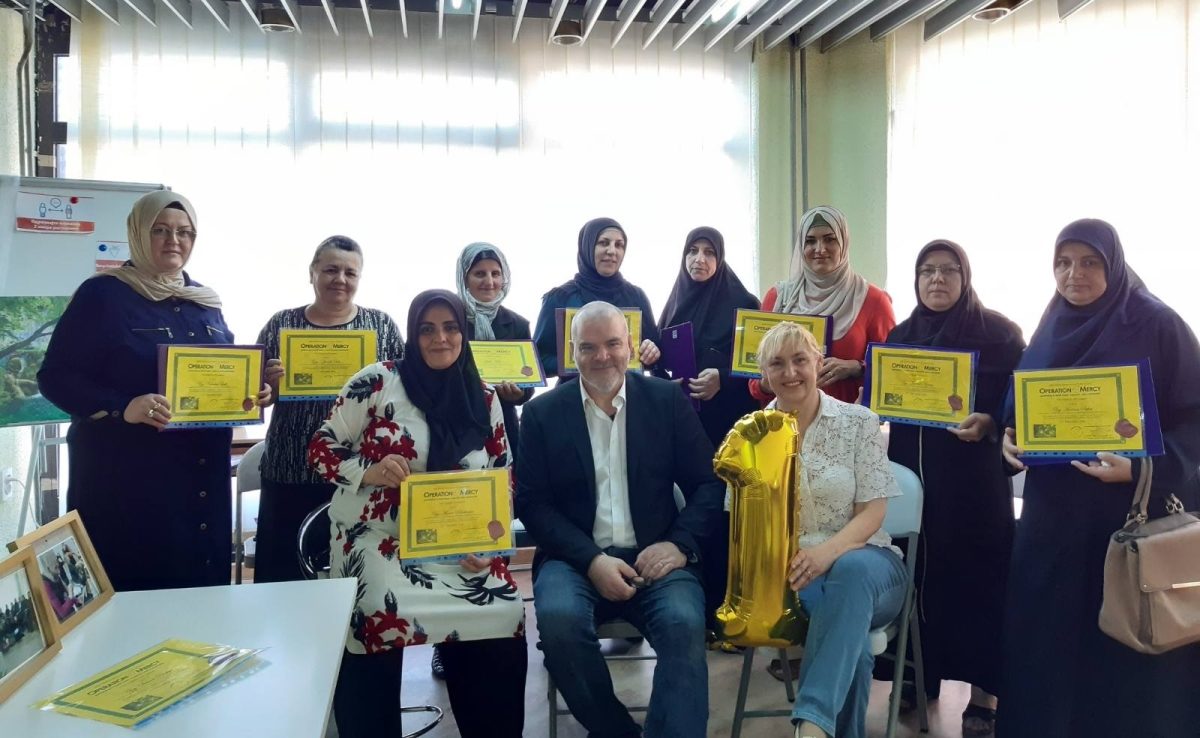
Looking Back, Looking Forward
Looking forward, we have our ears to the ground, to listen to the community and discern a path of hope into the future.
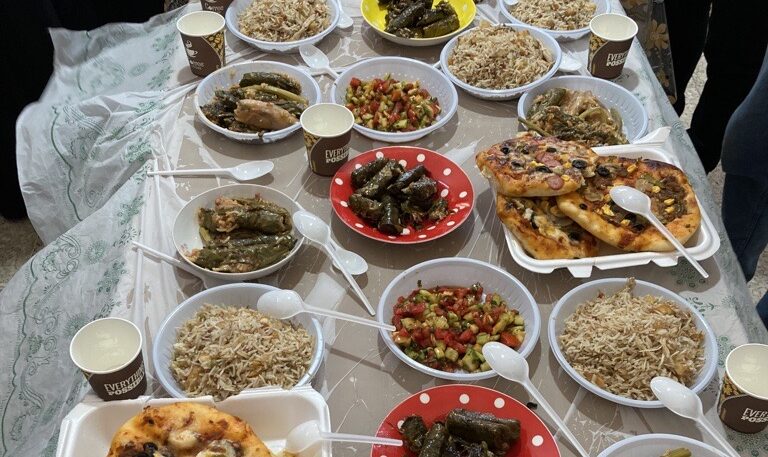
Taking Courage
It is not easy to be a widow caring for a family in a culture where women are expected to remain at home and must guard their reputation carefully.
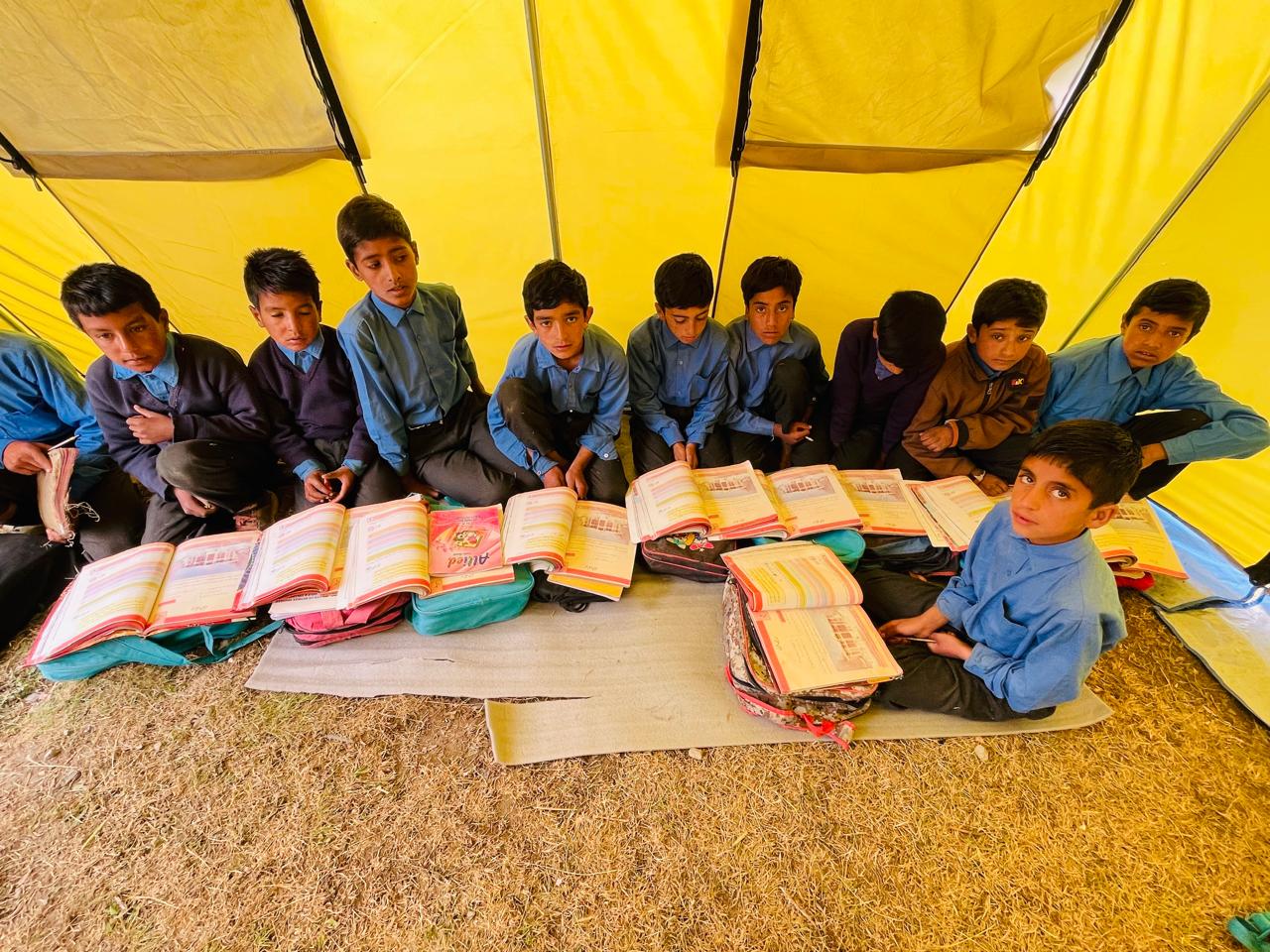
Mobile Tent Schools
In remote, seminomadic communities in Pakistan, the school year used to come to a halt during the seasonal migrations. Children missed out on up to seven months of education,
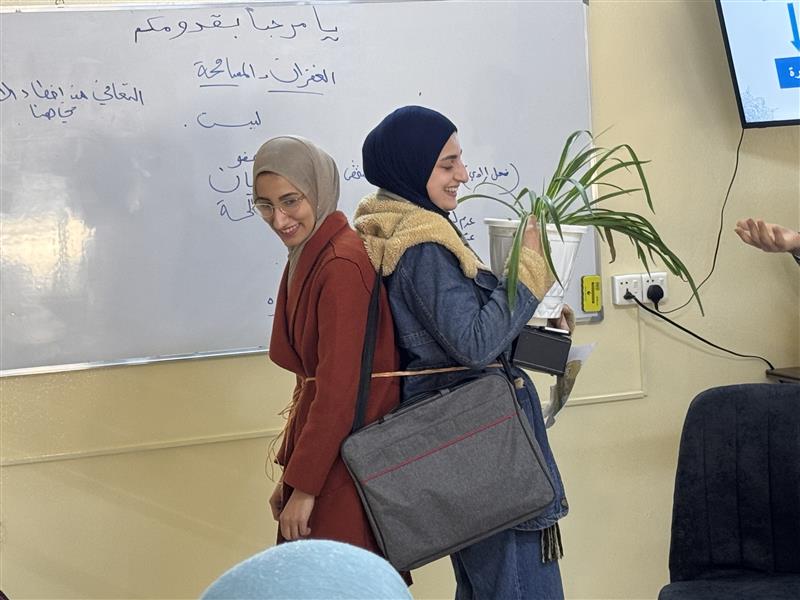
Can I Change?
Shy, nervous, tense. Sarah, a 29-year-old mother of two, heard about our character and trauma training from a friend and wanted to see if she could change.
I Want Them to Prosper
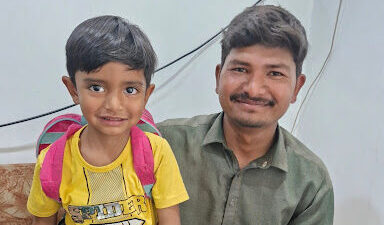
The Leadership Development Programme was created by our partner organization to provide educational assistance to the marginalized students in northern Pakistan who otherwise wouldn’t be able to attend school.
Teacher Training in the Himalaya
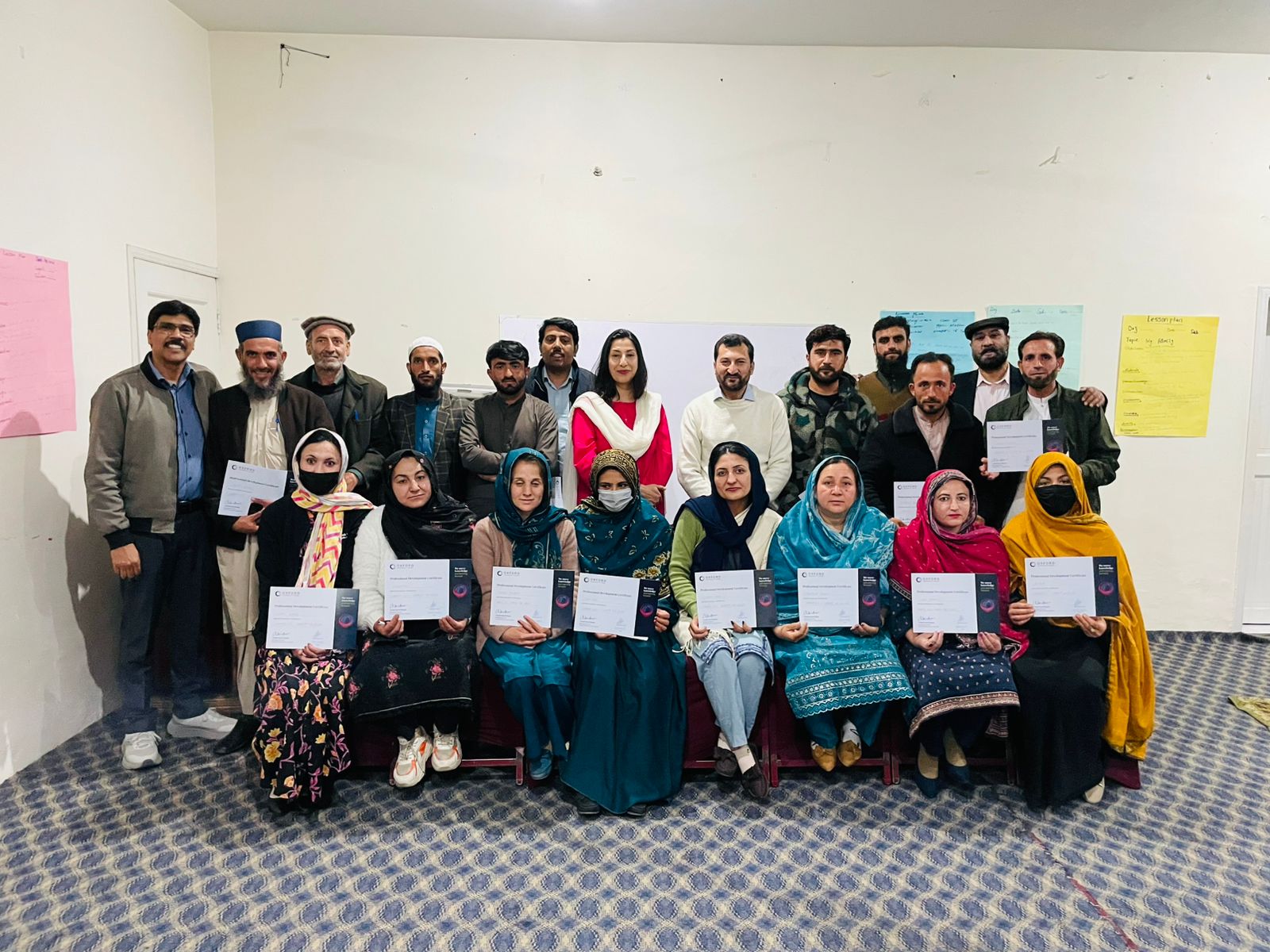
In a rented hotel conference room on a cold March day, 15 teachers from five remote village schools gathered for a two‑day training. For many, it was the first time they had attended a professional development session since becoming teachers.
Talent in the Room
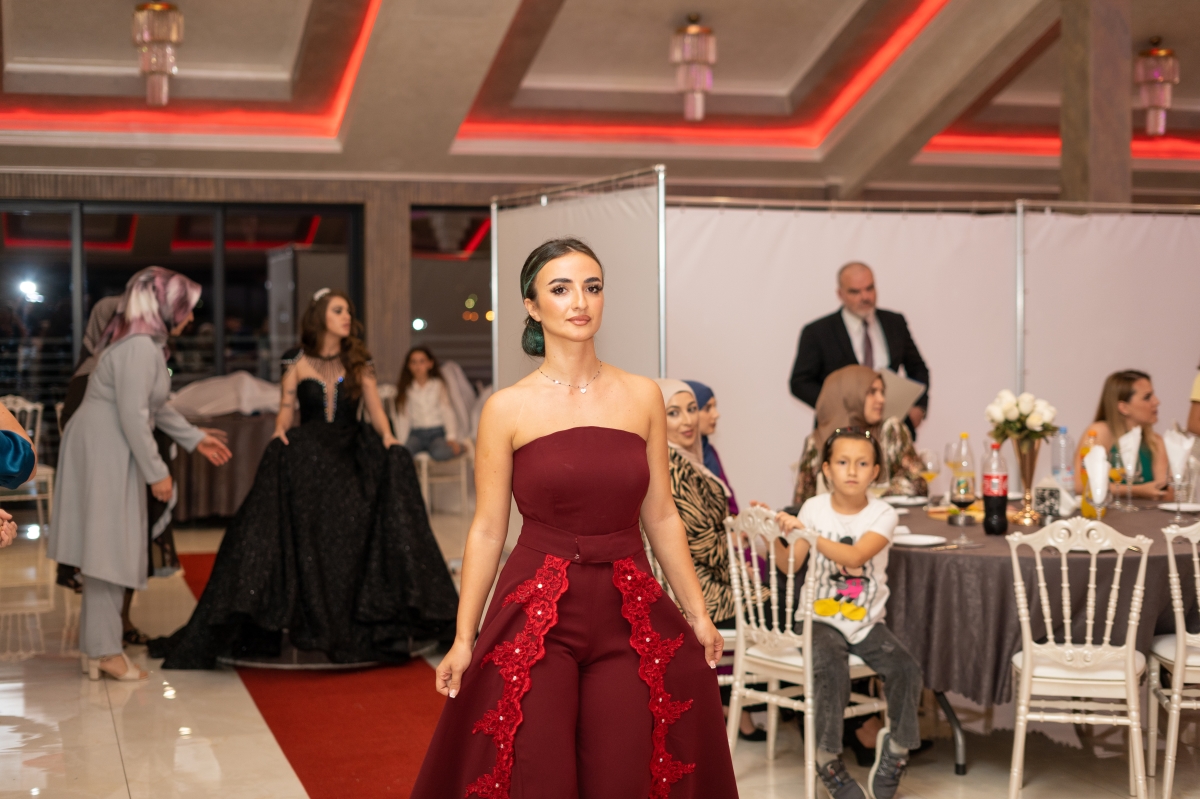
The quality of training and product in all areas was professional; the standard had been raised.
Breaking Chains of Unforgiveness
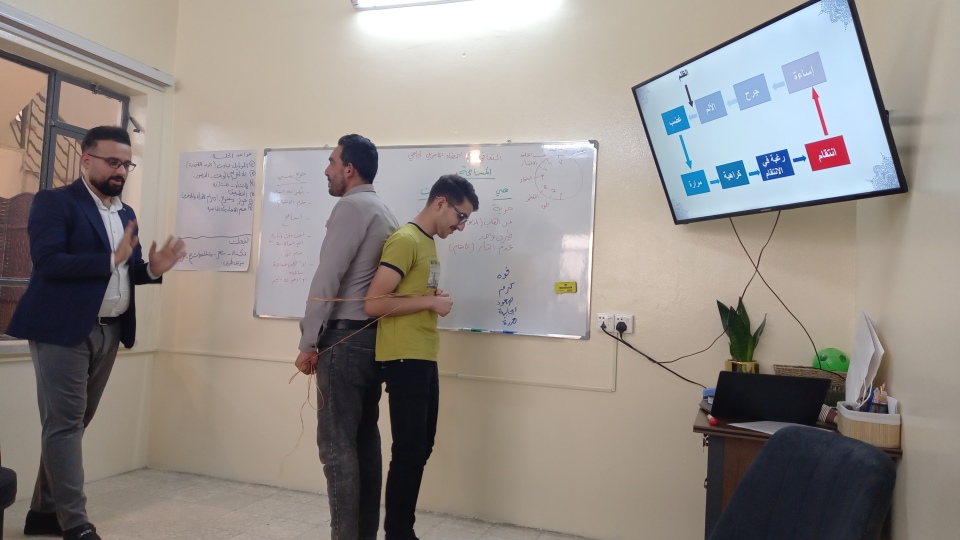
Hassan, a 27-year-old university student studying English, first heard about our character training through a friend. Through the training, he learned the importance of commitment and consistency,
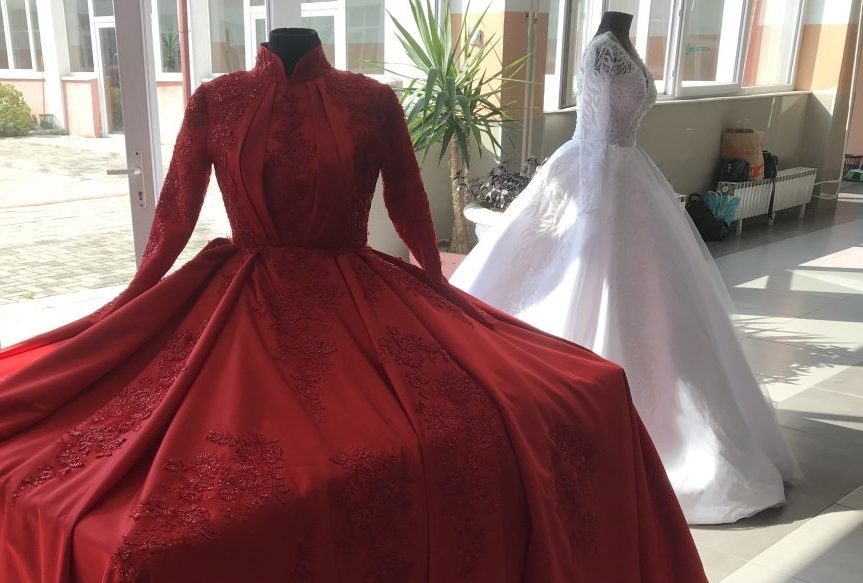
The Class of Transformations
The STEP class of this year has been a story of new beginnings.
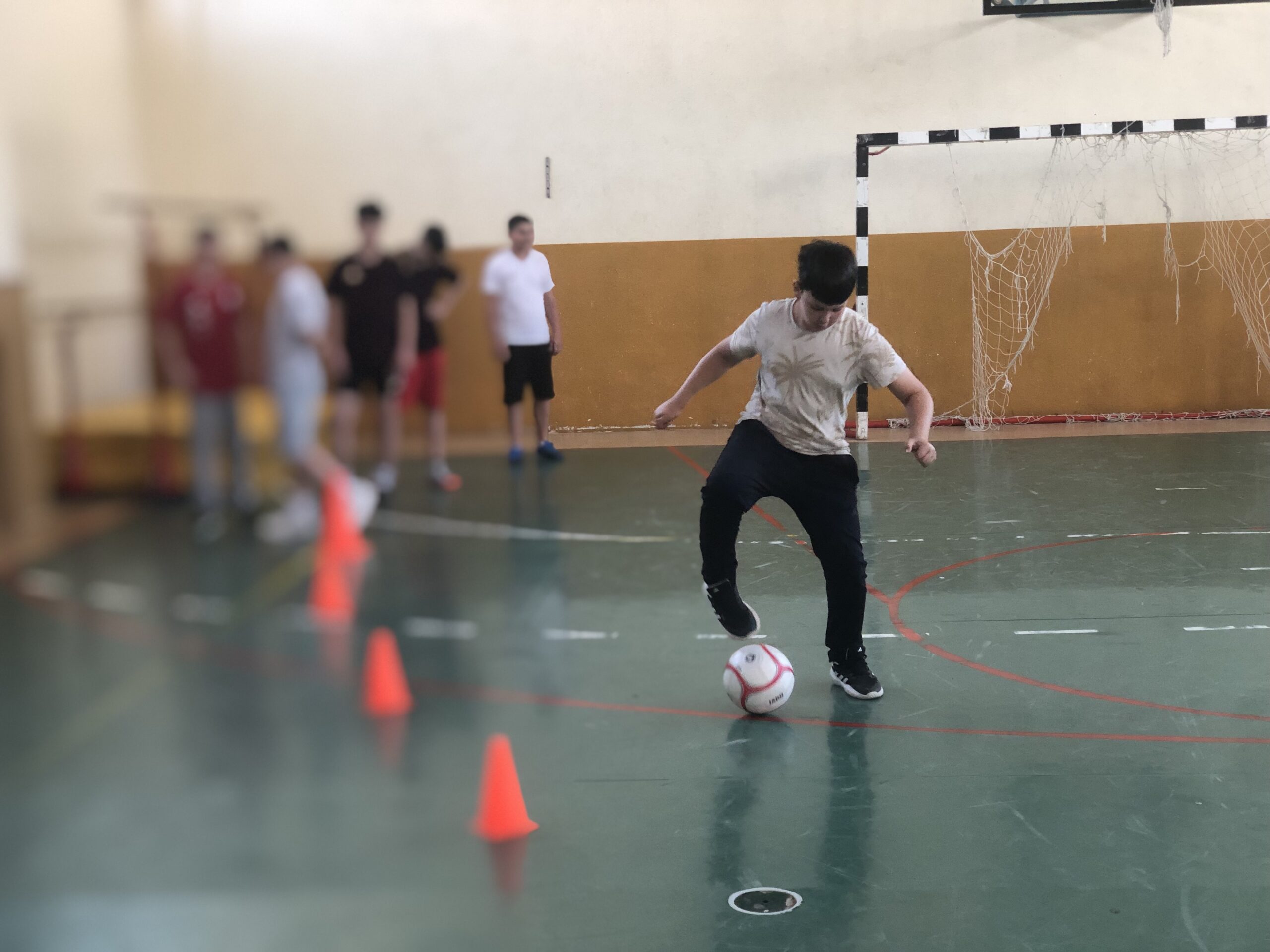
Human Capital
The World Bank´s most recent diagnostic of North Macedonia records one of the worst development of human capital records in Europe, where N.E.E.T. (youth who are Not in Education,