
Kyrgyzstan
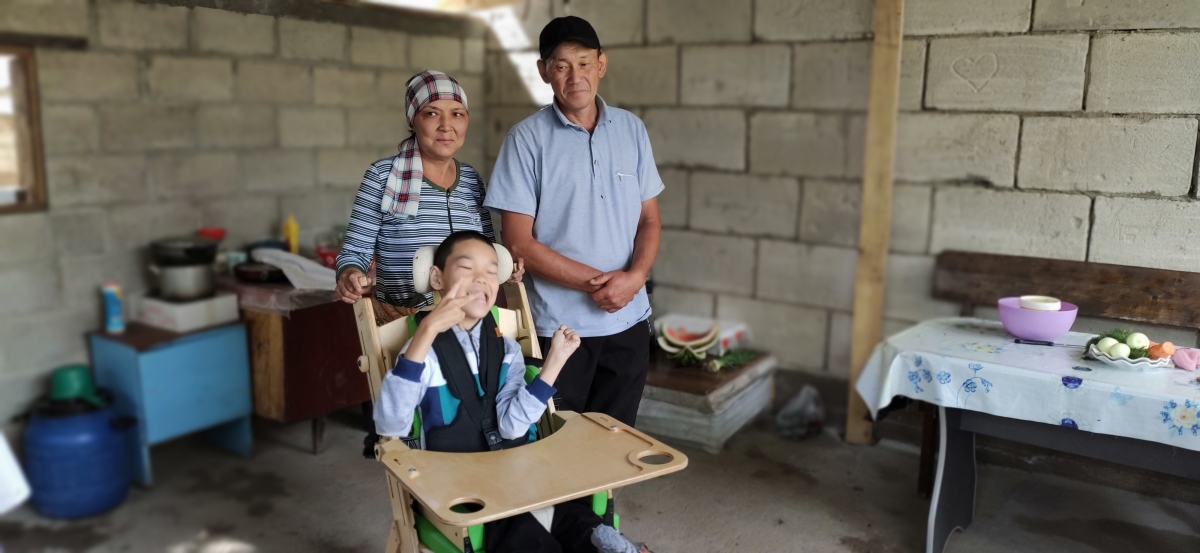
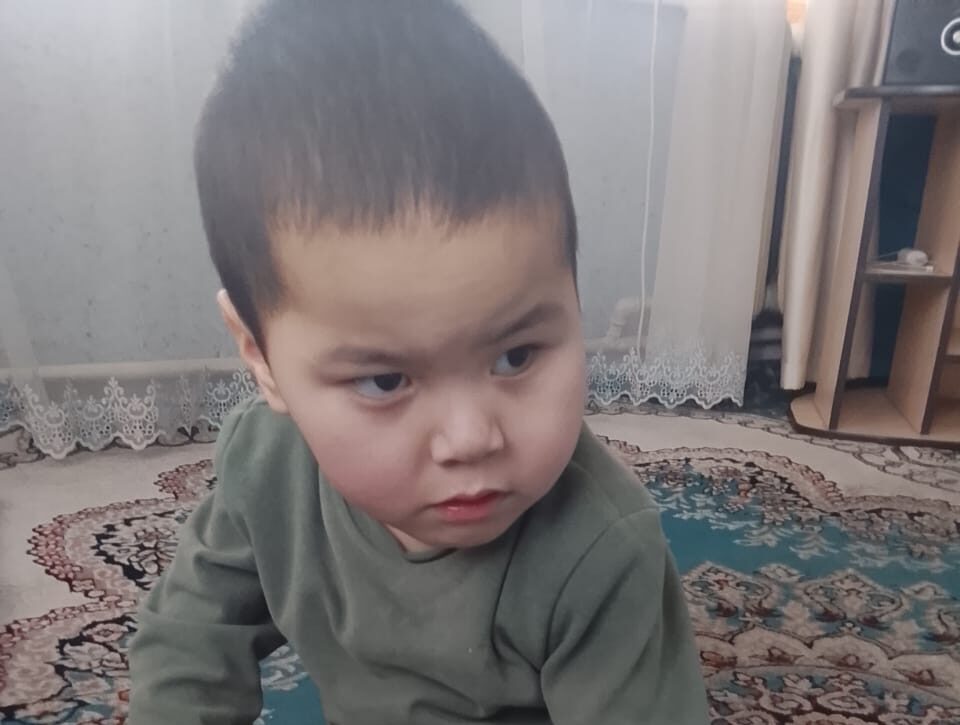
Since birth, Nurdoolot has lived with a serious condition: intracranial pressure. Doctors discovered a cyst in his brain that is pressing on the area responsible for movement and vision. Because of this, Nurdoolot cannot see, speak, sit, or walk, and he is currently bedridden.
Nurdoolot’s mother, Khusniya, is a very kind, open, and strong woman. The family has three sons, and Khusniya devotes all her time to caring for Nurdoolot. In addition, she also cares for her mother-in-law—her husband’s mother—who has a severe disability and is also bedridden.
A year and a half ago, we visited this family and provided them with a special chair for Nurdoolot. We recently visited them again, and Khusniya greeted us with great joy and shared some good news: thanks to this chair, Nurdoolot has learned to sit on his own. Even if it’s only for 5–10 minutes so far, it’s a huge step forward for them.
We were very happy for them. For this family, even small achievements are a big victory.
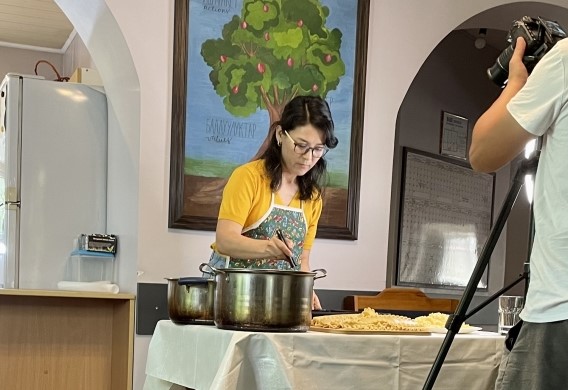
Quality Health Videos
All of these health conditions have multiple underlying causes, but poor dietary habits are high among the risk factors.
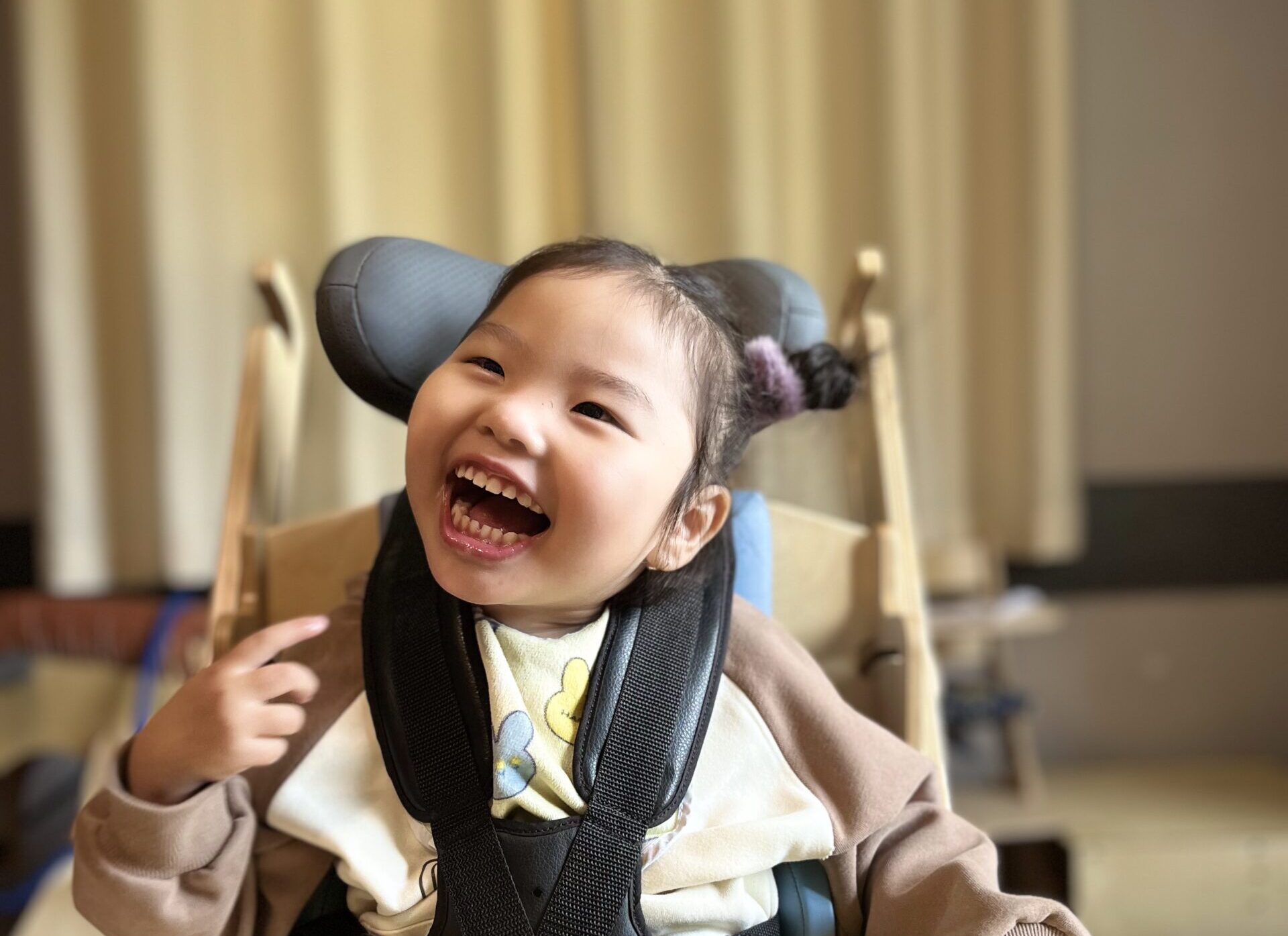
A New Chair
She really enjoyed her new chair and even after this very short time, it was recognisable that her body posture had already been improved.
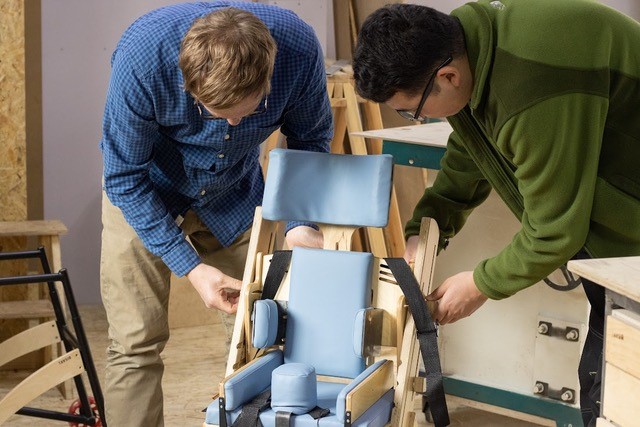
What a Difference a Chair Can Make!
Adaptive equipment can make a big difference in a child’s life!
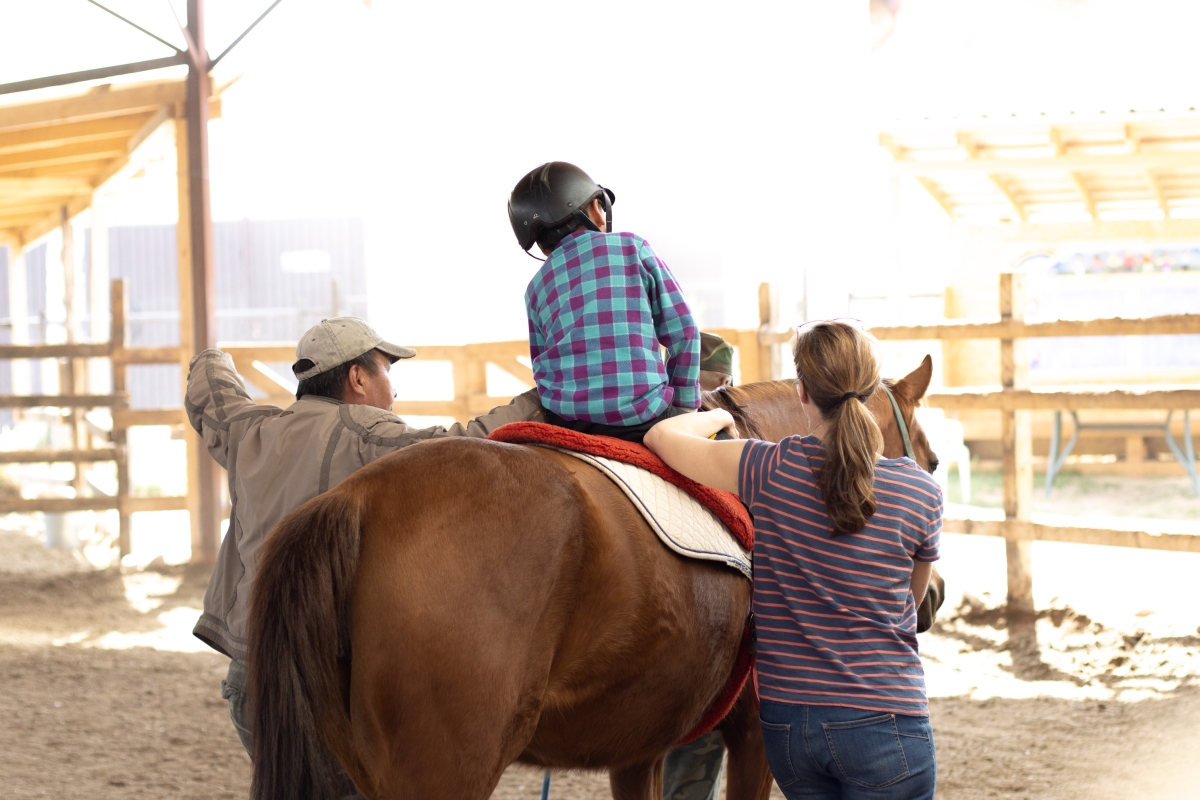
The View Changes
After a couple of sessions on the back of a gentle horse, Jamal now rides with a smile on his face.
Changing the Trajectory
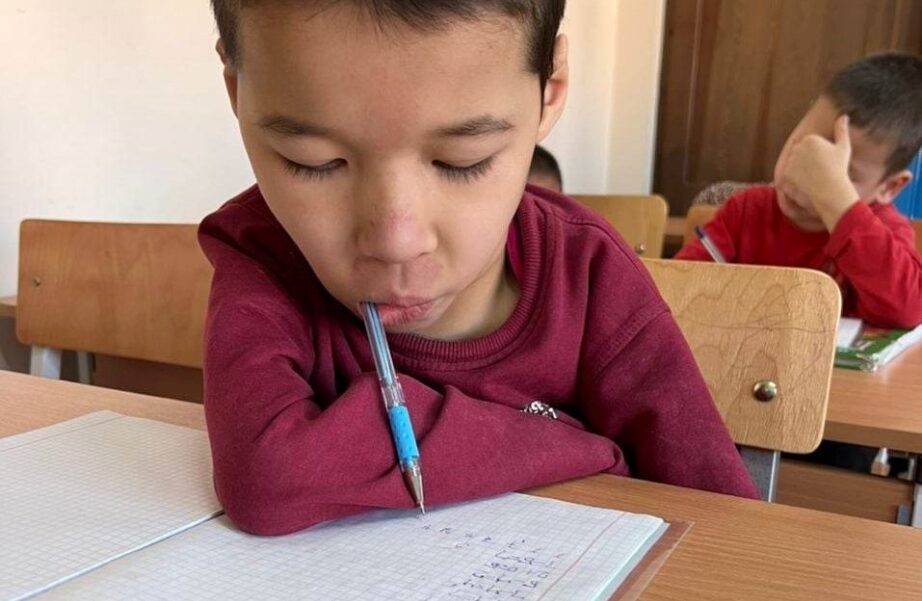
Danior used to be angry all the time. He was quick to attack and hit the other kids at the children’s home. He had reasons to be angry –
Showing a New Way
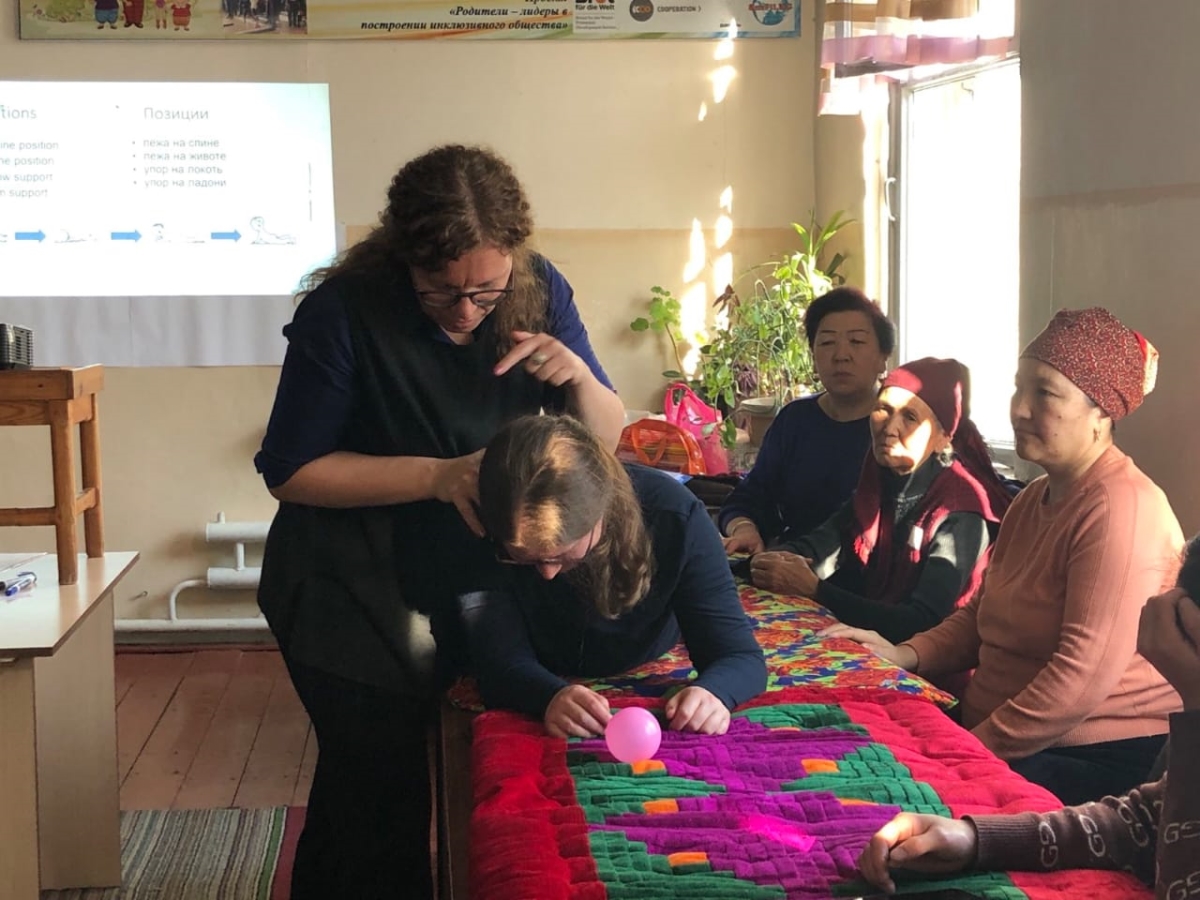
The staff helped Aygul and her colleagues better understand the effects of CP on the children and ways to increase the children’s mobility.
Receiving Help, Taking Responsibility
Amantur lives on a small farm in Kyrgyzstan that is quite remote, lying between two villages.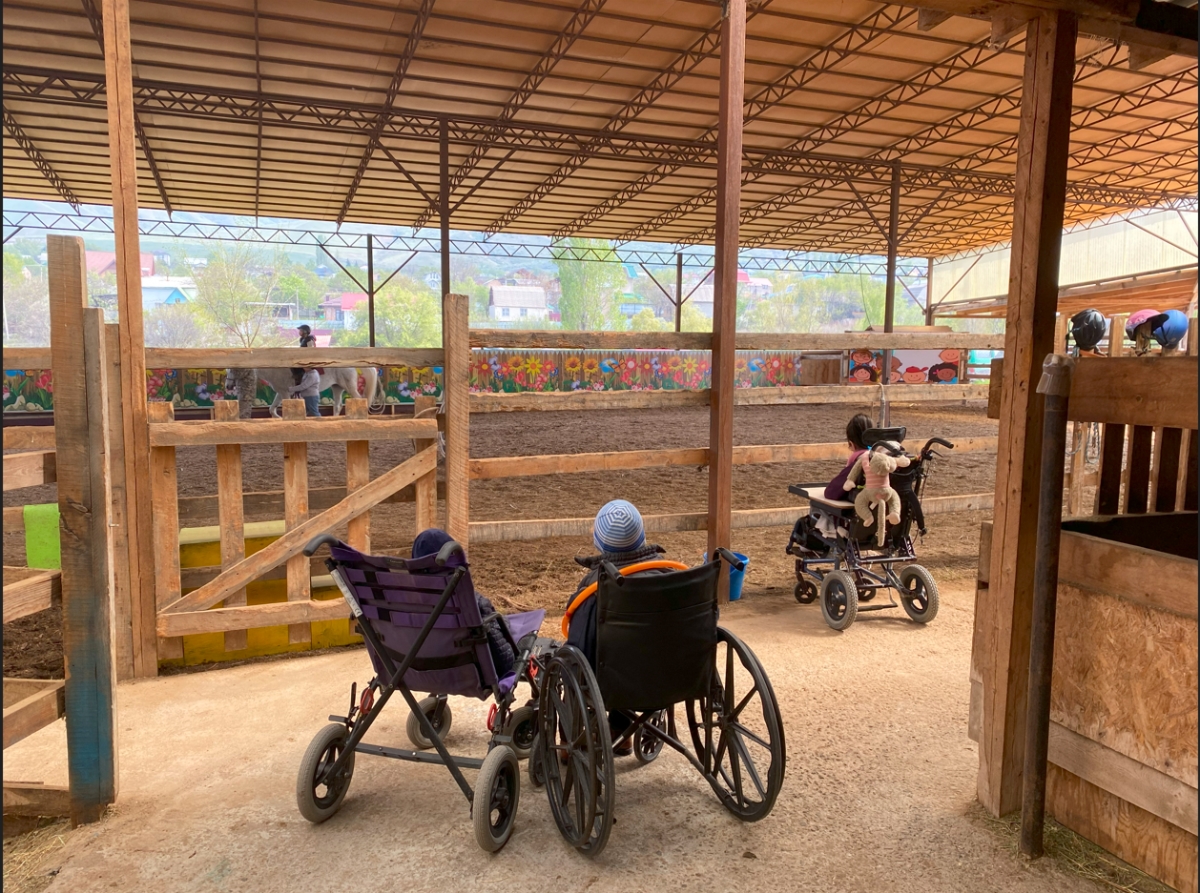
Grateful Families
The parents of these children hosted a celebration to say thank you to our partners who have helped their families.
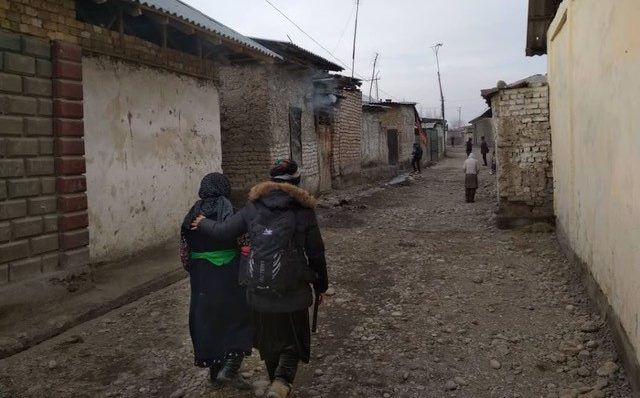
Discovering the Greatest Needs
Staff from our partner organization are reaching out to a Roma community in the south of Kyrgyzstan.
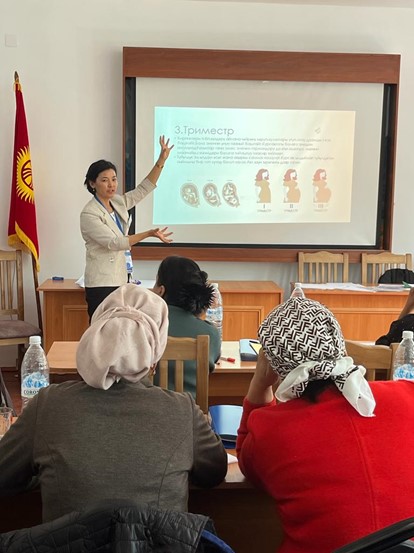
Midwives in the Mountains: Education and Coaching for Remote Villages
The three staff workers assigned each of the participants to a coach. They were then given materials and taught how to share what they had learned with others.
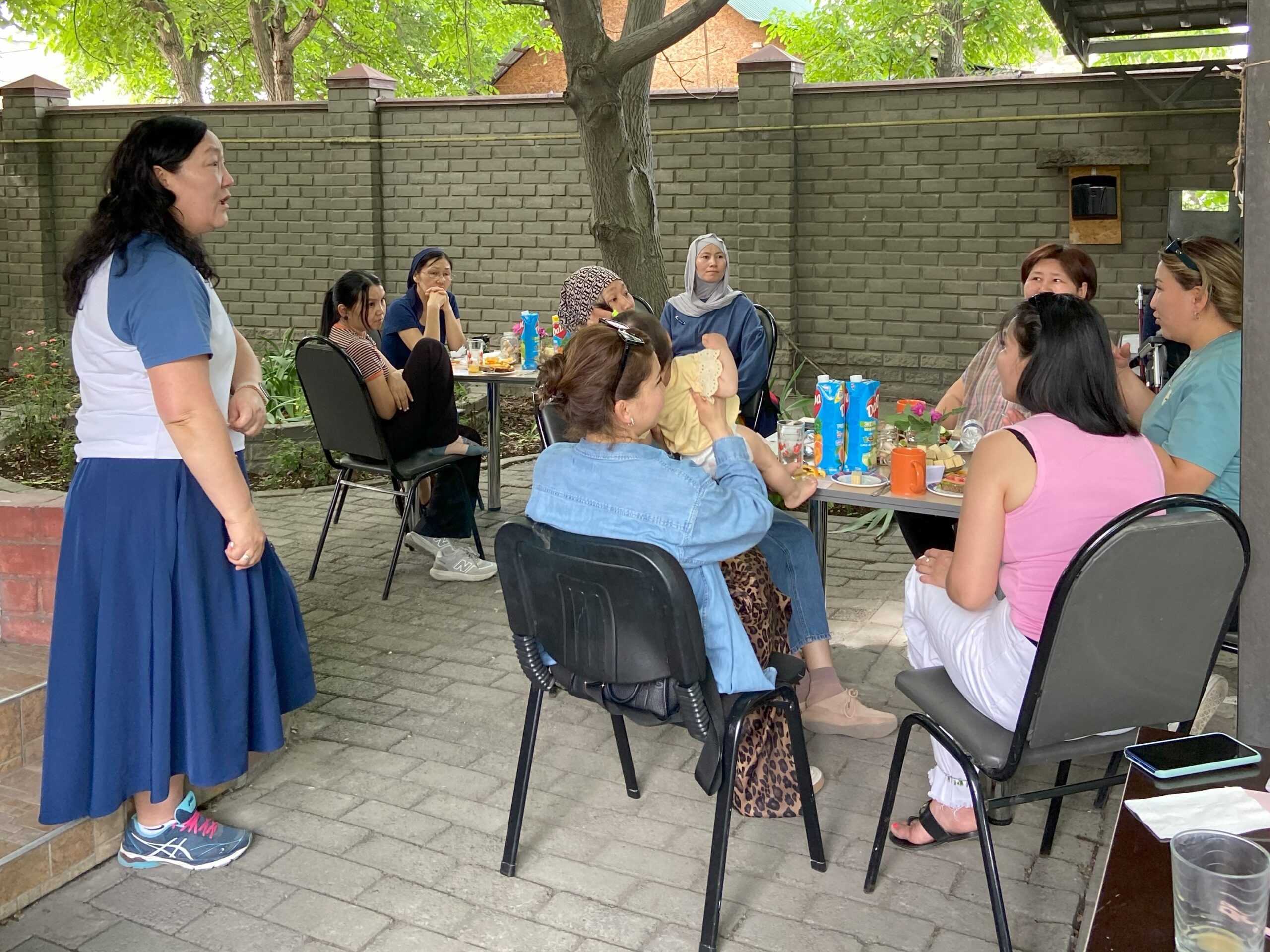
Mothers’ Meeting
Many mothers of children with disabilities live in deep isolation.
Our Life is not Our Own
Many mothers of children with disabilities experience significant isolation, as caregiving responsibilities often keep them at home for extended periods. These mothers report feelings of suspicion,
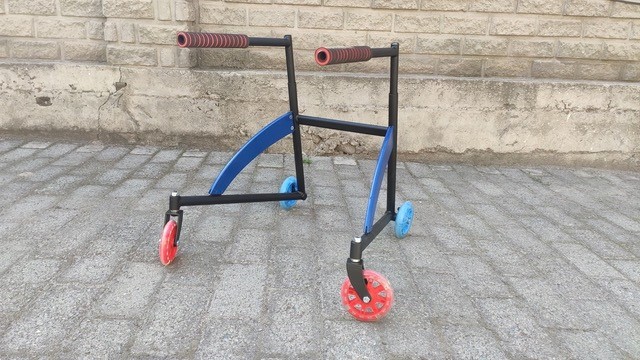
Not Just Playing Around
This child was 2 ½ years old and had never walked alone before!
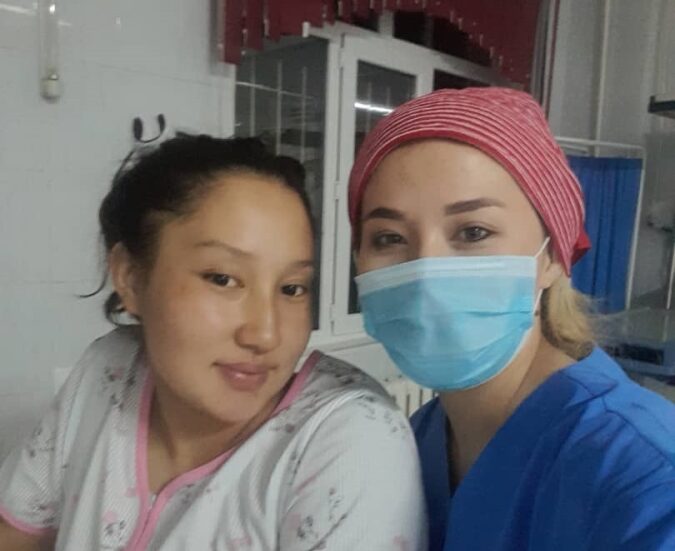
A Doula’s Impact
Mahabat had infused that young woman with encouragement and confidence that she could do it, and together they did!
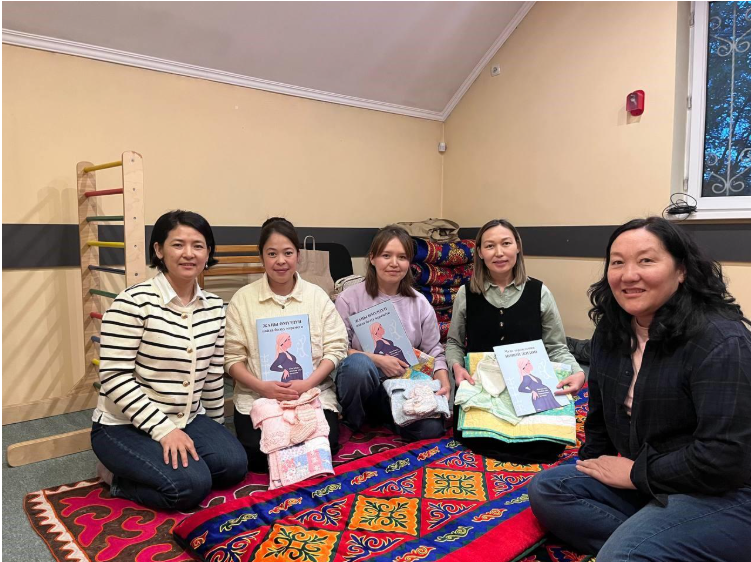
Breathing Through to a Safe Birth
Beka’s story is a powerful reminder of how knowledge, preparation, and confidence can transform the experience of childbirth. Through simple, practical education, women like Beka are empowered to face one of life’s greatest moments with strength and peace.
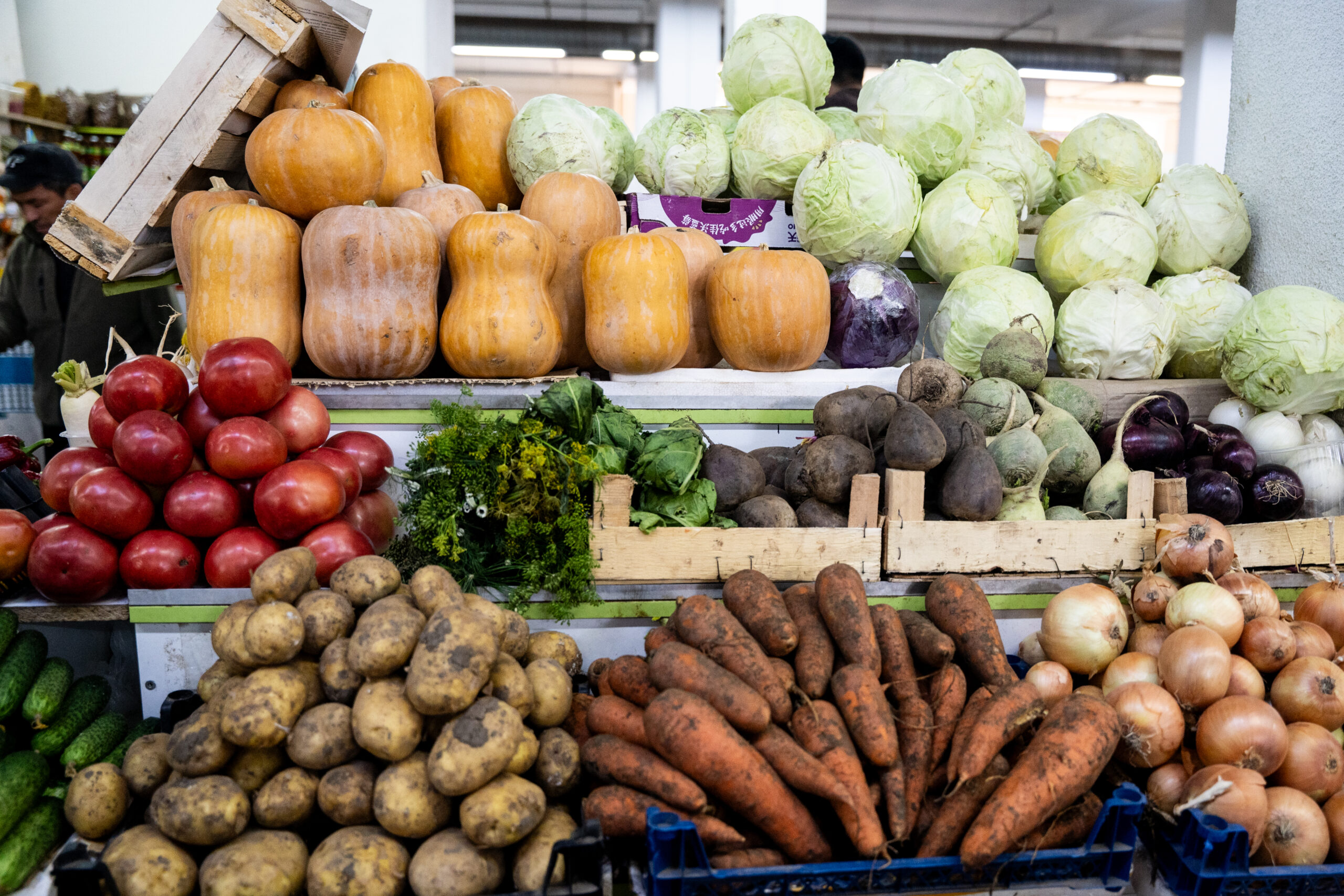
Healthy Eating
The doctors were stunned. “You can’t be improving! No matter how many medications we give you, no matter what you do, you will always have to come to the doctor!
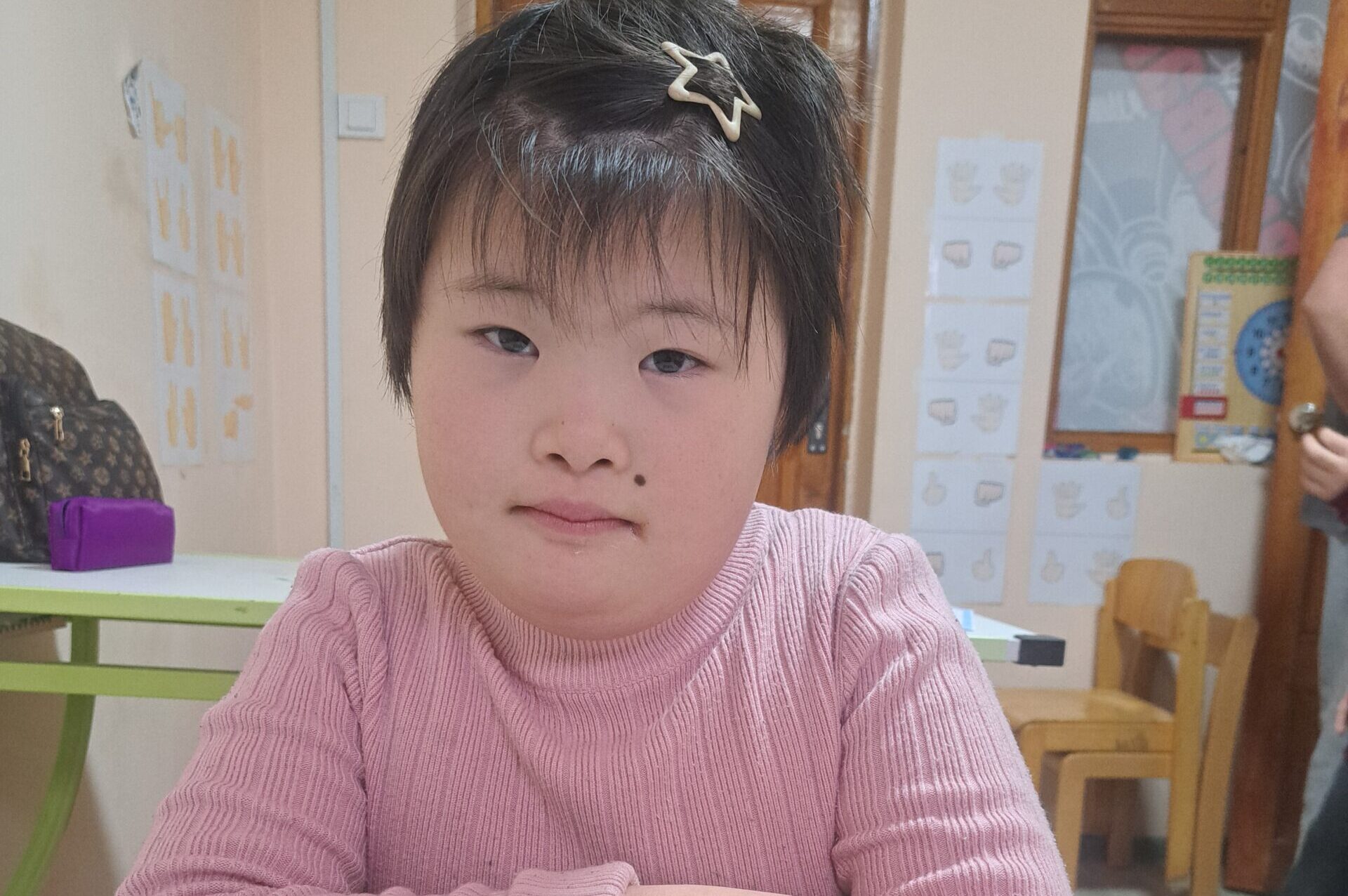
Powerful Transformation
When seven-year-old Fatima first walked into our Rehabilitation and Rehabilitation Center in Tokmok with a diagnosis of Down syndrome, she was like a little storm. She was bright,
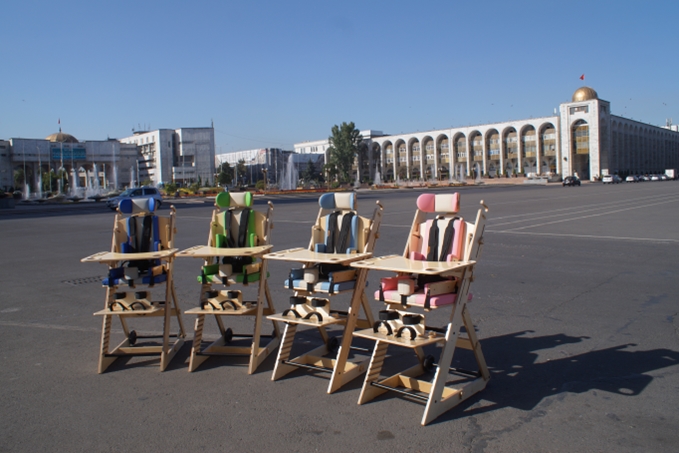
Chairs for Children
Positioning and proper support for children with disabilities is important for their development
Small Achievements
Since birth, Nurdoolot has lived with a serious condition: intracranial pressure. Doctors discovered a cyst in his brain that is pressing on the area responsible for movement and vision.
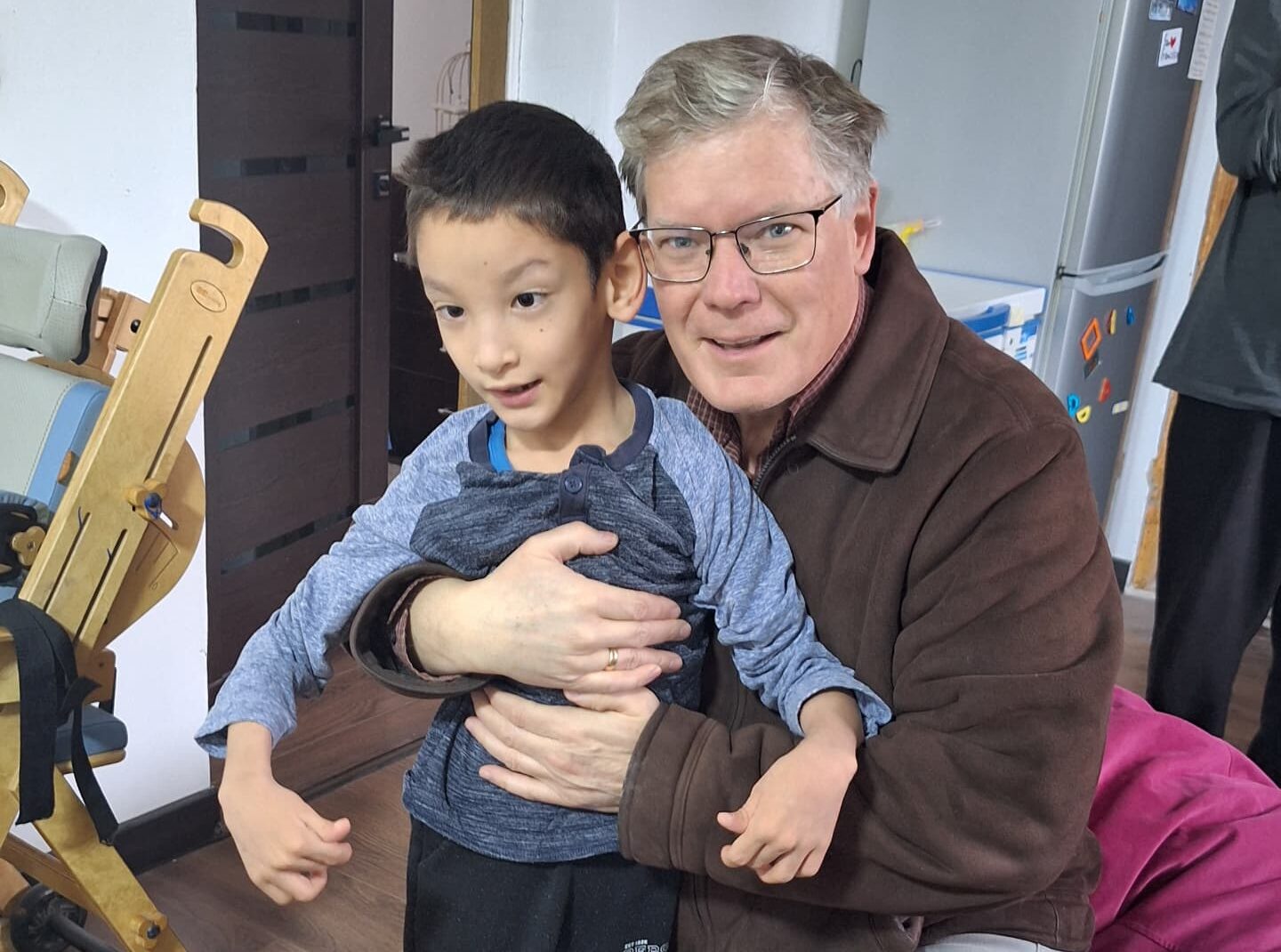
New Life for Abrahim
Nine-year-old Abrahim, who lives with cerebral palsy, joined the horse therapy program earlier this year together with his grandparents. When they first arrived, his grandfather, Eleman,