
Community Based Rehabilitation
“Will my daughter ever stand?”
“Will my son learn to talk?”
“Will he be able to go to school?”
“Will others notice that she is different?”
These are the kinds of questions mothers ask when they discover their child has a disability. It takes great courage to take the proactive step of contacting the centre and beginning regular weekly sessions.
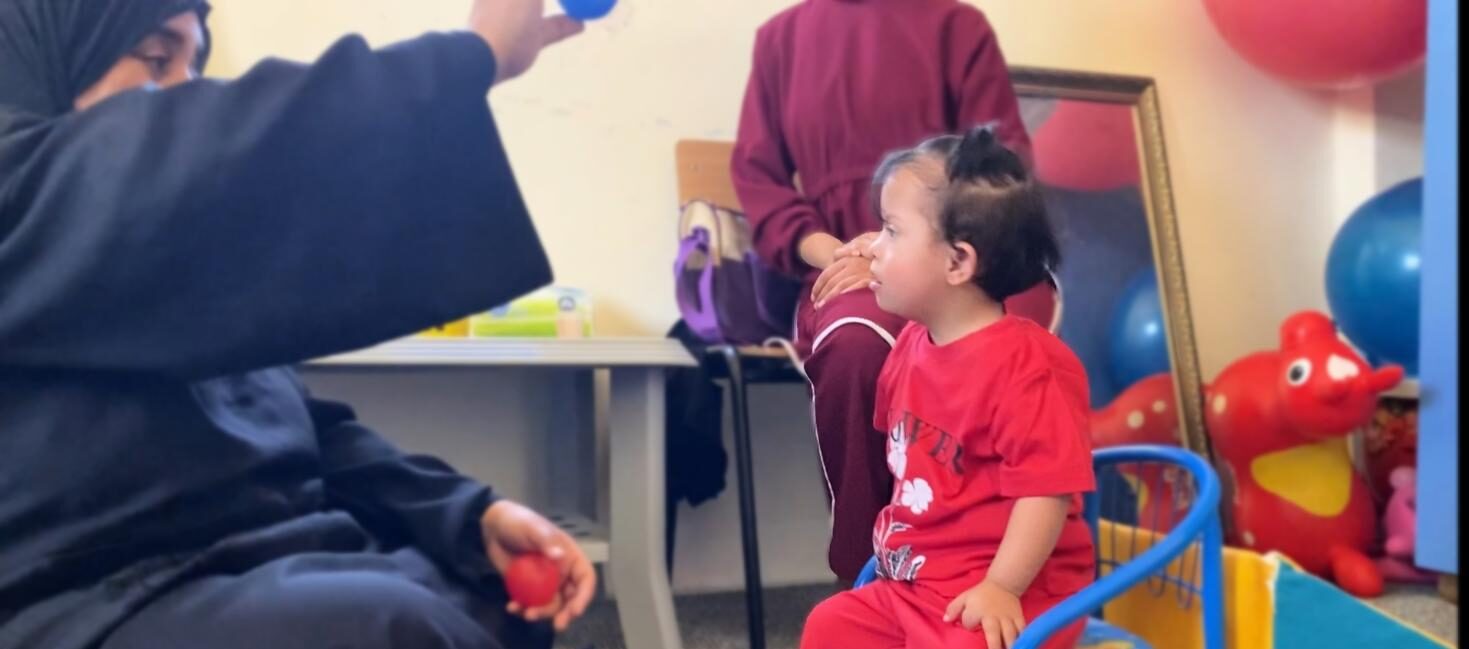
Encouragingly, over the past couple of years, more children under five have been coming to the centre. This means that word of the centre has spread enough to reach new families, and it also gives us more opportunities to encourage and stimulate development from an early age. For children under three, their mothers attend sessions with them. For these mothers, it is a chance to voice their concerns in a safe space and to see demonstrations of activities that support their child’s development at this stage.
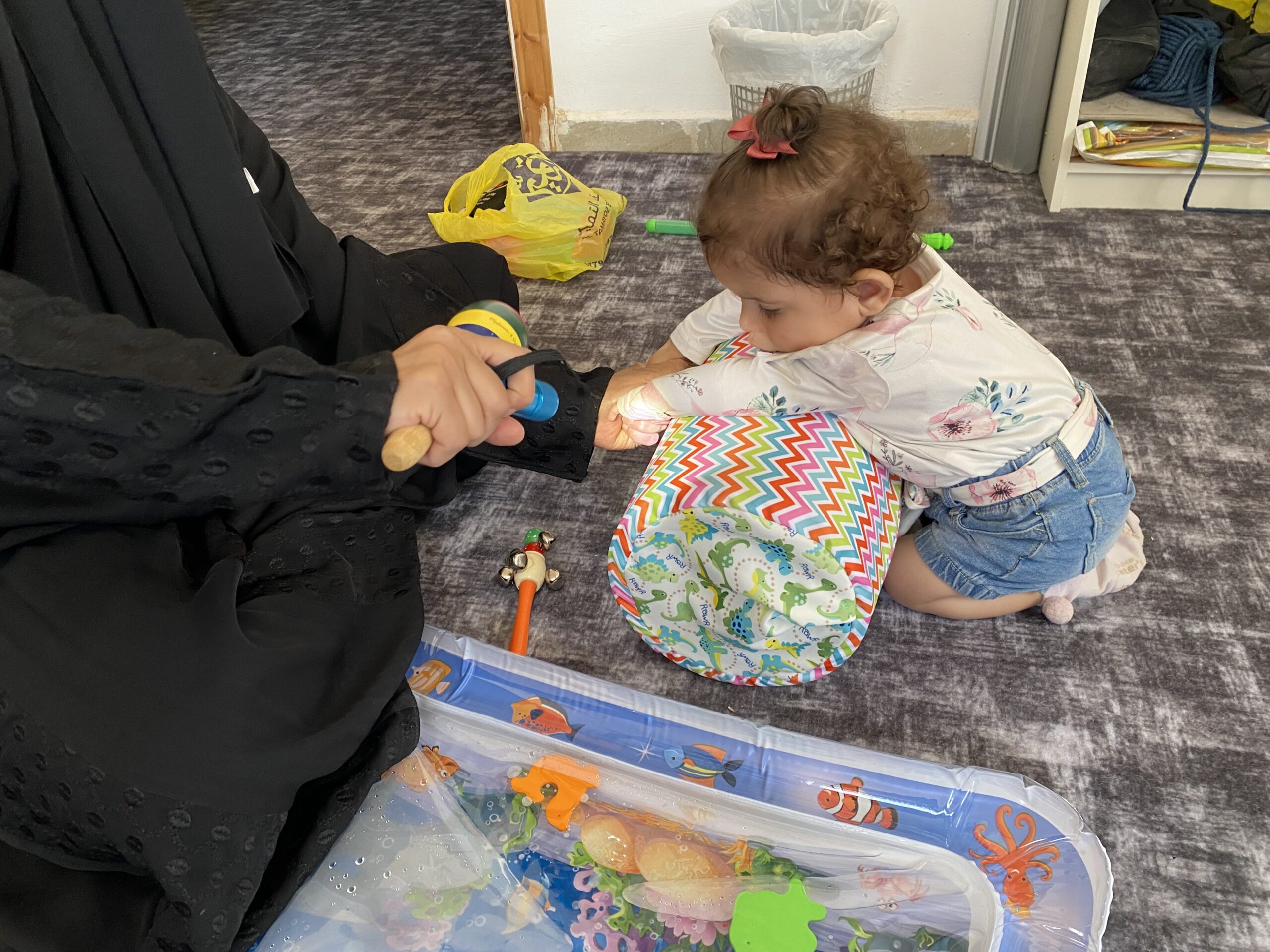
Suzan has not yet turned one year old. Her mother brought her to the centre after noticing developmental delays. As we work with Suzan, her mother remains by her side, offering comfort and bringing smiles to her daughter’s face.
Tamara, a young girl with spina bifida, has been coming to the centre for a little over a year. At first, she was hesitant to interact and unable to sit independently. Now, she bursts out in giggles and laughter during her exercises, needing only minimal support to sit. Her mother watches closely, asks questions, and week by week we see Tamara’s progress. It is clear that what is demonstrated at the centre is being continued at home.
The questions on these mothers’ minds are not easy to answer. Sometimes, there isn’t an answer yet. But week by week, we journey together—mothers, children, and staff—hoping that step by step, we may open a way for these children to reach their full potential.
Small Journeys
“Will my daughter ever stand?”
“Will my son learn to talk?”
“Will he be able to go to school?”
“Will others notice that she is different?”
These are the kinds of questions mothers ask when they discover their child has a disability.
An Event for Mothers
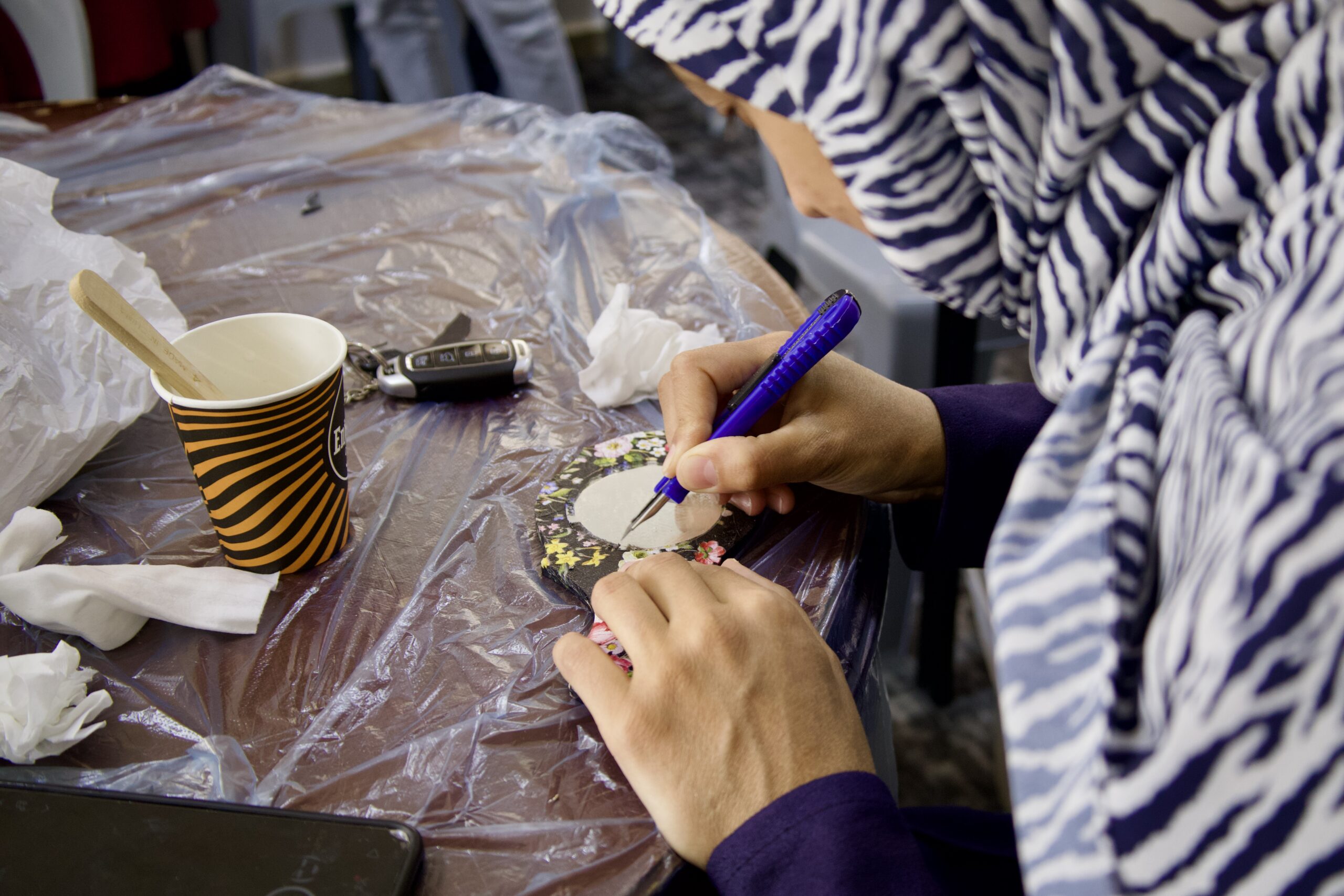
“This is for me?” One of the ladies asked, looking at the beautiful hand-held mirror she just decorated. Her question is perhaps not surprising. For these village women,
Schooling Requires Cooperation
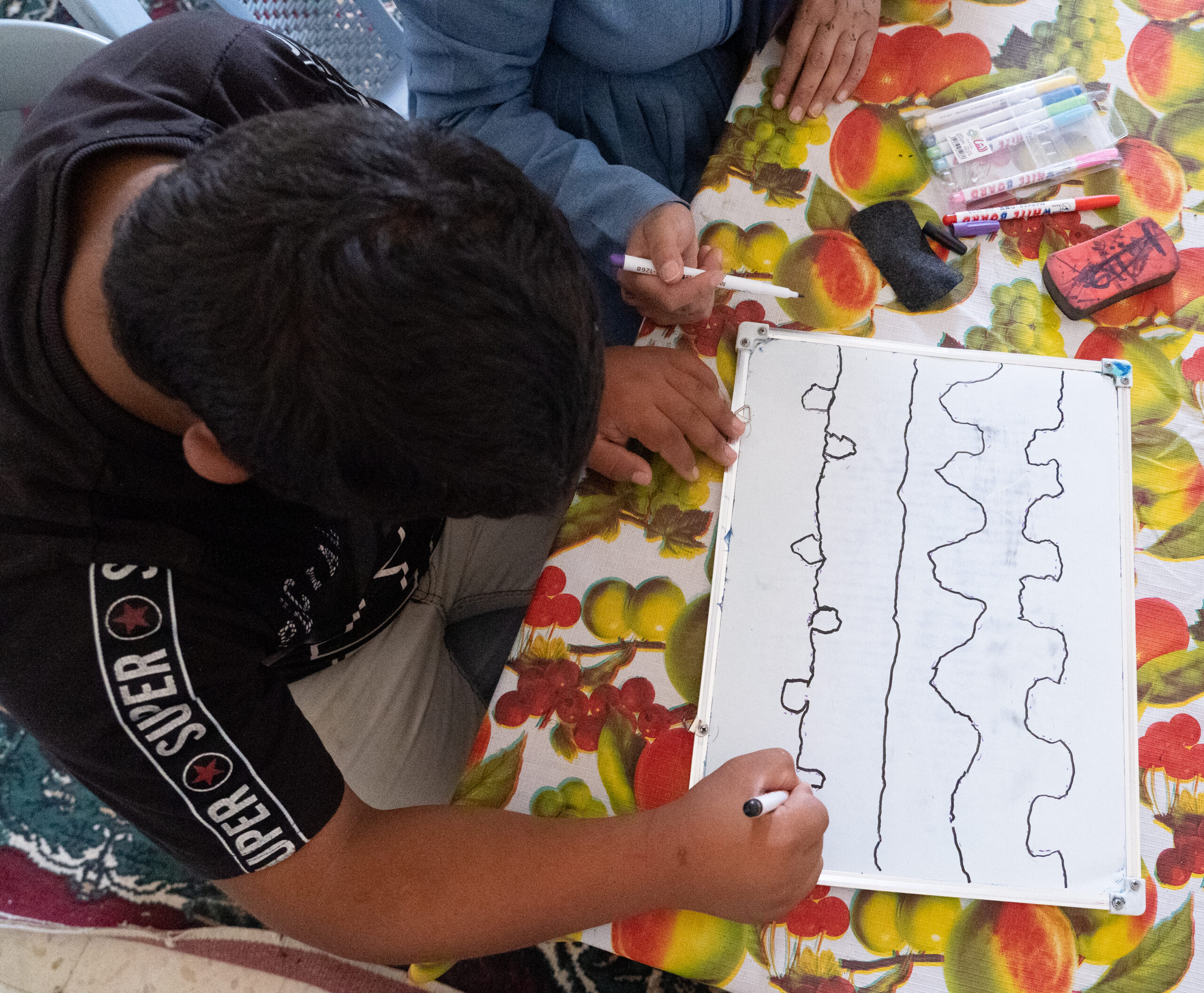
Adnan loves school. His mother smiles with pride and says to the Operation Mercy team, “Every day he wants to go to school.” Naturally gifted with a friendly and bold personality,
Sing Hello
“Fahid, it is your turn to sing!” Our volunteers encourage and then, with a little bit of prompting, Fahid begins to sing for us.
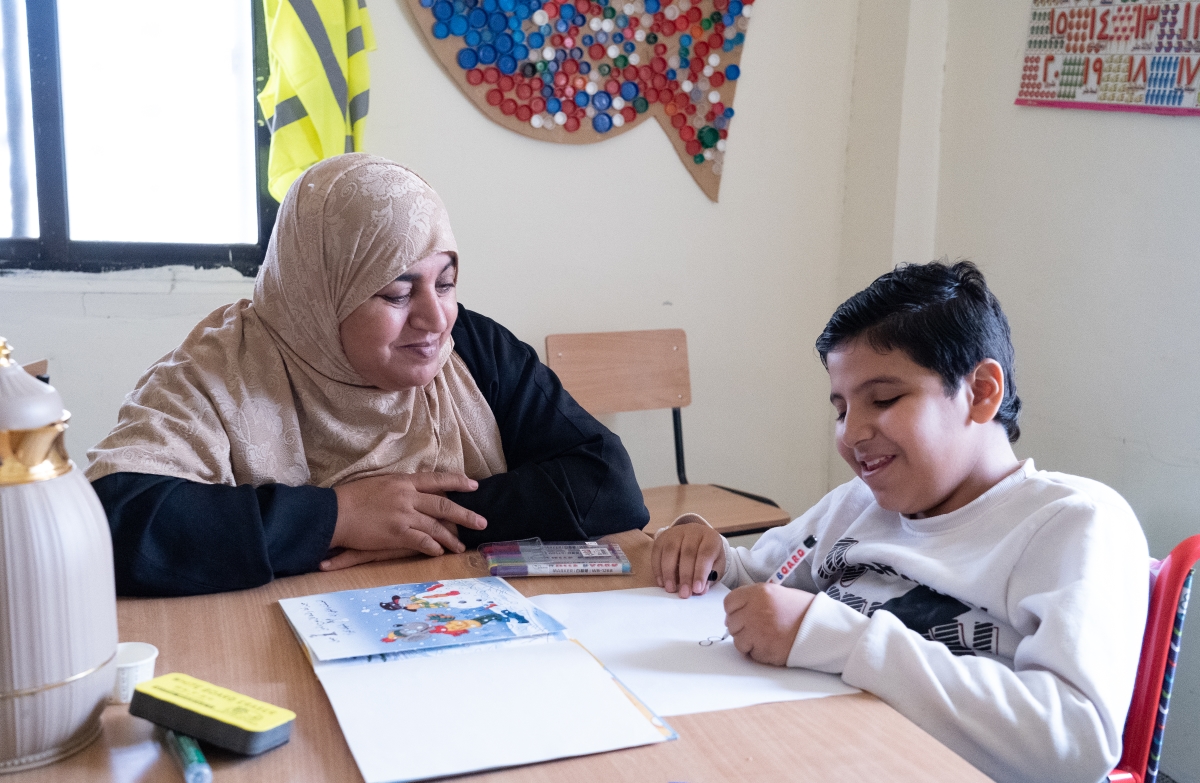
New Horizons
The view of the horizon from the CBR window is changing. As new life sprouts up and lurches forward around the CBR Center and throughout the villages,
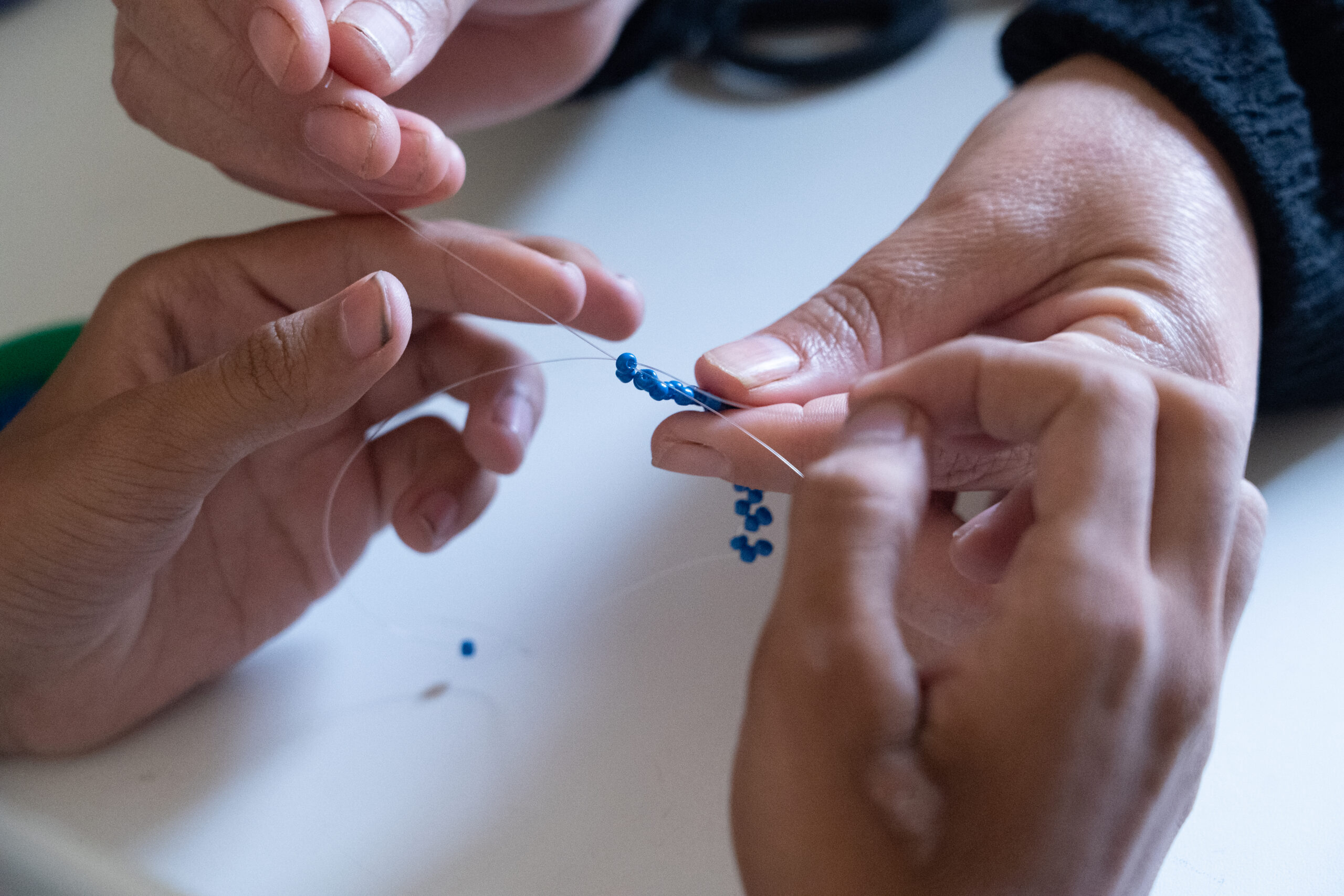
“Will we finally move now?”
“Will we finally move now?” The smile on Rania’s face was unmistakable. A combination of elation, joy, and anticipation was reflected in her expression as she entered the room and,
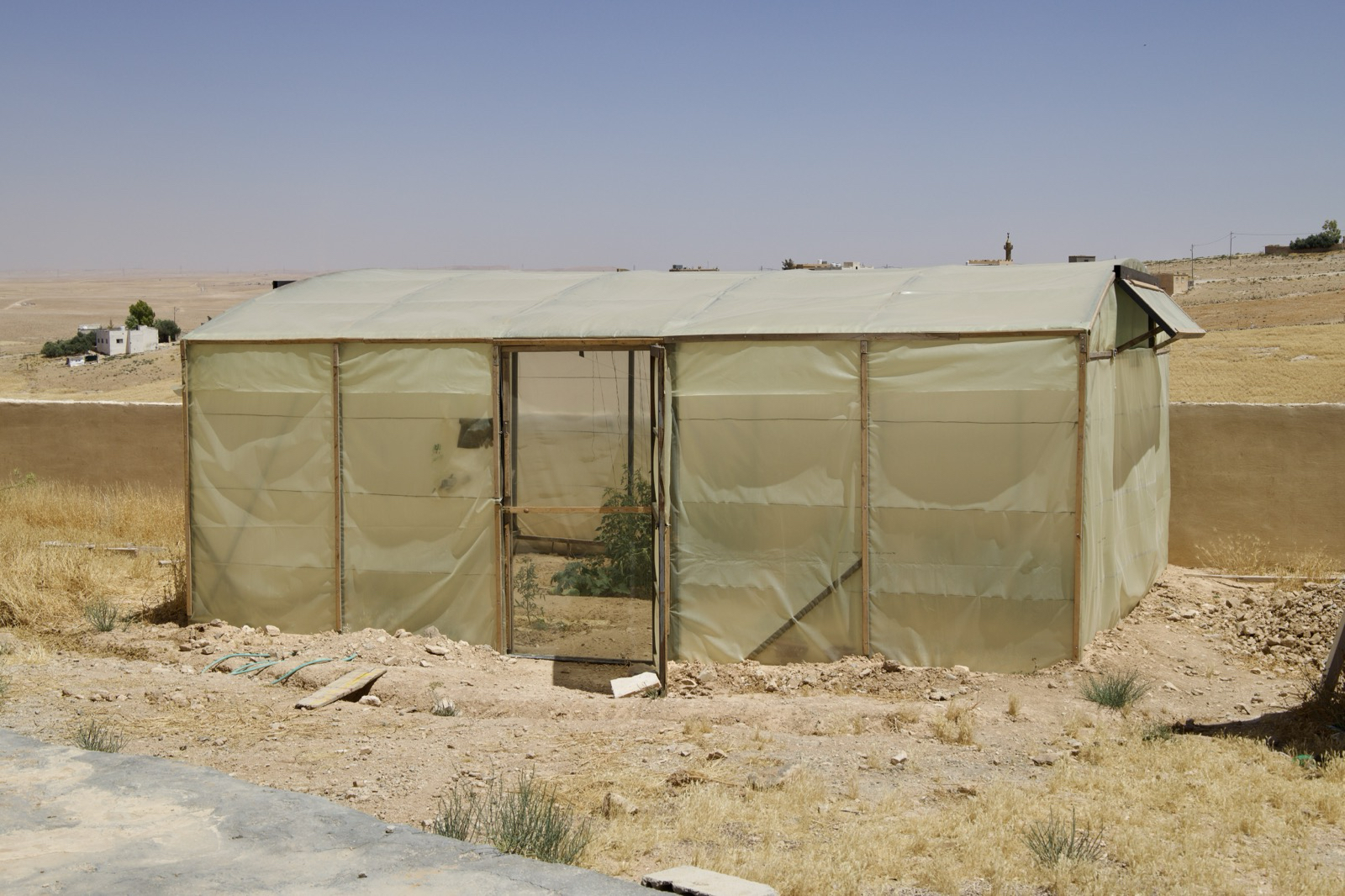
The Right Conditions for Growth
When we consider each child who comes to the centre, each local staff member who dedicates their time to weekly sessions, and even the wider community through the lens of inclusion for people with disabilities,
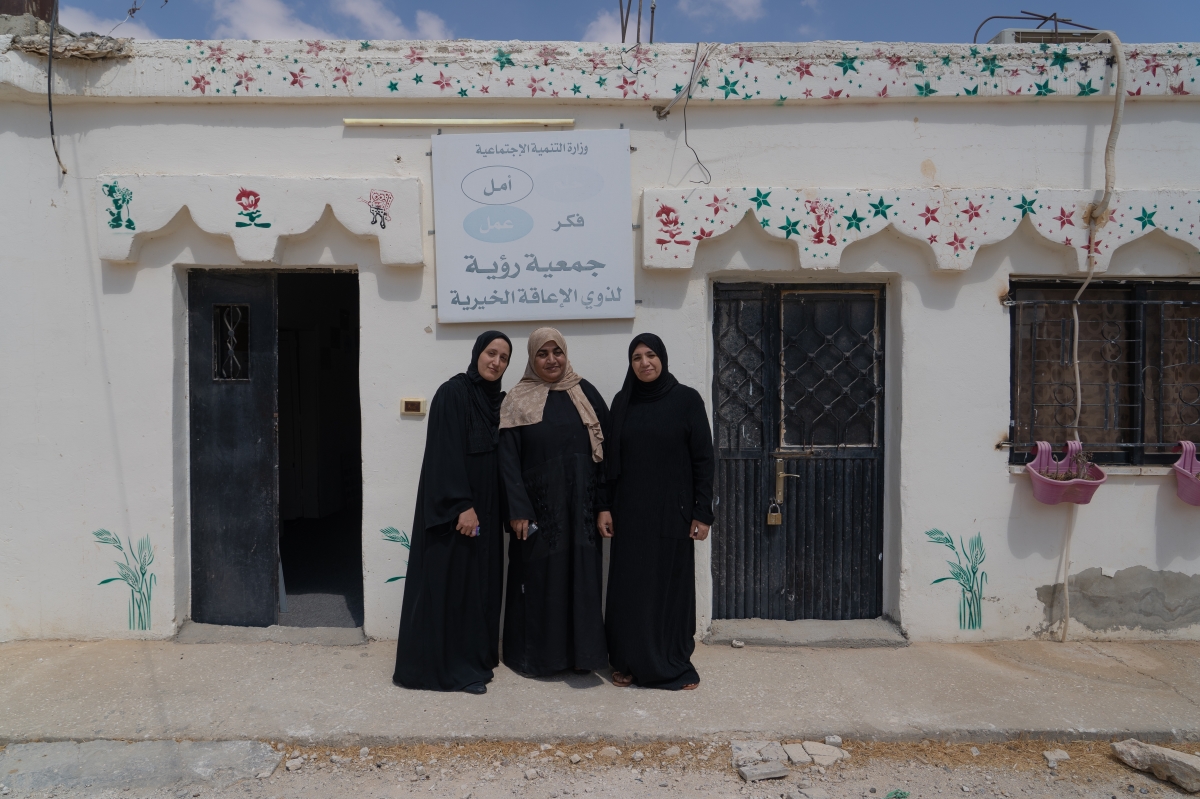
Trading Shame for Acceptance
So these women continue on, persevering on behalf of the children and their community, sharing a love and passion that grows warmer with time and over many more cups of hot tea.
Each Child is Valuable
“I’ve learnt from you that each child is created by God and valuable, and I want to do my best to love and raise her like you would” she said
Investing in the Future
There are new sounds coming from the centre these days.
Colours of Hope
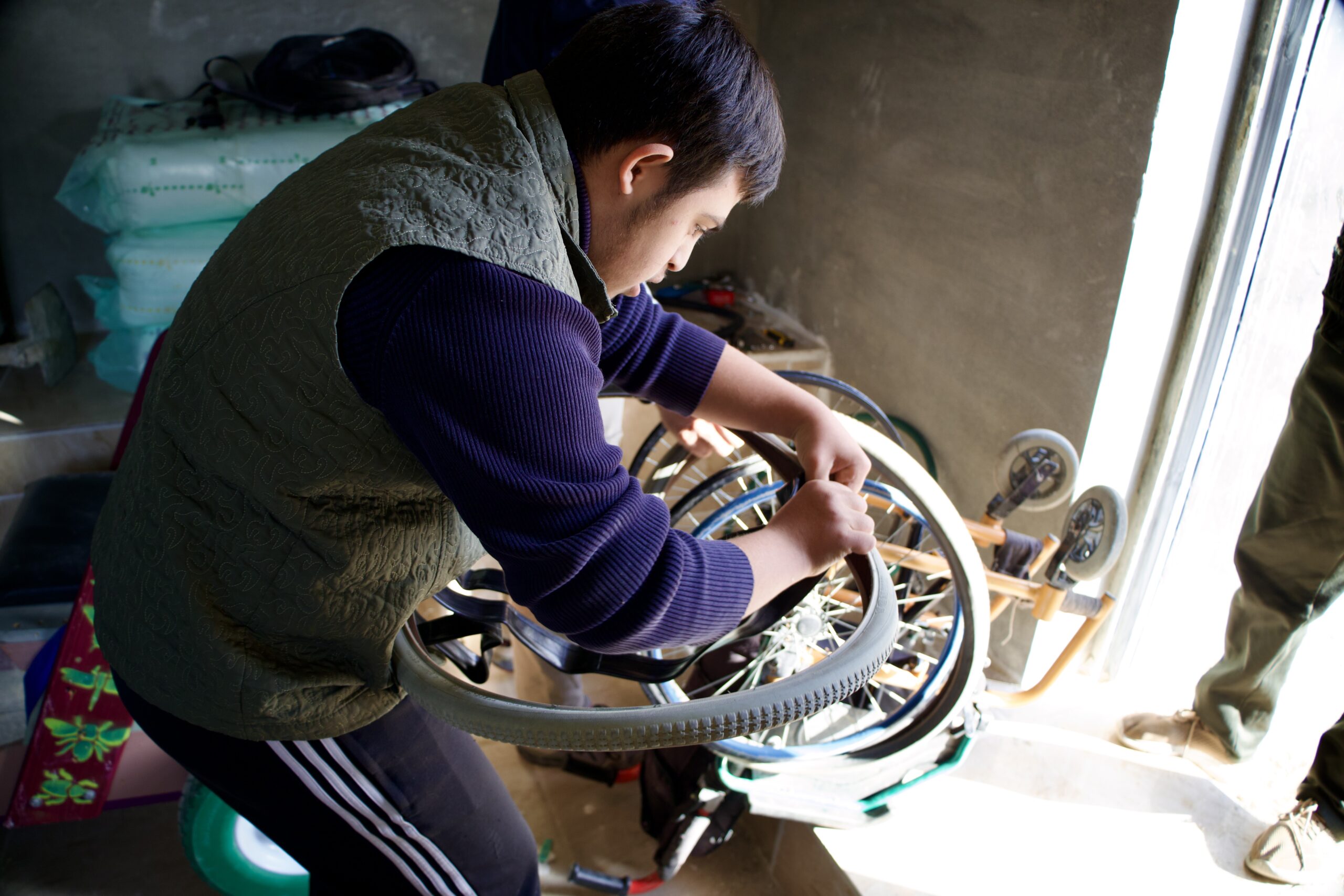
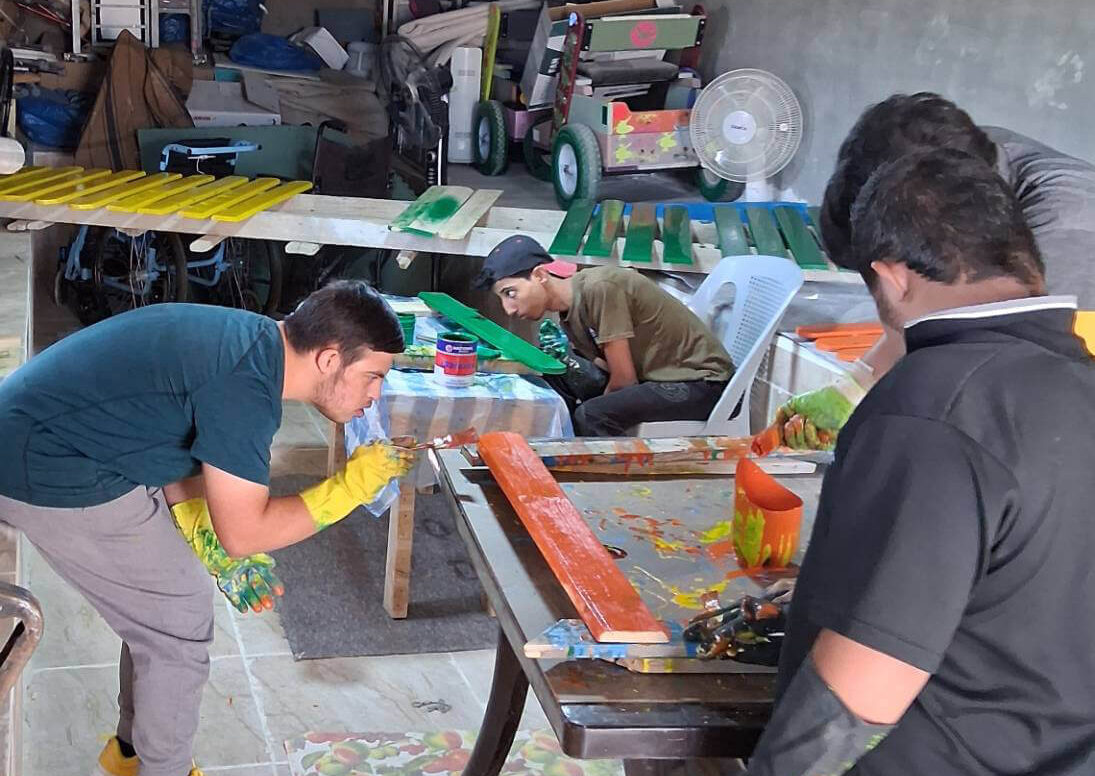
A new initiative started at the beginning of the year with the aim of training a group of teenage boys with disabilities in practical skills. By learning to repair wheelchairs,
Nurturing a Talent
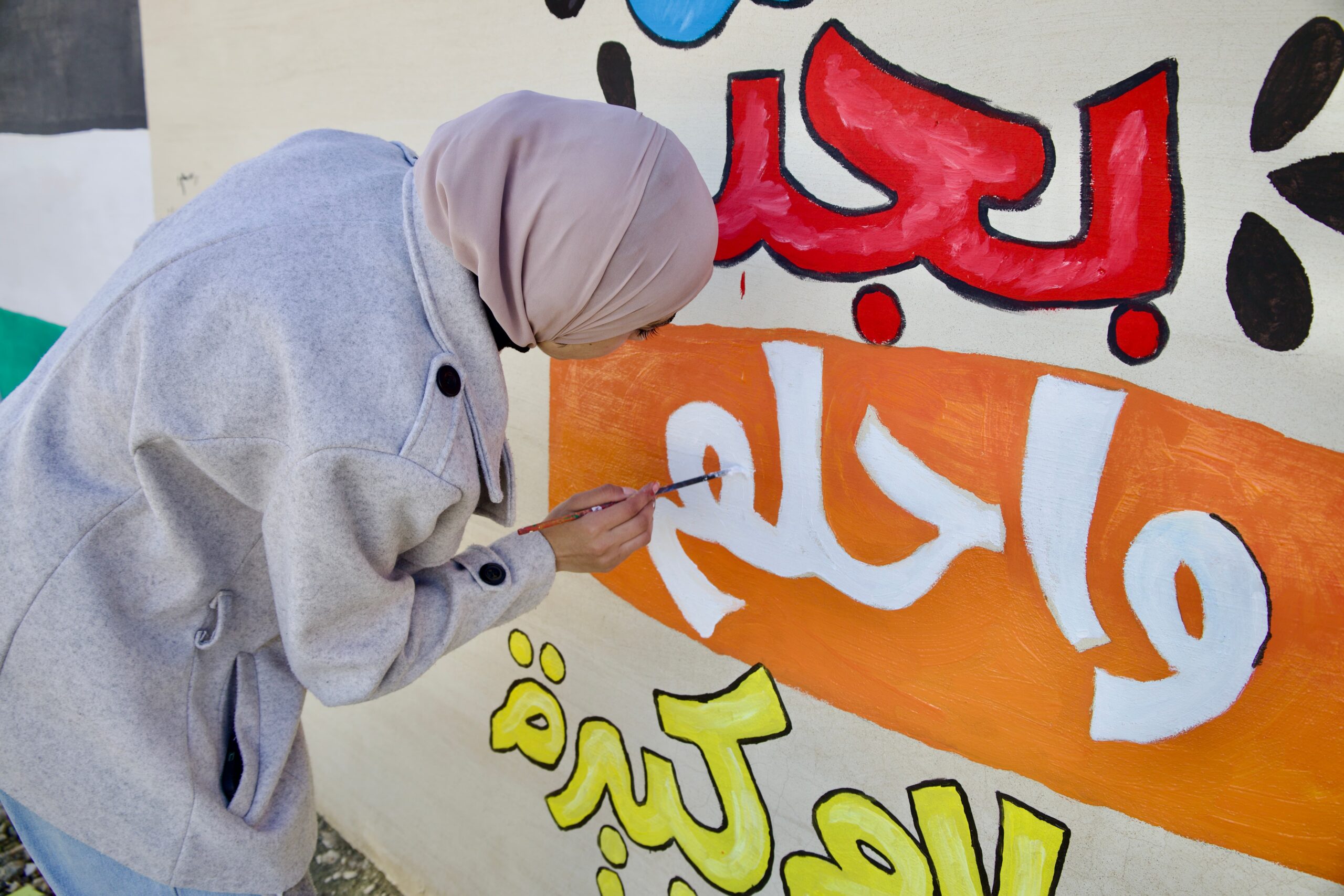
Every child who comes to the Community Based Rehabilitation (CBR) center in Jordan brings their own unique gifts, personality, and life to our work. As much as we want to grow their potential in areas where they experience challenges,