
Children at Risk
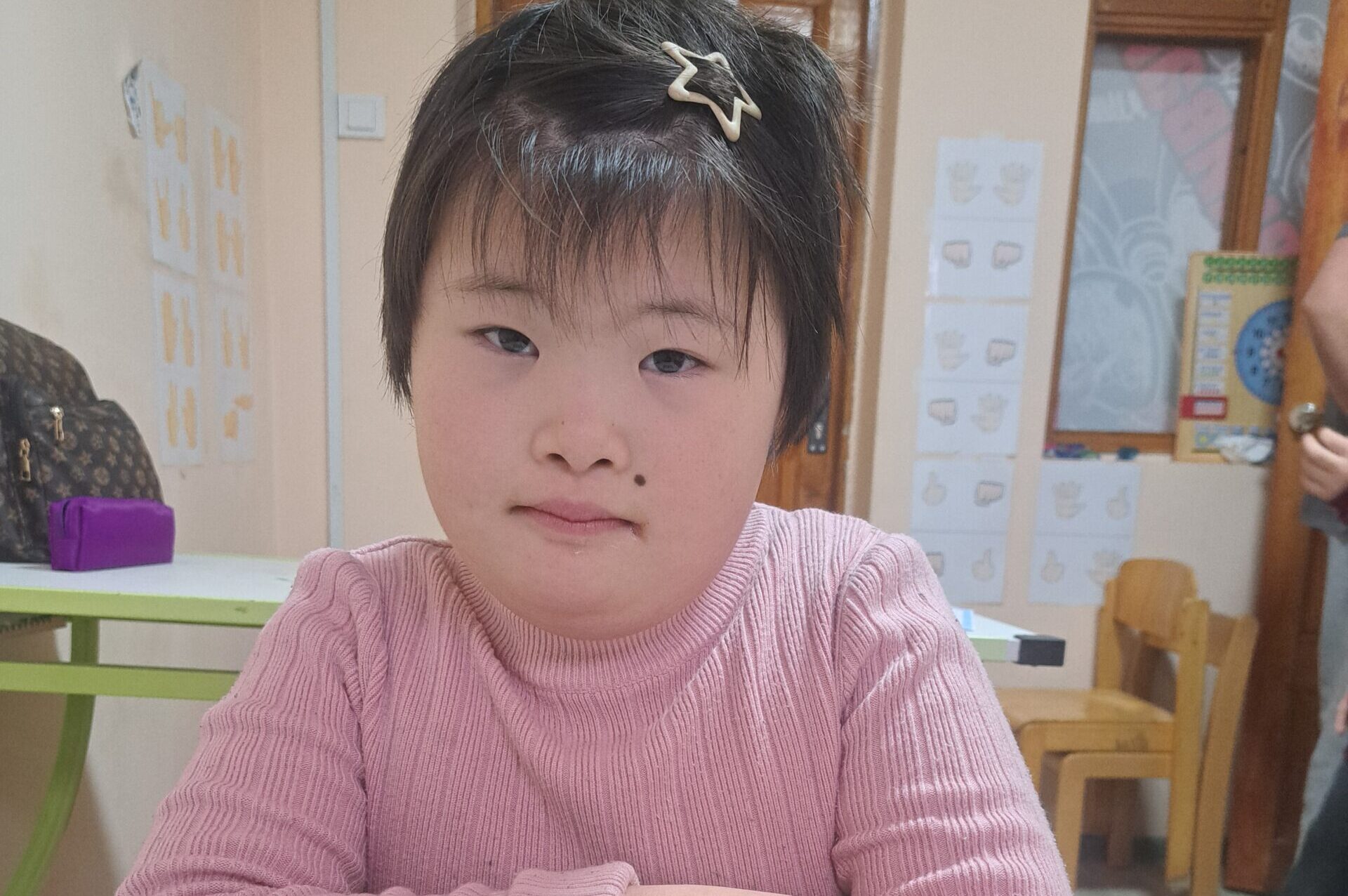
When seven-year-old Fatima first walked into our Rehabilitation and Rehabilitation Center in Tokmok with a diagnosis of Down syndrome, she was like a little storm. She was bright, fast, and impulsive. Every “I don’t want to” or “I can’t” quickly turned into tears, frustration, and sometimes even clenched fists. Keeping her seated at a desk for more than five minutes felt impossible — the moment we turned away to grab a teaching guide, she was already gone.
A year and a half later, Fatima is eight years old, soon to be nine — and she is a completely different child.
Her notebooks are far from perfect. Letters dance across the page, and her handwriting is uneven because of fine motor challenges. But she writes. She confidently picks up a pencil, patiently traces lines, practices shapes, and bravely tries to write on her own. She draws her own little worlds. Step by step, we have brought order to the chaos: today Fatima knows all the basic colors and numbers and eagerly solves logic tasks she once avoided. Every small victory fills us with joy.
Reading has become another magical breakthrough. Fatima didn’t just learn letters — she discovered the wonder of how they come together. The moment she independently blended letters into a syllable and realized she had created a word, her eyes lit up with pure happiness. Slowly and gently, we are moving from recognizing individual letters toward the beautiful heights of meaningful reading.
But the most powerful transformation happened within her. Fatima learned to communicate instead of fighting. Outbursts were replaced by attempts to explain her feelings, and restlessness gave way to curiosity and engagement. We are still on this journey.
New Life for Abrahim
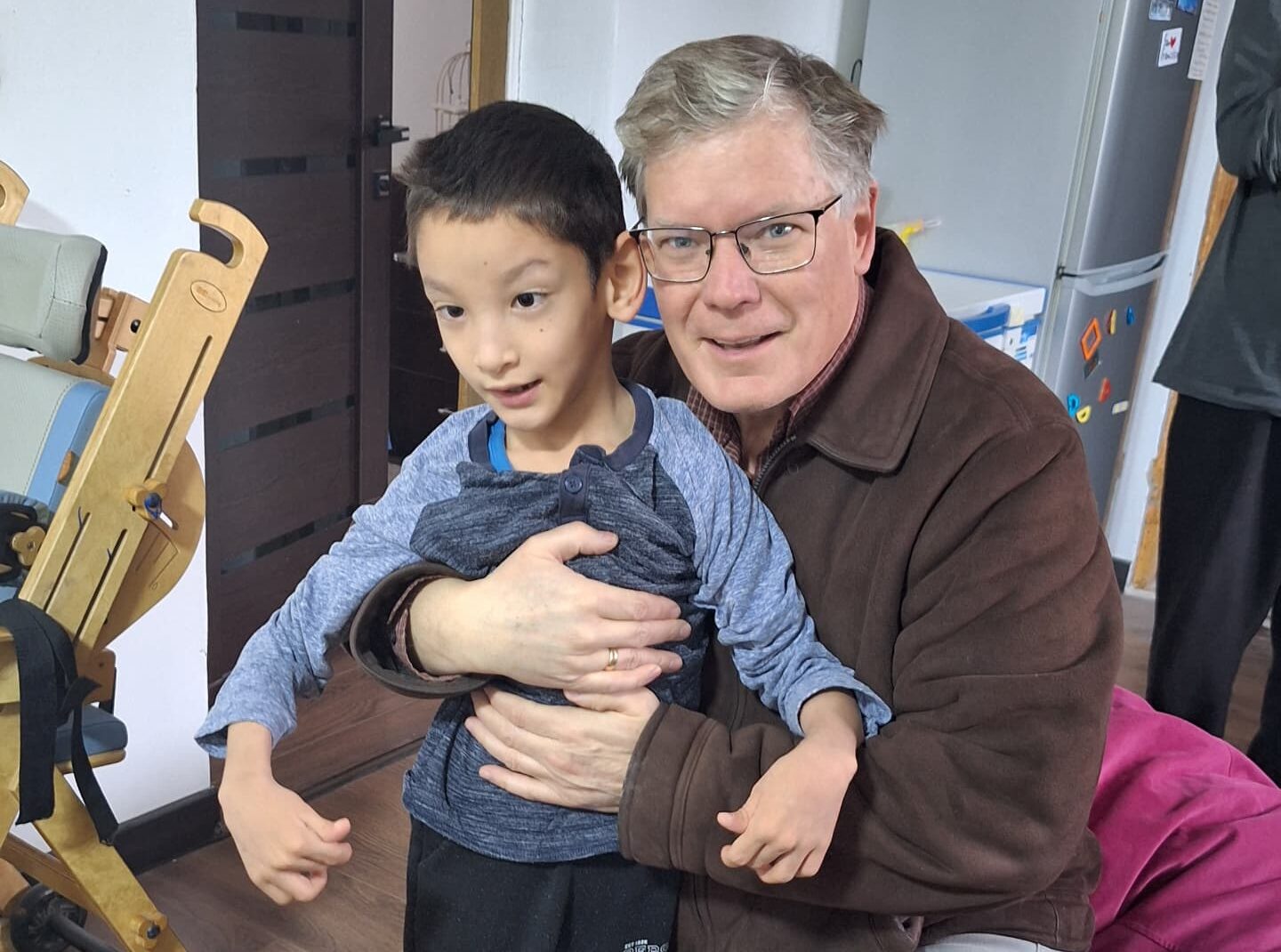
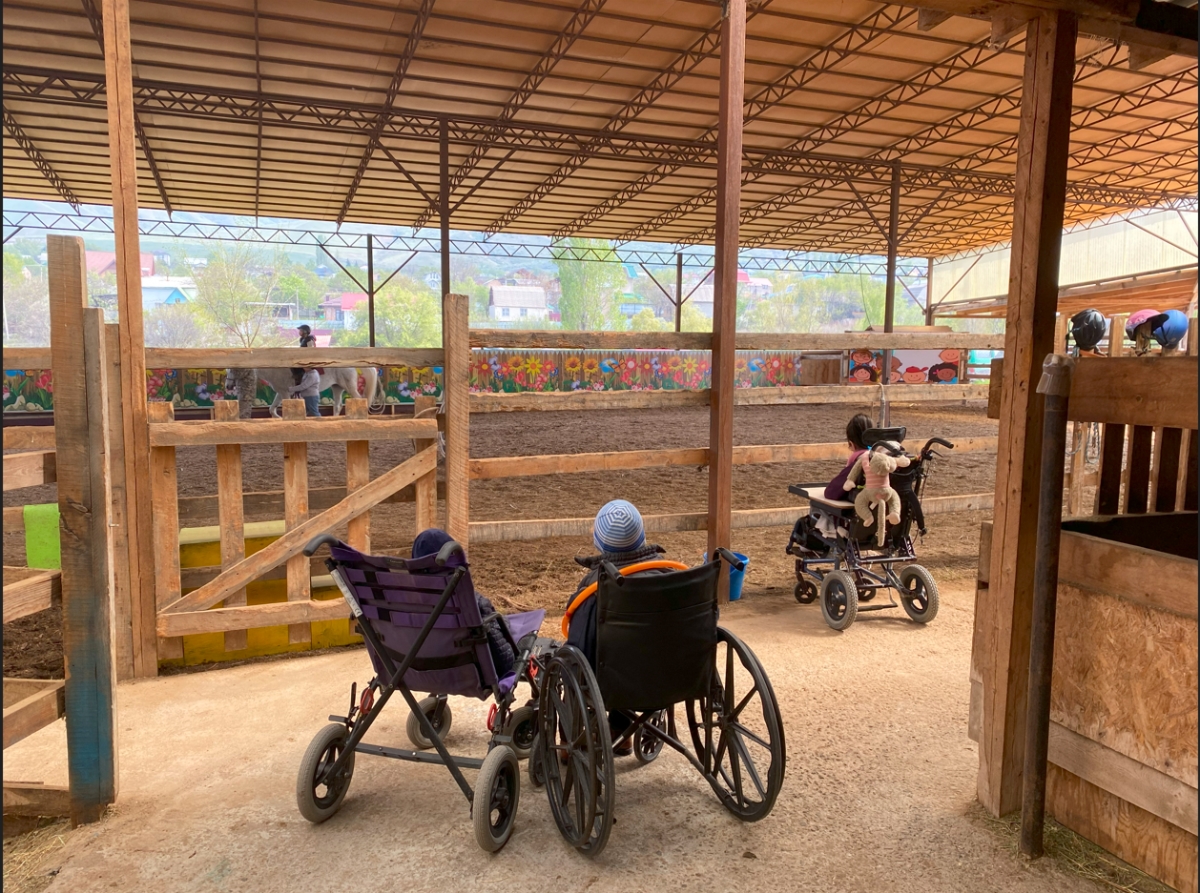
Nine-year-old Abrahim, who lives with cerebral palsy, joined the horse therapy program earlier this year together with his grandparents. When they first arrived, his grandfather, Eleman,
Our Life is not Our Own
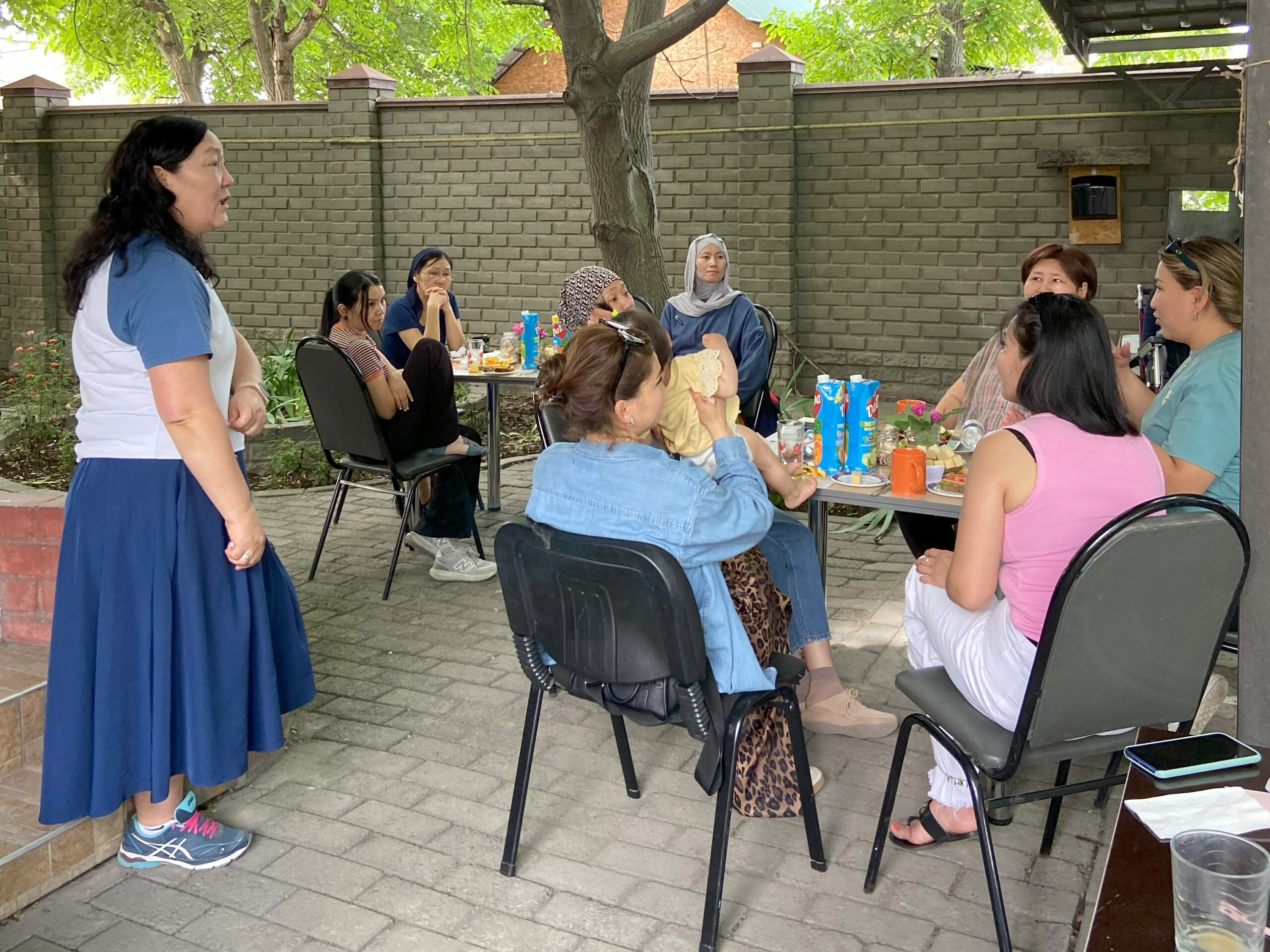
Many mothers of children with disabilities experience significant isolation, as caregiving responsibilities often keep them at home for extended periods. These mothers report feelings of suspicion,
The View Changes
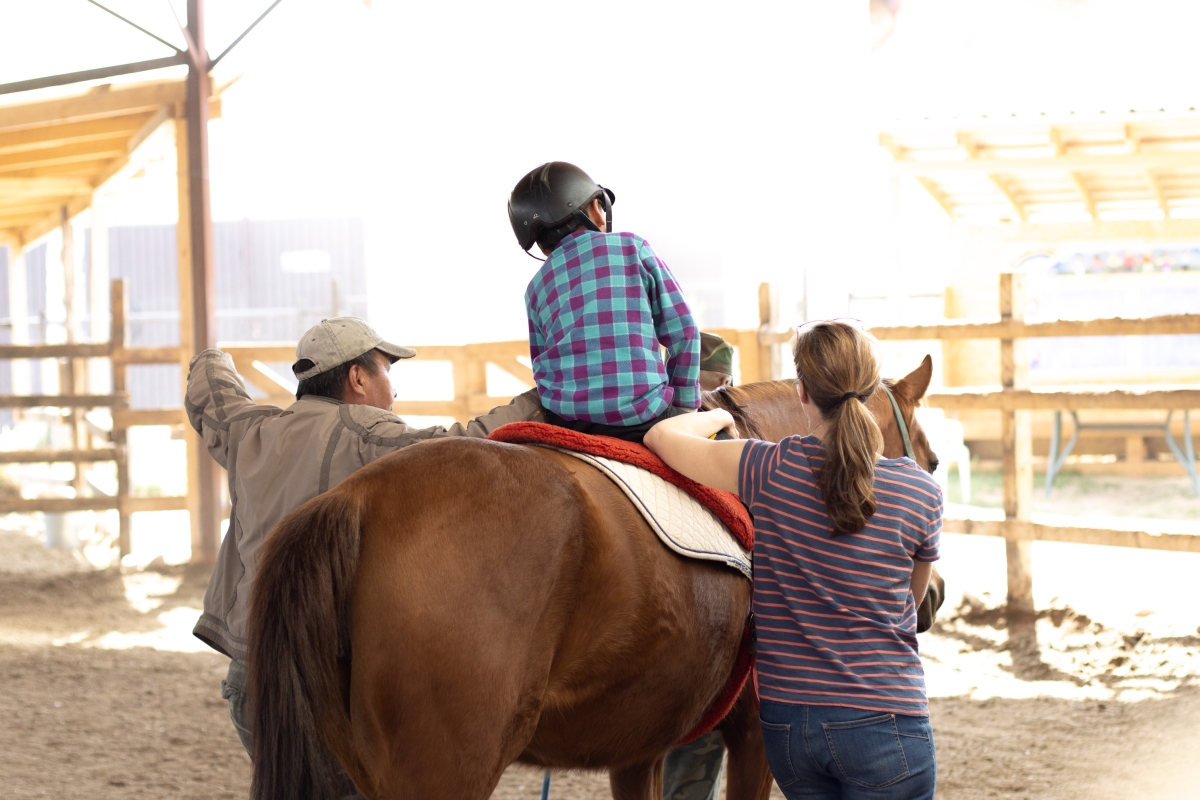
After a couple of sessions on the back of a gentle horse, Jamal now rides with a smile on his face.
Showing a New Way
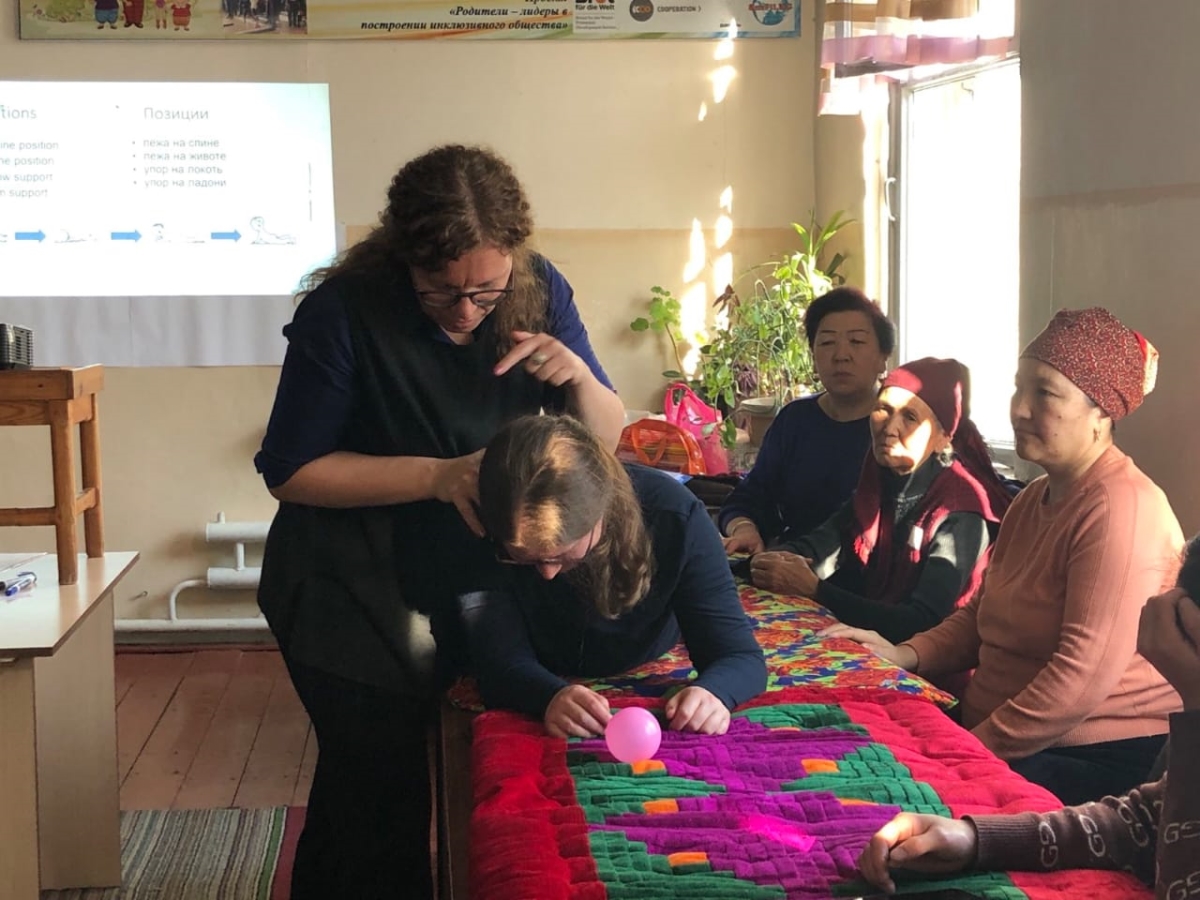
The staff helped Aygul and her colleagues better understand the effects of CP on the children and ways to increase the children’s mobility.
Grateful Families
The parents of these children hosted a celebration to say thank you to our partners who have helped their families.
Powerful Transformation
When seven-year-old Fatima first walked into our Rehabilitation and Rehabilitation Center in Tokmok with a diagnosis of Down syndrome, she was like a little storm. She was bright,
Changing the Trajectory
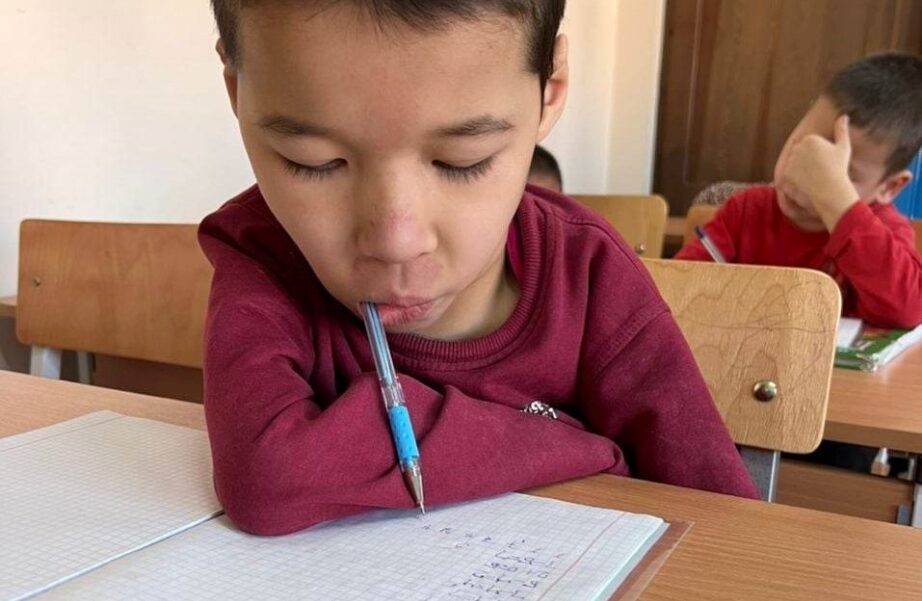
Danior used to be angry all the time. He was quick to attack and hit the other kids at the children’s home. He had reasons to be angry –