
Nutrition, Afghanistan
As a trainer working with a community clinic in Kabul, one of the highlights of the past season was the distribution of community health kits to our new Community Health Workers (CHWs).
Community Health Workers are often the first point of contact for families seeking health support in their neighborhoods. Each CHW serves approximately 250 households, providing basic health advice, promoting healthy practices, and helping connect community members with medical services when needed. Their presence ensures that even the most vulnerable families have access to essential health information and support close to home.
To strengthen their work, our organization provided each Community Health Worker with a health kit containing basic medicines and essential medical supplies. Preparing these kits was a major undertaking. From purchasing the supplies to organizing and packing each kit, the process required significant planning, coordination, and hard work from our team.
The effort was rewarded on the day of distribution. The excitement and gratitude of the Community Health Workers were evident as they received their kits. Many expressed how these supplies would help them better serve the families who depend on them for guidance and assistance.
These kits are more than a collection of medical items. They are practical tools that enable Community Health Workers to respond to basic health needs, share lifesaving knowledge, and support their neighbors with greater confidence. Equipped with these resources, they are now better prepared to serve their communities and contribute to healthier outcomes for families throughout their neighborhoods.
Seeing their enthusiasm and commitment reminded us why this work is so important. The investment in these kits is an investment in community-based healthcare, empowering local health workers to bring care, knowledge, and hope directly to the people who need it most
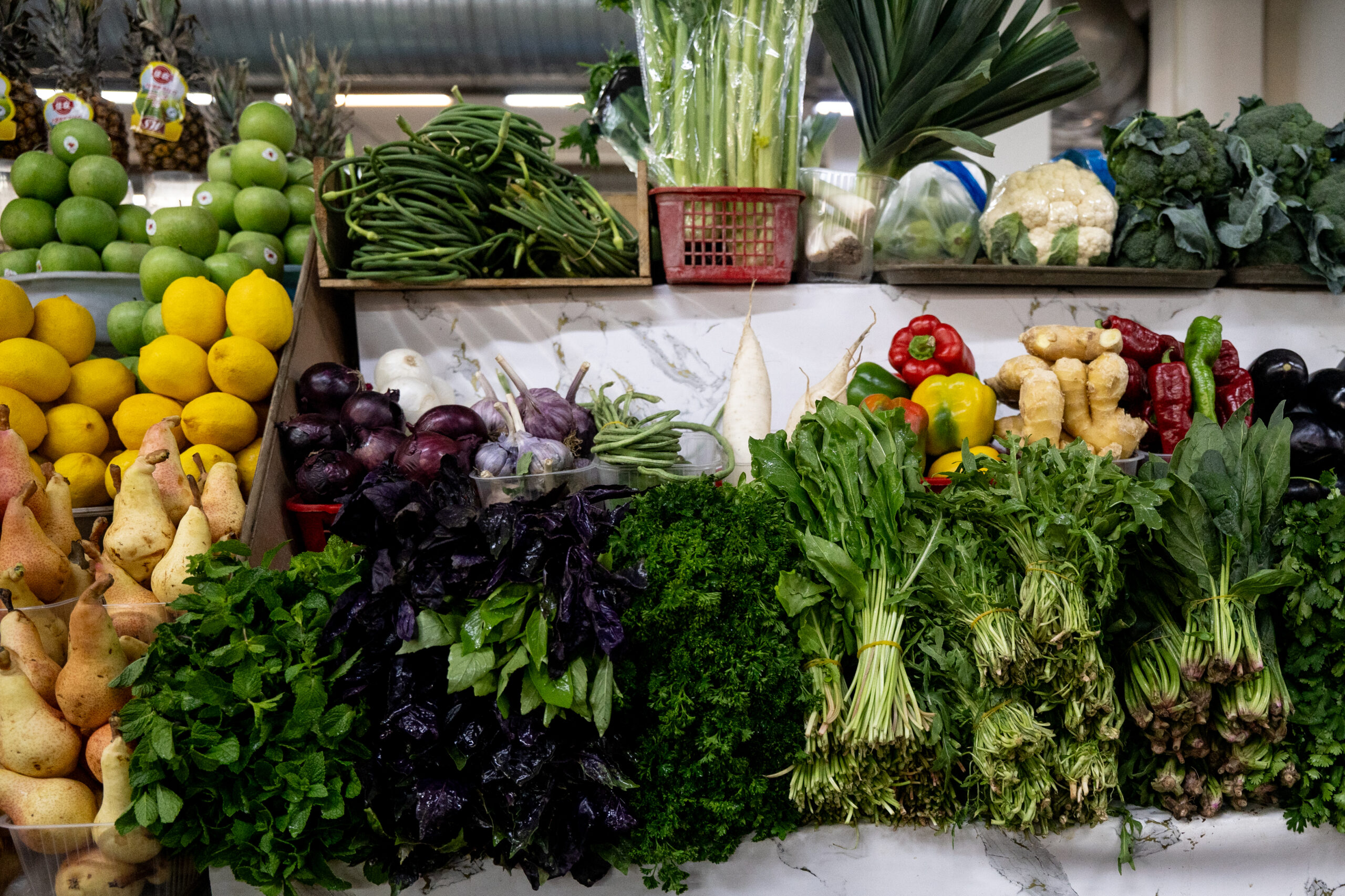
Maternal and Child Nutrition and Health
In Afghanistan we have had the privilege of running a health programme in a number of communities where we train men and women on essential elements of nutrition and health during pregnancy and in the early formative years of a child’s life.
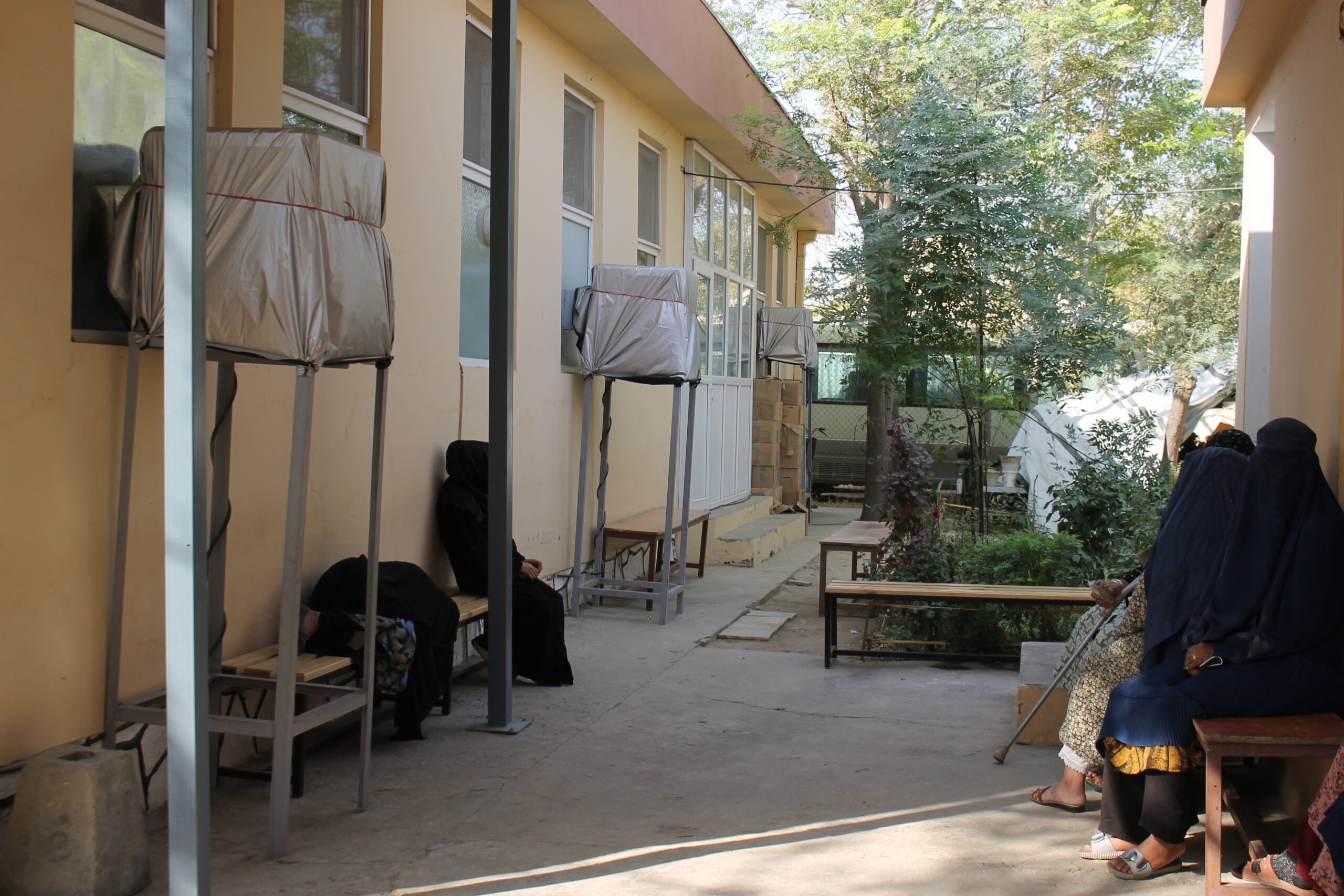
A Second Chance for a Healthy Pregnancy
Our Maternal and Child Nutrition and Health Project is improving health practices around birth and childcare amongst the vulnerable population of Afghanistan.
A young mother shares:
“I have been married for three years.
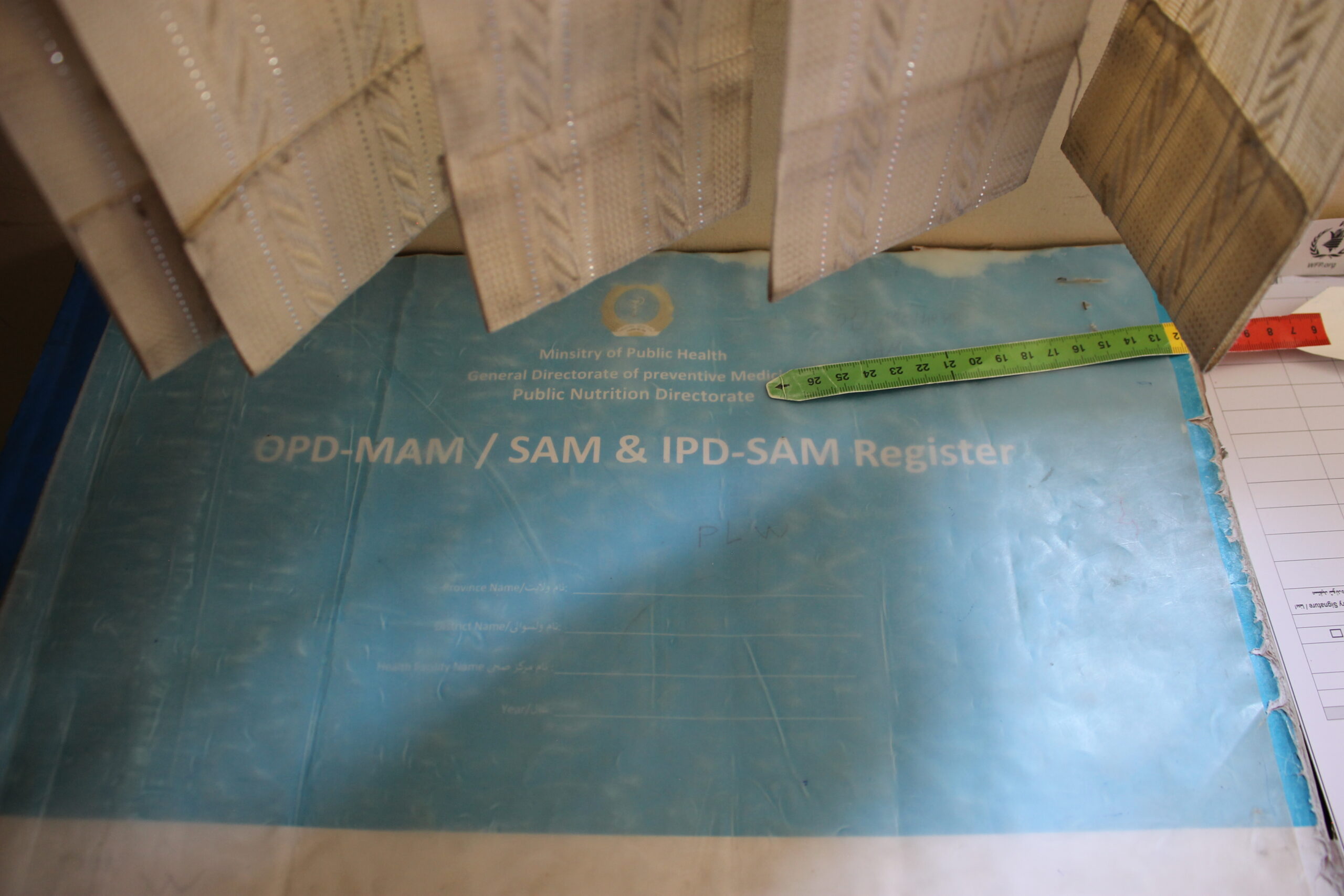
Empowering Mothers Through Breastfeeding Education
In our Maternal and Child Nutrition and Health Project in Afghanistan it’s amazing to see how simple lessons — and someone walking alongside young mothers — can make a difference,
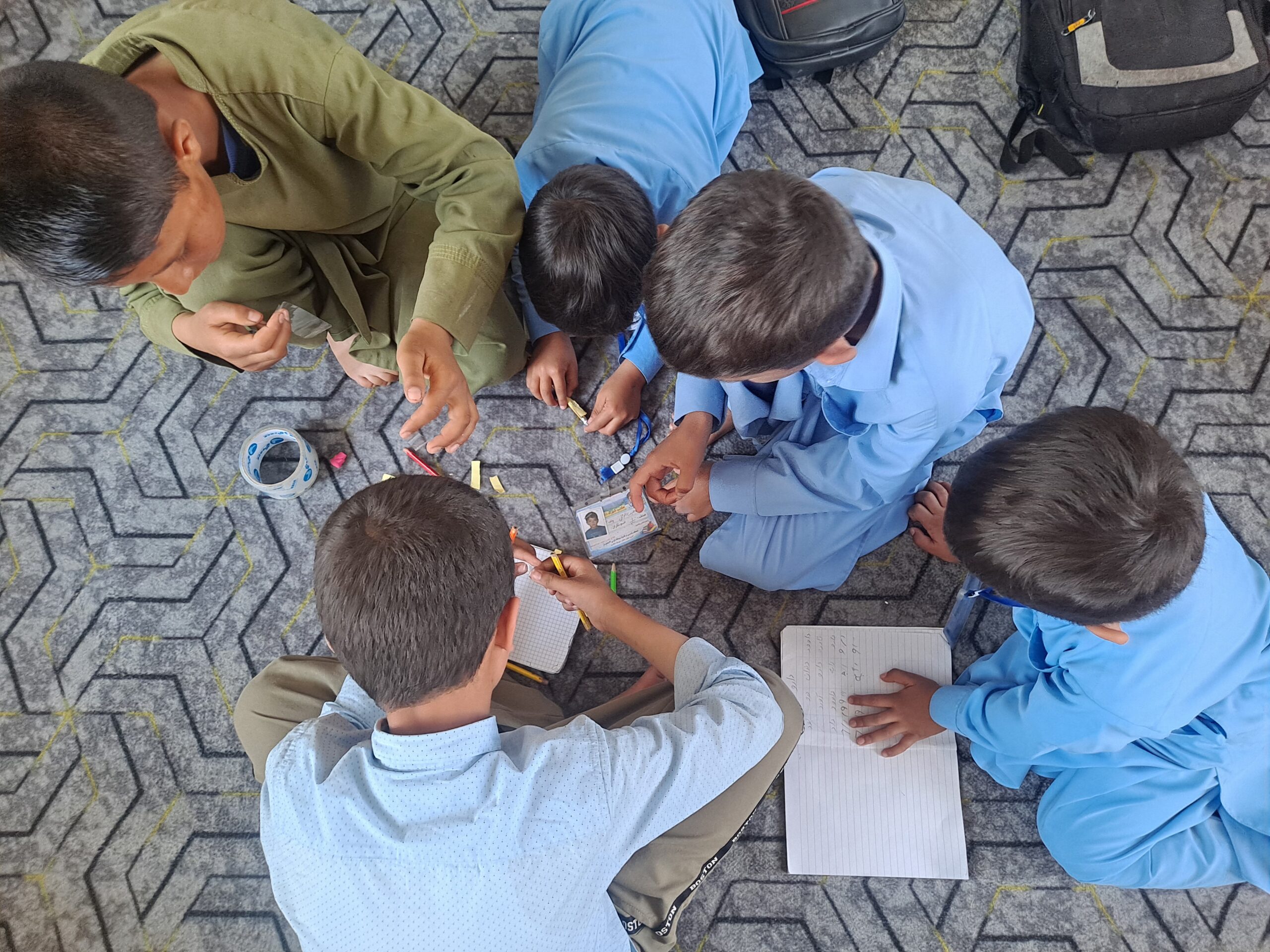
Supporting Mothers and Children Beyond Physical Health
Our Maternal and Child Nutrition and Health project continues to play a strategic and transformative role in the lives of women, children, and the broader community by establishing dependable,
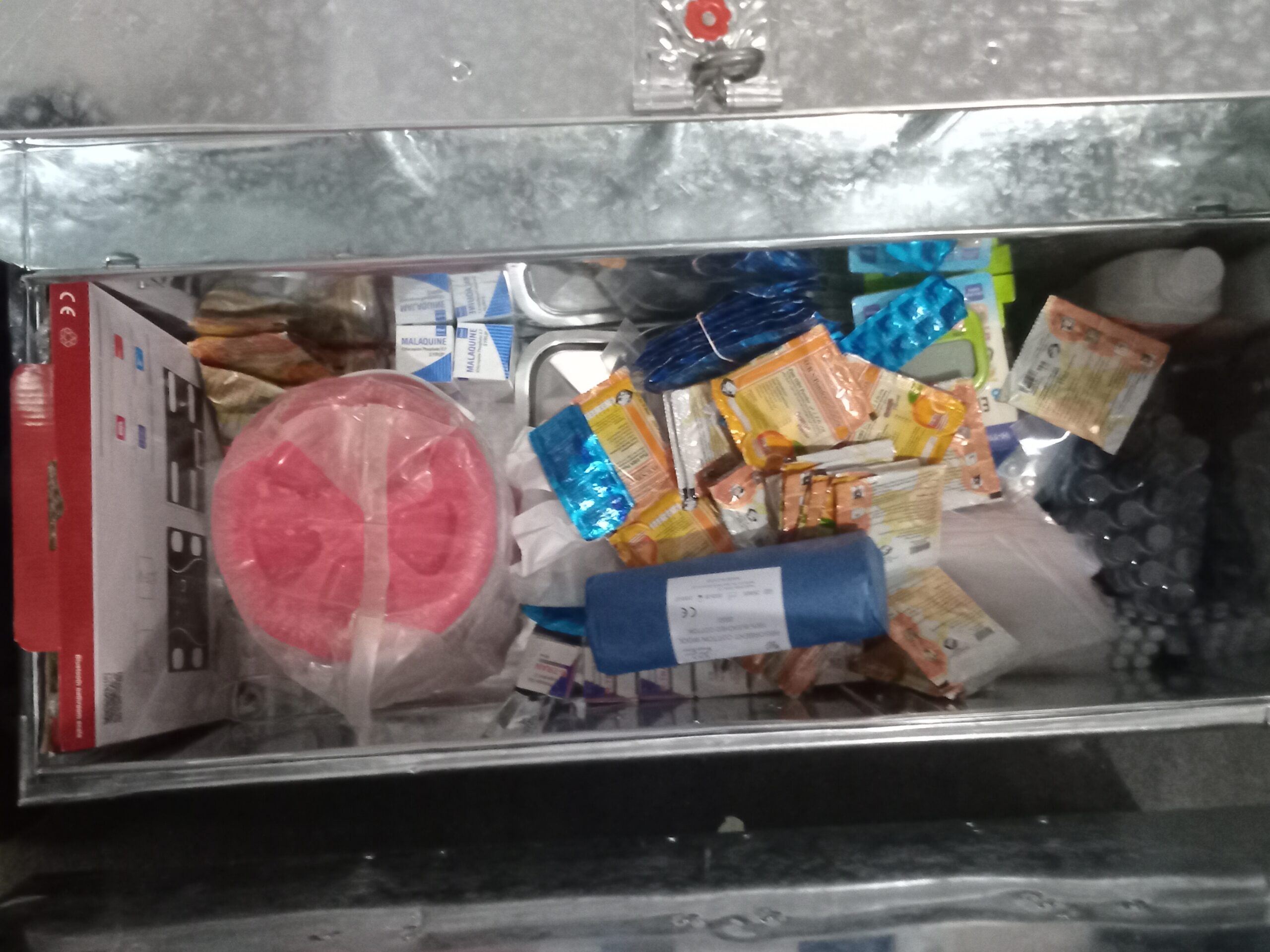
Community Health Kits
As a trainer working with a community clinic in Kabul, one of the highlights of the past season was the distribution of community health kits to our new Community Health Workers (CHWs).
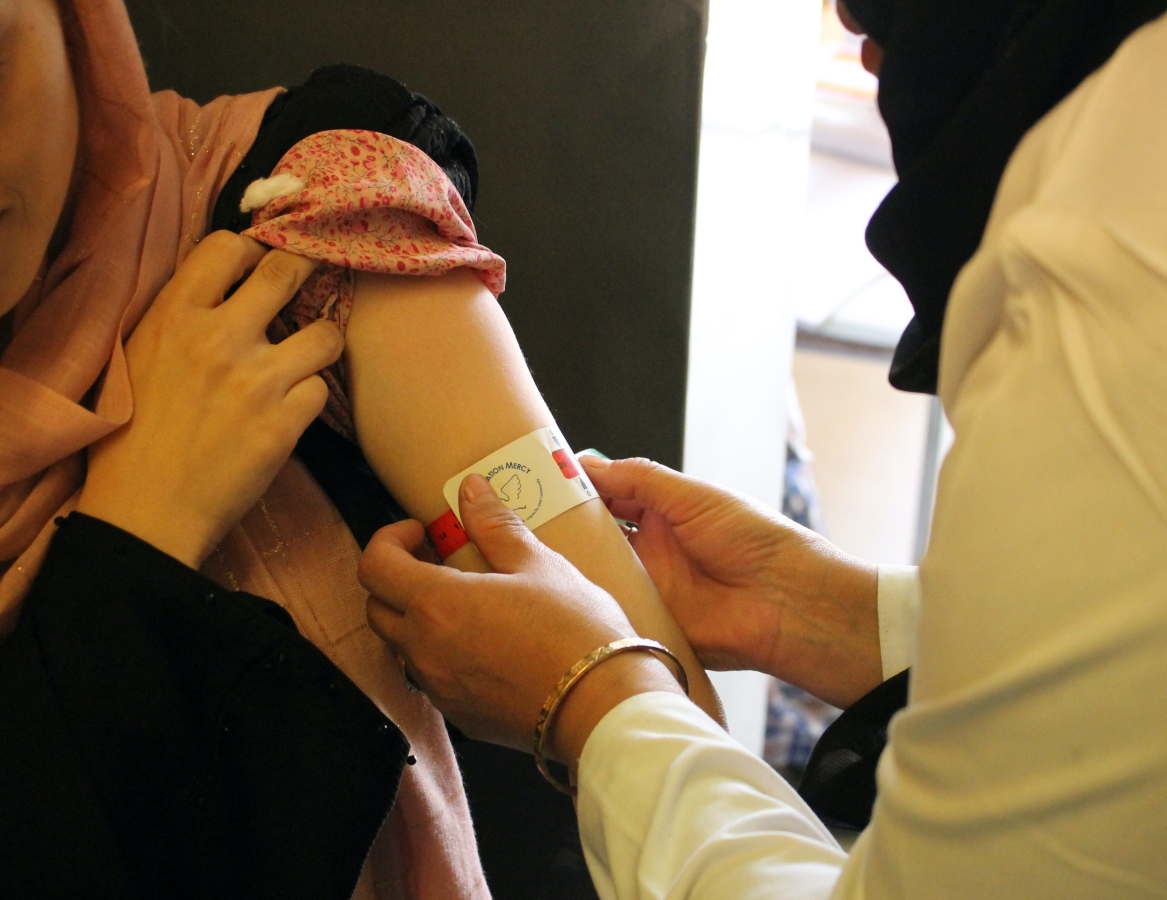
Perseverance in Health
Two months later, Serah was improving from the malnutrition.
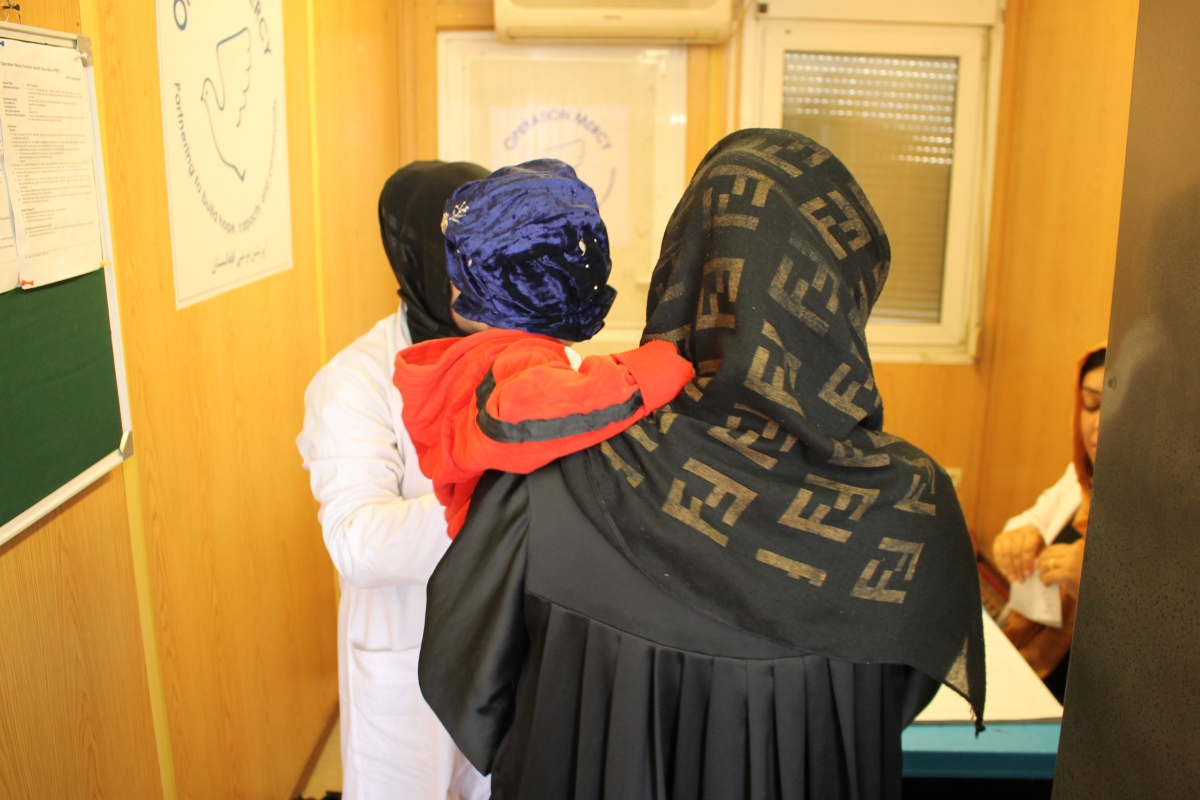
I Am Stronger
Now we eat vegetables at every meal, I am stronger, I can do my housework and take care of my children and a sick member of our family.
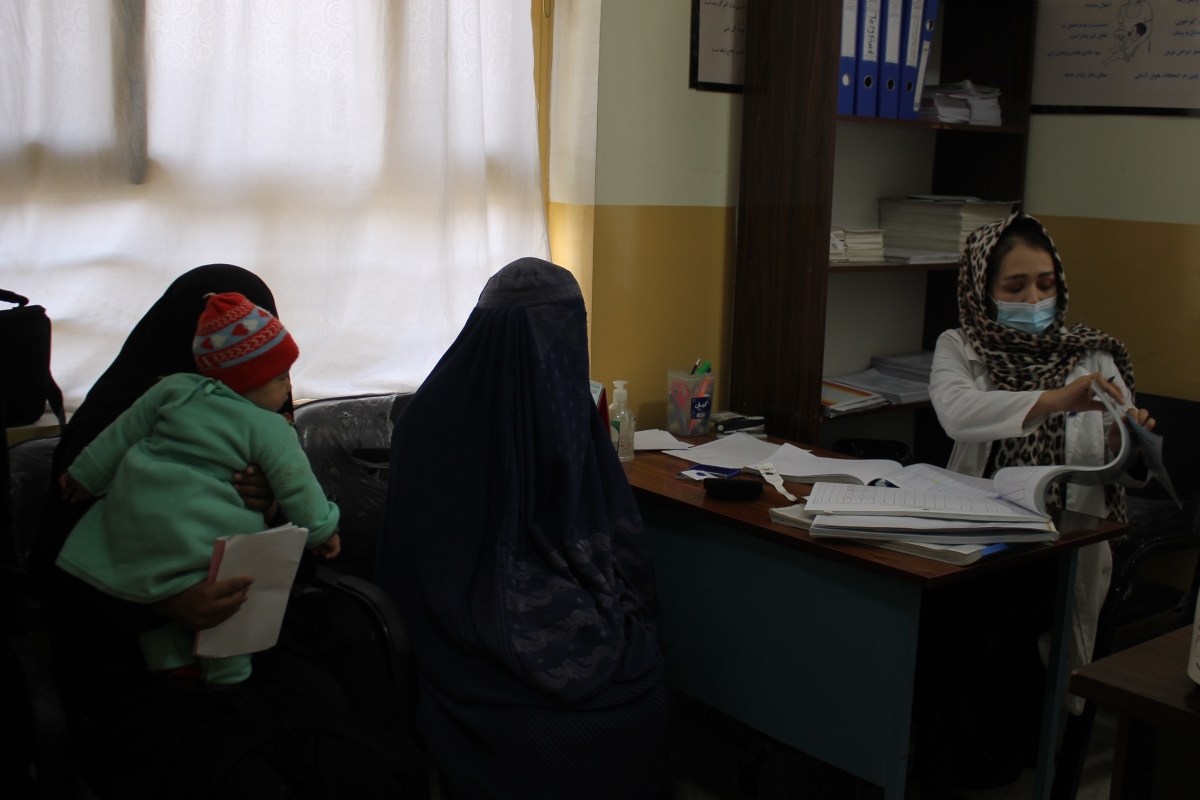
Success Story
Soon Mohammed was back to a normal weight and Farzana was delighted to see her son playing again, standing and moving, and having an appetite.
Health and Nutrition Promoters
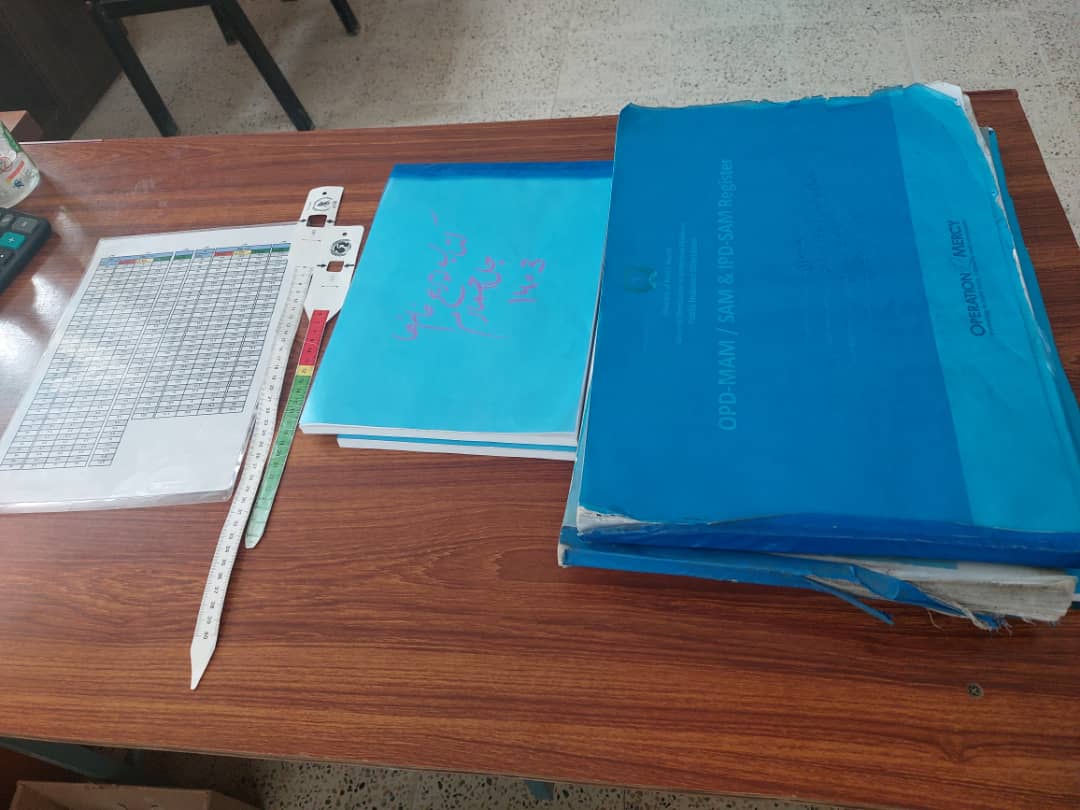
Operation Mercy in Afghanistan runs a program training women in the community to become health and nutrition promoters. This program empowers women to voluntarily serve their communities,
Proper Nutrition For Children
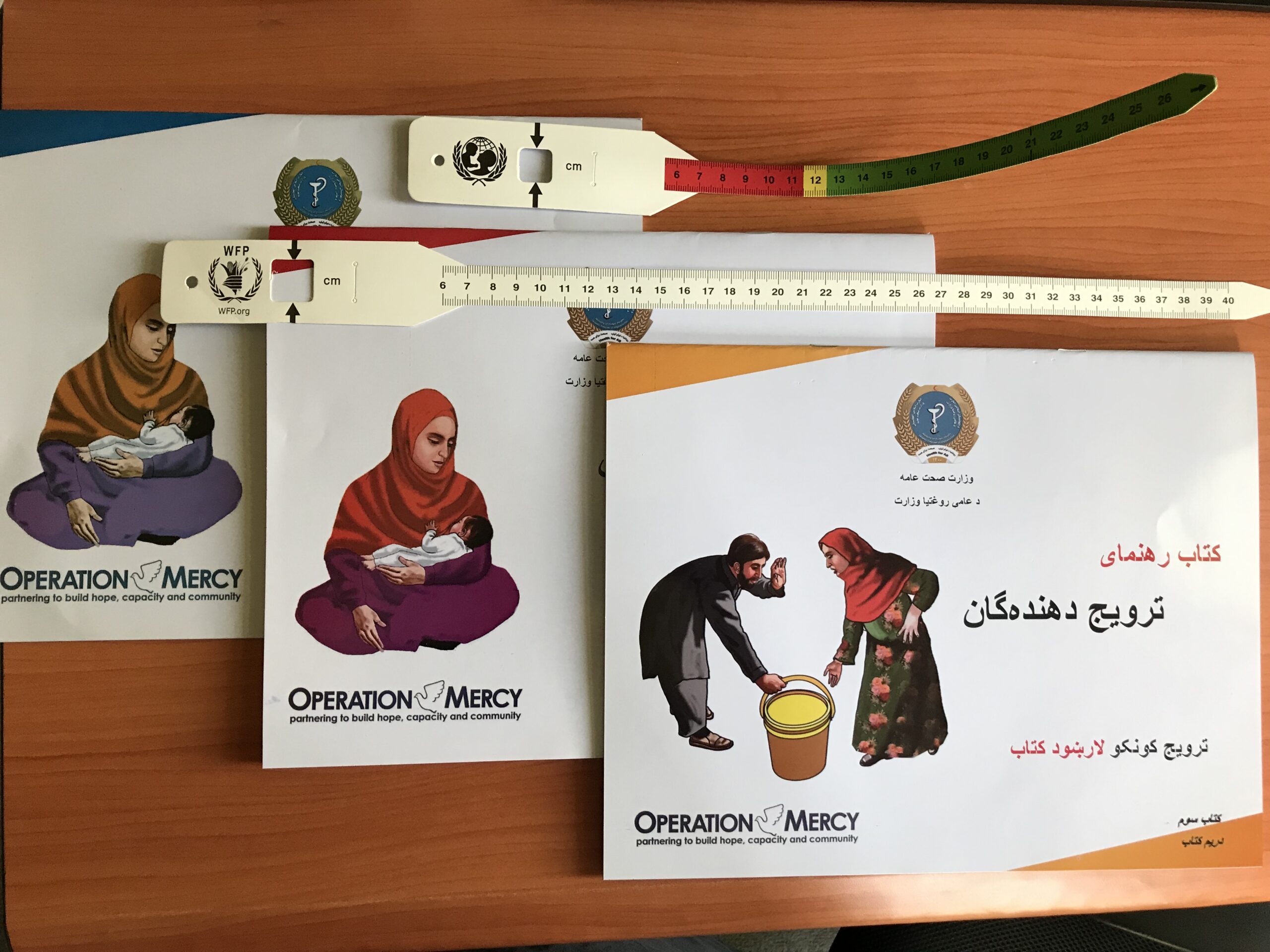
Malnutrition continues to increase across Afghanistan. The United Nations now reports 3.2 million children in Afghanistan face acute malnutrition. We expect this to worsen over the winter as the bitter cold forces many families to divert part of their funds towards heating instead of food.