
Women’s Empowerment
One woman in our group had long struggled with constant conflicts with her husband. During our sessions, the group explored lessons on clear communication—learning how to truly listen, understand each other, and speak with kindness and respect, especially within a marriage.
After three months of attending the lessons, she shared a powerful realization: she had often compared her husband to other men and treated him with a sense of superiority. She admitted that she had seen herself as more intelligent and capable than him, and that this attitude had shown in her words and actions. Unsurprisingly, this affected how her husband responded to her.
Motivated by what she had learned, she began consciously changing her attitude. Gradually, she started showing more respect, warmth, and appreciation toward her husband. As her behavior shifted, his responses also changed—he became kinder, more attentive, and gentle. Over time, their relationship grew softer, stronger, and more loving.
The transformation was noticeable not only to her family but also to those around her. Where arguments once erupted openly during group sessions, there is now calm and understanding between them. Recently, she shared how much their relationship has improved.
Her story is a testament to the power of inner work and the practical application of simple, yet profound lessons on clear communication. It shows that when we change our hearts, our words—and our relationships—can transform too.
I Trust You
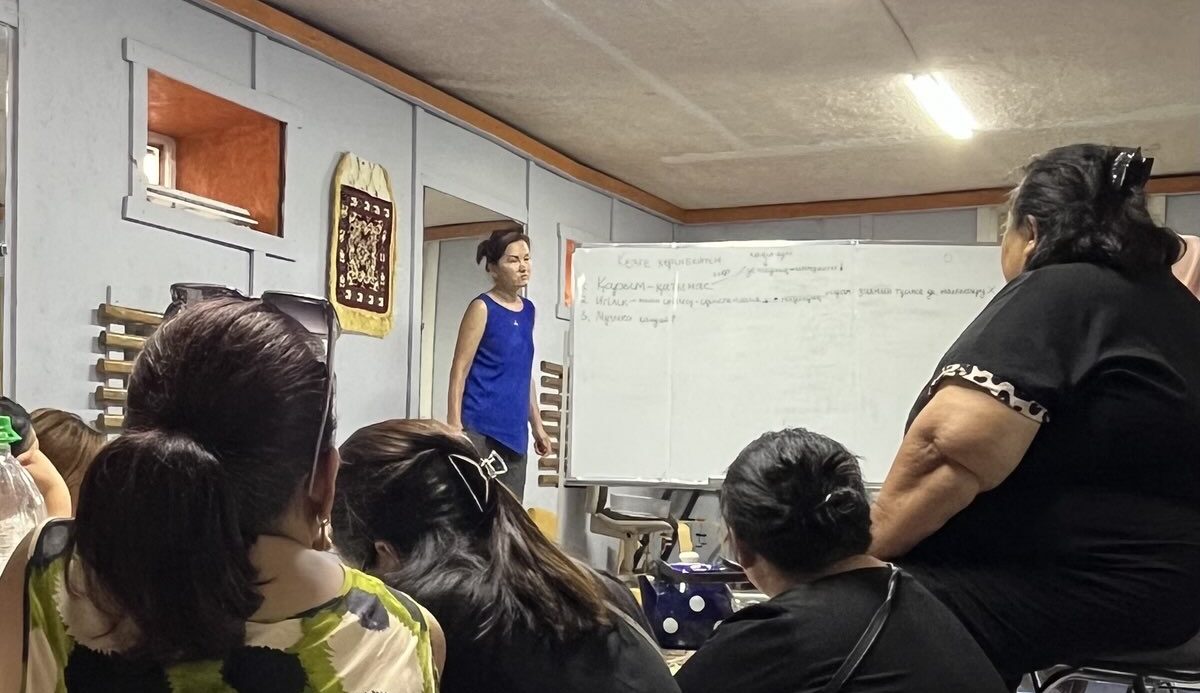
“I can’t trust any of the women in the village—there’s so much judgment and gossip. But I trust you, the women sitting here in this group.”
A Beacon of Hope and Empowerment
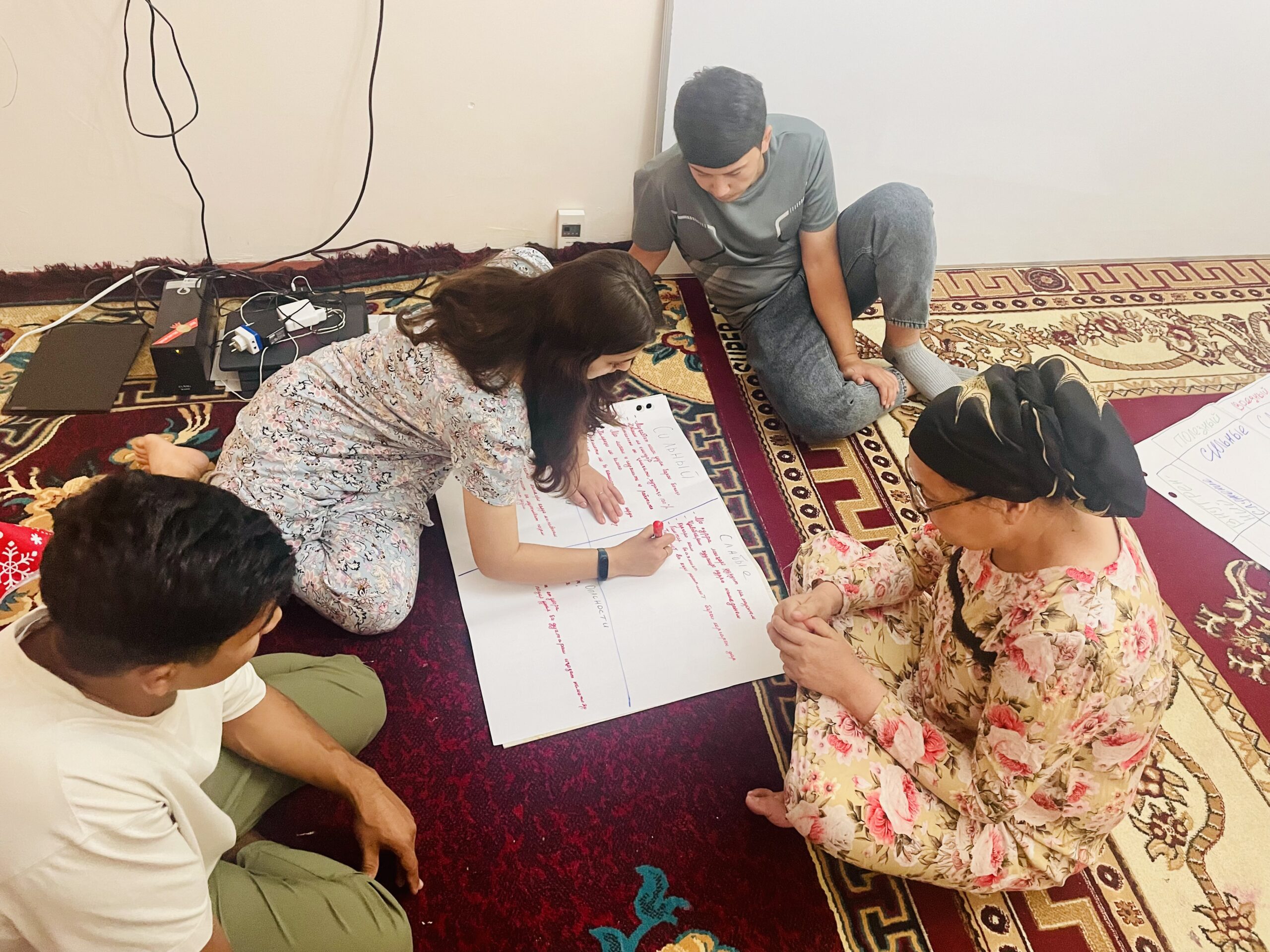
Malika is a young woman from Tajikistan, is a poignant reflection of the challenges faced by many women in her community. Growing up in a traditional society,
Clear Communication
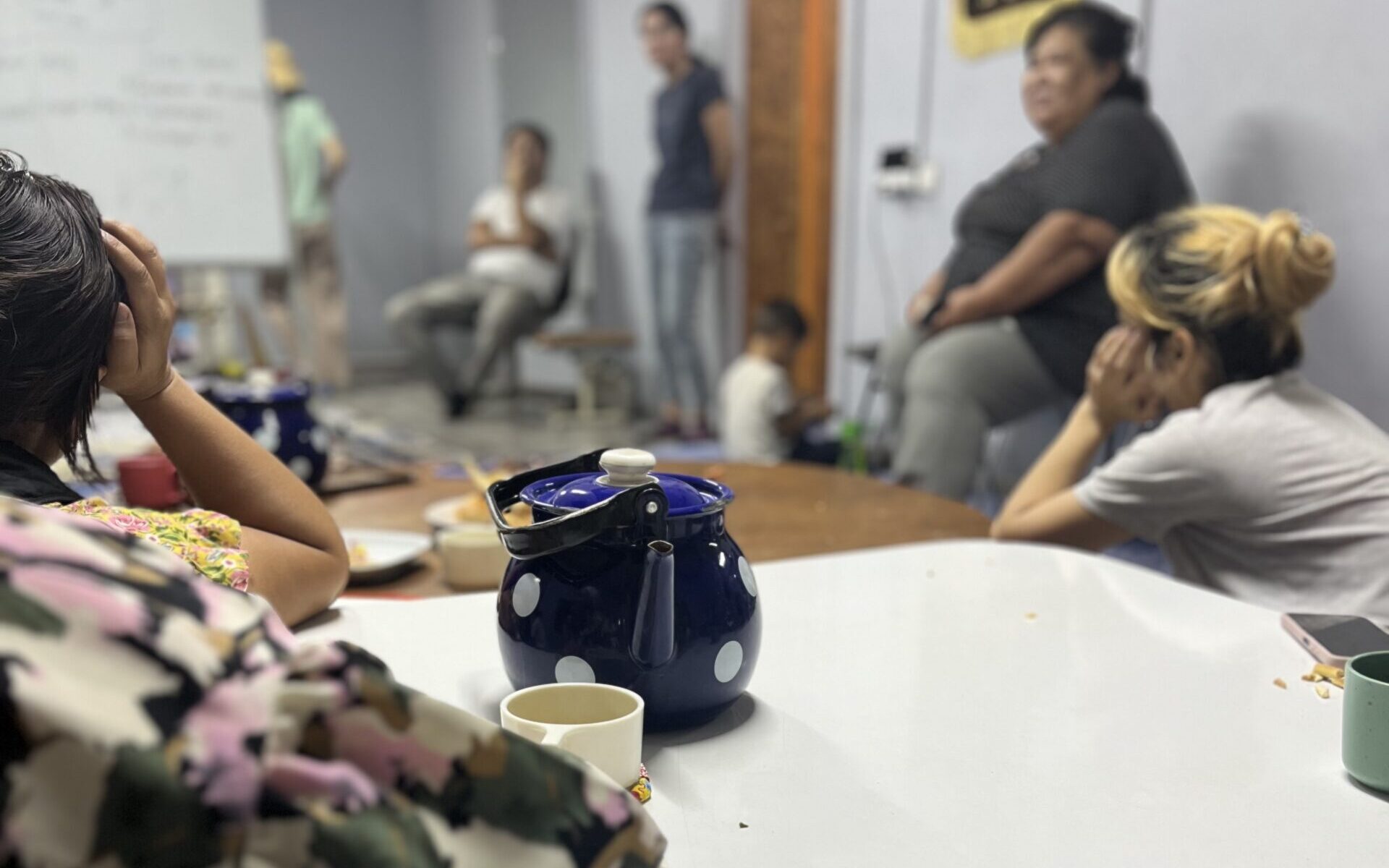
One woman in our group had long struggled with constant conflicts with her husband. During our sessions, the group explored lessons on clear communication—learning how to truly listen,
Tools For Peacemaking
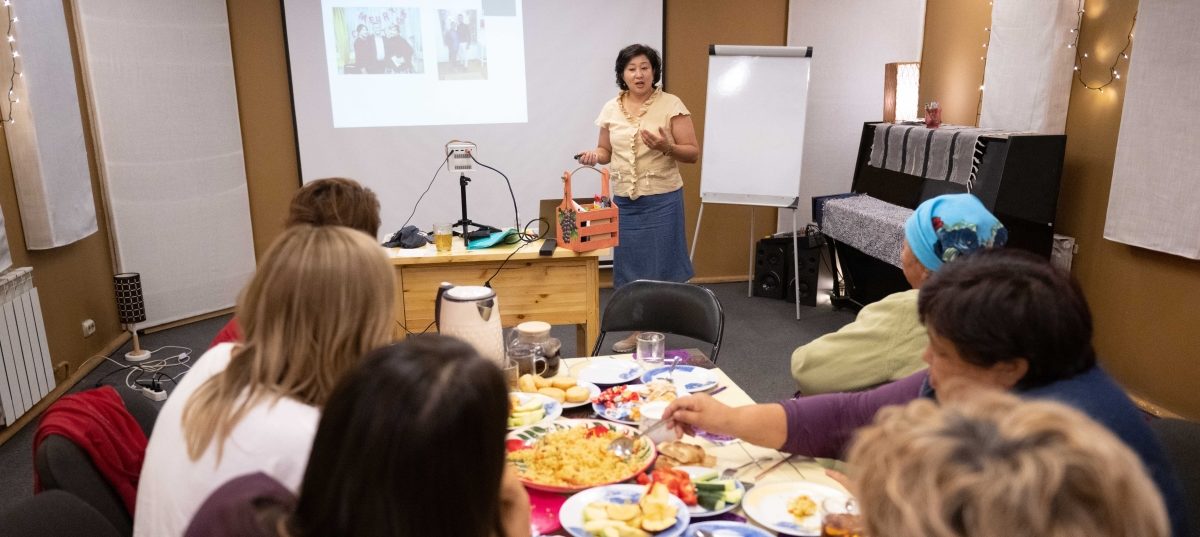
The women in this group are empowering one another to be peacemakers within their families and communities through sharing their stories and affirming positive change.
A Celebration of Dignity
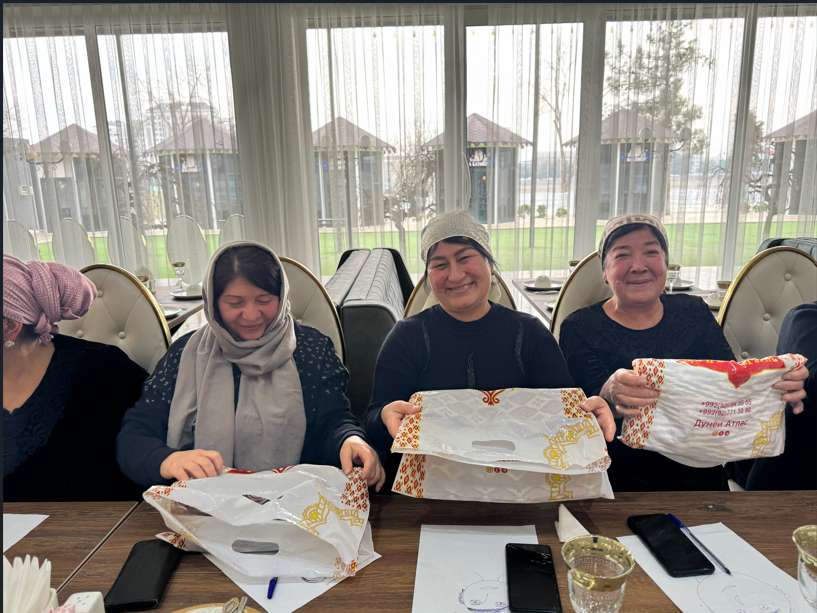
This year’s International Women’s Day celebration under the Women’s Empowerment Project (WEP) was unlike any we had ever held before. For the first time, the gathering was filled predominantly by women from the deaf community,
The Joy of Restoration
Her sister was stunned that Rosa, herself, was willing to assume the shame.
Women in Kazakhstan are Finding Their Voice
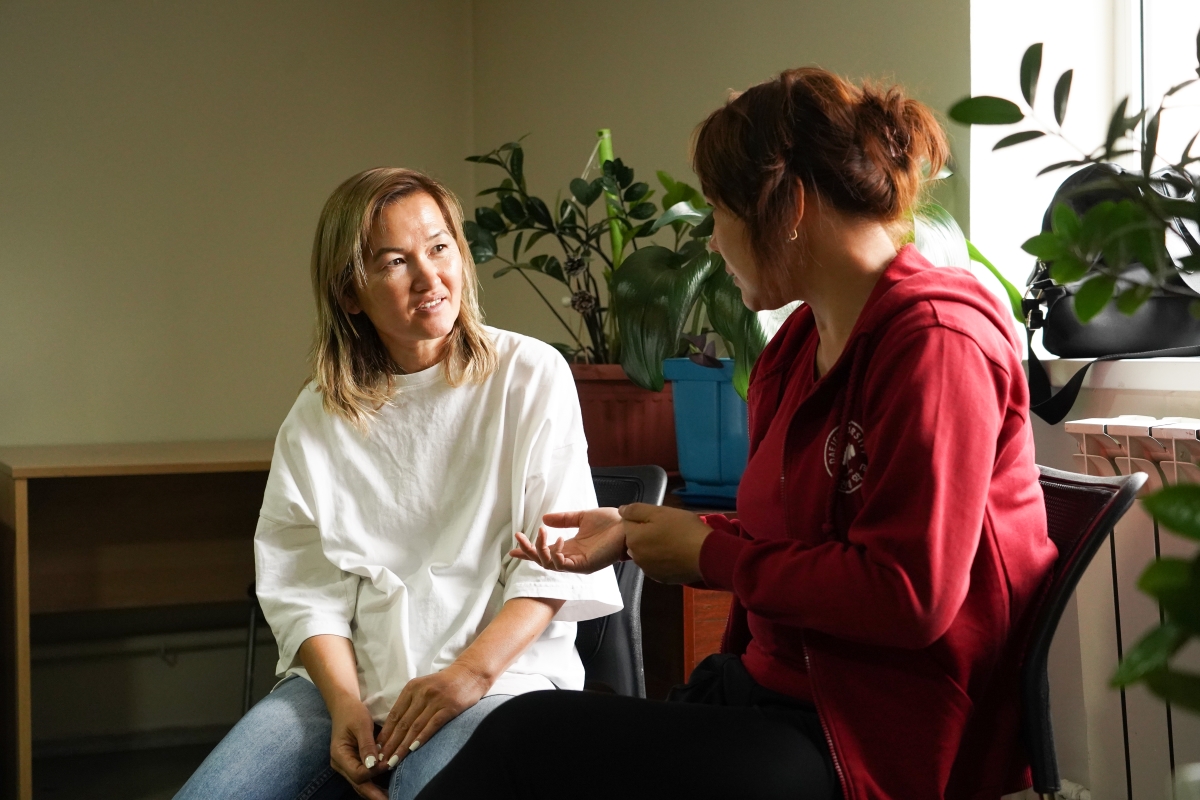
“After participating in some lessons, the women start to change their life with each other and they’re encouraging each other.”