In the Jordan Valley, every drop of water matters. As water resources become increasingly scarce and agricultural costs continue to rise, innovative solutions are essential for building a more sustainable and profitable future for farmers.
This season, the Agricultural Cooperation for Development (AC4D) Project in Jordan implemented a technique called “Rainwater Harvesting” designed to improve both the quality and quantity of irrigation water used for sweet pepper production. The results have been impressive, demonstrating how a simple and affordable intervention can deliver significant environmental and economic benefits.
Capturing Nature’s Resources
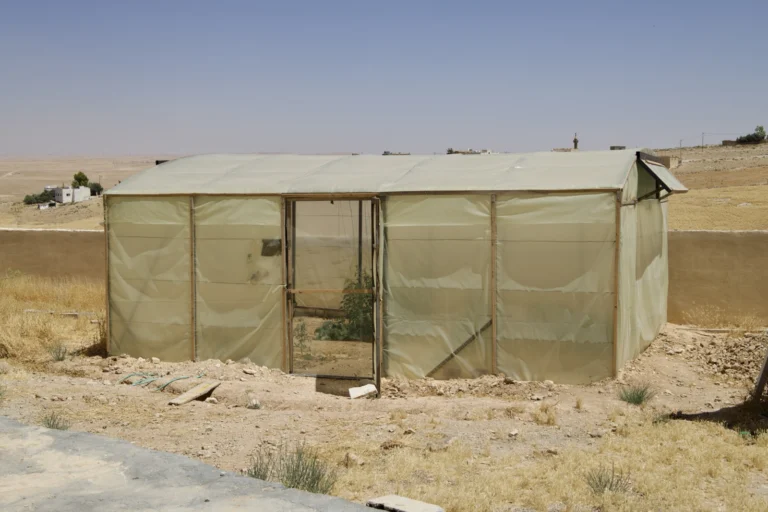
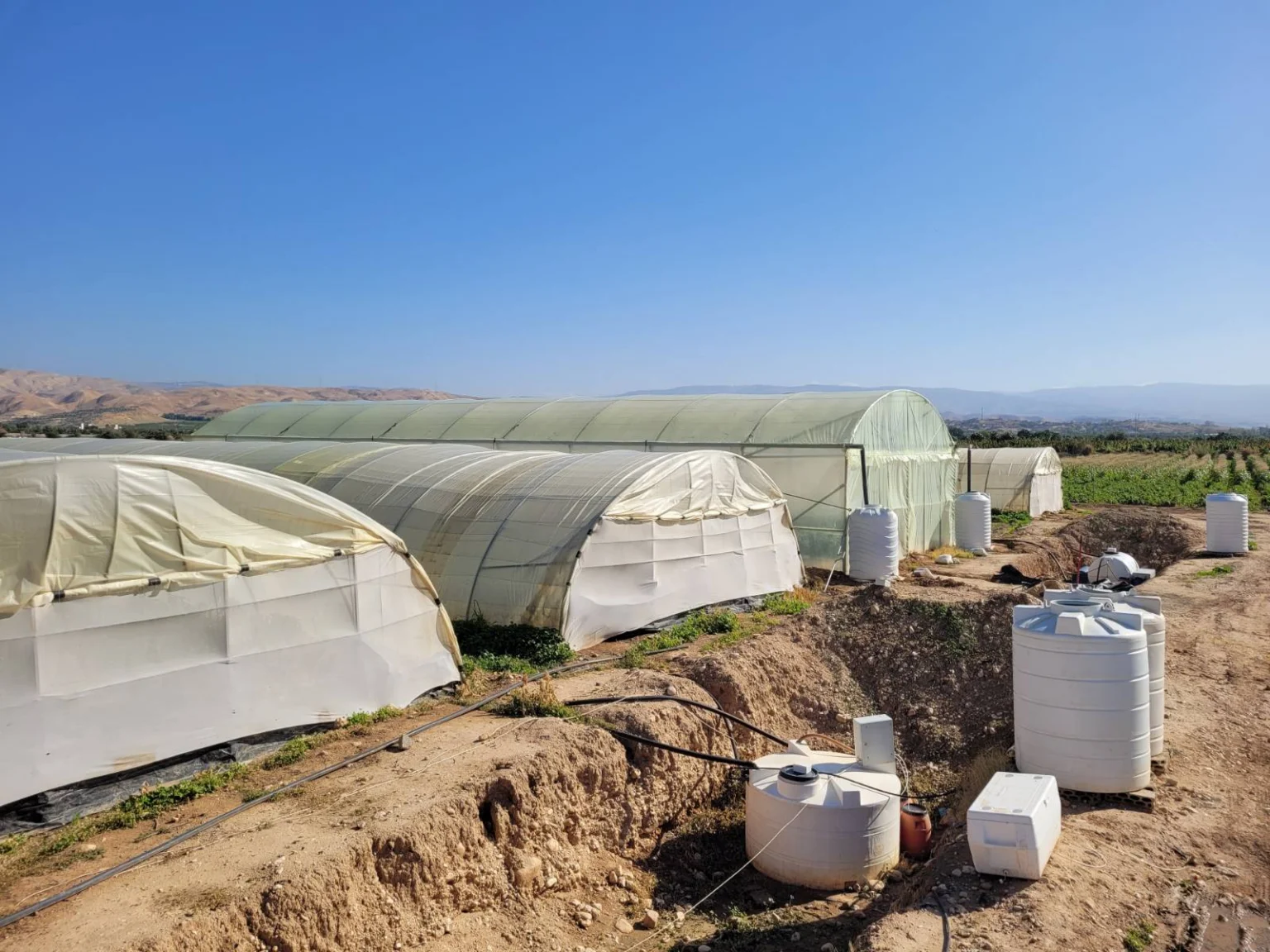
The project installed a 4,000-liter water storage system connected to one of its newest greenhouses. The objective was straightforward: capture rainfall from the greenhouse roof and store it for future irrigation use.
The timing couldn’t have been better.
Just one day after installation, rainfall filled the system and provided a real-world demonstration of its value. Project staff soon discovered that every quarter-inch rain event generates approximately three days’ worth of high-quality irrigation water for the greenhouse operation.
Better Water, Better Peppers
While the financial savings are noteworthy, the true value of rainwater harvesting extends beyond cost reduction.
Rainwater offers a cleaner, higher-quality source of water for fertigation (the application of fertilizers through irrigation systems), helping optimize nutrient delivery to crops. For sweet pepper production, this translates into healthier plants and the potential for improved yields and fruit quality.
By supplementing traditional water sources with harvested rainwater, growers can reduce dependency on more expensive water supplies while providing crops with a superior irrigation resource.
A Rapid Return on Investment
One of the most compelling findings from the project has been the system’s affordability and rapid payback period.
Based on current performance, the rainwater harvesting installation is expected to pay for itself after just four rain events. This calculation reflects water savings alone and does not account for the additional economic benefits associated with enhanced crop quality and increased pepper production.
For farmers looking to improve efficiency without making major infrastructure investments, rainwater harvesting presents an attractive and practical solution.
Inspiring Interest Across the Agricultural Community
The new greenhouse has already become a point of interest for growers throughout the region. Visitors have been eager to learn about the technology and its impact on production.
However, enthusiasm grows even stronger when farmers discover how inexpensive it is to install a system capable of capturing and utilizing rainwater effectively. The combination of low cost, operational simplicity, and measurable benefits has generated significant interest among producers seeking sustainable ways to improve their operations.
Leading by Example
Environmental sustainability and fiscal responsibility remain central priorities of the AC4D Project’s work in the Jordan Valley. By demonstrating innovative techniques such as rainwater harvesting, the project is helping lead the agricultural community toward solutions that conserve resources, lower costs, and strengthen farm productivity.